Diabetes alert dogs, also known as diabetic service dogs or DADs, are service dogs trained to alert their handlers when their blood sugar has dropped too low or spiked too high. DADs can be extremely helpful for people with diabetes because they act as an early warning system, enabling their handlers to do what they need to raise or lower their blood sugar before they experience significant symptoms. Acquiring a DAD may be a life-changing experience for someone with diabetes.
Read on to learn more about these service dogs, how they can detect blood sugar levels, and what you need to know if you’re considering getting one.

How Does It Work?
Dogs have a naturally heightened sense of smell, a trait that makes them excellent hunters and fantastic information gatherers. Their olfactory capacity far exceeds that of humans, which is why you can find them doing work like drug and explosive detection. But this incredible sense of smell also comes in handy for people with certain health conditions.
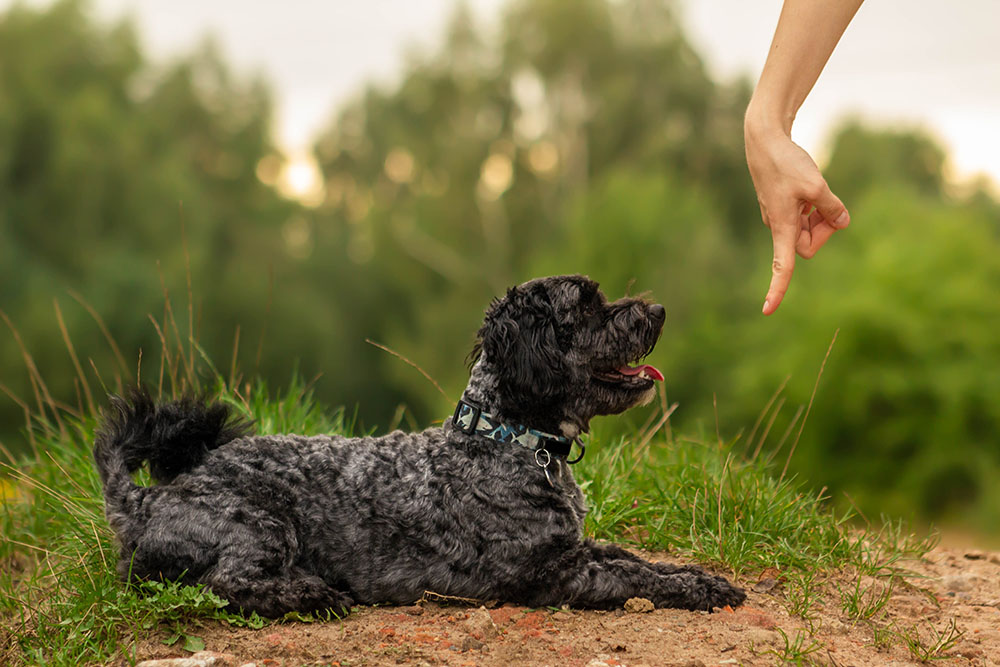
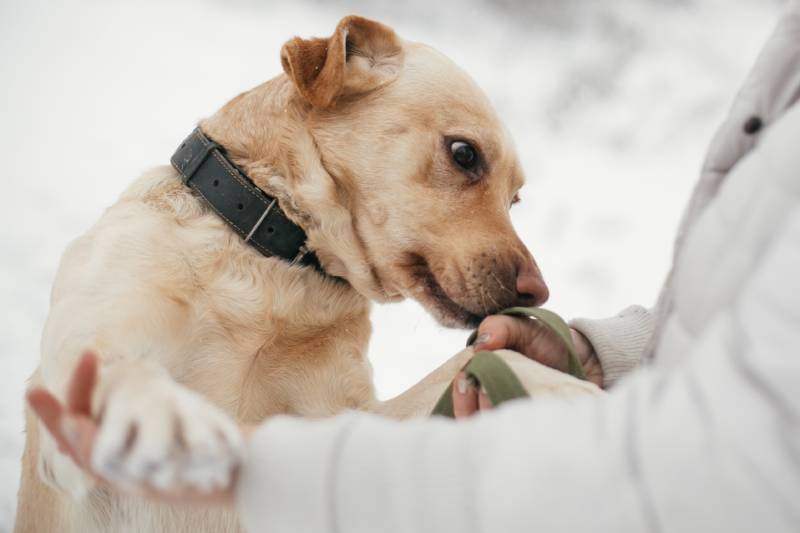
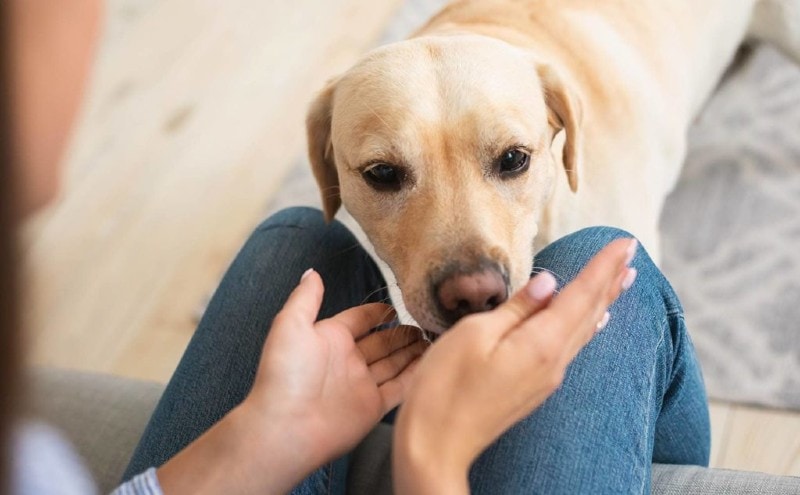
Dogs trained to work alongside people with diabetes are taught how to pick out certain chemical scents in the breath and sweat associated with rapidly changing blood sugar levels. They will then alert their handler that something isn’t right by performing a predetermined action, such as:
- Touching them with their nose
- Holding a specific object or toy
- Jumping on them
- Barking or whining
- Bringing necessary objects like a glucose monitor
What Are the Different Types of Diabetes Service Dogs?
There are two types of diabetes service dogs: Medical Response Dogs and Diabetic Alert Dogs. While we’re focusing primarily on DADs, it is important to differentiate between the two.
Medical Response Dogs for diabetes are those trained to spot the signs of severe low blood sugar in hypoglycemic events. These dogs are often taught to retrieve supplies like food and drinks to help the person in question.
Diabetic Alert Dogs, however, are trained to pick up on the chemical compound smells released from the body when blood sugar levels are too high or low. These dogs can alert their owners to their changing blood sugar levels because they can pick up on these scents before the person becomes symptomatic and before things get too dangerous. This way, their handler can take the necessary steps to return their blood sugar to normal.
Advantages of Having a Diabetic Alert Dog
The biggest advantage of having a DAD is that they can improve the quality of life of their diabetic handler. One study showed that owners with DADs reported the following benefits:1
- The majority of respondents worried less about low or high blood sugar events.
- Most respondents were more capable of participating in physical activities.
- There are significant decreases in the frequency of severe hypoglycemic events.
Challenges of Having a Diabetic Alert Dog
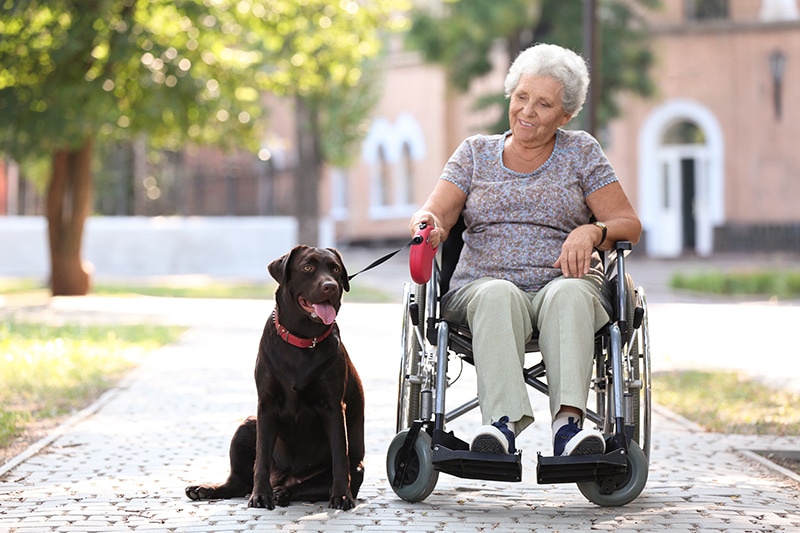
Having a service dog requires a significant commitment from the owner. They not only need to spend time building a bond with their dog, but they also need to ensure that their pup is getting all of their needs met. DADs, like all dogs, will need feeding, bathing, exercising, and regular visits to the veterinarian to stay happy and healthy. This may be a challenge for someone who has never owned animals before, and there may also be a significant barrier when it comes to financial upkeep. Owning a pet is expensive, and there’s not always space in everyone’s budget.
Speaking of budget, service animals are extremely expensive to obtain. While some organizations provide training for free or for a reduced cost for folks who qualify, the general price for a DAD is somewhere in the ballpark of $8,000 to $20,000!
Frequently Asked Questions
Can any dog be a DAD?
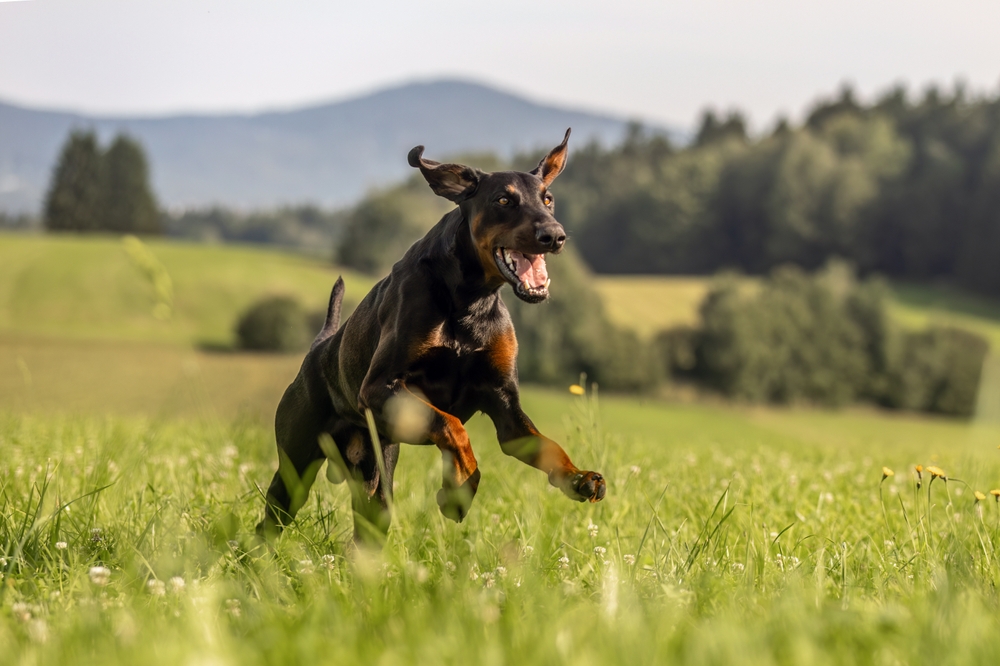
A variety of breeds can be trained to be a DAD, though not all dogs are up to the task. The following breeds are the most commonly used due to their kind and gentle temperament, high intelligence, loyalty, and commitment to training:
- Golden Retrievers
- Labrador Retrievers
- Poodles
- Mixed sporting breeds
How do I get a DAD?
If you’re interested in getting a DAD, the best way may be to contact Diabetic Alert Dogs of America. This organization trains these types of service dogs and may be able to put you in contact with a dog in your area.
Are DADs reliable?
While some studies suggest that individual performance is variable, a DAD’s overall sensitivity to hypoglycemic and hyperglycemic episodes may be better than some older studies suggest. Optimal performance appears to rely on high-quality initial and ongoing training, as well as the careful selection of dogs.
Some diabetic folks wonder about the reliability of DADs versus a continuous glucose monitor (CGM). CGMs are generally considered to be more reliable and consistent than DADs. One study suggests that these dogs have a higher incidence of false-positive alerts for low blood sugar, though that doesn’t mean we should be too quick to dismiss DADs.
That said, a CGM may outperform a DAD at night when the dog is asleep and not able to detect the scent of their handler’s low blood sugar.
How much of an early warning can DADs give?
DADs can alert their handlers to take action approximately 10 to 30 minutes before signs occur.
Can DADs go with their handlers anywhere?
Under the Americans with Disabilities Act, DADs are recognized as official service animals. This means they are allowed to accompany their handlers anywhere they go, including airplanes, shopping centers, restaurants, and work. However, there are restrictions if the workplace is considered too dangerous for the DAD (e.g., a commercial kitchen or construction site) or if the animal will pose a health hazard by being present.
Final Thoughts
Diabetes Alert Dogs are assistance dogs trained to detect high and low levels of blood sugar in humans with diabetes. They can act as an early warning system, providing their handlers with enough time to get their blood sugar sorted before a more severe event occurs. There’s no denying that these hardworking, good boys and girls can absolutely make a world of difference in the lives of their diabetic handlers.
Featured Image Credit: BogdanSonjachnyj, Shutterstock