In this article
View 4 More +Most people have experienced a pimple or two over the course of their lifetimes. But can our favorite canines experience the same thing? If you’ve ever noticed a red bump appear on your dog’s face, you likely were left wondering if dogs ever get acne too.
Indeed, dogs can suffer from acne on their faces, just like their human companions. Canine acne is a common skin condition in dogs which is usually not serious and can easily be treated. Read on to learn more.

What Is Canine Acne?
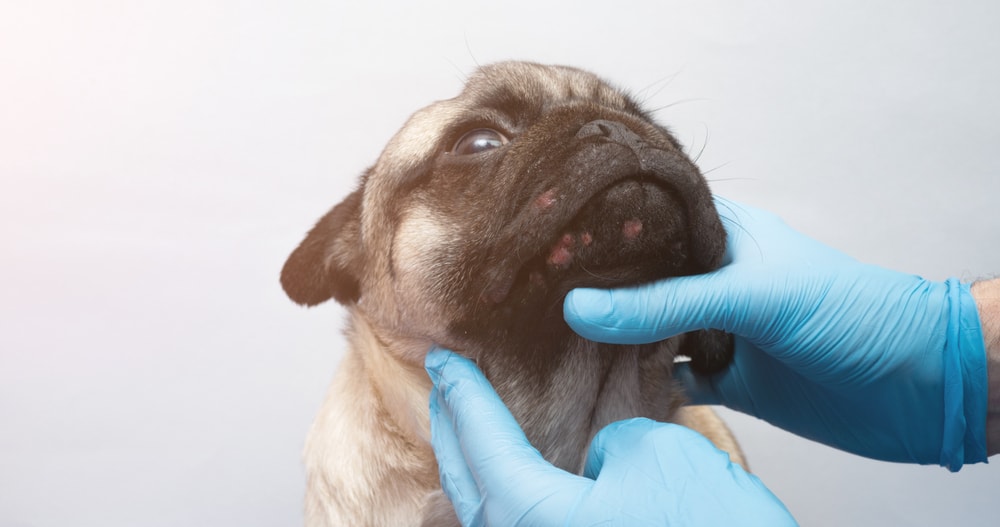
Canine acne is an inflammatory condition of the lips and skin of a dog’s muzzle (the area around the mouth and nose). In mild cases, canine acne can appear as red bumps or pimples on the skin, similar to human acne. In severe cases, dogs can present with severe inflammation covering the entire surface of the skin around the muzzle, leading to pain and permanent scarring if not treated.
Pimples around a dog’s muzzle may be due to folliculitis or skin inflammation resulting from short hairs of the muzzle pushing below the skin’s surface. In severe cases, a dog’s acne may also be due to furunculosis when the hair follicles themselves become inflamed, infected, and painful.
While most early cases of canine acne are considered non-infected inflammation, if left untreated, the condition may progress to more severe inflammation and secondary bacterial infections.
Similar to human teenagers, canine acne is common in young dogs and is especially common in short-coated breeds that may be more susceptible to short hairs burrowing below the skin.

What Are the Signs of Canine Acne?
Canine acne commonly appears as small red bumps or pimples around the chin, skin around the mouth, and lower lips of a dog. Aside from pimples, other signs of canine acne may include painful or itchy skin, generalized swelling of the muzzle area, or hair loss around the muzzle.
When left untreated, some cases can progress to become more severe, resulting in the pimples and swellings becoming larger, more inflamed, and/or oozing with pus.
Some dogs with canine acne may be seen itching or rubbing their muzzles, especially if there is an underlying allergy to food or something in the environment. Many dogs are not bothered by their mild acne, while others may become uncomfortable or painful.
If you suspect your pet is suffering from canine acne, you should contact your vet directly for an assessment. They can provide you with more information and a care plan.
If you need to speak with a vet but can't get to one, head over to PangoVet. It's our online service where you can talk to a vet online and get the advice you need for your dog — all at an affordable price!

What Are the Causes of Canine Acne?
While the exact underlying cause of canine acne is not fully understood, there are several important factors that can play a role. Much like human acne, a variety of factors can trigger a case of canine acne.
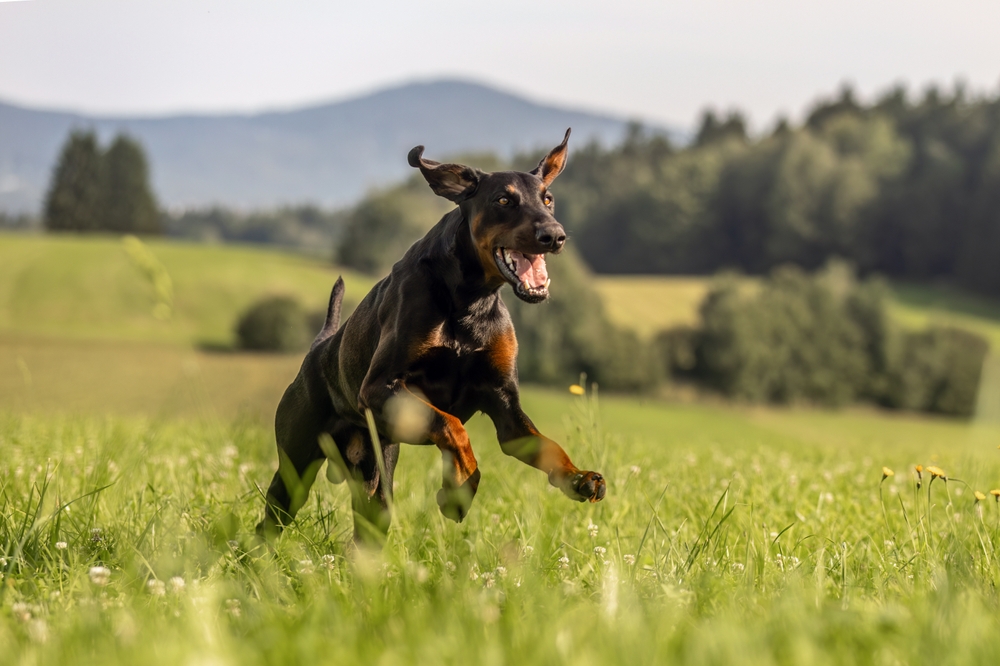
- Genetic predisposition: Shorthaired breeds, such as Boxer, Doberman Pinscher, English Bulldog, German Shorthaired Pointer, Great Dane, Mastiff, Rottweiler, and Weimaraner, tend to develop canine acne at higher rates than other breeds. Other breeds not mentioned can still develop canine acne, but these breeds have been found to be most at risk.
- Trauma to the skin: Damage to the skin of the muzzle region can occur from repetitive itching/rubbing due to an underlying allergy or simply from rough play.
- Age: Canine acne most commonly occurs in young dogs between the ages of 6 months to 1 year old (i.e., the teenage period for dogs).
- Environmental irritants: Some dogs’ skin can react when exposed to certain irritants such as plastic food and water bowls, shampoos, etc.
Similar to humans, the exact underlying cause of a dog’s acne may not be identified, and in many cases, canine acne may result from a combination of internal and external factors.

If you believe your dog is showing signs of canine acne, it is important to visit your veterinarian to have your dog’s skin evaluated. Your veterinarian will typically conduct a physical examination and thorough history regarding your dog’s environment, diet, behavior, and other details.
Since other inflammatory skin conditions can present, like canine acne, your veterinarian may collect skin samples to rule out other possible causes.
- Demodex mites: A parasite causing demodicosis
- Pyoderma: A bacterial infection
- Malassezia: A yeast infection
- Ringworm: A fungal infection
- Puppy strangles: An uncommon skin condition seen in dogs less than 6 months old
How Do I Care for a Dog with Canine Acne?
In most cases, canine acne can easily be managed with proper treatment.
- Topical medication to manage inflammation or infection, such as benzoyl peroxide, antibiotics, or steroids
- Oral medication to manage inflammation or infection, such as oral antibiotics or steroids
- Long-term management for underlying allergies, such as a prescription hypoallergenic diet
The treatment goals of canine acne are to reduce existing inflammation, treat any infection, and prevent future irritation or trauma to the skin in order to limit recurrence. Depending on the severity of the acne and the potential causes, your veterinarian may prescribe your dog several medications to achieve these goals.

In some severe cases, your veterinarian may prescribe antibiotics to clear a secondary infection or prescribe a short course of steroids to help reduce inflammation and discomfort for your dog. It is important to follow your veterinarian’s treatment plan carefully, especially when certain medications like oral antibiotics and steroids are prescribed as stopping treatment early can lead to recurrence, drug resistance, and other issues.
In some cases of canine acne, your dog may have environmental allergies or food allergies contributing to its condition, especially if your dog is rubbing or itching its face. In cases in which there may be an underlying allergic cause, your veterinarian may recommend specific dietary changes (e.g., a strict hypoallergenic food trial), allergy testing, allergy medications (over-the-counter or prescription), and supplements to support the skin.
Since chronic allergies can be a frustrating condition to deal with as a pet owner (and for your dog), it is important to closely follow your veterinarian’s advice to avoid further frustrations and prolonged discomfort for your dog.
Frequently Asked Questions (FAQs)
Is there anything I can do at home to help my dog’s acne?
If you suspect your dog is suffering from canine acne, it is important to visit your veterinarian to have its skin evaluated for an appropriate treatment plan. However, you might be wondering what you can do to prevent canine acne from occurring or recurring, especially if you have a dog who is predisposed to the condition.
- Keep your dog’s skin clean and dry, especially around its muzzle. If your dog’s skin becomes dirty, gently wash your dog’s face with a mild canine-specific shampoo and gently pat the area with a clean towel after bathing.
- Avoid using plastic bowls and instead, use food and water bowls made out of stainless steel or ceramic. Plastic materials tend to cause more irritation to the skin than other materials.
- Monitor your dog’s diet as poor nutrition can contribute to skin and hair coat problems, while food allergies can lead to itchy and inflamed skin. Follow your veterinarian’s dietary recommendations, especially if they recommend hypoallergenic food for your dog.
- Monitor lesions on your dog’s skin and consult your veterinarian if you see any unusual lesions, especially if they seem to be worsening or irritating your dog.
- Avoid the temptation to “pop” any pimples you find on your dog. Squeezing the red bumps can lead to more inflammation or, worse, a secondary bacterial infection.
- Avoid using skin products intended for human acne. Many of these products are far too strong for your dog’s skin. Consult your veterinarian for appropriate over-the-counter products or prescription options).
What if I don’t do anything for my dog’s acne?
For mild cases of dog acne, you may wonder if any treatment is actually necessary. While it is possible that minor cases of folliculitis can eventually resolve on their own, most cases of dog acne usually require some form of treatment.
Depending on the severity, treatment may be mild, like routinely washing and drying your dog’s face or applying a topical product to lesions. In more severe cases with deep skin infections (known as pyoderma), a course of oral antibiotics is often required.

Final Thoughts
Canine acne is a common skin condition in dogs that is usually not serious. However, if left untreated, the condition can worsen, become infected, become uncomfortable or painful, and lead to permanent scarring. If you see signs of canine acne in your dog, it is important to monitor the lesions closely and consult your veterinarian should the lesions persist.
Related reads:
- Cat Chin Mites vs Chin Acne: How Do I Tell the Difference? Our Vet Explains
- 10 Dog Breeds Prone to Skin Problems & Conditions (With Pictures)
Featured Image Credit: Yekatseryna Netuk, Shutterstock