In this article
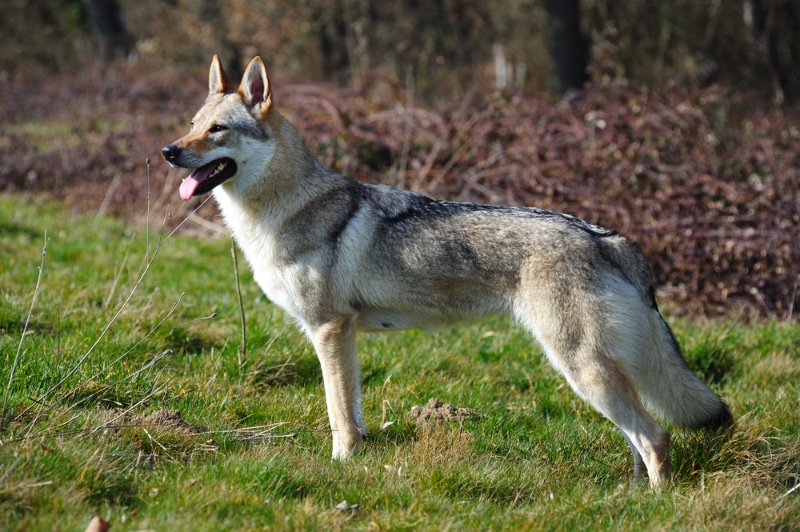
View 4 More +For centuries, dogs and wolves have captivated our imagination with their striking similarities and respective allure. But can these two species actually breed and produce offspring? The answer is a complex yes. Yes, dogs and wolves can interbreed, as they belong to the same genus (Canis), but it is not without issues. Dogs (Canis lupus familiaris) and wolves (Canis lupus) share a common ancestor and are closely related species. When dogs and wolves mate, they can produce hybrid offspring known as wolfdogs, wolf-dog hybrids, or wolf hybrids.
However, it’s important to note that while dogs and wolves can mate and produce viable offspring, there are significant differences between the two species in terms of behavior, social structure, and genetics. Wolfdogs are generally difficult to manage and are not recommended as domestic pets due to their challenging character and behaviors. Their breeding is also governed by many regulations and restrictions due to their potential risk to others. Read on as we look into these hybrid dogs further.

The Relationship Between Dogs and Wolves
Dogs and wolves share a common ancestor, making them genetically closely related. However, over thousands of years, dogs have been domesticated from wolves, resulting in the vast array of breeds we see today. While some dogs and wolves may look similar, they have distinct differences due to selective breeding and are very different in their natures.
What Is a Wolfdog?
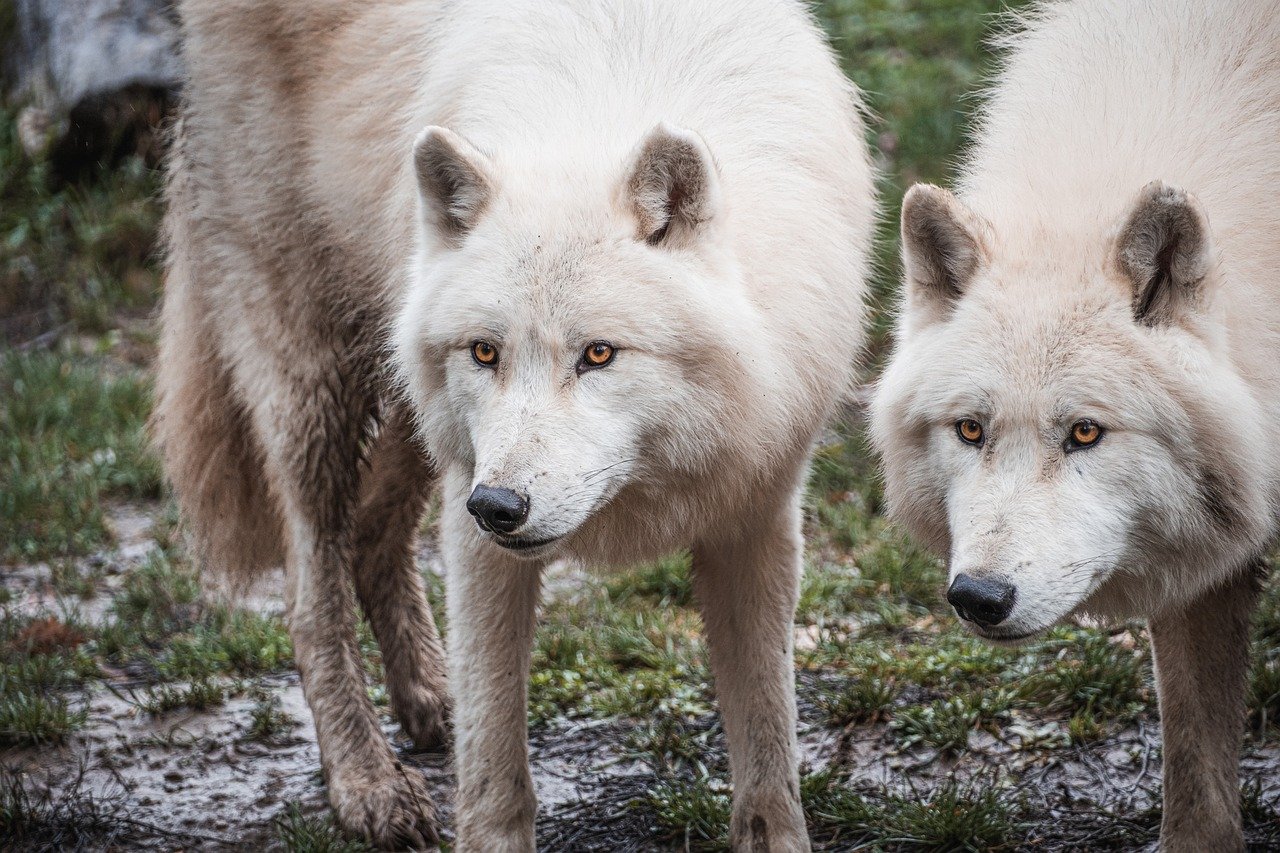
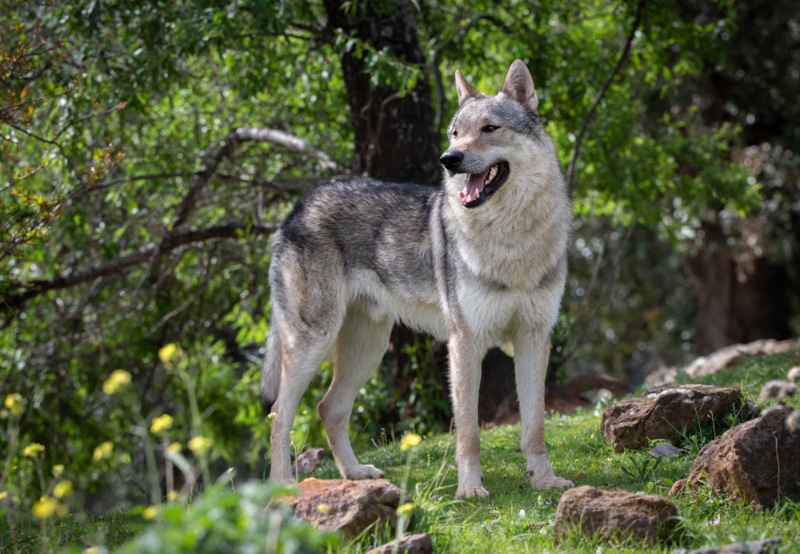
A wolfdog is a sometimes-legal hybrid (depending on the country and state) that can be kept as a pet. They are often half dog and half wolf and are described as a dog with one full-blooded wild wolf as a parent, while the other parent is a domesticated dog. However, they can also occur between a pure wolf and a wolfdog or two wolfdogs. The result is a dog with a more wolf-like appearance, which appeals to many people, but they are also packaged with many of the wolf’s natural instincts.
Often, a German Shepherd, Malamute, or Husky is bred with the wolf to produce these canines. Successful mating is almost exclusively done through human manipulation. Testing is available to check your dog’s genetic makeup and is powerful enough to detect wolf hybrids within three generations.
Ethical Considerations of Breeding Dogs With Wolves
Producing wolf hybrids raises questions about the welfare of both the dogs and the wolves involved. Wolves have specific social and environmental needs that may not be adequately met in a domestic setting. Similarly, the hybrid offspring often have behavioral traits and needs that are too challenging for owners to manage, as even the most experienced dog handler can struggle with wolf hybrids. This raises concerns about the well-being and quality of life of these animals.
The ethical considerations surrounding dog-wolf breeding are multifaceted. On the one hand, it is argued that creating hybrids can help preserve wolf-like traits and characteristics in domestic dogs. Hybridization can provide a unique opportunity to study and learn from these animals, contributing to our understanding of both species.
On the other hand, critics say that breeding dog-wolf hybrids is ethically problematic. They believe that such practices can lead to the exploitation of animals, compromising their welfare and perpetuating harmful stereotypes about wolves. There is also concern that the demand for hybrid dogs may contribute to illegal wildlife trade and further endanger wild wolf populations.
What Is the Impact of Wolfdogs on the Wolf Population?
One of the most significant concerns surrounding wolf hybrids is the potential impact on already endangered wolf populations. This type of breeding can dilute the population of wild wolves and their genetics, making it more challenging to conserve and protect these animals. The introduction of dog genes into wolf populations can disrupt natural selection processes and weaken the diversity of wild wolf populations.
Conservation efforts aimed at preserving wolves and their communities are critical for maintaining the natural world, but breeding wolf hybrids can divert attention and resources away from these efforts. Potentially, breeding wolfdogs can sadly jeopardize the survival of the wild wolf.
Should You Have a Wolfdog as a Pet?
For those considering owning one of these appealing dogs, responsible ownership and breeding practices are of utmost importance. It is not generally recommended or advised that wolfdogs be kept as pets, especially when there are so many other breeds and crossbreeds available.
While dogs have been domesticated by adapting to live with humans over the centuries, wolves have not, and owning one, particularly in the U.S.A., is filled with controversy, contention, and legal and ethical considerations.
Wolfdogs require specialized care and attention to meet their demanding and difficult temperaments, health, and genetics. They are somewhat of a loose cannon, are territorial, and require high amounts of attention. On top of that, they require unique nutritional needs and veterinary care that you may not be capable of providing. Many people have found that wolfdogs are unmanageable, and sadly, every year, many are abandoned, rescued, or euthanized. In fact, 90% of wolfdogs and wolves kept as pets are euthanized by 2 years old.
Breeding of wolfdogs must only be undertaken by knowledgeable individuals who have a deep understanding of both dog and wolf behavior, genetics, and welfare. The well-being of any animal must be prioritized over personal interests or financial gain.
Legal Regulations and Restrictions on Breeding Dogs With Wolves
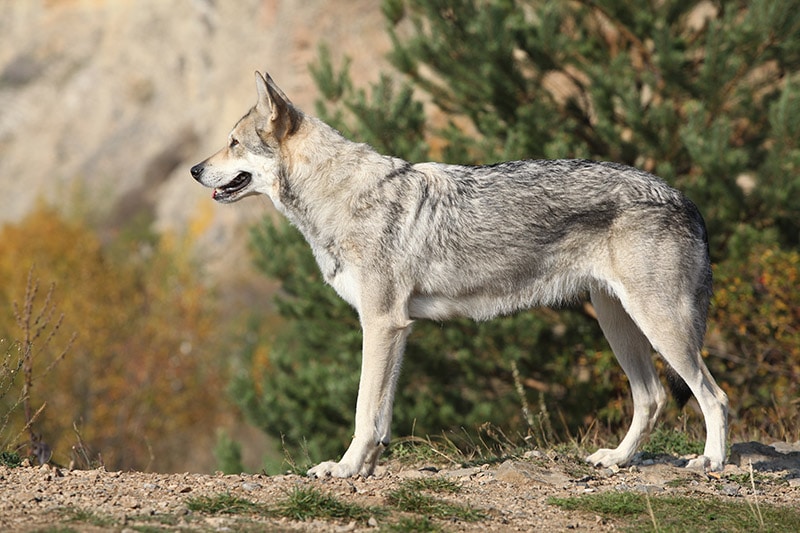
Due to the ethical concerns and potential risks associated with breeding these hybrids, many jurisdictions have implemented legal regulations and restrictions on breeding wolfdogs. These regulations aim to ensure the welfare and protection of all. For example, while in the U.K., two types of wolfdog are legal if they are three generations away from the original wolf parent, this may not be the case where you live, and your own research must be conducted.
Some countries and states may prohibit these breeds altogether, or they may have strict regulations, requiring permits and specialized facilities, and violating any of these laws can result in hefty legal consequences.
Alternatives to Breeding Dogs With Wolves
Rather than breeding dogs with wolves, there are other ways to promote the conservation of wolves and still appreciate their unique traits. Specific organizations make great efforts to do this and impart these wonderful creatures to the world in humane ways. They instigate and evolve public education, restore the wolf’s natural habitat, and conduct research projects aimed at understanding and protecting wolf populations.
Instead, you might consider adopting or purchasing wolf-like breeds, such as the Alaskan Malamute, Siberian Husky, or Swedish Vallhund.
Conclusion
While it is possible to breed wolves and dogs, the question of whether we should remains controversial. This is due to the difficulty of managing these hybrids. Most vets, for example, will advise against owning one of these crossbreeds. Perhaps exploring dog breeds that resemble wolves but are not hybrids, such as the Malamute or Siberian Husky, can satisfy the desire for a wolf-like companion without contributing to the ethical entanglement.
See Also:
- Czechoslovakian Wolfdog
- What Dog is Closest to a Wolf Genetically? Breeds & Facts
- Can Cats and Dogs Mate? Vet-Verified Facts & Info
Featured Image Credit: gloverk, Shutterstock