Are My Dog’s Nails Too Long? How to Tell & What to Do (Vet-Approved Tips)


In this article
Trimming your dog’s nails is probably not your favorite dog-related chore. Pups usually fidget, many actively dislike having their paws touched, and there’s the potential that you accidentally snip the quick!
It’s easy to put off cutting your dog’s nails until they become too long. You can tell that they’ve gotten to this point when you can hear them clicking on the floor or if they’re curling in toward the paw pads.
Here, we discuss more details about the appropriate length of dog nails and how often you should trim them.

How to Tell That Your Dog’s Nails Are Too Long
There are several indicators that your dog’s nails are too long.
1. You’re Getting Scratched
You shouldn't be getting scratched when your dog paws at you or attempts to jump in your lap. But if you are, this is usually an indication that the nails need a trim.
2. They’re Clicking on the Floor
If you hear your dog’s nails clicking loudly when they walk or even making a dragging sound, they need a nail trim sooner rather than later.

3. The Nails Curve Toward the Pads
Your dog’s nails should be level with their paws, so if they are curling in toward the paw pads, they are far too long.
4. Your Dog Is Limping
Nails that are too long can cause dogs pain, so if your pup has been limping or walking fairly gingerly, you should check their nails.
5. Your Dog Slips on the Floor
When the nails are overly long, it can prevent your dog from putting pressure evenly on their pads. This can cause the dog to slip on smooth floors because the paw pads aren’t available to provide as much traction. This is dangerous for the dog because slipping and falling could lead to fractures or injuries to the joints or other parts of the body.

6. Your Dog Is Excessively Licking Their Paws
Dogs tend to regularly lick and bite their paws but will do this more often if they are experiencing pain or discomfort. Check their paws: If the nails seem a little long, they might be the culprit.

How Long Should Your Dog’s Nails Be?
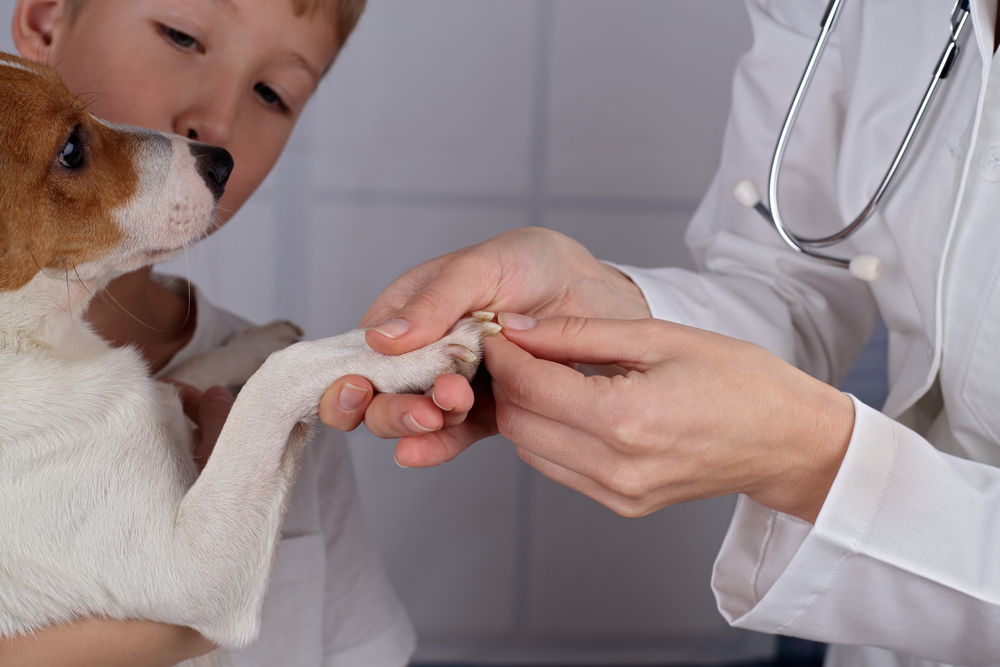
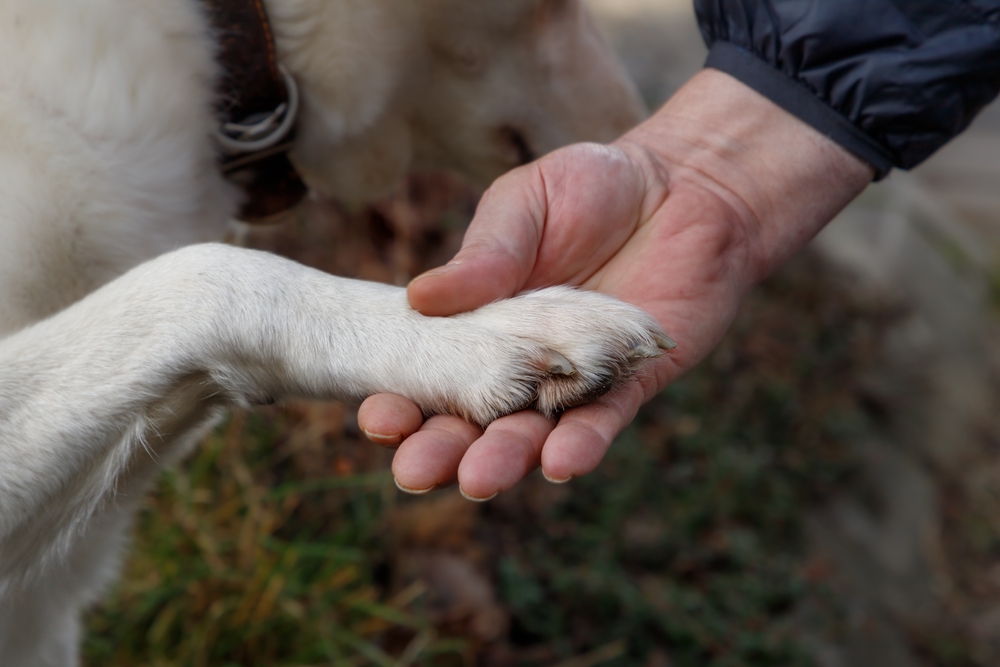
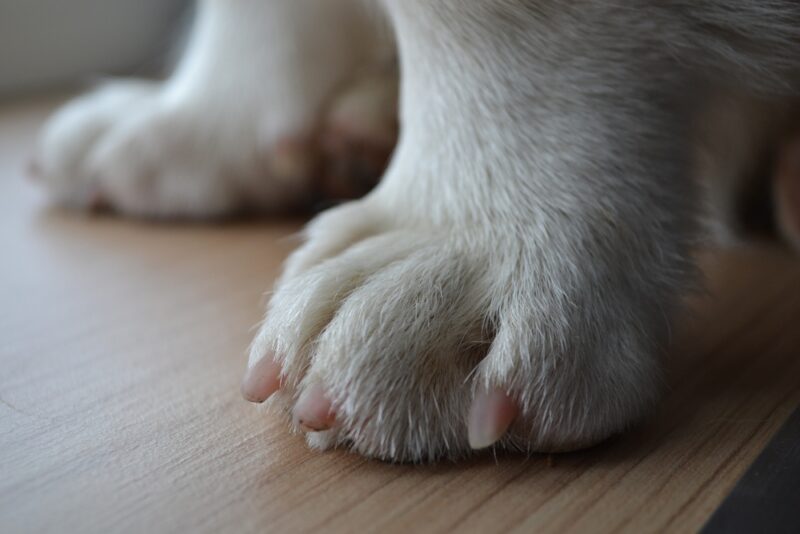
Your dog’s nails should be visible but not extend past the paw. It is more challenging to see nails on the paws of long-haired dogs, but the moment that you see the nails extend past the paw, they need a trim.

Why Is It So Important To Trim Your Dog’s Nails?
- Long nails are painful when they hit a hard surface, like pavement.
- Long nails can change your dog’s posture and gait, which can cause inflammation and pain in their joints.
- When nails grow long enough, they can curl toward the pads and eventually penetrate them. This will be quite painful and can lead to infection.
- Older dogs or dogs with joint issues like arthritis are more likely to slip and fall and injure themselves if the paw pads aren’t touching the ground properly to give them the required traction.
- Long nails are more likely to catch on things like carpets or blankets and tear off.
- Long nails are vulnerable to splitting, which can expose the quick and lead to pain and an infection.
The Quick
Each dog nail has a blood vessel and nerve bundle that runs through it. The less often the dog’s nails are trimmed, the longer the quick can extend into the nail. If you accidentally nip the quick while trimming one of your dog’s nails, it is painful and will bleed, which will only make your dog more nervous about nail trims.

What Should You Do If Your Dog’s Nails Are Too Long?
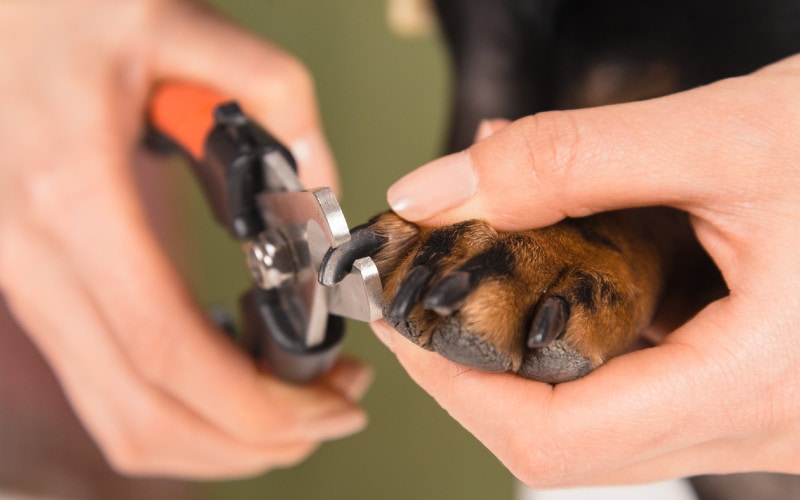
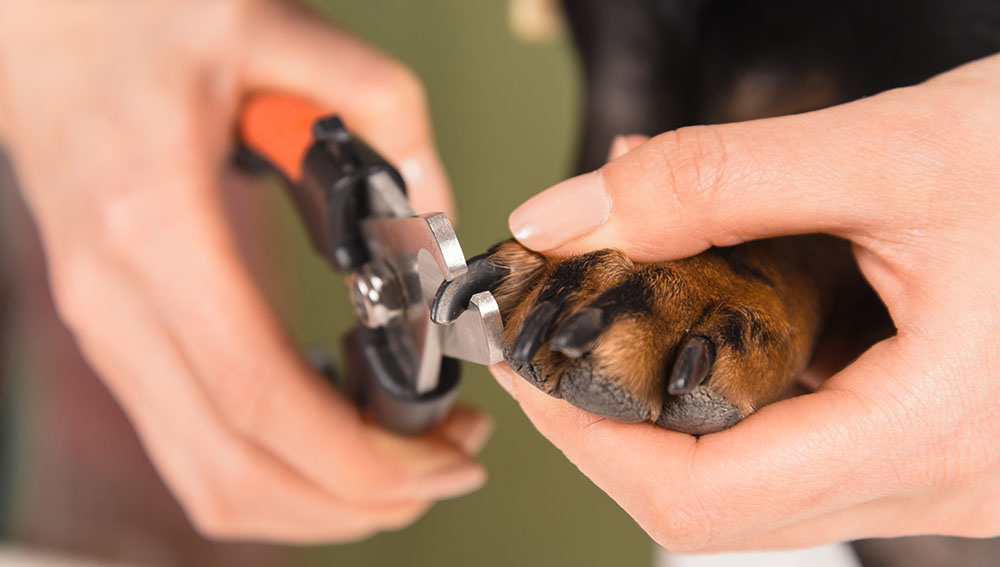
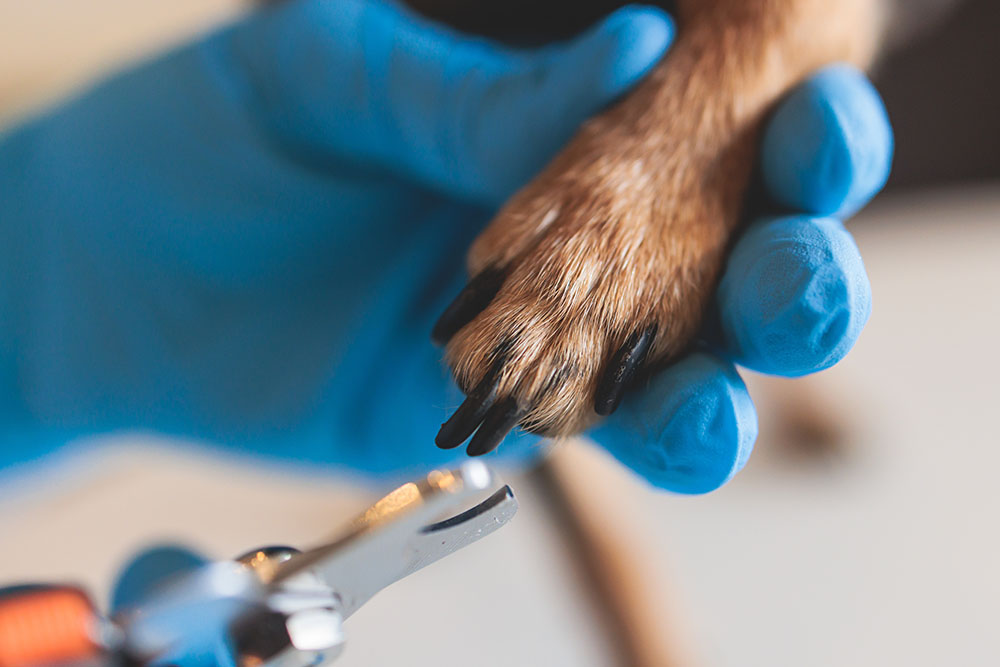
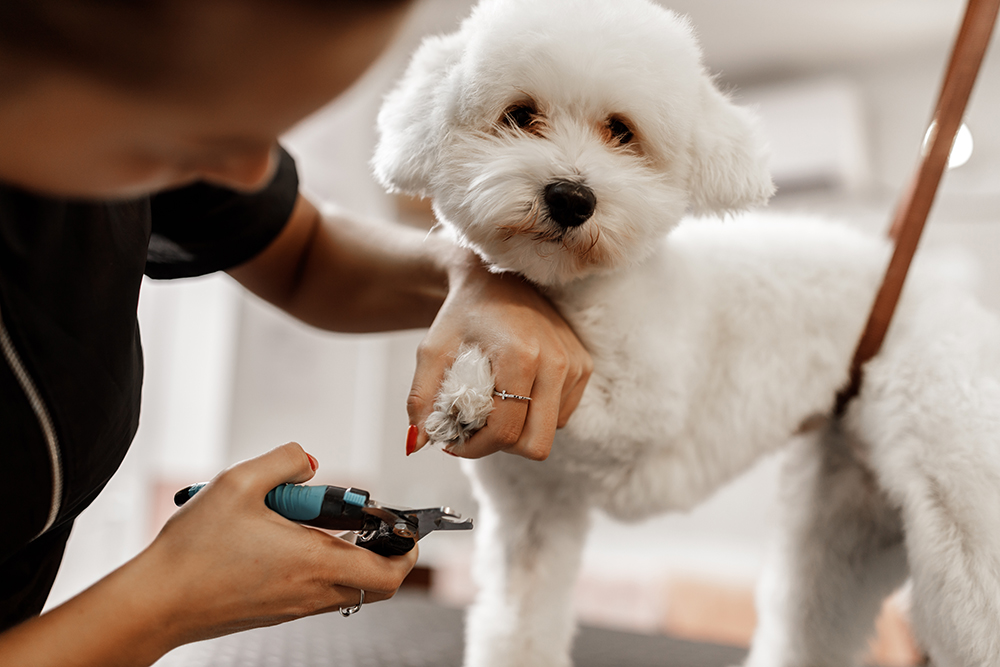
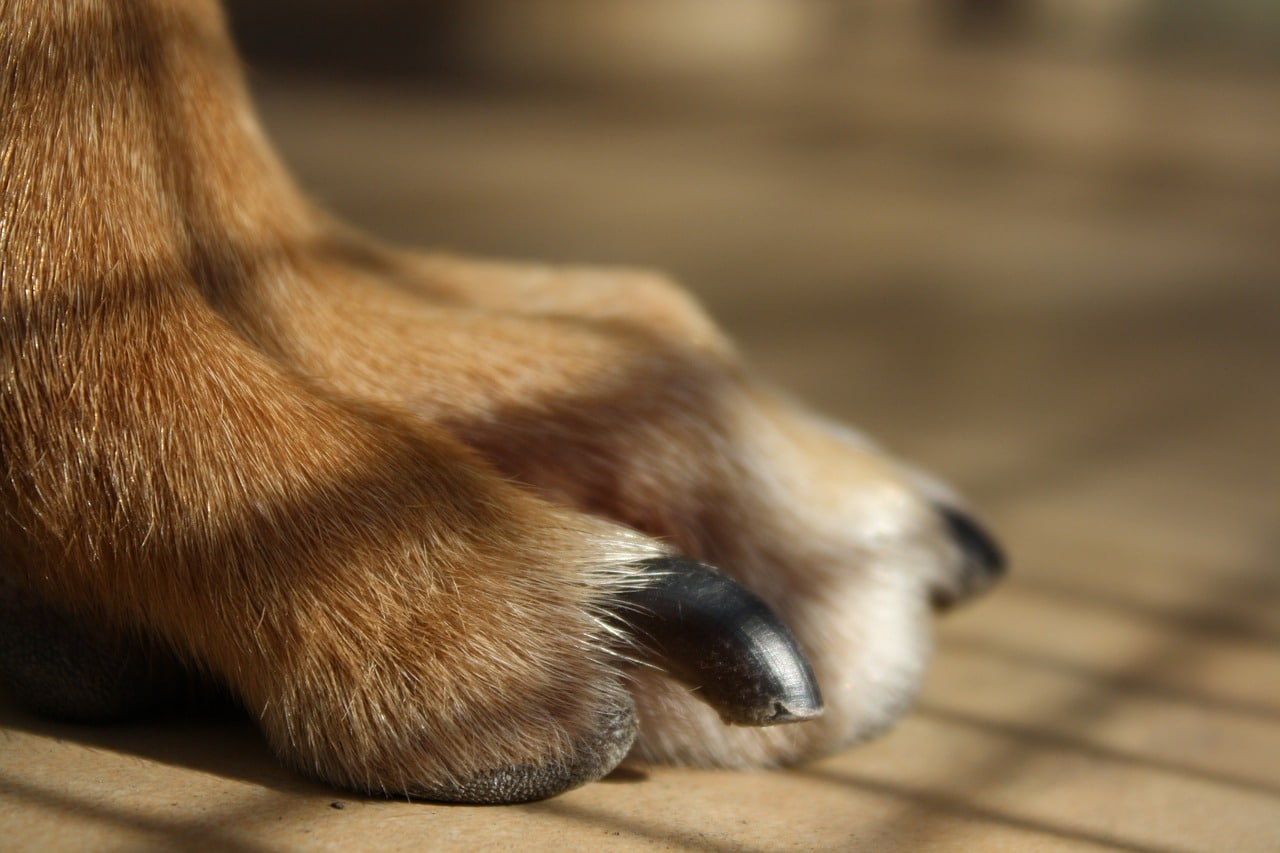
If your dog’s nails are very long, your best bet is to have them trimmed by a vet or a groomer, especially if your dog has black nails, as it’s nearly impossible to see the quick.
Since the quick can be almost as long as the nail, trimming must be done slowly and carefully. You should only take off tiny bits of the nail at a time. After each cut, take a look at the nail: If you see a grayish oval or black dot in the center, this is the quick, and you should stop cutting.
A general rule of thumb is to trim tiny amounts from the nail’s tip about once a week, which should allow the quick time to recede. Definitely consult a vet for further guidance.
If you’re lucky enough to have a dog with translucent/light-colored nails, you will be able to see the quick, which will make it much easier to gauge how much of the nail you can trim.
How Often Should You Trim Your Dog’s Nails?
To keep your dog’s nails at an appropriate length, you should trim them at least every other week or every week. But this depends on the dog and other factors, such as:
- Walking surfaces: If your dog is active and walks and runs often, particularly on rough and hard surfaces like asphalt, their nails will naturally wear down. If your dog isn't that active (like a toy breed in a sedentary household), they will need more frequent nail trims.
- Activities: Like with walking, if your dog does a great deal of running and digging or takes part in dog sports (like agility), their nails will typically need less frequent trimming than those of a lap dog.
- Health conditions: Some dogs are more prone to certain health conditions that impact the health of their nails. These can include allergies, fungal and bacterial infections, and auto-immune disorders.
- Diet: Dogs that eat a nutritionally balanced diet of high-quality food are more likely to have strong and healthy nails. A poor diet can lead to weak and brittle nails that may need more frequent trimming.
What About the Dewclaw?
The dewclaw is found on the inner part of the leg, a little higher up than the other nails, and is sort of like the “thumb” on the front legs and the “big toe” on the hind legs.
Since dewclaws don’t have much contact with any surfaces, they can grow and curl back until they become embedded in the dog’s legs. It’s essential to trim the dewclaw when trimming the rest of the nails.

What Should You Do If You Cut the Quick?
Whenever you’re trimming your dog’s nails, particularly if they are long, you’re at risk of accidentally cutting the quick. You should have something like styptic powder on hand for every nail trimming session, as it will help stop the bleeding. You can also apply cornstarch in a pinch.
Once the bleeding stops, you might want to take a break or try it again another day. Be sure to give your dog treats and praise.
Grinding or Clipping?
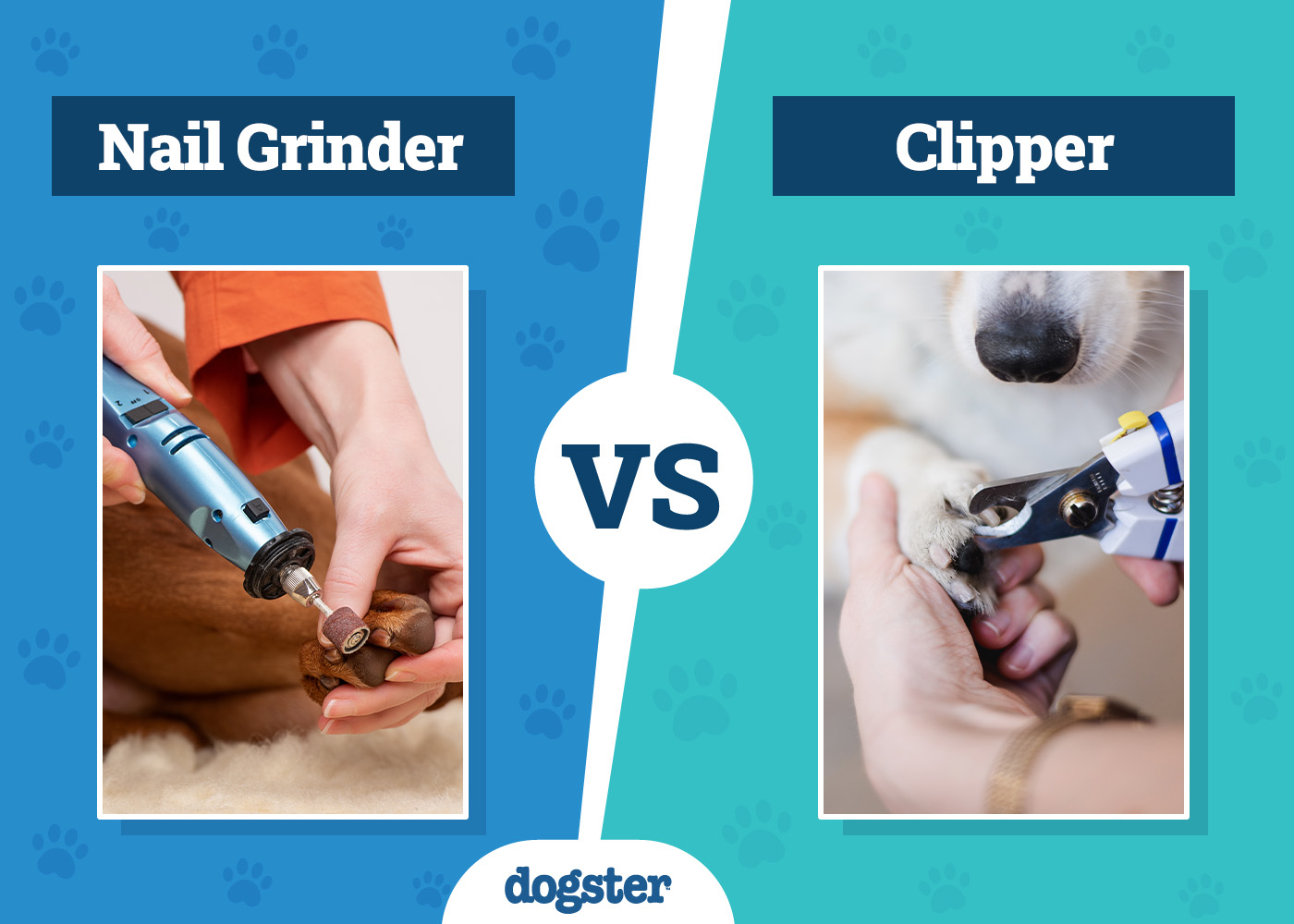
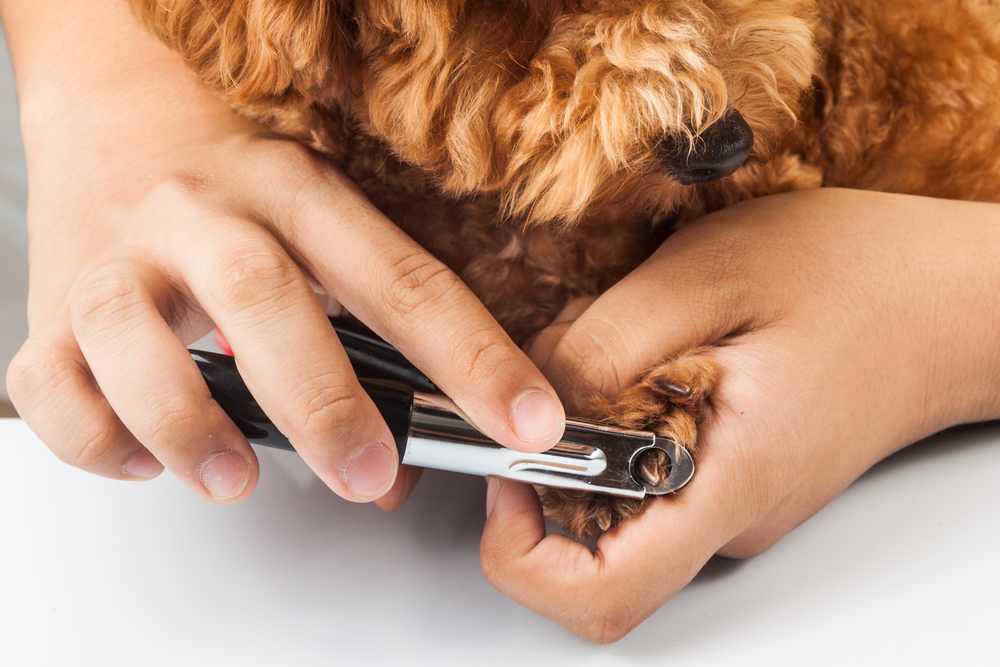
There are advantages and disadvantages to either clipping or grinding a dog’s nails. Many dogs get nervous with the sound and pressure that nail clippers make, which can be loud and jarring. The vibration and sound of grinding might also scare dogs.
When it comes to trimming long nails, grinders definitely have an advantage. They enable you to grind the nails slowly while you keep an eye out for the quick. Grinders can also leave a smoother nail with less chance of splitting, which some nail clippers might do (if they aren’t used properly or are the wrong kind).
One disadvantage of grinders is that they take longer to use. If your dog isn't patient about having their paws held, nail clippers might be the better option.
Speak to your vet if you are unsure which is best: You and your dog must be comfortable with whichever option you choose.

Conclusion
Clicking when walking, curling toward the pad, or catching on blankets are all indications that your dog’s nails are too long. If you’re unsure what a healthy length for your dog’s nails is, speak to your veterinarian or groomer.
When it comes to trimming long nails, slow and steady is the only way to go. It will take a while to get the nails to the right length because this is a process that must not be rushed. If your dog’s nails are long and you’re nervous about the whole quick thing, make an appointment to see your vet or groomer.
The most important thing is to purchase the right clippers for your dog's size or become familiar with using a grinder. You can also try putting nail-trimming days in your calendar as a reminder.
As long as you trim your dog’s nails regularly, though, you shouldn’t encounter any major issues, and your dog's paws should be in excellent condition.
See also:
Sources
Featured Image Credit: ulisesbeviglia, Unsplash
Expert dog care, straight to your inbox
Vet-reviewed advice, training tips, and the best of Dogster. Free, and you can unsubscribe anytime.
By signing up, you agree to our Terms & Conditions and Privacy & Cookies Policy.
Kathryn was a librarian in a previous lifetime and is currently a writer about all things pets. When she was a kid, she hoped to work in a zoo or with wildlife in some way, thanks to her love for animals. Unfortunately, she's not strong in the sciences, so she fills her days with researching and writing about all kinds of animals and spends time playing with her adorable but terribly naughty tabby cat, Bella. Kathryn is hoping to add to her family in the near future – maybe another cat or two and a dog.
Join the conversation
Ask a question, share your story, or send private feedback.