How to Stop My Dog Playing Rough With Other Dogs: 8 Vet-Approved Tips


In this article
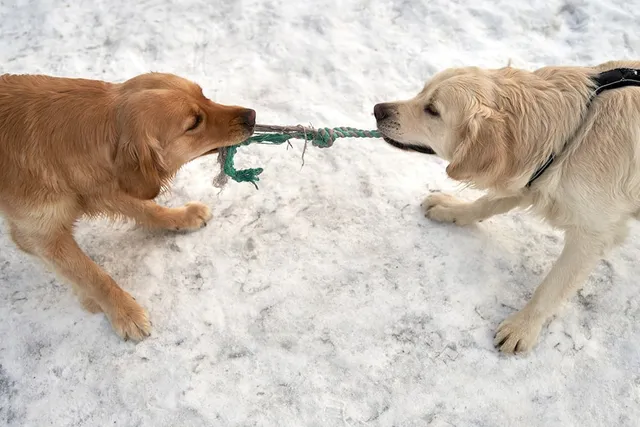
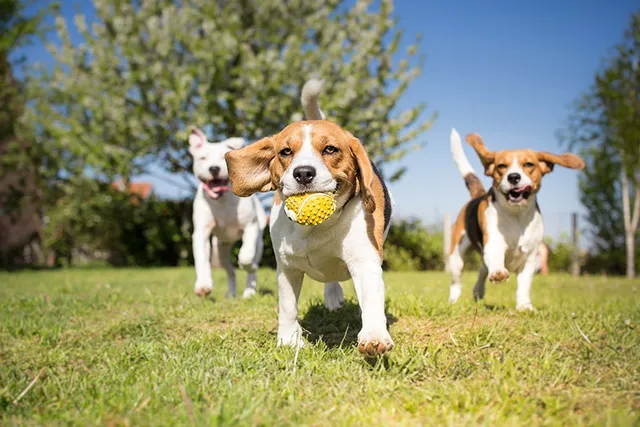
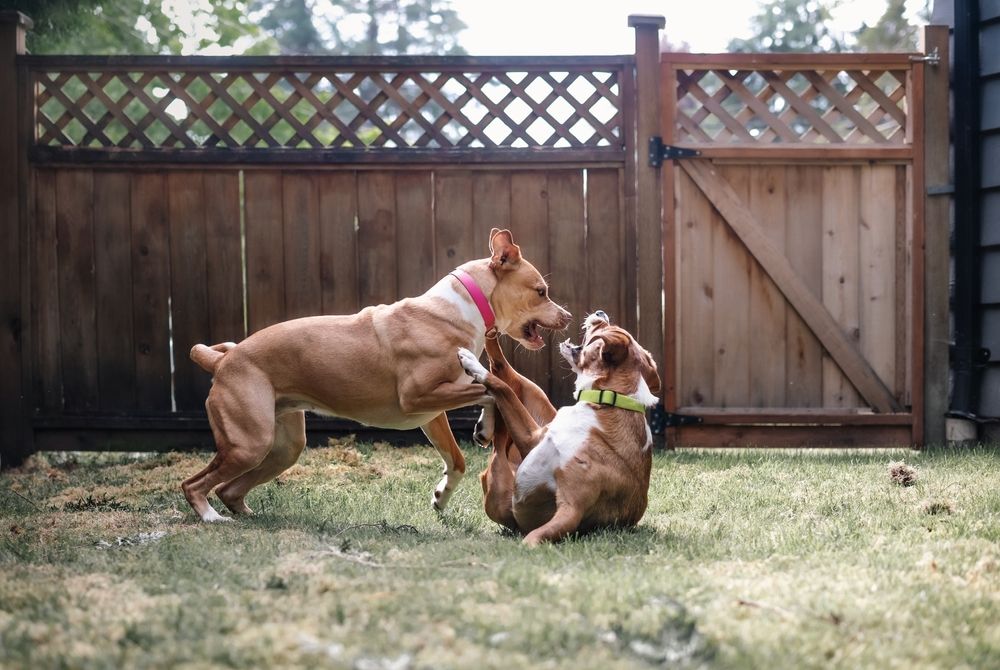
It's normal for dogs to play with one another. It’s a way for them to socialize, exercise, and entertain themselves, especially when they are young. However, a fun play session could quickly become too rough and potentially lead to one or both dogs becoming aggressive.
They might start by playfully chasing each other, but the next minute start growling and snapping when playtime becomes too rough. This could happen when one dog becomes overly excited or crosses one of the other dog's boundaries. Regardless, it's important to know how to stop your dog from playing too rough with other dogs.
Let’s dive into eight tips you can follow to stop your dog from playing rough with other dogs.

The 8 Tips to Stop Your Dog Playing Rough With Other Dogs
1. Establish a Good Recall

Teaching your dog a reliable recall will be helpful for various situations but can help stop them when they play rough with other dogs. A recall is a word or phrase that is taught during training and used to get your dog to come to you when called. This could be something simple like “come” or “here”. It is one of the most important commands you can teach a dog not only during playtime but to keep them safe as well.
By recalling your dog when they are playing too roughly with another dog, you are signaling them to stop and return to you so that you can redirect their play.
2. Separate Them When Necessary
When playtime becomes too rough, you may need to separate the dogs to give them a chance to calm down. They might only start winding down after playtime if they are no longer in each other’s presence. You can either place them in separate rooms or a crate depending on what they are more familiar with.
It’s a good idea to supervise your dog when they are playing with other dogs so that you know when to separate them.
3. Use a Leash

If your dog has an issue with playing too rough with other dogs, you should ensure that they wear a harness so you can easily attach a leash when necessary. This will be helpful to gain better control of the situation, whether that means separating the dogs or simply opting for calmer play.
The owner of the other dog should have a leash nearby for their dog too, so that they can easily get control of their dog when needed.
4. Offer Them a Distraction
A distraction may be useful to redirect your dog’s focus away from playtime if you notice things are getting too intense. The distraction could be a tasty treat, chew toys, or even a sudden loud noise. Once they are distracted, you can attach a leash and separate them if necessary.
It can be tricky to capture your dog's attention if they are overexcited during playtime, so choose a distraction that they will respond to.
5. Positive Reinforcement

It is important to reinforce your dog's good behavior when they are playing nicely with other dogs. This training method allows dogs to associate certain behaviors with a reward so that they are more likely to perform them again. It focuses on reinforcing good behavior rather than punishing them for bad behavior. In this case, you want to reward your dog when they are playing with other dogs properly and not roughly. The reward could be in the form of a high-value treat or toy.
Puppies can benefit from positive reinforcement training when they are still learning the boundaries of playtime. This helps set them up for more desirable behaviors from them as adults so that it doesn’t lead to roughhousing.
6. Place an Umbrella Between Them
Most situations where dogs are playing too rough can be stopped by a distraction or recall, but more intense situations could require a physical barrier. The umbrella ensures that the dogs can no longer see or interact with each other and helps keep you out of harm’s way. It then gives you time to separate them to prevent any further injuries.
7. Spray Them with a Hose

In certain situations, spraying your dog with a hose can help distract them from their play. Of course, this is best done in the backyard and won’t likely be available at the dog park.
Most dogs won't be too interested in continuing playtime after being sprayed with a hose, but it is still a good idea to separate them so they can calm down.
8. Avoid Letting Your Dog Play in Larger Groups
It isn’t a good idea to let your dog play in large groups if they easily become overexcited during playtime. It is more difficult to supervise your dog playing in larger groups, so you could miss the signs that they are playing too rough. Furthermore, it isn't easy to break up a larger group of dogs that are playing roughly and things could escalate into something more serious.
It is better to let your dog play with one to two other dogs that they have been socialized with if they have a history of playing too roughly.
How to Recognize When Playtime Is Becoming Too Rough
It can be slightly difficult to differentiate between normal canine play and play that’s too rough or leads to fighting. Paying close attention to your dog's body language and vocalizations is essential if you want to recognize when they are playing rough with other dogs.
It is normal for dogs to show mild forms of aggression during playtime, such as barking, nipping, and chasing. You will notice that their body language is loose and exaggerated, and they willingly fall or roll over when they have been caught in the chase.
Most dogs will take turns fighting with one another and there are usually no injuries involved. However, when one dog begins playing too roughly, you may notice the following changes in their body language and vocalizations.
- Stiff movements
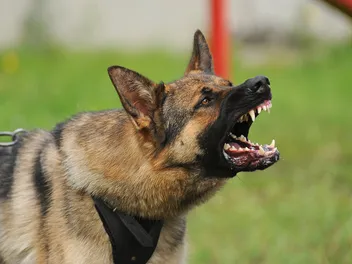
- Baring teeth/snarling
- Raised hackles
- Deeper, more drawn-out growling
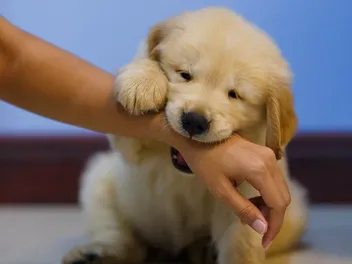
- Biting that makes the other dog react in pain
- Increased growling and barking
- One dog tries to flee out of fear
- Dominating behavior, such as pinning
Conclusion
Playtime is a fun way for dogs to socialize and interact with each other. However, some dogs can become overexcited during playtime and play too roughly with the other dogs. This could put them at risk of injuring each other, so you should stop the rough playing before it gets heated.
The main ways you can do this is by offering the dogs a distraction, such as calling them to you or a treat, or separating them so that they lose focus. Positive reinforcement training should be used when teaching your dog how to play nicely with other dogs. Establishing a reliable recall can be incredibly beneficial to get your dog to stop and come to you when they play too rough.
Sources
Featured Image Credit: sophiecat, Shutterstock
Expert dog care, straight to your inbox
News, insights, expert advice, and everything dog.

No spam — unsubscribe anytime.
By signing up, you agree to our Terms & Conditions and Privacy & Cookies Policy.
How useful was this post?
Click a star to rate. You can leave written feedback afterwards. (We read all feedback.)
Sarah lives in South Africa with her partner and pets. She is currently interested in veterinary science and ichthyology, which she wants to study alongside her main passion: pet content writing. Sarah has over 60 fish including: goldfish, tropicals, shrimp, and snails. She also keeps hamsters and a tarantula. Sarah wishes to provide quality content to readers and allow others to learn from her experience and knowledge. Sarah has much experience in all aspects of pet care. Providing the world with the knowledge on ethical pet ownership is her lifelong dream.