Allergies in Dogs: Causes, Signs & Treatment



For most people, part of every year involves buying extra tissues as the nose starts to alternate between running and stuffing up, and sneezes become a regular occurrence. But allergies affect more than just humans. In fact, many of the same things that cause allergies in people can cause allergies in dogs too. However, in dogs, allergy signs most commonly affect the skin.
Allergies are a common cause of red, itchy skin and ears and can make your dog very uncomfortable. Therefore, you need to understand what allergies can look like in dogs, what causes them, and how to treat them. In this article, we cover all these important topics so you’re prepared to deal with your dog’s allergies whenever they arise.

What Are Allergies in Dogs?
An allergy is when the dog’s immune system responds inappropriately to a substance that would normally be harmless (the allergen). When allergens are inhaled, or absorbed through the gastrointestinal tract or skin they stimulate the immune system and it overreacts.
Allergies can manifest in various ways with the most common in dogs being irritated skin and digestive issues.

Three Common Types of Allergies in Dogs
The things dogs are most commonly allergic to can be categorized into three main groups. However, dogs may be allergic to multiple allergens from different groups.
Flea Allergy
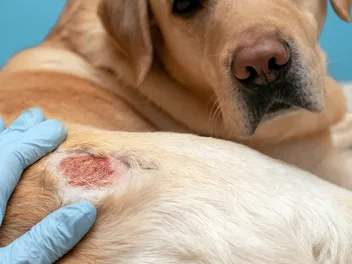
Some dogs suffer from flea allergic dermatitis (FAD) and are allergic to flea saliva. Fleas inject a small amount of saliva into the skin when they bite, causing dogs to be itchy and develop red spots and rashes. Dogs with FAD don’t need to be heavily infested with fleas to be itchy, only one or two flea bites can cause a lot of irritation.
Food Allergies
Food allergies aren’t as common as many dog owners believe. You’ll often hear people talking about their dog’s food allergies, but generally, these are sensitivities and not allergies.
Dogs tend to be allergic to animal proteins such as beef, chicken, and dairy, but they can develop allergies to any ingredients they have had before. Skin problems and tummy problems are the most common signs of a food allergy in dogs.
Environmental Allergies
Canine Atopic Dermatitis is an allergic skin disease to things in the environment that can run in families. Dogs can be allergic to things like house dust mites and storage mites. These are tiny and invisible and cause itch all year round.
Other dogs have seasonal allergies, much like people with hay fever, to things such as grass, weed, or tree pollen. This means they may only be itchy at certain times of the year. Unfortunately, many poor pups have more than one trigger.

What Is an Acute Allergic Reaction?
This is often the most worrisome type of allergic reaction. Acute allergic reactions are sudden and severe and can be life-threatening if treatment is not administered quickly. Similar to humans, dogs can go into anaphylactic shock with the most severe reactions, though this is relatively rare with canines.
Common triggers include insect stings (like bee or wasp stings), some medications, and vaccines. Signs include swelling of the face, ears, and lips, hives, excessive salivation, and sudden vomiting and diarrhea. Severe reactions can cause difficulty breathing and collapse. If you see any signs of an acute allergic reaction contact your vet immediately.
Common Allergy Signs in Dogs
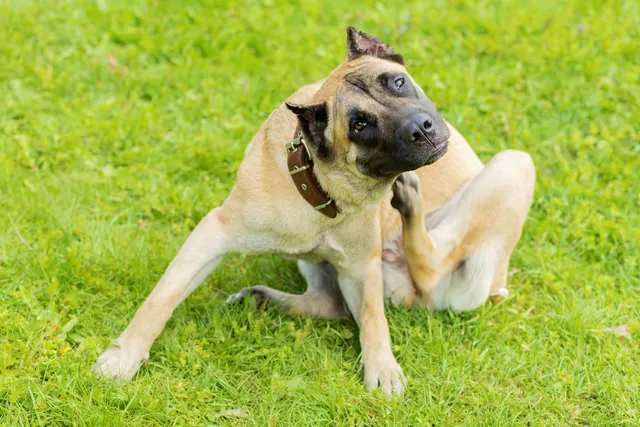
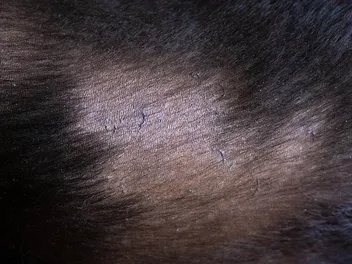
Regardless of the allergen, in dogs itchy skin is the most common sign that is associated with allergies. This leads to scratching, chewing, or nibbling at their skin, hair loss, and rashes. The gastrointestinal tract can also be affected (particularly with food allergies) and dogs may suffer from vomiting and diarrhea.
Some dogs also suffer from allergic conjunctivitis leading to watery eyes and may also have a runny nose.
The most common signs of allergies in dogs include:
If you suspect that your dog suffering from an allergic reaction, contact your vet.
How to Diagnose Allergies in Dogs
Since many of the allergy signs in dogs are similar to those that they might present for other conditions, you’ll need to work closely with your vet and take a step-by-step approach to diagnosis. Your veterinarian will first take a detailed history and examine your dog. They will rule out things like fleas and mites and will likely advise regular, effective flea control.
If your pup is itchy all year round and there is a suspicion of a food allergy you may be asked to put your dog onto an elimination diet with a new source of protein they have not had before, or a special hydrolyzed diet (where the proteins have been broken down so small they don’t upset the immune system).
Allergy skin testing and blood tests are also available to further narrow down the culprits of your dog’s allergic signs. This enables more tailored treatment options to be given.

Treatments for Allergies in Dogs
Several treatments are available for dogs with allergies, and the one that your dog needs depends on what is causing their allergies. Some of the different therapies available include:
Anti-itch medications: These come in the form of tablets, liquid, monthly injections, and topical sprays or creams. Different ones may need to be tried because not every medication works for all.
Immunotherapy (Allergy vaccine): If your dog has had allergy testing then a vaccine can be made specifically for your dog containing allergens they are most allergic to. It works by giving slowly increasing amounts of the environmental allergens gradually desensitizing your pup to them. It can take 9 months or longer to have a good effect and is not effective in all dogs.
Topical treatments: Normal bacteria and yeasts that live on your pup’s skin can take advantage of an allergic dog’s weaker skin barrier and cause infection. Antibacterial and antifungal shampoos, foams, wipes, and pads are available and your vet may recommend a regular washing regime to keep them at bay.
Avoiding the allergen/reducing exposure: If your dog is allergic to a certain protein then they can be fed a special diet to avoid the offending allergen. If your dog is allergic to things like house dust mites, you can reduce exposure, but you cannot avoid them completely. Washing bedding on a hot wash and avoiding soft furnishings, carpets, and bedrooms can help reduce the number your dog comes into contact with.
Regular flea control: Speak to your vet for advice on the right product for your dog.
Final Thoughts
While there is no way to prevent your dog from developing allergies, there are some excellent treatment options available. Dogs can be allergic to many things from foods and fleas to things in the environment like pollen.
Working with your vet to get a proper diagnosis is essential to choose the correct preventative measures and tailor treatment options for your pup.
See Also:
Featured Image Credit: ARVD73, Shutterstock
Expert dog care, straight to your inbox
News, insights, expert advice, and everything dog.

No spam — unsubscribe anytime.
By signing up, you agree to our Terms & Conditions and Privacy & Cookies Policy.
How useful was this post?
Click a star to rate. You can leave written feedback afterwards. (We read all feedback.)
An avid outdoorsman, Dean spends much of his time adventuring through the diverse terrain of the southwest United States with his closest companion, his dog, Gohan. He gains experience on a full-time journey of exploration. For Dean, few passions lie closer to his heart than learning. An apt researcher and reader, he loves to investigate interesting topics such as history, economics, relationships, pets, politics, and more.