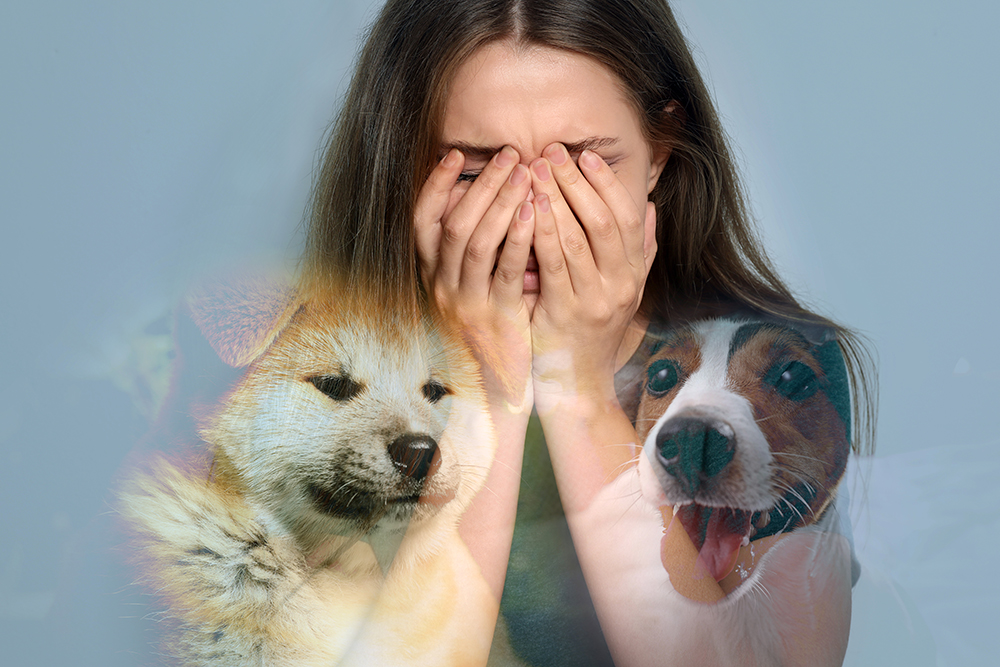
It may be shocking to learn that some people have an extreme fear of dogs, also known as cynophobia. The word comes from “cyno,” which means “dog” in Ancient Greek, and “phobia,” which comes from the Ancient Greek word, “phobos,” which means fear. This extreme fear is considered a specific anxiety disorder, meaning that sufferers have an extreme reaction to a specific trigger—in this case, dogs. Genetic factors, environmental factors, a predisposition to mental illness, and past negative experiences may all play a role in why some people have cynophobia.
People with this phobia may go out of their way and alter their routine just to avoid dogs, such as not meeting with neighbors or relatives who own dogs. Like other phobias, cynophobia can interfere with a normal daily routine, as the affected person feels they must avoid dogs at all costs. The fear experienced due to this phobia can be triggered even when a dog is obviously being friendly.
Let’s talk in more detail about the causes of cynophobia and go over other information about this condition.

Causes of Cynophobia
Genetics, mental illness, environmental factors, and previous negative experiences can create a perfect storm that might lead someone to develop cynophobia. Let’s explore each of these causes in more detail.
Past Negative Experiences
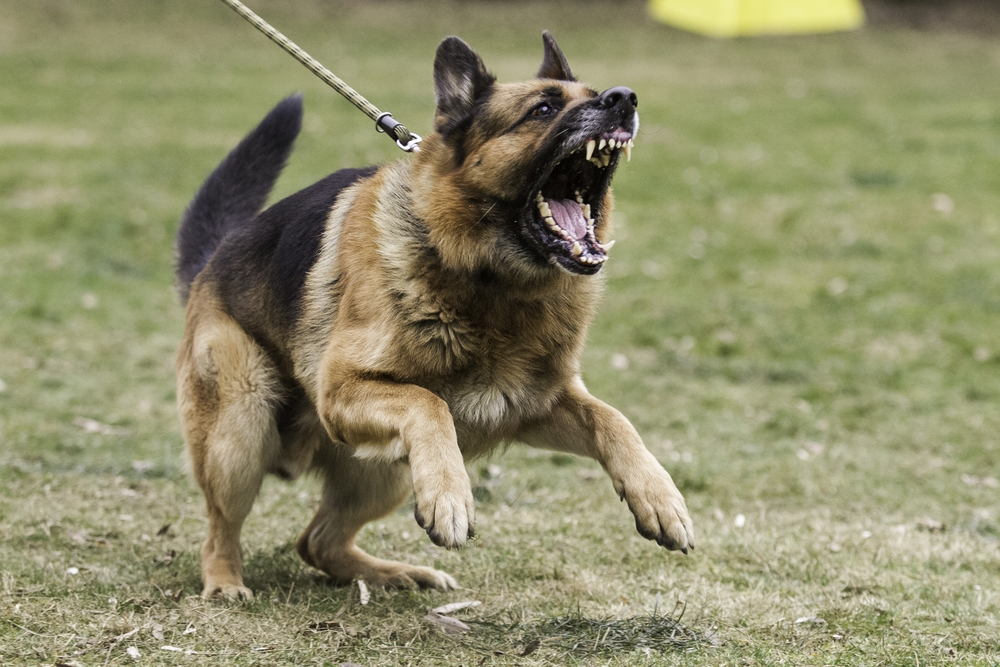
A negative experience with a dog is often the inciting cause of cynophobia, especially during a person’s formative years. These events can result in a lasting fear of all dogs regardless of the situation or the nature of the dog. Being attacked or bitten by a dog or witnessing a dog bite can predispose a person to develop cynophobia.
Genetics & Mental Illness
Some people are predisposed to or may have previously suffered from mental health disorders, such as generalized anxiety disorder, depression, obsessive-compulsive disorder, substance abuse disorder, or panic disorders. Sufferers of any of these conditions may be more likely to develop cynophobia. Those with existing mental illnesses, such as depression or generalized anxiety disorder, are more likely to become cynophobic given the right trigger compared to someone without a mental illness. People with autism are also more likely to be cynophobic.1
Environmental Factors
Living or growing up around aggressive dogs can make a person more apprehensive of dogs in the future and even snowball into cynophobia. Some cultures may have a different attitude about dogs as pets, which can trickle down through the generations. A negative attitude toward dogs before a negative experience can solidify it in a person’s mind as lasting cynophobia.
Who Is Most at Risk for Cynophobia?
Specific risk factors can put certain people at more risk of developing cynophobia after a negative interaction with a dog. These often mingle with the causes discussed previously.
- Young age: Children who suffer a dog bite at a young age may carry the psychological trauma into adulthood in the form of cynophobia.
- Mental illness: This includes family history and personal history of mental illness, like generalized anxiety disorder, substance abuse disorders, obsessive-compulsive disorder, and other phobias.
- Unfamiliarity with dogs: People who didn’t interact with dogs in their formative years or those from other cultures may be more wary of our furry companions, potentially becoming cynophobic after a negative experience.
- Elderly: Advanced age, poor eyesight, and impaired mobility make dogs scary for seniors, possibly causing cynophobia with the right incitement.
Symptoms of Cynophobia
Cynophobia is more than just a person who dislikes dogs; they experience real psychological and physical symptoms as a result of interacting with, seeing, or even just talking about a dog.
- Excessive sweating
- Racing heartbeat
- Tremors or shaking
- Nausea
- Vertigo or dizziness
- Feeling of intense dread or impending doom
- Derealization or a sense of things not feeling real

How Is Cynophobia Treated?
Like other phobias, cynophobia is formally classified as a specific anxiety disorder. Treatment can vary from different types of therapy to sometimes medication. Let’s explore these a bit more.
- Exposure therapy: Careful, measured exposure to dogs, photos of dogs, or dog sounds in a controlled setting can slowly reduce the worst effects of cynophobia.
- Cognitive behavioral therapy: This includes various mental techniques that aim to change the way you think and helps you reframe negative experiences and feelings.
- Psychotherapy: This is essentially talk therapy to help people understand their fears.
- Hypnotherapy: This includes guided relaxation exercises with the aim of addressing and overcoming your fear. However, to date, studies have not found hypnotherapy to be effective against phobias such as this.
- Medication: In very severe cases, cynophobia may merit a prescription for depression and anxiety medication to manage symptoms when the afflicted person expects to interact with dogs.
In scientific literature, it has been found that exposure therapy is the most likely type of therapy to work for specific phobias, such as cynophobia.
What Triggers Cynophobia?
Cynophobia can be mild or severe depending on the person, and some people experience worse symptoms than others. Seeing a dog or hearing a dog bark are the most common triggers, but in especially severe cases, it can even be triggered by seeing a dog in a picture or on TV. The anticipation of going somewhere a dog is or might be can also trigger symptoms. While cynophobia can be treated to an extent and even resolved, it’s critical for those affected to seek healthcare advice from a licensed professional.
Final Thoughts
Cynophobia is a real and traumatic disorder that may be caused by a perfect storm of genetics, mental illness, and other environmental factors ignited by a negative experience with dogs. Like other phobias, cynophobia can be treated with a range of therapies and professional guidance.
Featured Photo Credit: New Africa, Shutterstock