Can Dogs Eat Peanuts? Vet-Approved Nutrition Guide


In this article
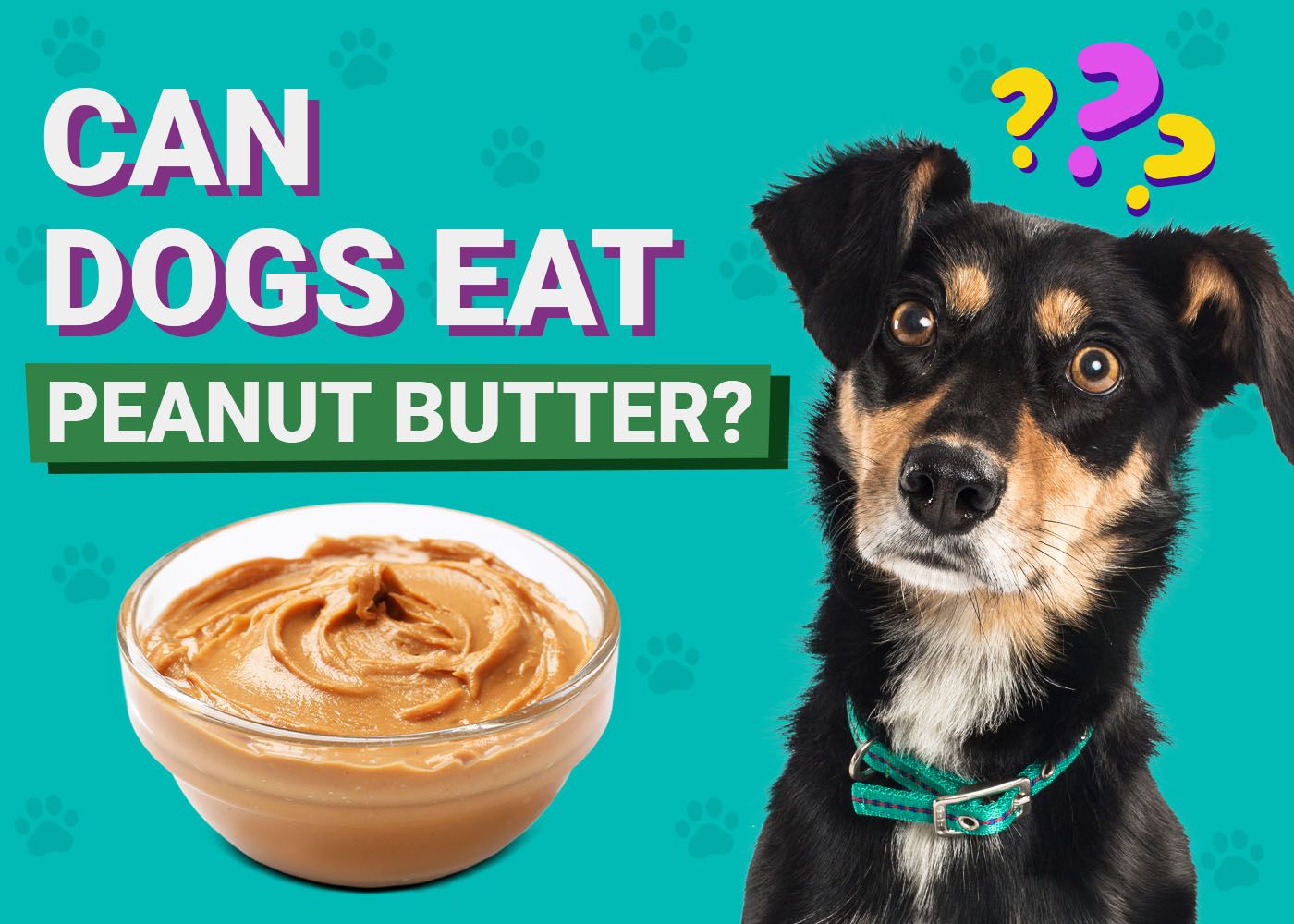
Our canine companions love peanut butter. There are even photography books dedicated entirely to pictures of dogs who love eating this tasty and beloved treat! Dog parents love giving their pups peanut butter, too, especially as a means of getting them to take medication. You might have wondered, though, whether dogs can also safely eat peanuts. It’s pretty much the same thing, right?
Not exactly. While peanuts are a non-toxic nut for your dog to eat, there are caveats to giving them this food, such as giving them the right kind of peanut. Peanuts also aren’t the healthiest thing for your canine pal. However, if your dog eats a peanut or two off the floor, no harm should be caused.

Why Can Dogs Eat Peanuts?
Peanuts are generally safe for dogs to eat because they aren’t toxic. They also provide canines with a few health benefits, as these nuts are packed with vitamins, healthy fats, and protein. That said, if you’re going to feed your pet peanuts, they shouldn’t be given more than a few, so the health benefits are negligible. You also have to be careful about the type of peanut you’re giving your dog (as you’ll see below).


Benefits and Risks of Feeding Peanuts to Dogs
So, what are the exact benefits and risks of feeding peanuts to your pup? Here’s a closer look!
The Benefits of Peanuts
As we said, any health benefits of this nut will be fairly negligible for your dog, as they won’t be eating many peanuts at a time. But peanuts do contain plenty of protein and healthy fats, which are an important part of a canine’s diet. Dogs need tons of protein each day, so peanuts can be a delicious way to give them a slight extra boost, while healthy fats help them store energy and keep their coats looking great. Peanuts also contain a few essential vitamins and minerals, including niacin, Vitamin E, and Vitamin B6.
While all that sounds great, unfortunately, there are more negatives than positives to feeding peanuts to your dog.

The Risks of Peanuts
Giving your dog peanuts carries several risks, mostly due to their unhealthy nature. Here are the negatives to feeding peanuts to your dog.
Choking Risk
Peanuts are small, so they can theoretically pose a choking risk to many dogs (especially if a pup is trying to scarf them down quickly). If you do give your pet a peanut or two, monitor them closely as they eat to ensure their safety.
Salt
Many commercially packaged peanuts have added salt, which is part of what makes them delicious. While you shouldn’t give your dog salted peanuts in the first place, there’s always a chance they could sneak a few at some point.
The good news is that your dog shouldn’t be able to eat enough peanuts to lead to salt poisoning (they would have to eat their weight in peanuts!), but extra salt in a dog’s diet isn’t healthy. Too much sodium for your pup could cause other issues for your pup.
Ingredients
Peanuts can often be flavored with things other than salt, like honey or chocolate; those extra ingredients could be toxic to a canine. Chocolate and garlic, in particular, can be fatal. Other ingredients (such as spicy flavoring) can upset a pup’s digestive system. The only peanuts you should give your dog are unshelled, raw (dry-roasted) peanuts.
If your pup manages to scoop a flavored peanut or two off the floor, they should be okay, but watch them closely for the next couple of hours just to be sure they’re fine.

Calories & Fat
One of the more significant reasons to avoid giving peanuts to your pup is the large amount of fat and calories they contain. Nuts may be healthy for some humans (at least in moderation), but they’re still packed with fat and calories, which can cause weight gain in canines. Weight gain, in turn, can lead to health issues down the road.
The fat in peanuts can also upset a dog’s digestive system, especially if they have a sensitive stomach; it could even lead to pancreatitis for some pups. Pancreatitis is serious and will require not only a vet visit but also possibly hospitalization. Signs your dog may have pancreatitis include lethargy, abdominal pain, vomiting, and dehydration.
Aflatoxin
Remember that we said peanuts aren’t toxic? Well, that’s true. However, a mold that grows on many nuts contains a toxin called aflatoxin. Aflatoxin has been known to cause cancer in animals and could cause liver damage in canines if consumed. The good news is that peanut butter and peanuts are pretty stringently tested for aflatoxin, so they should be perfectly safe for your dog. If you see mold on a peanut, though, toss it immediately!
Frequently Asked Questions (FAQ)
You might have some other questions about feeding peanuts to your dog, so here are some of the most common questions people ask.
Can dogs be allergic to peanuts?
Yes, but it’s highly uncommon for a canine to be allergic to peanuts. There is only one known case of a dog having a peanut allergy, so chances are good your pup won’t be allergic.
How many peanuts can I give my dog?
If you want to give your canine pal some peanuts as a rare treat, don’t give them more than a couple at a time.
Can my dog eat crunchy peanut butter?
They can! The peanuts in crunchy peanut butter are ground up enough that they shouldn’t pose a choking risk (though you should still monitor your dog as they eat the peanut butter). Also, keep in mind that any peanut butter you give your pet should be free of xylitol.


Conclusion
While peanuts aren’t toxic to canines, they aren’t very healthy for them either. However, if you give your dog an unshelled dry-roasted nut here and there, they should be fine. Just be aware of the calories and fat peanuts contain, and don’t overdo it, or health issues could occur. Also, pay attention to whether a peanut is moldy or not! Moldy peanuts can be toxic, so you never want to give them to your dog.
See Also:
Featured Image Credit: Abril Chavira, Unsplash
Expert dog care, straight to your inbox
News, insights, expert advice, and everything dog.

No spam — unsubscribe anytime.
By signing up, you agree to our Terms & Conditions and Privacy & Cookies Policy.
How useful was this post?
Click a star to rate. You can leave written feedback afterwards. (We read all feedback.)
Misty Layne lives out in the woods in small-town Alabama with her two Siamese - Serafina & Jasper. She also has an array of stray cats, raccoons, and opossums who like to call her front porch home. When she’s not writing about animals, you’ll find her writing poetry, stories, and film reviews (the animals are, by far, her favorite writing topic, though!). In her free time, Misty enjoys chilling with her cats, playing piano, watching indie and foreign films, photographing abandoned places, and catching up on her never-ending TBR list.