English Mastiff Dog Breed: Info, Pictures, Facts, Care & Traits


In this article
Looking to add a new dog to your home? If you have a large house and backyard, you might want to consider adopting an English Mastiff. These canines are massive but incredibly sweet, loyal, affectionate, and protective. They make wonderful pets for families and those looking for a fairly laidback guard dog!
If you don’t know much about this breed other than the fact they are large, we have you covered. Below, you’ll learn more about the English Mastiff’s personality, where to find one, and how to care for one. Keep reading!
Breed Overview
Height:
Weight:
Lifespan:
Colors:
Suitable for:
Temperament:
The English Mastiff dog is actually an ancient one, as they are descendants of a breed that was around roughly 3,000 years ago. The original breed was used as war dogs, but these days, the English Mastiff is known more for their gentle nature (and drooliness!) than anything else. English Mastiffs make absolutely amazing pets, but they do need a lot of room due to their size.
English Mastiff Characteristics

English Mastiff Puppies

While the English Mastiff is a fairly popular breed, the chances of you finding one at a shelter may be small. Even better than adopting through your town’s shelter, though, is adopting one of these canines via a rescue. There are many out there, so you should find an organization and a pup that meets your needs!
However, if you’re going for a purebred, you’ll need to get your English Mastiff dog from a reputable breeder. Because these canines can be prone to certain health issues, like hip or elbow dysplasia, it’s essential to only use a breeder that prioritizes the health and well-being of their dogs. It’s also recommended that you request testing for the health conditions they are prone to before adopting a puppy. If a breeder doesn’t want to have the testing done, isn’t eager to share the results, or is otherwise acting shady about it all, it’s time to move on to a different breeder!

Temperament & Intelligence of the English Mastiff 🧠
The English Mastiff may seem a bit frightening at first glance, considering their imposing nature, but these canines are some of the gentlest around! English Mastiffs are friendly, loyal, laidback, and good-natured. They dislike conflict, especially within the family unit, but don’t let that make you think they don’t make excellent guard dogs. These canines will absolutely step in to protect you if they feel there’s a threat. They also are imposing enough in stature they should frighten away uninvited people.
These pups are docile enough to allow children to crawl on them, but they dislike rough play as they’re sensitive to it. They will enjoy playtime, though, but they won’t be as energetic as some other breeds. They will also be extremely affectionate with their loved ones and fiercely loyal to their “pack”. Overall (as long as you have room for them), the English Mastiff is a fantastic pet!
Are These Dogs Good for Families? 👪
Yes, absolutely! English Mastiffs make fabulous family pets, as they’re kind and patient with children. Any kids in the home need to be taught not to play too roughly with these dogs and to respect their boundaries, though. However, even if little ones get a bit rough, this breed shouldn’t snap at them. But do always keep an eye on smaller children playing with the English Mastiff, because of their size, it can be easy for an English Mastiff to knock a child over by accident if things get a little out of hand.
Plus, these gentle giants will guard their little ones well!
You may also be interested in: How to Teach a Dog to Respect Children: 10 Vet-Approved Ways

Does This Breed Get Along With Other Pets? 🐶 😽
The English Mastiff easily gets along with other pets in the home, whether they be dogs, cats, or some other animal. The breed’s size lends them confidence, and their friendly nature ensures they don’t become jealous of other pets. However, when it comes to smaller animals, keep an eye on any play between them and your English Mastiff (especially when they are a puppy). These pups can be a bit clumsy at times, particularly when they are young; add in their size, and it means accidents can happen with smaller pets.
Things to Know When Owning an English Mastiff
Now that you know what an excellent companion the English Mastiff makes, you should know how to care for one of these giant pups. Caring for a large breed dog can be quite different than caring for a smaller one, so if you’ve never had a large dog, keep reading!
Food & Diet Requirements 🦴
One similarity between this large dog and other dogs is that the English Mastiff requires high-quality dog food. The difference is that large dogs are fast-growing in their puppy years, so they need specific nutrition to avoid skeletal disorders. Mainly, this will be the correct calcium-to-phosphorus ratio. Many experts actually recommend that English Mastiff puppies consume adult food rather than puppy food; whatever food is given should have an approximate calcium-to-phosphorus ratio of 2:1 and contain no more than 26% protein.
English Mastiff dogs are a bit more prone to bloat than other breeds, so their meals should be broken into two to three small meals a day to reduce the risk. You should ensure your pet isn’t overfed, too, as any extra weight on these pups can strain bones and joints. Your vet can give you an idea of how much your pet should consume daily.

Exercise 🐕
English Mastiffs are far less active than some other breeds, but that doesn’t mean they don’t need any exercise. They should only require around a half hour of exercise a day, though. You’ll want to keep exercise low impact to avoid doing damage to their joints, so short walks and playing in the backyard will be perfect. You’ll need to be particularly careful with exercising your dog when they’re a puppy. Too much exercise for young English Mastiffs can overtax their joints, leading to damage. It’s recommended that until they are about two years old, they shouldn’t engage in lots of running, overly long walks, or jumping up and down from things. Also, be aware that this breed, at any age, is rather notorious for sitting down when they’re too hot or tired and refusing to go a step further. So, avoid long walks, or you’ll be carrying your dog back home!
Training 🎾
Training and socializing an English Mastiff from an early age is a must. Despite their friendly, gentle natures, they still grow to be massive, so you need to ensure they master basic commands at a young age. Training this breed shouldn’t be too difficult as they love to please and are relatively quick to pick up on things. However, they can also become easily bored with repetition, choosing to lie down for a nap instead of continuing training. Also, be aware that these canines can be quite sensitive, so raising your voice at them could hurt their feelings. Instead, use positive reinforcement, such as praise and treats, to reward them for a job well done. And be sure to maintain eye contact with your dog during training; these pups are excellent at reading body language and expressions, so you can convey a lot to them in this way.
Grooming ✂️
Good news! Despite their large size, keeping an English Mastiff well-groomed isn’t too challenging. Though the breed’s coat is dense, their hair is short, and they only shed heavily a couple of times a year. Brushing out their fur every few days should keep them looking fabulous. You may want to occasionally take a comb to their coat to get rid of more dead fur than the brush would. When it comes to bathing, the good news is that unless your pup has rolled around in a mud puddle, you should be able to get away with simply wiping them down with a wet washcloth to remove dirt. An incredibly dirty dog will require a bath, though, so you may want to use a groomer for that (unless you have a tub or space large enough to wash an English Mastiff). Nails should be trimmed regularly to keep them nice and short, and their teeth should be brushed frequently. Also, these canines are droolers, so you should keep spare cloths handy to wipe all that drool off as needed!
Health and Conditions 🏥
Due to the English Mastiff’s large size, they won’t live as long as other dog breeds. However, that doesn’t mean they’re particularly unhealthy. These dogs tend to be relatively hardy, though they do have some health issues (primarily size-related) they are more prone to getting. Here’s a look at a few of those.
Male vs Female
The major difference between male and female English Mastiffs is their size. The females of this breed can weigh as little as half the weight of males. Personality-wise, though, both males and females should be relatively similar.
The other difference between the sexes will be the cost of getting them fixed. Spaying tends to cost more than neutering, so consider that when deciding whether a male or female is right for you.
3 Little-Known Facts About the English Mastiff
Want to know even more about these fantastic dogs? Here are some facts you might not have known about the English Mastiff!
1. The Mastiff breed is one of the oldest around.
The English Mastiff’s ancestor is the Molossus, a breed dating back to ancient Greece.
2. The longest dog in the world was an English Mastiff.
Aicama Zorba of La-Susa was an Old English Mastiff dog living in London who measured 8 feet 3 inches from the tip of their tail to their nose! They also weighed in at 343 pounds.
3. There are many different types of Mastiffs.
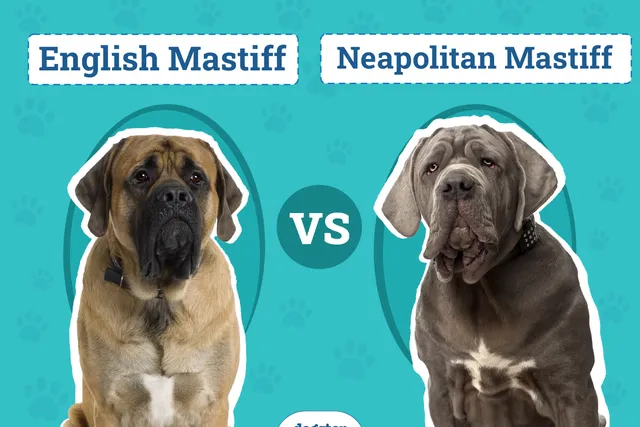
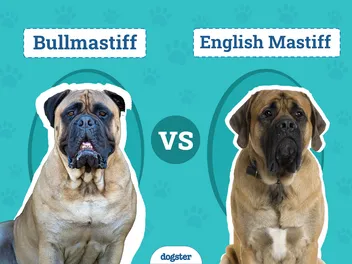
These include the English Mastiff, Tibetan Mastiff, Fila Brasileiros (Brazilian Mastiff), Neapolitan Mastiff, Dogue de Bordeaux (French Mastiff), and the Bullmastiff.
Final Thoughts
English Mastiffs make wonderful pets, provided you have enough room in your home for one! These giant pups are gentle, loyal, and highly protective of their people. They’re fabulous with children, as well as other pets, and make excellent guard dogs. The downside to the English Mastiff is their short lifespan, but if you have space in your heart for a canine that won’t be around quite as long as other breeds, this dog could make the perfect pet for you and your family!
Featured Image Credit: Michal Ninger, Shutterstock
Expert dog care, straight to your inbox
News, insights, expert advice, and everything dog.

No spam — unsubscribe anytime.
By signing up, you agree to our Terms & Conditions and Privacy & Cookies Policy.
How useful was this post?
Click a star to rate. You can leave written feedback afterwards. (We read all feedback.)
Misty Layne lives out in the woods in small-town Alabama with her two Siamese - Serafina & Jasper. She also has an array of stray cats, raccoons, and opossums who like to call her front porch home. When she’s not writing about animals, you’ll find her writing poetry, stories, and film reviews (the animals are, by far, her favorite writing topic, though!). In her free time, Misty enjoys chilling with her cats, playing piano, watching indie and foreign films, photographing abandoned places, and catching up on her never-ending TBR list.