How Long Do Mastiffs Live? Vet-Reviewed Average Lifespan, Data & Care Guide


In this article
The noble Mastiff is a dog with a big history, a big body, and a big heart—and an unfortunately short lifespan. Sadly, giant breeds don't tend to live as long as medium and small-sized breeds, primarily because they age more quickly.1 The average Mastiff lifespan ranges from 6 to 10 years.
In this post, we reveal how to offer your precious pup the best possible quality of life so they may live longer.

Mastiff Average Lifespan
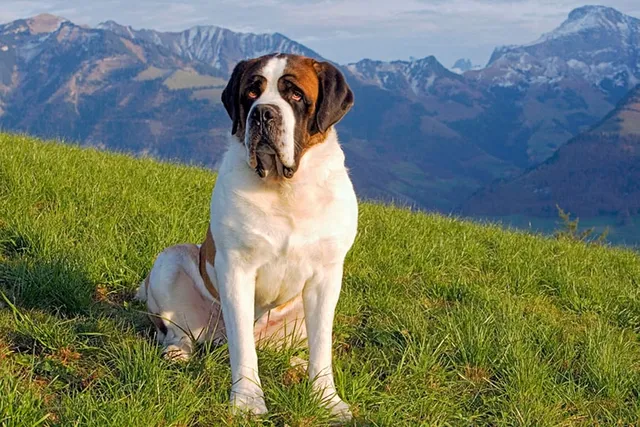
The average Mastiff lifespan ranges from 6 to 10 years. This is pretty standard for giant breeds; to give a few examples, the Great Dane's life expectancy is 7–10 years, and the Saint Bernard's is 8–10 years. The average life expectancy for giant breeds in general is 6–10 years, and for large breeds, it's around 10–12 years.
Medium and small-sized dogs fare better, with the average lifespan ranging from 10–15 years for small breeds and 10–13 years for medium breeds.

How to Care for Your Mastiff for a Long Lifespan
The truth is that in spite of estimations, it's impossible to tell exactly how long your dog will live because so many factors go into this. Properly caring for your Mastiff increases their chances of living longer and enjoying a great quality of life, though, so let's go over the basics of Mastiff care.
Feeding & Diet
As giant dogs, Mastiffs are more at risk of suffering from skeletal conditions and growth disorders like hip dysplasia. For this reason, it's essential to feed them a diet appropriate for their size with the right amount of protein and the correct calcium/phosphorus ratio. A safe calcium-to-phosphorus ratio for giant-breed puppies is usually around 1.1:1 to 1.4:1 when feeding a properly balanced diet.
Furthermore, the formula you choose shouldn't be too high in calories because giant and large breeds need to eat fewer calories per unit of body weight. Foods formulated for large/giant breeds by high-quality brands should cater to these requirements.
These formulas tend to have moderate fat levels and often contain additional omega-3 fatty acids, glucosamine, and other ingredients that support joint health. Nevertheless, you should always take care not to overfeed your dog, as this could cause weight gain, which places pressure on the joints. We strongly urge Mastiff parents to discuss the ideal diet with a vet, as different dogs have different needs.
Bloat is another risk for large and giant breeds, and this can be very dangerous in dogs. To help reduce the risk, split meals into two or three per day rather than giving all the food in one go. Still, there are many possible factors that can predispose a dog to bloat, including their individual temperament, type of food they eat, hereditary factors, and more.
You should avoid exercising your dog right before or after they've eaten (it’s often recommended to wait at least 1–2 hours after eating), and consult your veterinarian about whether elevated bowls are appropriate for your dog.
Healthcare
It's best to get your Mastiff checked by a vet at least once per year, though twice per year is recommended for older dogs. You'll also need to keep up with their vaccinations (rabies, distemper, etc.). Your vet can help you get set up with a vaccination schedule for your puppy or adult dog.
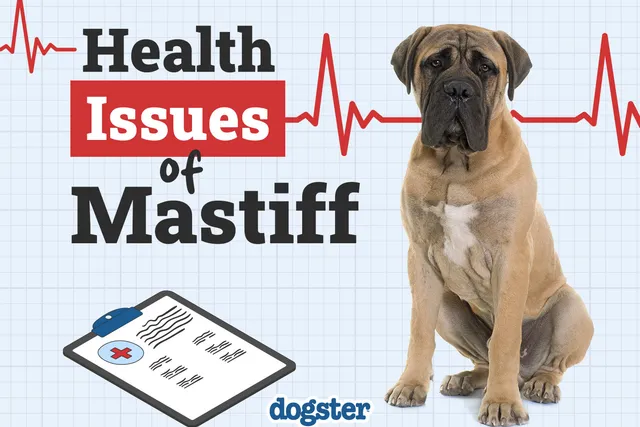
Regular vet checkups—in addition to offering an appropriate, high-quality diet and monitoring your dog's weight—are essential because Mastiffs are prone to various health conditions, including hip and elbow dysplasia, bloat, cancer, and eye issues.
Other risks include heart disease and epilepsy. If you get a Mastiff puppy from a breeder, always look for a reputable and responsible one that conducts health screenings.

Environment & Emotional Health
Caring for a dog isn't just about feeding and walking them. It's also about providing them with an environment in which they can feel safe and loved. All dogs need a warm, clean home to live in where they're given plenty of love and opportunities to socialize, bond, and play with you and other members of the family. While many dogs thrive living primarily indoors, they should always have a safe and comfortable shelter.
It's also sensible to dog-proof your home to ensure your Mastiff doesn't get injured. Unsecured windows are a big danger zone, as are most cleaning products, certain houseplants, and electrical wires.
Exercise
Despite being such a huge dog, a Mastiff's exercise needs are pretty moderate. Adult Mastiffs need around 30-60 minutes of exercise per day, which should include a couple of walks and playtime. This helps keep your dog mentally stimulated and in good shape. Remember that bloat is a potential risk for this breed, so don't exercise them too close to mealtimes.
Be careful when it comes to exercising Mastiff puppies because their joints can easily be damaged by strenuous activity. Begin with short, gentle walks for puppies aged 2–3 months and gradually increase the duration as they grow.
The Life Stages of a Mastiff
There are four main life stages of a Mastiff: puppy, young adult, adult, and senior.
- Puppy: Puppyhood is the first stage of a dog's life, and in large and giant breeds, it can last up to 18 months. During this time, it is vital to provide them with food made for puppies so they get the proper nutrition as they grow.
- Young Adult: Mastiffs are considered young adults up to the age of 3–4, and it is at this stage that they become fully mature, but they still might display some of their puppy-like behavior!
- Adult: Giant breeds are mature adults from 3–4 years up to the age of 7. Since Mastiffs have reached their adult stage and aren’t growing anymore, it is important to watch how much you feed them, as obesity could become an issue.
- Senior: Mastiffs enter the senior dog stage when they're in the last 25% of their estimated lifespan. As a reminder, this breed is estimated to live up to 10 years. Since these are such large dogs, it is not uncommon to see issues concerning joints and mobility.

How to Tell Your Mastiff's Age
Looking at your dog can give you a rough idea of what life stage they're in. A vet is the best person to give you the most accurate estimation, but even they can't pinpoint with certainty a dog's age without the appropriate documentation. Here are a few factors that vets take into account when estimating age.
Teeth
A dog's teeth are white as puppies, but as they age, staining and tartar buildup can occur. For this reason, vets look at the condition of the teeth to help estimate a dog's age. This isn't foolproof, though, as a lot depends on how well a dog's teeth have been cared for.
Coat
Graying—especially around the muzzle, eyes, and paws—is a sign of aging. It's less common in young adult dogs, so this can help vets guess an age range.
Eyes
Older dogs' eyes tend to be cloudier than those of younger dogs, which is called nuclear sclerosis of the lens. Younger dogs can develop cloudy eyes due to various conditions, but it's more common in older dogs.

Conclusion
While Mastiffs often don't live as long as medium or small dogs due to their large size, they can still enjoy a great quality of life with dedicated care. If you're considering sharing your life with a Mastiff, please consider one of the many wonderful shelter dogs looking for a home.
See Also: Male vs Female Mastiff
Sources
Featured Image Credit: Joseph Gruber, Shutterstock
Expert dog care, straight to your inbox
News, insights, expert advice, and everything dog.

No spam — unsubscribe anytime.
By signing up, you agree to our Terms & Conditions and Privacy & Cookies Policy.
How useful was this post?
Click a star to rate. You can leave written feedback afterwards. (We read all feedback.)
Kit Copson is a freelance writer and lifelong animal lover with a strong interest in animal welfare. She has parented many furry beings over the years and is currently a proud cat mom of two—one very chilled (unless hungry) Siamese and a skittish but adorable Domestic Shorthair—and dog mom of one—an adopted Bichon Poodle cross. When not writing about or spending time with pets, Kit can be found drawing in her sketchpad, reading, or more often than not, drinking tea.