

In this article
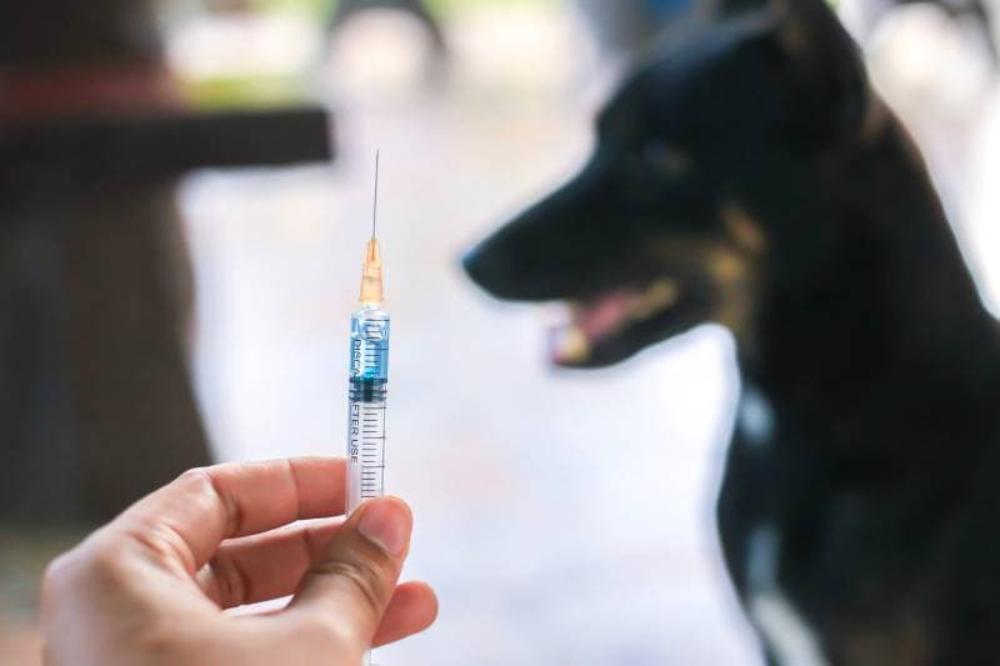
We know that vaccination is an important part of looking after our dogs, but you might be aware that not all dogs need all vaccinations, which no doubt leaves you wondering: What shots do dogs actually need?
If this question is keeping you up at night, get ready to sleep soundly because we are going to take a look at the various vaccinations available for dogs so that you know which dog vaccines are absolutely necessary, which are strongly recommended, and which ones are only needed in certain areas and situations.
But before we start our list, let’s talk briefly about how vaccination works.

How Does Vaccination Work?
When the body encounters a pathogen such as a virus, there is an initial basic immune response. Eventually, the immune system creates specific antibodies to fight it, and if the infection is defeated, the immune system stores the antibodies for a period of time (months to years) so that the next time it encounters the virus, the targeted immune response is almost immediate.
Vaccination introduces an altered version of the virus, safely triggering the immune system to create specific antibodies that can be used in the future, allowing a rapid response when the real virus is encountered.
The recommended interval between different booster vaccines depends on how long the immune system continues to produce antibodies to the virus, which is why some vaccinations are given every 12 months and others are only needed every 3 years.
Core Vaccines
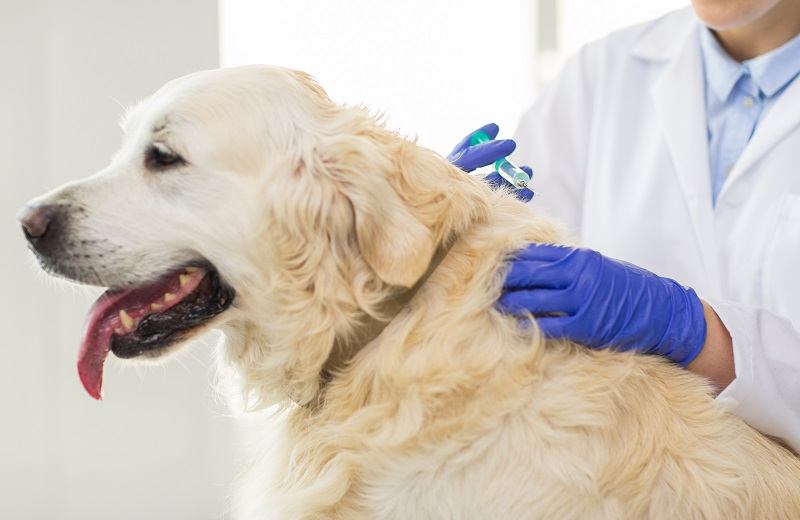
These are the vaccines that all dogs, regardless of geographic location or lifestyle, should receive. How often they need to be repeated will depend on your dog’s age and the vaccine manufacturer, which your vet will discuss with you.
- Canine distemper virus
- Canine adenovirus-2
- Canine parvovirus
- Rabies virus
Non-Core Vaccines
These vaccines will be available or strongly recommended depending on where you live, where you visit, and the exposure risk of your dog.
- Bordetella bronchisepticaand canine parainfluenza virus (kennel cough): Recommended for dogs going into kennels, daycare, or those with compromised respiratory function
- Leptospira (two or four strains): Recommended for dogs in areas where rats are known to live
- Borrelia burgdorferi(Lyme disease): Recommended in areas with ticks
- Canine influenza virus-H3N8: Only recommended when the virus is in circulation
- Canine influenza virus-H3N2: Only recommended when the virus is in circulation
- Crotalus atrox, the western diamondback rattlesnake: Recommended for dogs in areas inhabited by the rattlesnake

What Is Titer Testing?
Titer testing uses blood serum to measure the antibodies being produced by the immune system to determine if vaccination has been effective, or if booster vaccination is required. Research of population titers is how vaccine repeat intervals are determined, but many dog owners also have titer testing performed before vaccinating, only giving a booster if their titer levels are low.
The perceived benefit of this method is avoiding potential vaccine reactions or over-vaccination; however, testing only measures the antibody levels at that time and does not ensure continued protection.
What Are the Risks of Vaccination?
Any vaccination carries a small risk of allergic or anaphylactic reaction, but these are rare. Other adverse vaccine reactions include localized pain, swelling, abscess formation, fever, lethargy, gastrointestinal reactions, and the triggering of autoimmune conditions.
Dogs that experience significant reactions to vaccination are generally advised to avoid future vaccination, making them reliant on the herd immunity provided by other dogs being vaccinated.

How Often Does My Dog Need to Be Vaccinated?
All puppies need a course of two or three inoculations of the core vaccines to ensure their immune system is adequately stimulated. A booster is recommended 1 year after the puppy vaccination course, and subsequent boosters will be given yearly or every 3 years after that.
The vaccination intervals are based on the manufacturer’s recommendations, which your vet needs to follow. However, if you wish to deviate from this vaccination schedule, it is your decision, but be sure to discuss the pros and cons with your vet.
If you need to speak with a vet but can't get to one, head over to PangoVet. It's our online service where you can talk to a vet online and get the advice you need for your dog — all at an affordable price!
Is Vaccination Compulsory?
In most states, all dogs and cats (and sometimes ferrets) are required to be vaccinated against rabies, as this virus poses a serious public health risk. Vaccination is otherwise the decision of the owner, but it is strongly recommended that all dogs receive their primary course of core vaccines as a bare minimum.
The viruses covered by the core vaccines are potentially deadly, and it is very distressing to see puppies suffering and dying from completely preventable diseases.

Are There Any Other Injections My Dog Needs?
Internal and external parasite prevention is another important part of keeping our pets healthy, but these are usually given in the form of an oral medication or topical liquid. The exception is the yearly heartworm injection, ProHeart 12, which provides year-round protection against the heartworm, Dirofilaria immitis, which is a great option in areas with a high incidence of heartworm disease.
Final Thoughts
We are fortunate to have access to vaccines against many deadly canine viruses. The core vaccines are recommended for all dogs, and others may be recommended based on where you live and what your dog gets up to. Although all vaccines carry some risk of adverse reactions, these are extremely low, and the risk of not vaccinating your dog is far greater.
Talk to your vet about their recommendations and the options available to keep your dog safe.
See also:
- How Much Do Dog & Puppy Vaccinations Cost in Canada? (Update)
- Side Effects of the Rabies Vaccine in Dogs: Our Vet Explains
Featured Image Credit: Numstocker, Shutterstock





























2 Responses
I am loosing sleep over this at night, alongside a few other dog related queries I d really like to discuss with an understanding vet. This has given me the confidence to start a conversation thank you.
Hi Elaine, thanks for reaching out. There is a lot of information to process with a new dog, so don't be too hard on yourself. There is a reason a degree in veterinary medicine takes as long as it does. If you want to discuss your concerns with one of our online vets, you can visit PangoVet.com. Our team of vets will be able to address any questions you have and guide you on the best plan of action for your pet. You can book a time that is convenient for you at this link here https://pangovet.com/schedule-appointment/. We look forward to speaking with and helping you and your dog. 🙂