Dogs have to drink water. It’s a necessity to live. We often don’t think too much about it, we just get them water from the tap and call it a day. However, if you are becoming more aware, tap water may not be the way to go for humans or pets alike.
In this article, we aim to educate folks about the dangers of certain kinds of water and to help you informatively decide what is the best water for your dog. Keep in mind that sometimes making a switch is the best option for the whole family.

Importance of Fresh Water for Dogs
Offering fresh water to your dog daily is a necessary part of pet ownership. If water stays stagnant, debris, bacteria, and a bunch of other yucky stuff can build up in the bowl. This can lead to eventual health problems or illness.
So, if there’s one thing you do, ensure your dog is completely taken care of in the water department. This means cleaning the bowl and replacing the water frequently. It also means providing them with lots of water especially if they’re going to be outside on hot days or cold days where their water could freeze.
Any type of water is better than no water at all, but you’re doing the right thing by researching the best type of water to give your dog so that you can make better choices for you both. Every human being and animal deserves fresh, clean drinking water.

The 6 Types of Water for Dogs
You are well aware that there are different kinds of water on the market. But are they all different or are they really the same?
1. Tap Water
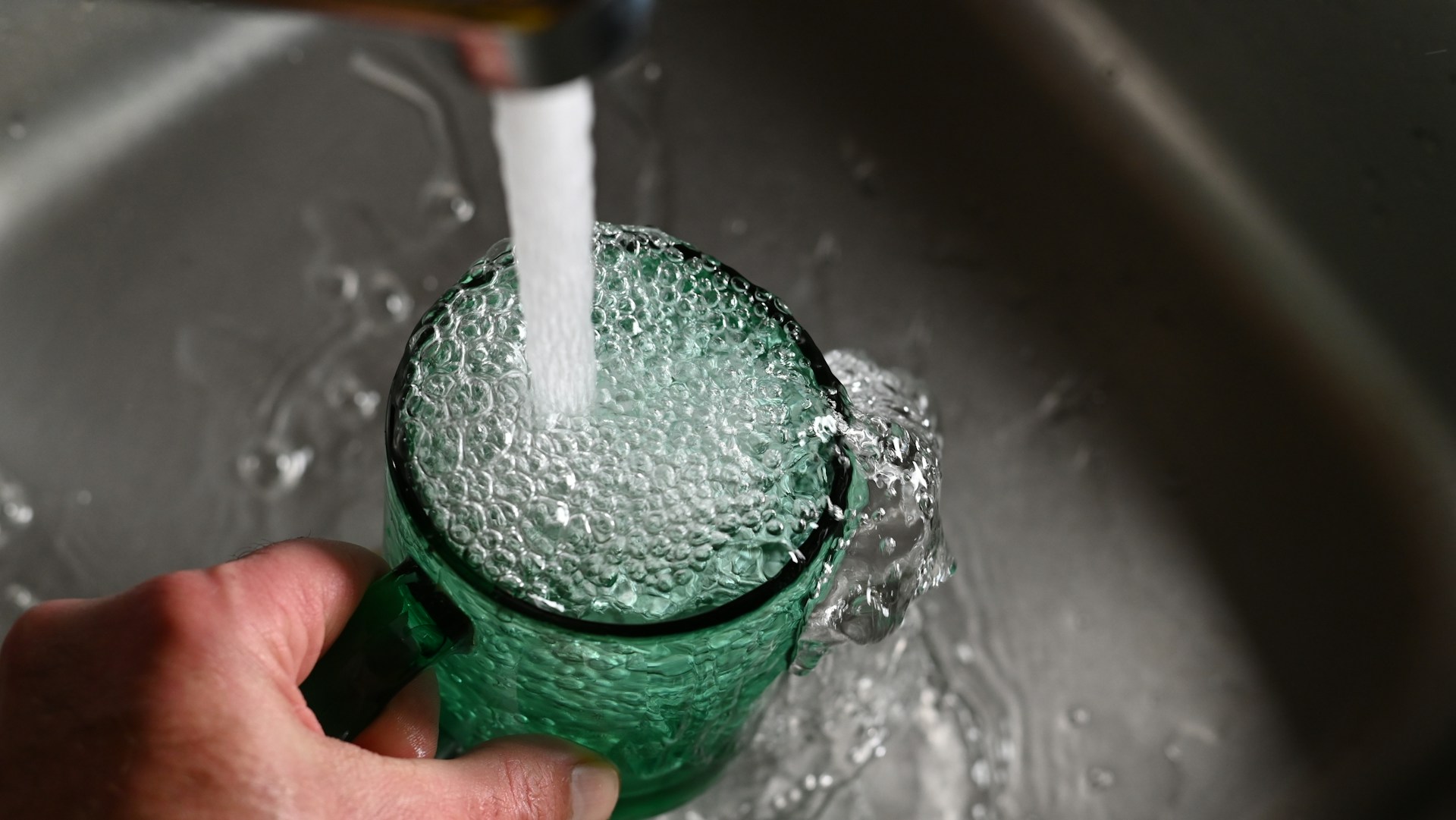
The United States has one of the safest public water systems globally. But does that mean that tap water is 100% safe? The easiest answer to this is not always.
Water quality is regulated, but any poorly treated tap water can result in major gastrointestinal distress or other issues for humans and dogs alike. Contaminants may include chemicals, pesticides, heavy metals, viruses, bacteria, parasites, inorganic compounds, radiological components, pharmaceuticals, and even wastewater.
If your dog comes into contact with any of these components, it could cause some short-term and long-term issues.
Some issues might include:
- Reproductive issues
- Gastrointestinal distress
- Neurological problems
While tap water is an easily accessible water source, it may not be the best option for your canine companion depending on your water quality.
2. Distilled Water
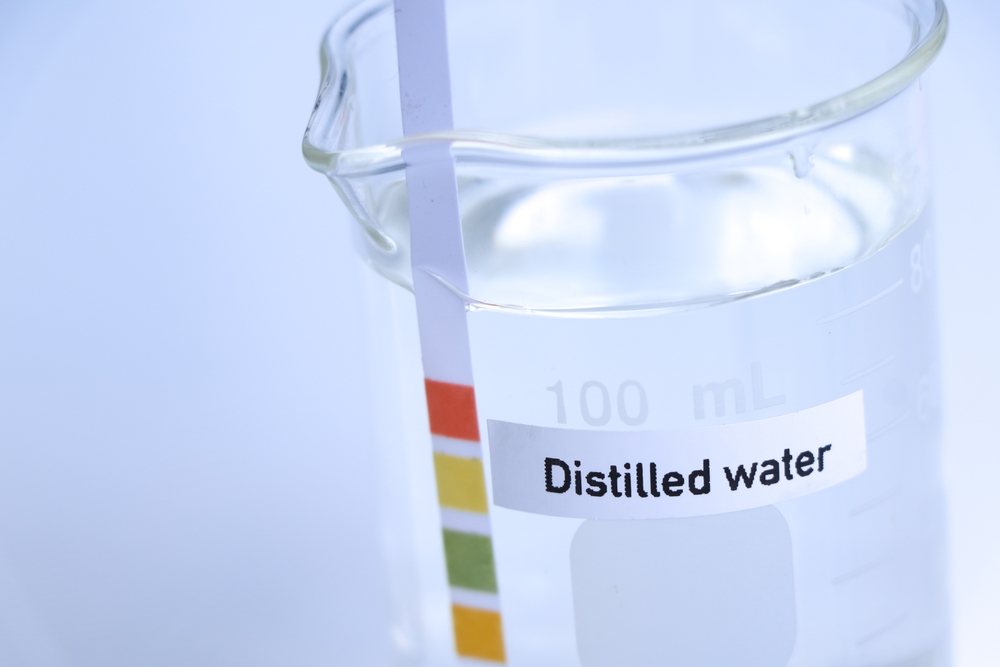
If you know that tap water can be an issue, you might think distilled water is a better option. After all, distilled water has had many bad components removed from it. This is water that has been boiled into vapor and condensed back into liquid.
While distilled water is considered a type of purified water, it also doesn’t have the natural minerals and elements. Distilled water is stripped of essential minerals like calcium and magnesium, which our bodies and our dogs’ bodies require.
3. Purified Water
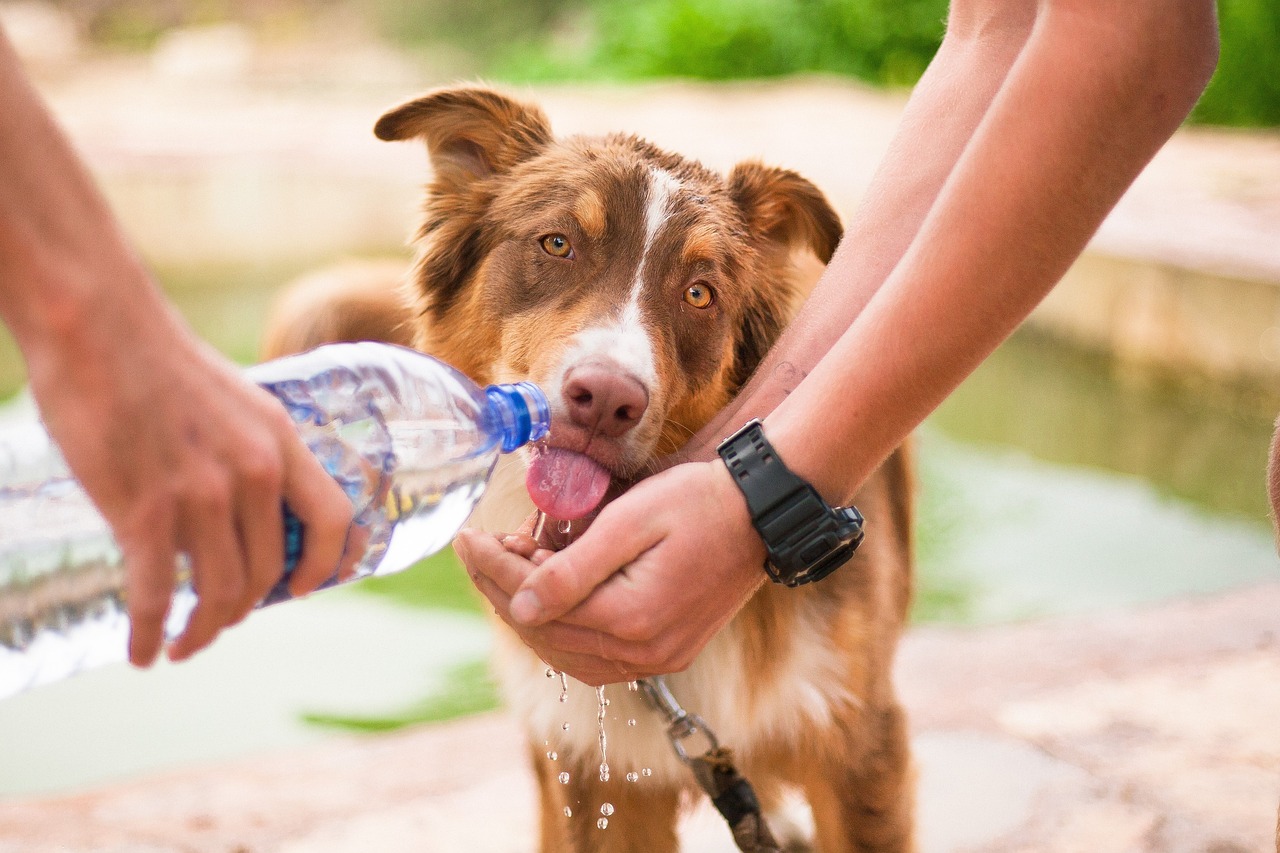
Purified water generally comes in plastic bottles and is readily available at any gas station, convenience store, or grocery store around. One would think, or hope, that purified water is a better alternative to tap water. In a way, it is, but that doesn’t mean it’s without its own potential contaminants. Some of these contaminants may include fertilizer residue, radioactive components, chemicals, and arsenic.
Because of the potential for contaminants, there might be better options for your dog than purified water.
5. Spring Water
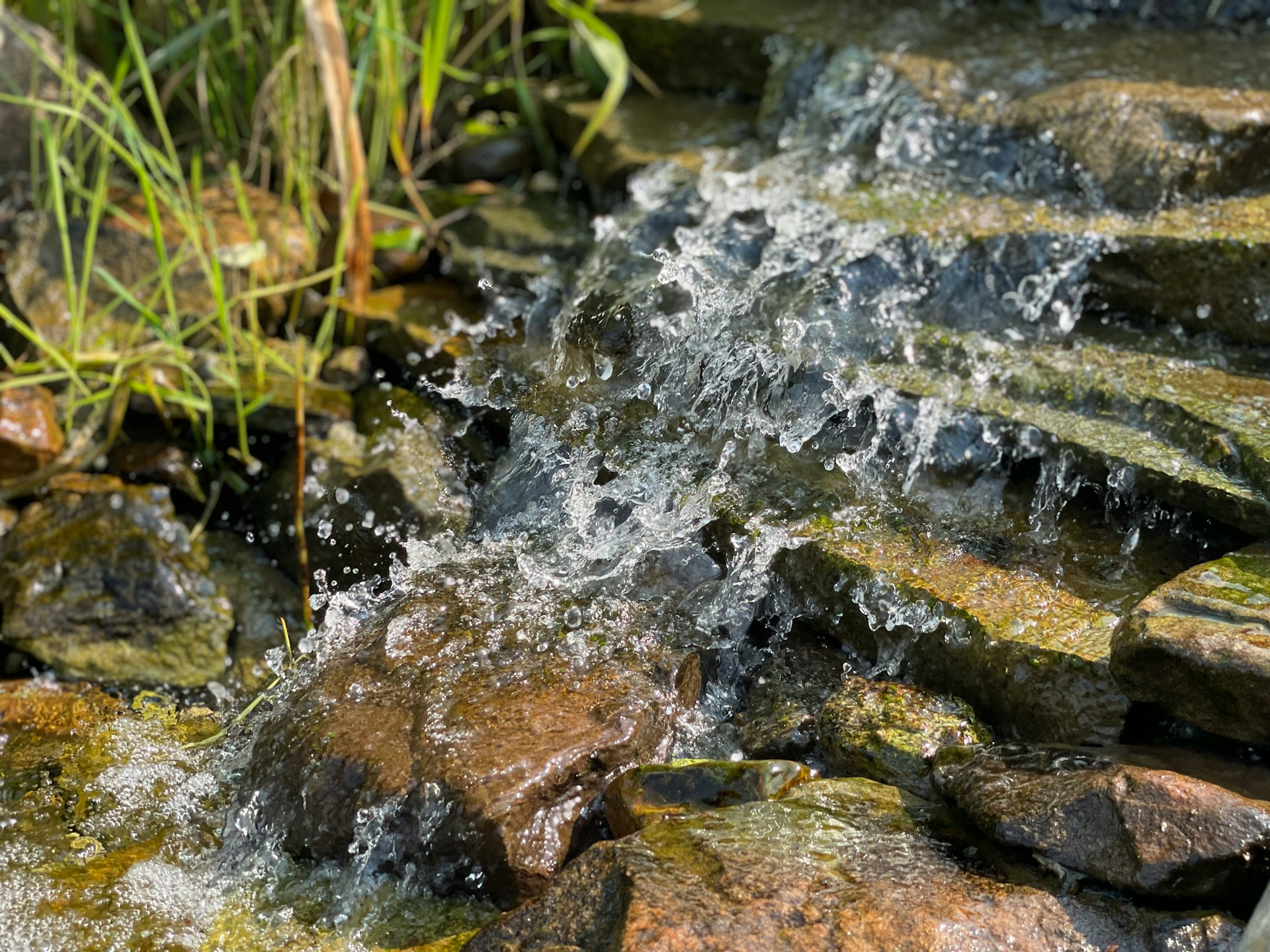
So, can dogs drink spring water? Spring water from a natural spring is one of the best options you can possibly give your dog. It comes from the earth, bearing all of the original minerals and nutrients. Plus, it has natural filtration and provides a clean drinking experience.
So, if your dog can drink natural, fresh, untapped spring water, it is more than suitable for your furry friend and you! However, the spring water at stores can have microplastics and other contaminants due to the bottling process.
6. Filtered Water
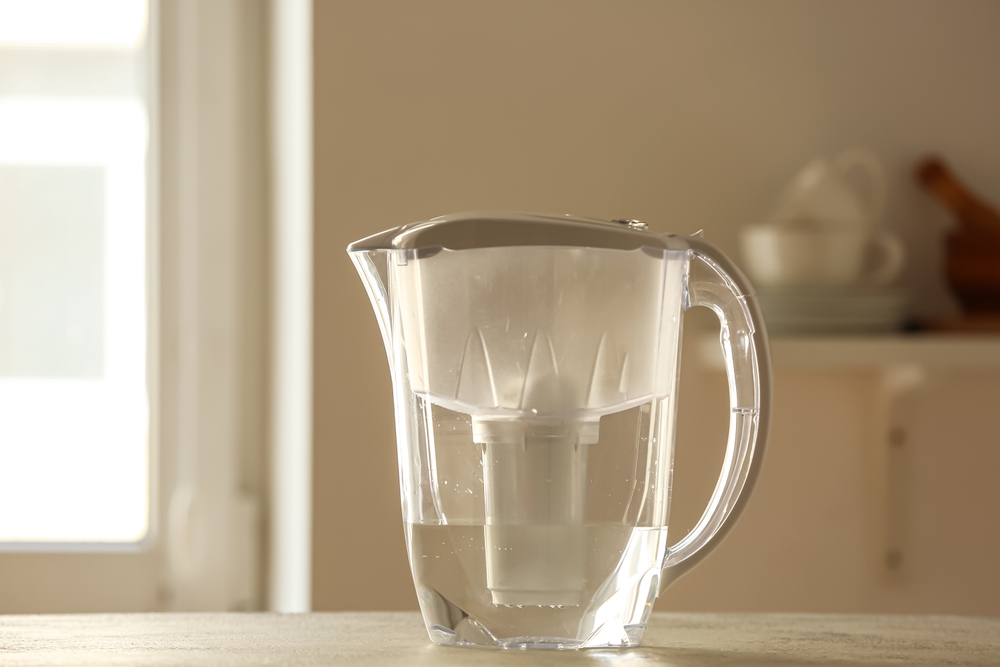
If you have no other option for spring water, you can always try filtered water. This allows you to be able to filter the water from the comfort of your home, knowing that you’re getting a cleaner version.
You can buy all sorts of filters depending on your individual needs. Some common examples include carafe filters, reverse osmosis filters, and home filtration systems. A good way to pick the best filter is to test your water to see what contaminants you’re trying to eliminate.
There are resources out there that allow you to get your water tested for free. Once you address your needs, you can buy the appropriate products for your home. You and your dog can both enjoy fresh, clean, pure water without the presence of contaminants.
Microplastics: What Are They?
You might notice when you go into a store that there isn’t water you can find that isn’t contained in plastic. And unfortunately, microplastic pieces can be littered everywhere throughout our bottled drinking water. Microplastics are tiny pieces of plastic that are left over from the plastic production process as well as the breakdown of larger pieces of plastic.
There are 10 to 100 times more microplastics in bottled water than previously anticipated. University researchers found 240,000 detectable plastic fragments in average bottled water.
Not only does bottled water contain microplastics, but it may also have something called plastic nanoparticles. These particles are so tiny that our cells can mistake them as a natural part of the body. So, even though it is almost impossible to find bottled water that is in glass instead of plastic, it certainly makes you think twice about buying bottled water at the store.
The 5 Types of Water Bowls
There are tons of different water bowls to choose from on the market. Some of them are fantastic, and some could be better. Below, we will discuss your different options along with the pros and cons of each.
1. Plastic
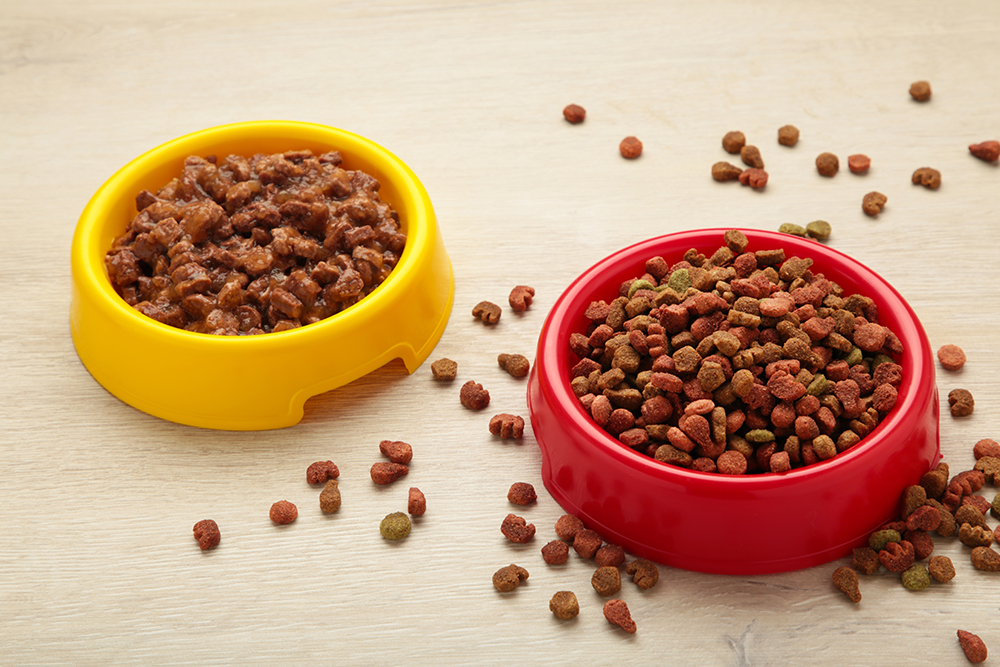
Plastic bowls might be very easy to come by, but that doesn’t mean that they’re the best option for your dog. As we discussed earlier with bottled water, plastic bowls can contain harmful chemicals and microplastics that can get into your dog’s system and disrupt their natural flow.
Plastic is extremely easy to come as one of the most affordable options on the market. If you are under a tight budget, it might be easier for you to buy plastic bowls. If you find yourself in this situation, upgrade when you can.
2. Ceramic

Ceramic bowls are an excellent choice for dog water. They are weighted, making them harder to tip over, and they tend to be more hygienic. As long as you thoroughly clean out your dog’s bowl as needed, ceramic does not provide a porous surface for bacteria to thrive.
The only downside we can think of to ceramic is that it is a breakable material. While it is durable, one knock, crash, or bang may break it into pieces, which can be a real turn-off for some people. Ceramic tends to be a little more expensive than some other selections as well.
3. Stainless Steel
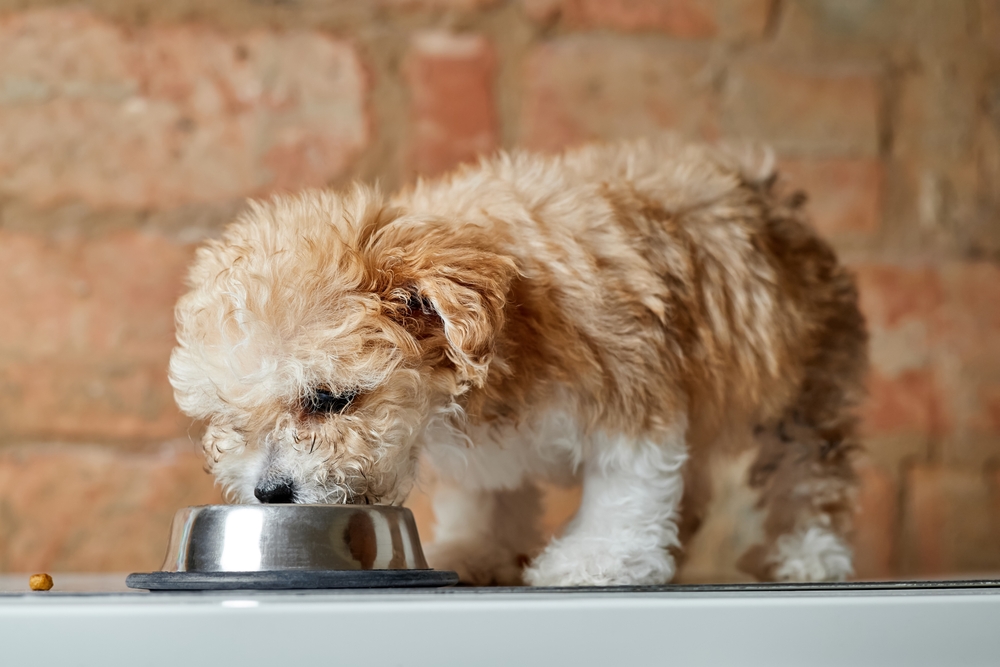
Stainless steel is another option that is much better than plastic bowls. These bowls also don’t harbor bacteria, are lightweight, and are easily accessible in virtually any pet-friendly store.
Stainless steel is easy to clean and will not rust. However, because it is a lightweight metal, it might be easier to tip and require some bracing.
4. Gravity Feeder
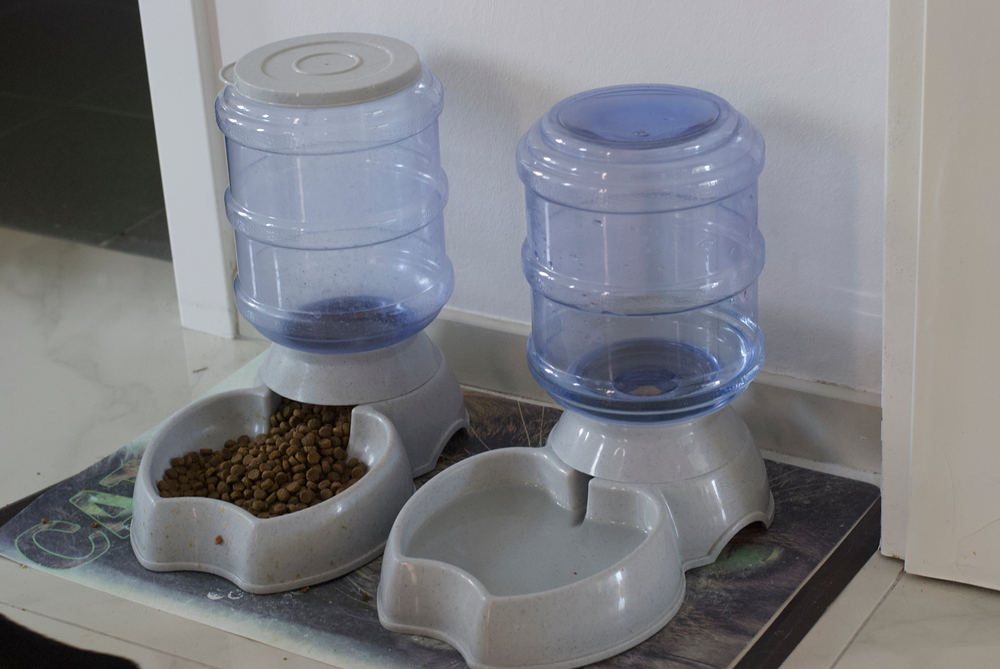
Gravity feeders are excellent options, but you do have to be careful. If you have multiple dogs and you’ll be gone throughout the day, a gravity feeder is a perfect way to give them more water without overflowing a water bowl.
You can get as fancy or as basic as you want with these, but the concept is the same. The only problem is that if you have a dog that doesn’t drink all of their water in a day, you will still have to dump out the contents and refresh their water at least once every 24 hours.
Many gravity feeders have plastic components, so if you don’t like the concept of microplastics, go with another option. However, they do make gravity feeders that are made out of more durable materials, so be sure to shop around.
5. Fountain
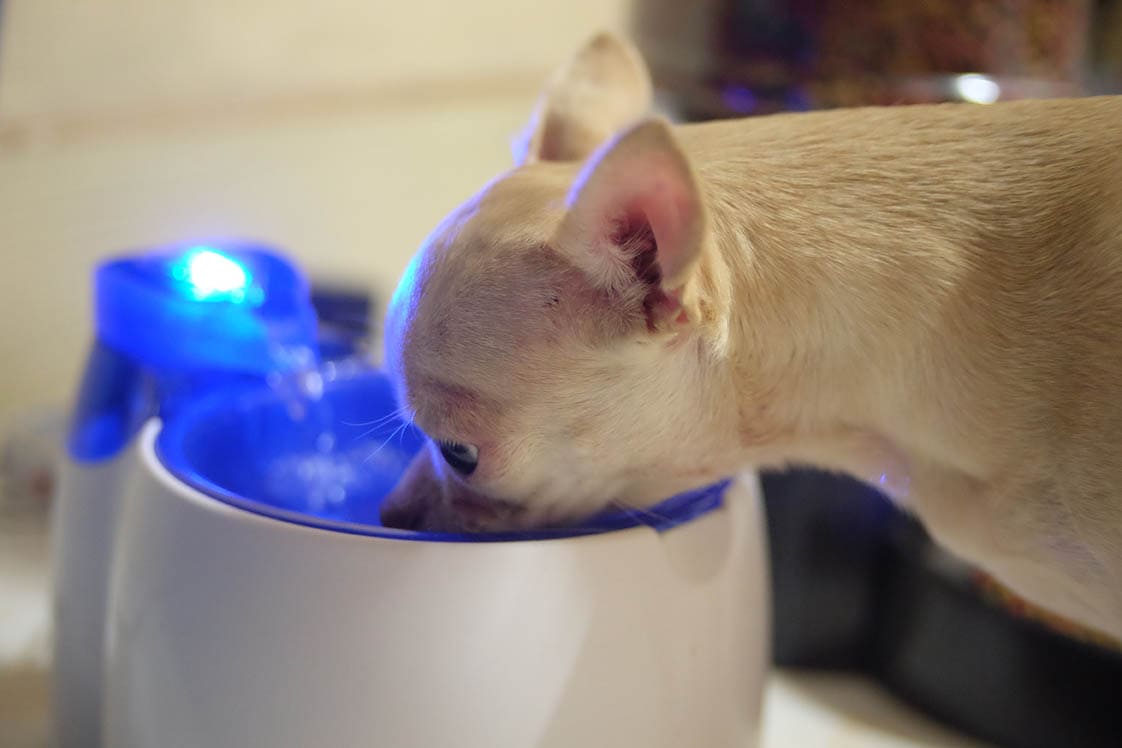
Fountains are another great option for dog owners. Fountains have natural filtration systems and provide a constantly flowing water source. This will help your dog’s water stay fresh all day long. Some of these can be complicated to set up and are more expensive than other options. However, if you get a high-quality fountain, many pet owners find that it pays for itself very soon.

Conclusion
Now you understand a little bit more about the kinds of water you can give to your pooch. It might seem like it doesn’t matter, but in all reality, it matters for pets and people like.
We may have lots of contaminants in our water, both tap and bottled, that could really use some addressing. If you don’t have access to fresh spring water, you should absolutely have a filtration system to purify existing water.
See also:
Featured Image Credit: Nicky J Graham, Shutterstock