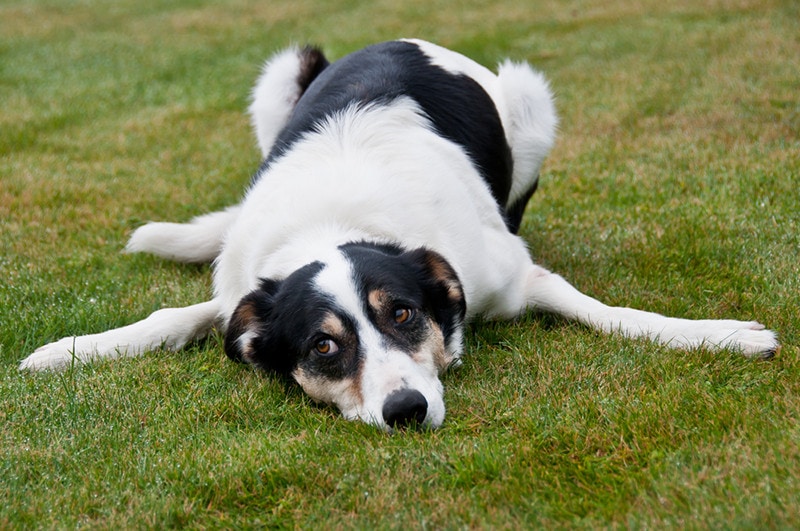
Ataxia is a sign of a medical condition rather than a disease itself, and it can be defined as general incoordination.1 At first glance, ataxia can look like muscle weakness. However, the problem lies within the sensory nervous system. Motor nerves and the dog’s strength are not affected.

What Does Ataxia Look Like?
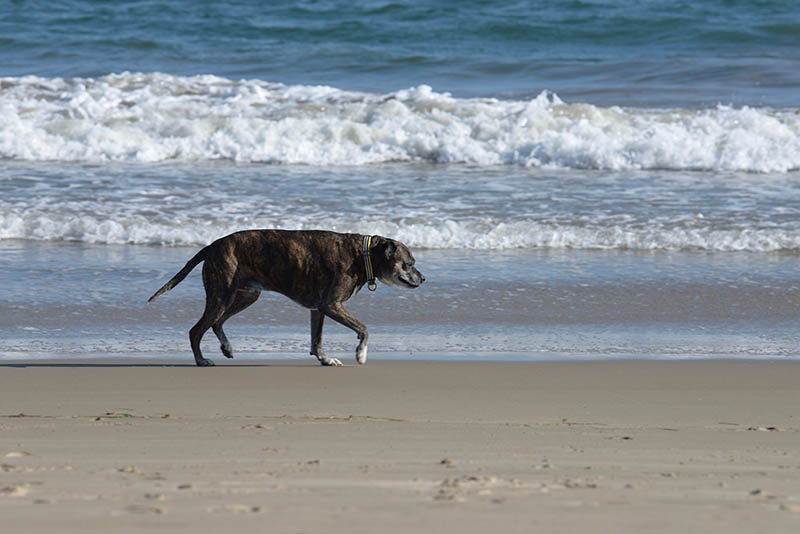
Clients often describe their dog as looking intoxicated. Signs may appear suddenly or gradually over time.
- Wobbliness
- Leaning, swaying, or falling over
- Walking in circles
- Dragging feet and stumbling
- Standing with feet wide apart for balance
- Decreased appetite, nausea, or vomiting
In some cases, a head tilt may be present. Abnormal eye movements can also occur with certain types of ataxia.
If you suspect your pet is suffering from ataxia, you should contact your vet directly for an assessment. They can provide you with more information and a care plan.
If you need to speak with a vet but can't get to one, head over to PangoVet. It's our online service where you can talk to a vet online and get the advice you need for your dog — all at an affordable price!
Three Types of Ataxia
1. Vestibular Ataxia
The vestibular system is comprised of the brainstem and inner ear. It is responsible for interpreting how the dog’s body is oriented relative to the rest of the world, then coordinating movement in response. Vestibular ataxia classically produces a head tilt, though other signs are often present.
- Central vestibular ataxia (brainstem is affected): These dogs typically have an altered mental state (e.g., drowsiness). Common examples include brain tumors, vascular accidents, infections, and toxicity.
- Peripheral vestibular ataxia (inner ear is affected): Dogs may have drooping on one side of their face (Horner’s Syndrome) if facial nerves are affected. Examples include middle or inner ear infections and idiopathic vestibular disease, which typically occurs in geriatric dogs.
2. Cerebellar Ataxia
The cerebellum is the part of the brain responsible for coordinating fine motor movement. Dogs may appear normal when they are resting, but tremors occur when they stand up. Walking reveals an abnormal gait with exaggerated steps.
The primary example is cerebellar hypoplasia, which is when the cerebellum doesn’t form properly during fetal development. This can be the result of exposure to certain viruses or toxins in utero, genetic factors, or sometimes idiopathic (meaning an explanation isn’t found).
3. Proprioceptive Ataxia
Proprioception is awareness of where the head, body, and legs are in space. It relies on messages from sensory receptors in skeletal muscle, tendons, and joint capsules being able to travel along the spinal cord. Proprioceptive ataxia is different from vestibular and cerebellar ataxia because the signs occur from the neck down (the head is not affected). Dogs may drag their toes and not realize when their feet are “knuckled” over.
Proprioceptive ataxia is always due to spinal cord compression or damage, which affects how sensory information can be transmitted. Examples include trauma, inflammation, nerve degeneration, and tumors.

Which Type of Ataxia Does Your Dog Have?
Careful assessment of your dog’s signs helps your veterinarian figure out which type of ataxia is affecting them. Identifying where the problem is located narrows down the possible causes of your dog’s ataxia. It also helps determine which diagnostic tests will be most useful, what treatments may be needed, and the likelihood of your dog making a full recovery.
| Possible Causes | Common Signs | ||
| Vestibular | Central (brainstem) |
Tumor Stroke or brain bleed Bacterial, viral, or fungal infection Immune-mediated Metabolic disorders Toxicity Hypothyroidism |
Head tilted to one side Leaning, falling, rolling Walking in circles Abnormal eye movement Drowsiness (central) Horner’s Syndrome (peripheral) |
| Peripheral (inner ear) |
Inner ear infection Idiopathic (no cause found) Hypothyroidism |
||
| Cerebellar |
Cerebellar hypoplasia (usually hereditary in dogs) Infectious (e.g., canine distemper, Rocky Mountain spotted fever) Degenerative diseases (e.g., cerebellar abiotrophy) Inflammatory (e.g., GME*) Primary or secondary tumor Traumatic injury Toxicity |
Exaggerated limb movements Tremors (head, body, legs) Wide stance in back legs
|
|
| Proprioceptive |
Damage to the spinal cord due to traumatic injury, intervertebral disc disease, degenerative myelopathy, fibrocartilaginous embolism, or tumor |
Signs only from the neck down (head is not involved) Feet crossing over each other Dragging toes Feet “knuckling” over |
|
How Do Veterinarians Figure Out What’s Causing Ataxia?
1. Take a Thorough History
- Did your dog’s signs appear suddenly or gradually?
- Has your dog suffered an injury of any kind?
- What food(s) does your dog eat?
- Does your dog take any medication or supplements?
- Is there a chance your dog got into the garbage or any other possible toxins?

2. Observe Your Dog’s Movement
It can be helpful if you are able to bring in a video of your dog’s behavior at home, but it is not necessary.
3. Perform a Complete Examination
- Regular physical exam
- Neurologic exam assessing specific nerve functions

4. Do Diagnostic Testing
Depending on their findings, your veterinarian may recommend any of the following:
- Bloodwork and urine testing
- X-rays (with or without contrast dye)
- Computed tomography (CT) scan
- Magnetic resonance imaging (MRI) scan
- Analysis of cerebrospinal fluid
They may also suggest referring your dog to a veterinary neurologist. It is important to realize that this can mean a significant financial commitment. Neurologists often utilize advanced imaging (CT or MRI), which requires general anesthesia, and certain neurologic conditions require long-term treatment with expensive medications.
How Is Ataxia Treated in Dogs?
Treatment of ataxia depends on what is causing the signs. Some conditions, such as idiopathic vestibular disease, simply require supportive care while waiting for the signs to resolve. This may involve keeping your dog confined to a safe and comfortable location, helping them walk, and using medication to manage nausea. Intravenous fluid therapy is sometimes needed to help maintain hydration and administer medication if it can’t be given by mouth. Other forms of ataxia may require a hospital stay, surgery, or medication. Treatment may be short term or long term, depending on the condition being treated.
Certain conditions cannot be cured, such as cerebellar hypoplasia. Fortunately, it is not painful and does not tend to get worse over time.
Will My Dog Recover From Ataxia?
Prognosis depends on the cause of ataxia and varies widely. Some dogs can be expected to make a full recovery. Others, unfortunately, may have long-term signs or succumb to their disease, or their quality of life may be affected such that humane euthanasia is the kindest option.
Your veterinarian will be able to offer more specific expectations based on your dog’s condition.
Conclusion
Ataxia is a sign of an issue in a dog’s nervous system. The most common indicators that your pet has ataxia are wobbliness, walking in circles, and inappetence. You’ll need to take your pup to the vet for a proper diagnosis so they can administer the correct treatment. Depending on the cause of the ataxia, your dog may recover completely or continue to have lingering signs, though with your help, they can still have a full, healthy life.
Featured Image Credit: janecat, Shutterstock