

In this article
View 8 More +Adding a dog to your home can be a lot of responsibility and fun. However, deciding what breed you want to adopt can be a challenge. If you’re considering getting a smaller dog breed, we suggest the Bichon Frise. Not only are these dogs absolutely adorable, as they look like tiny cotton balls, but they’re affectionate and friendly!
You should know what you’re getting into before you adopt a canine, though, so we’ve compiled all the information you should know about the Bichon Frise. From the Bichon Frise’s history and origins to whether they get along with other animals, you’ll find all you need to know here!
Breed Overview
Height:
9.5–11.5 inches
Weight:
12–18 pounds
Lifespan:
14–15 years
Colors:
White, white & cream, white & apricot, white & buff
Suitable for:
Families, people who stay at home a lot, singles, seniors
Temperament:
Loving, playful, intelligent, affectionate
The Bichon Frise has been around for a long time and has a storied history (did you know they were circus dogs at one point?). These dogs are known for being people-oriented and highly entertaining, making them a wonderful addition to most households. Their beauty and charm attract others to them, which is fine by them as the Bichon Frise enjoys being the center of attention.
Bichon Frise Characteristics

Bichon Frise Puppies
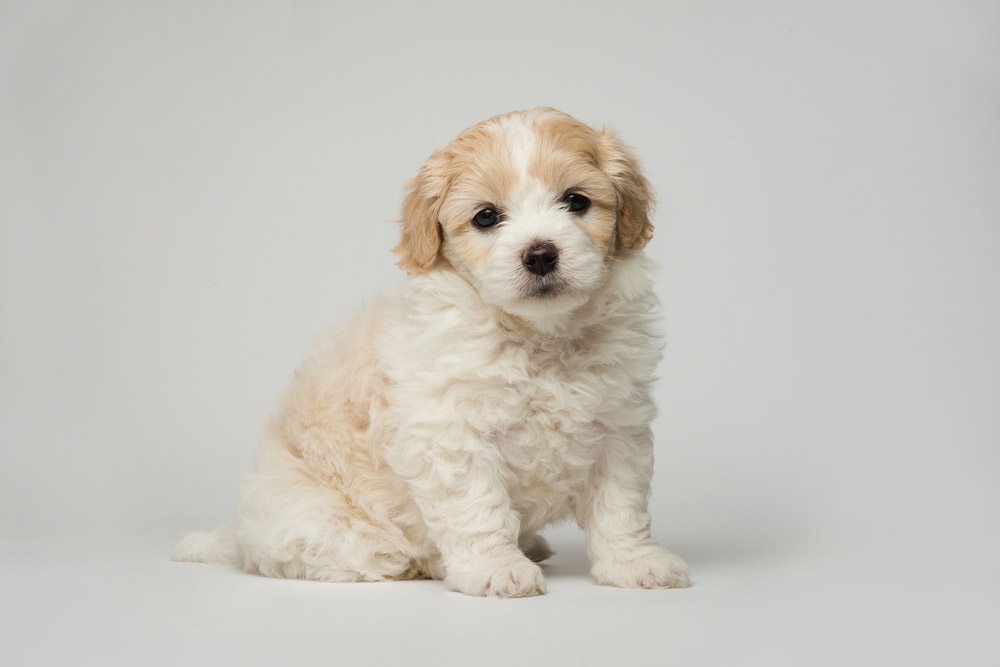
There’s a chance you may be able to locate a Bichon Frise puppy at your local animal shelter, but more likely, you’ll have to adopt your pup via a breeder or rescue organization. A rescue organization is, of course, ideal, and there are many of them out there that you can go through. If you do decide to go the breeder route, though, ensure you’re using a reputable breeder who has properly socialized their puppies, done health testing for the parents and is willing to answer all questions you might have.
Bichon Frise History & Origins
The Bichon Frise has a long and fascinating history. The Bichon Frise’s origins are believed to be somewhere in the Mediterranean. It is also thought that these dogs were brought to Tenerife in the Canary Islands by Spanish sailors. These pups became incredibly popular there but were known as the Bichon Tenerife at the time.
From the Canary Islands, the Bichon Frise made their way to Europe via Italian sailors sometime in the 14th century. In Europe, they quickly became a favorite of nobility and royalty, particularly in Italy, France, and Spain. However, this dog breed found their luck and popularity running out when the French Revolution came around. As many of these canines’ owners were sent to prison or the guillotine, the Bichon Frise lost their comfortable lives. Most were put out on the streets.
Once on the streets, though, this breed became a hit with street entertainers, organ grinders, and the circus. Why is that? Because this breed is highly intelligent and capable of being trained to do tricks (not to mention they’re adorable and love getting attention!).
Then, the two world wars happened, and once again, the Bichon Frise found themselves facing difficult times. Luckily, some breeders gathered a few of these canines off the streets and began breeding them, ensuring this breed’s survival. By the 1930s, the Bichon Tenerife was known as the Bichon Frison and was acknowledged as a show dog.
The Bichon Frise eventually made their way to the U.S. in 1956 and, in 1972, were recognized by the American Kennel Club (AKC).
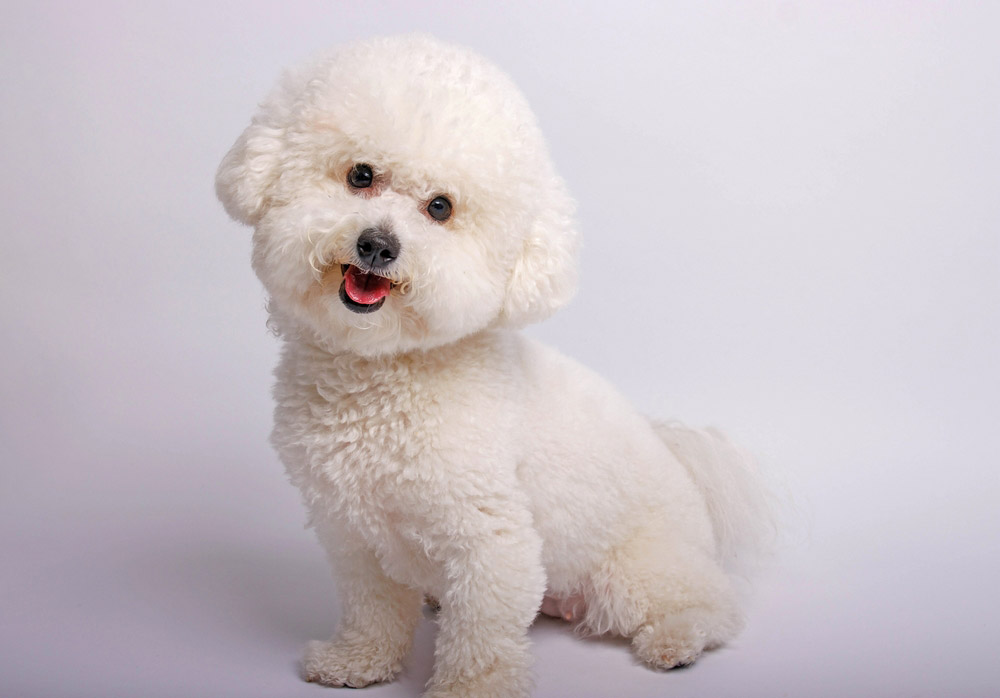
Temperament & Intelligence of the Bichon Frise
If you’re looking for a confident, friendly canine, look no further than the Bichon Frise. These pups may be small in stature, but their confidence is oversized. While they can make good watchdogs due to their curious nature and tendency to be on alert, they definitely aren’t guard dogs. The Bichon Frise is one of the happiest-go-lucky, friendliest dogs around. No strangers exist in this breed’s world, only people and animals they haven’t yet befriended!
While the Bichon Frise will enjoy playing with their humans, their favorite thing to do will likely be snuggling with you. This breed is highly people-oriented; in fact, they can be prone to separation anxiety at times. These dogs are entertainers, too, as evidenced by their past. They’ll love putting on a show for the family and be open to learning tricks to add to that show!
Are These Dogs Good for Families? 🧑🧑🧒
Yes! The Bichon Frise is a fantastic pet for families. They’re wonderful with children, and because of their smaller size, you don’t have to worry about a child accidentally getting knocked down by them. And despite their size, the Bichon Frise is much sturdier than it looks, so the dog should be fine even if children get overexcited occasionally. That’s not to say that kids shouldn’t be taught how to properly interact with a dog—they should—but if there’s a little overexuberance during play on occasion, there’s a bit less risk of this breed being injured. You should always supervise when children and dogs are at play, though, as accidents can occur.
These dogs are also wonderful for families with allergy sufferers, as the breed is considered a hypoallergenic one. Plus, the Bichon Frise can do well in houses or apartments because they’re small. These pups do become highly attached to people, though, and are prone to separation anxiety. So, if your family isn’t home much, this dog probably won’t be a good fit.
Does This Breed Get Along With Other Pets?
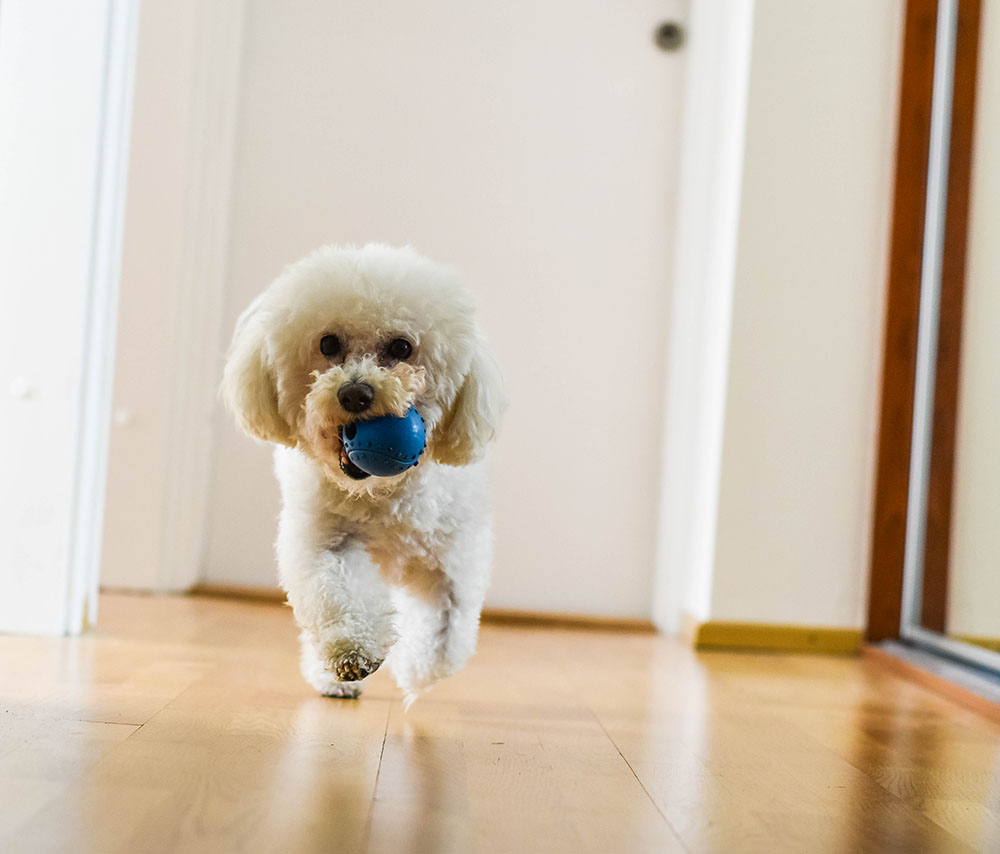
We weren’t kidding when we said the Bichon Frise is one of the friendliest pups out there! This friendliness absolutely extends to other animals in the home. No matter what type of other pets you have, this breed should be able to get along with them. Of course, early socialization is best, but even if you’re introducing a Bichon Frise to your home later in life, as long as you go slowly with introductions, things should be fine.

Things to Know When Owning a Bichon Frise:
You probably have many more questions about what’s involved in owning a Bichon Frise, so here’s a closer look at everything you should know!
Food & Diet Requirements 🦴
As with all canines, the Bichon Frise requires high-quality dog food. You’ll likely want to go with dog food specific to the dog’s life stage, size, or breed to ensure they get all the nutrients they need. These pups can sometimes be prone to obesity, so be sure you aren’t overfeeding your pet. If you’re unsure how much food your Bichon Frise requires, speak with your vet.
Also, be aware that these dogs are occasionally prone to food allergies. Watch your pet carefully when introducing foods, and check for signs of allergies, such as itchiness. If you suspect a food allergy, talk with your vet about what to do next.
Exercise 🐕
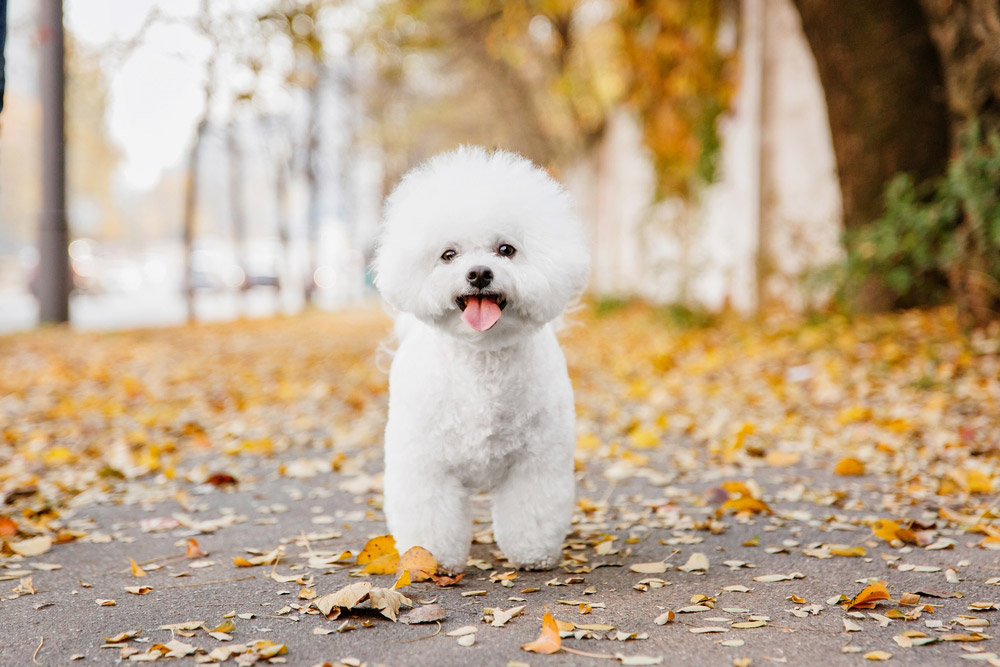
These pups are moderately active. Most of the time, they’re perfectly calm and content to cuddle, but those calm periods are interspersed with periods where they experience bursts of activity. They may start running around the house or in the yard when this happens.
The Bichon Frise will need about 45 minutes of exercise a day, which should include walks and play. Many of these pups are fond of doing obedience and agility competitions, so you may want to sign them up for classes for those things. You should also know that these pups are fast; always make sure you’re in a safe, enclosed area before taking them off their leash. If your pet decides to make a mad dash after something that’s caught their attention, they could be challenging to catch.
Training 🎾
The bad news when it comes to training a Bichon Frise is that the breed has developed a reputation for being difficult to house train. The good news is they’re easy to train in practically everything else due to their high intelligence. Begin any training with this dog extremely early and use only positive reinforcement. Also, remember to start socializing them at a young age to avoid problems later on. You should have a fairly easy time with your pup by training them early and keeping things positive. If you have issues, though, let a professional trainer lend a hand!
Grooming ✂️
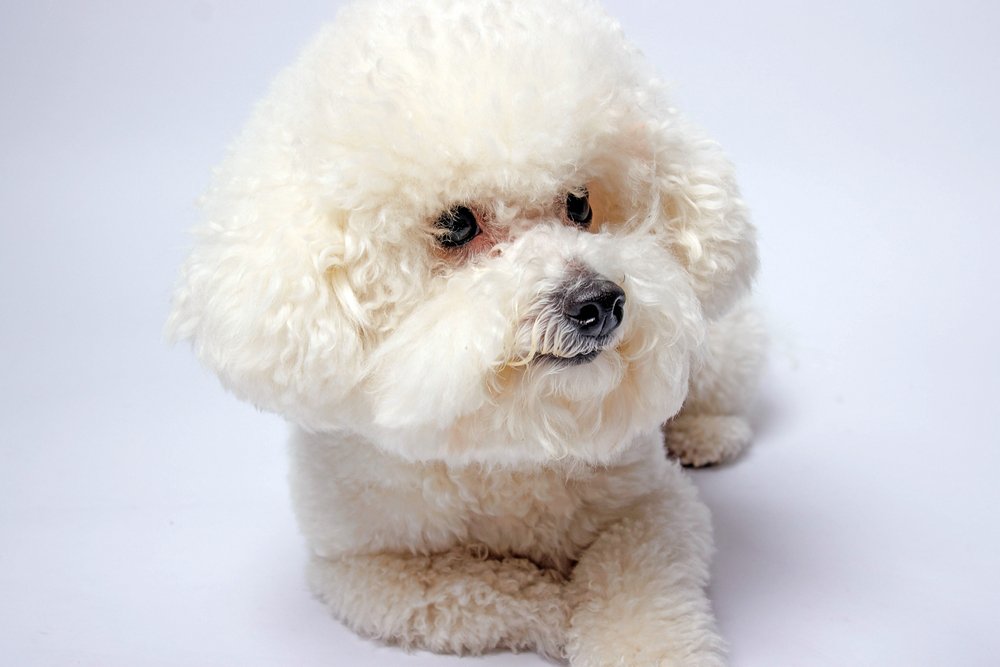
It probably won’t come as a surprise to learn that the Bichon Frise’s adorable cotton ball coat needs regular maintenance and upkeep. Ideally, these pups should be brushed every day. However, two to three times a week should suffice if you can’t brush them each day. These are low-shedding canines, but that floofy hair can get matted if they aren’t brushed enough.
You’ll also want to bathe your pup once a month and clip them at the same time. Most likely, you’ll need a groomer for this (though you can learn to clip your own dog if you have the time to learn how to properly do so). You may want a groomer to clip their nails, too, as nails should be regularly trimmed.
And don’t forget to brush your Bichon Frise’s teeth regularly! These dogs can be prone to dental disease, so it’s vital that you keep their teeth and gums healthy.
- Also see: Best Dog Shampoos – Reviews & Top Picks
Health and Conditions 🏥
The Bichon Frise is a pretty healthy breed, but they have a few conditions they’re more prone to developing. If you’re getting your dog via a breeder, the breeder should have tested for some of these, so be sure to ask them about it.
- Dental disease
- Ear infections
- Allergies
- Bladder infections
- Hip dysplasia
- Luxating patella
- Cushing’s syndrome

Male vs. Female
There is little difference between male and female Bichon Frise other than the fact males may be a little taller and heavier than females. Some Bichon Frise owners say that males are a little more playful while females are more independent, but this is anecdotal. Whether a male or female is suitable for your family mostly depends on personal preference.

3 Little-Known Facts About the Bichon Frise
What else is there to know about the Bichon Frise? Here are three facts of which you might not be aware!
1. A Bichon Frise was in Silence of the Lambs.
If you have seen this movie, you know the scene where the Bichon Frise is in. The dog’s name was Darla, and she was in a few movies and TV shows in the late 1980s and early 1990s. Silence of the Lambs was definitely her big break, though!
2. You can find Bichon Frise in artwork.
In particular, you can find this breed in paintings by Francisco Goya.
3. The Bichon Frise is excellent at doing the job they were bred for.
The Bichon Frise was originally bred to be a companion dog. The breed is so good at this job that people used them to barter with in the past, as their value as companion dogs made them worth their weight in gold!
Final Thoughts
The Bichon Frise makes a fantastic addition to practically any household. Whether you’re a family or single, live in an apartment or house, or are young or old, this breed will thrive. These pups love being around their people, are outgoing and friendly, and love to entertain. They can be prone to separation anxiety, though, so if yours is a home where people aren’t around a lot, you’ll want to go with a different breed. But if you live in a house where someone is home most of the time and decide to adopt one of these pups, you’ll have a friend for life!
Featured Image Credit: Eudyptula, Shutterstock

























2 Responses
saw an article comparing the Coton to havanese. how do the Bichon fridge compare to coton?