Get

In Your Inbox

Dogster is reader-supported. When you buy via links on our site, we may earn an affiliate commission at no cost to you. Learn more.

Can Dogs Eat Tomatoes? Health & Nutrition Facts

Share

Can Dogs Eat Tomatoes

Whether eaten raw or cooked in a delicious sauce, tomatoes are a staple of many human diets. If you’re tempted to slip your dog a slice, you’ll first want to determine whether dogs can safely eat tomatoes. Ripe tomatoes are safe to feed your dog in moderation.

In this article, we’ll cover why dogs can eat ripe tomatoes and why you must be cautious with other parts of the plant. Plus, you’ll learn whether tomatoes provide health benefits to dogs and whether some common tomato-based foods are safe to feed your dog.

divider single dog paw oct 2024

Why Can Dogs Eat Tomatoes?

Tomatoes contain a component called tomatine, which is an alkaloid that, in high concentrations, can be toxic to dogs. However, tomatine is mainly found in the green parts of the plant, including unripe tomatoes. Ripe tomatoes contain very little, which is why they’re considered safe for dogs to eat.

A dog would have to eat a lot of ripe tomatoes to experience adverse effects from the tomatine. Because tomatoes (and other human foods) should only be offered as a treat, most dogs tolerate them well. Treats should comprise only about 10% of your dog’s daily calories.
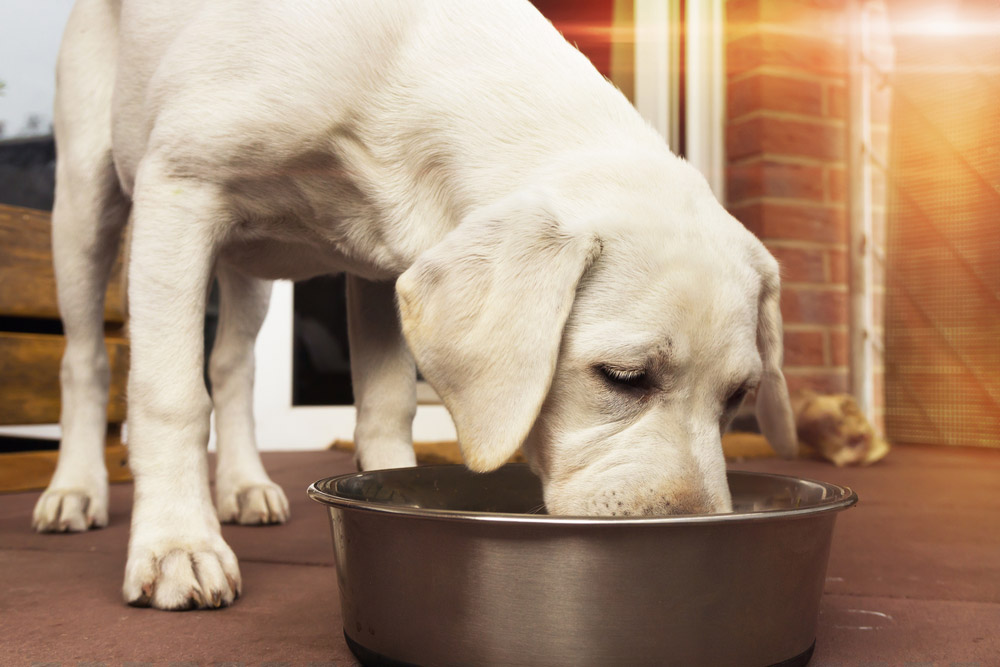
labrador puppy eating from metal bowl
Image By: manushot, Shutterstock

Benefits/Dangers of Feeding Tomatoes to Dogs

Benefits

Tomatoes and other safe fruits and vegetables make good snacks for dogs because they’re low in calories. In addition, tomatoes contain several beneficial nutrients, including potassium, antioxidants, and Vitamins A and C.

Dogs are considered omnivores, so they can successfully process and utilize the nutrients from plant-based foods, such as tomatoes.


Dangers

As mentioned in the previous section, tomatine can be toxic to dogs in large enough amounts. Never feed your dog green tomatoes or allow them to chew on the stems or leaves of the plant. If you grow tomatoes in your yard or garden, ensure your dog can’t access them.

Signs of tomatine poisoning in dogs include:

  • GI upset
  • Ataxia or “drunk” walking
  • Weakness

Before feeding ripe tomatoes to your dog, remove any remaining stems and leaves. Contact your veterinarian if you suspect or confirm your dog has eaten parts of a tomato plant.

If you need to speak with a vet but can't get to one, head over to PangoVet. It's our online service where you can talk to a vet online and get the advice you need for your pet — all at an affordable price!

PangoVet_Mention-in-Content Savings V1

Can Dogs Eat Tomato-Based Foods Like Sauce or Soup?

Tomatoes are the star ingredient in several popular recipes, like pasta sauce, salsa, Pico de Gallo, and everyone’s favorite comfort soup. However, you should avoid sharing any of these foods with your dog. Tomatoes may be safe, but many other ingredients commonly found in the recipes are not.

Onions, garlic, and similar seasonings are toxic to dogs due to sulfur compounds that cause anemia. Sauces and soups often contain a lot of sugar and some fat as well, which aren’t healthy for dogs, leading to weight gain over time. Even a one-off fatty meal has the potential to cause pancreatitis. Giving your dog slices of fresh tomatoes is much safer than meals or products made with tomatoes.

How to Feed Tomatoes to Your Dog

Ripe tomatoes can be fed raw, mixed with your dog’s food, or as a standalone treat. However, it’s vital to wash the fruit to remove pesticides and cut it into bite-sized chunks. You can base the amount of tomato you offer on the size of your dog.

Tiny dogs should be fed one or two chunks per day, but giant breeds may tolerate up to five or six chunks. As with any new food, start by offering your dog a small amount of tomato and monitor their reaction. Even safe foods can upset your dog’s stomach at first.

divider dog paws 3 oct 2024

In Conclusion

The most important part of your dog’s daily diet should be a nutritionally balanced food formulated for canines. If they eat dog food every day, they should receive all the nutrition they need. Treats, including tomatoes, aren’t essential to your dog’s daily diet but can provide beneficial nutrients.

Plus, they can be useful as rewards for training. Before introducing tomatoes to your dog’s diet, consult your veterinarian. This precaution is especially crucial if your dog is on prescription food or managing a chronic health condition.


Featured Image Credit: Josephine Baran, Unsplash

Want content like this delivered to you?

Sign Up For Our Newsletter

News, insights, expert advice, and everything dog

* By submitting, you agree to our Terms & Conditions and Privacy & Cookies Policy.


How useful was this post?

Click on a star to rate (you can leave written feedback after clicking submit)

Help us improve Dogster for pet parents!

Your feedback really matters.

What did you like about this post? Also how can we improve it?

Join the conversation

Leave a Reply

You’re very welcome to leave a comment or question. Please know that all comments must meet our community guidelines, and your email address will NOT be published. Let’s have a positive and constructive conversation.


Talk With A Vet Online

Peace of mind,
anywhere, anytime

Affordable vet advice

Marigold Shocks Her Owner By Delivering 17 Irish Doodle Puppies in a Single Day

The one question vets hate hearing as they ultrasound expectant canine mothers is “how many puppies are there?” The reason is that, on...

Dogster’s Weekly Photo Contest Winners: Out Adventuring (March 12, 2026)

Every week our team gets the privilege of sorting through our readers photos to choose what dogs will win this weeks contest! See...

Ask Dr. Paola- Help! My Dog Gets Reoccurring UTIs (March 9, 2026)

Welcome to our “Ask Dr. Paola” series, where every Monday we bring expert advice straight from Dr. Paola Cuevas (MVZ) to help our...

DIY Repellents for the Dog Who Thinks Everywhere Is His Toilet

Dog urine and everything nice have a complicated relationship. One thrives, the other suffers, and if you’re reading this, you already know which...

More related

15 Rules of Dog Park Etiquette: Vet-Approved Guide

Dog parks are a great way to let your dog have outdoor fun, get socialization time with other pups, and form a better...

How to Certify an Emotional Support Dog: 4 Steps to Take (Vet-Reviewed)

Our canine companions improve our lives in a myriad of ways. However, dogs can improve things immensely for those dealing with emotional or...

Why Do Dogs Whimper in Their Sleep? 6 Vet-Verified Reasons

We all need and enjoy sleep. It gives our body a welcome rest from the tensions and worries of the day, and it’s...

What Can I Give My Dog for Pain Relief at Home? 8 Vet-Recommended Options

It’s never nice knowing, or suspecting, that your dog is in pain. To make things harder, they can’t tell us why they are...

Keep reading

My Dog Ate a Chicken Bone, What Do I Do? (Vet Answer)

You may have been warned about the dangers of dogs eating chicken bones, and with good reason. Eating a chicken bone can be dangerous for a dog. So, whether your dog gulped down a chicken bone without chewing or if...

My Dog Ate a Chicken Bone

What Is Salmon Meal in Dog Food? Vet-Approved Facts & FAQ

Salmon meal is a rich, protein-heavy ingredient. Typically, it is created by drying salmon to remove most of its moisture content. This leaves a dried meal that is usually broken down into a powder. Since dry dog foods have little...

smoked salmon outdoors

Why Is There No Pork in Dog Food? 5 Vet-Reviewed Reasons

Pork isn’t an ingredient in dog food that is completely unheard of, but it is much less common than others. If you check the back label of your dog food, you might see pork as an ingredient somewhere in the...

ham pieces cut up on a wodden cutting board pork meat

Best Canned Pumpkin for Dogs: Our Top 6 Picks in 2026

Pumpkin isn’t just an autumn treat anymore—especially when it comes to your dog. Canned pumpkin is a popular treat and dog food topper, and many dogs can’t get enough of it! It’s also a healthy superfood that has many benefits...

Dog beside Pumpkin

What Is Animal Digest in Dog Food? Vet Reviewed Benefits & Drawbacks

Animal digest is an ingredient used in dog and cat foods to improve palatability. Dairy products, amino acids, and fats or fatty acids are other traditional palatants (also called flavor enhancers) added to dog and cat foods to make them...

man checking dog food label

Why Does My Dog Walk Away From Their Food? 3 Vet-Reviewed Reasons & What to Do

If you’re noticing that your dog likes to check out their food but doesn’t actually do much eating, it can be extremely frustrating. Or perhaps you’re finding that your dog is taking their food out of their bowl to eat...

dog not eating its food

Can Dogs Eat Rotisserie Chicken? Vet-Approved Benefits, Risks, & FAQ

Who can resist the mouthwatering aroma of a perfectly cooked rotisserie chicken? Whether it’s a family gathering, a summer picnic, or a quick and convenient dinner option, rotisserie chicken has become a popular choice for many. But what about our...

Can Dogs Eat_Rotisserie Chicken

Can Dogs Eat Clover? Vet-Verified Facts & FAQ

Dogs often get into things that aren’t good for them, including toxic plants that grow in your yard. Clover grows in many parts of the world, but is it safe for dogs? Yes, clover is safe for dogs in small...

Can Dogs Eat_Clover

Love Dogs? So Do We! Join the Dogster Community

Stay informed with expert pet care insights delivered straight to your inbox! Discover professional guidance on animal behavior, feeding tips, trusted product picks, and much more.


Sign up for the Dogster Email Newsletter