


Have you ever noticed your dog foaming at the mouth? It is not a pleasant site, and it may not be immediately obvious what is causing it. While many people worry about rabies, this is relatively rare in many parts of the world, especially in vaccinated dogs.
The other causes of foaming at the mouth vary from non-life threatening (such as stress, nausea, and dental disease) to very serious (such as heat stroke, seizures, and toxins). Below, we summarize the 8 most common causes of canine mouth-foaming.

The 8 Reasons Your Dog May Foam at the Mouth
1. Stress
Stress, anxiety, and excitement can all cause foaming at the mouth. This is the result of drooling and panting, sometimes combined with barking or vocalizing, which causes a dog’s drool to aerate and appear foamy. New people, unfamiliar dogs, loud sounds, visits to the veterinarian, and many other situations can cause stress for some dogs.
Treating anxiety and avoiding stress is the only way to prevent this cause of foaming at the mouth. We recommend discussing this with your veterinarian in order to design a holistic stress-reduction plan.
If you need to speak with a vet but can't get to one, head over to PangoVet. It's our online service where you can talk to a vet online and get the advice you need for your dog — all at an affordable price!

2. Nausea
When dogs feel nauseous, they drool. This can result in foamy saliva in and around their mouth. A full exploration of the causes of nausea in dogs is beyond the scope of this article. Common causes include gut upset, intestinal blockage (“foreign body”), car sickness, and medication reactions.
Nausea is often accompanied by vomiting and lip-smacking, but not always. Nausea warrants a visit to the veterinarian; further investigation may be needed, though symptomatic treatment may also be appropriate (to stop them feeling so ordinary!).
3. Heat Stroke
Some dogs don’t know their exercise limits; other dogs, such as brachycephalic (flat-faced) breeds, struggle in hot conditions. Both of these factors can lead to overexertion and subsequent heat stroke. Panting and drooling lead to foam at the mouth, though many dogs suffering heat stroke will also collapse.
Vomiting, diarrhea, and dehydration are common. In mild cases, managing heat stress is just a matter of stopping your dog from exercise, cooling them down, and ensuring they drink. Severe cases can be life-threatening, as organ damage occurs, requiring urgent veterinary intervention.
4. Toxins and Poisons
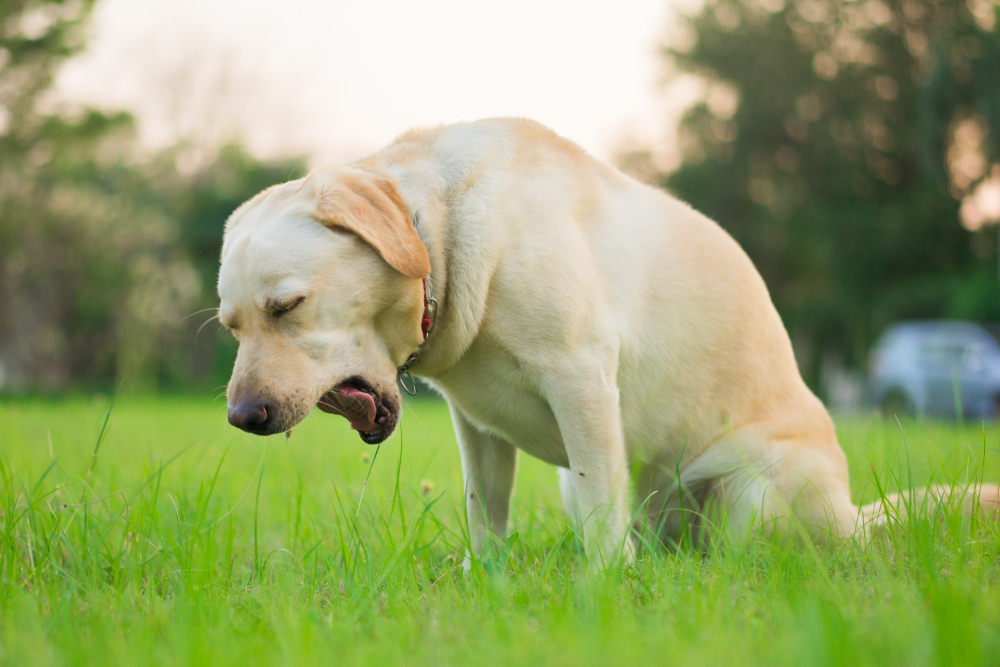
Dogs are inquisitive by nature, and they are notorious for eating things they shouldn’t. Some non-food items that dogs eat or lick can cause foaming at the mouth, as the body has a significant inflammatory reaction to this substance.
Cleaning products, fertilizers, snail bait, and other chemicals can all cause foaming at the mouth, as can electrical burns to the oral cavity. Some frogs and amphibians will elicit a similar response if licked.
5. Dental Disease
Dental disease and oral health problems can cause foaming at the mouth. Again, this is due to excess salivation and subsequent aeration of saliva. The most common form of dental disease in dogs is periodontal disease.
This refers to plaque and calculus accumulation on teeth, leading to inflammation of the gums and sometimes tooth-root-abscesses. Broken and decayed teeth can also develop. Lumps and tumors within the mouth may cause similar signs.
6. Seizures
Dogs can experience seizures just like people can. The most common cause of seizures in dogs is epilepsy. Besides likely genetic links, it remains unknown what causes epilepsy in dogs. Other causes such as toxins, infections, and brain tumors can also cause seizures. Owners often report that their dog was foaming at the mouth when it had a seizure.
Additionally, seizures cause loss of consciousness, muscle spasms, paddling, and urination/defecation. Do not hesitate to call your nearest emergency vet if your dog has experienced (or is experiencing) a seizure.
7. Rabies
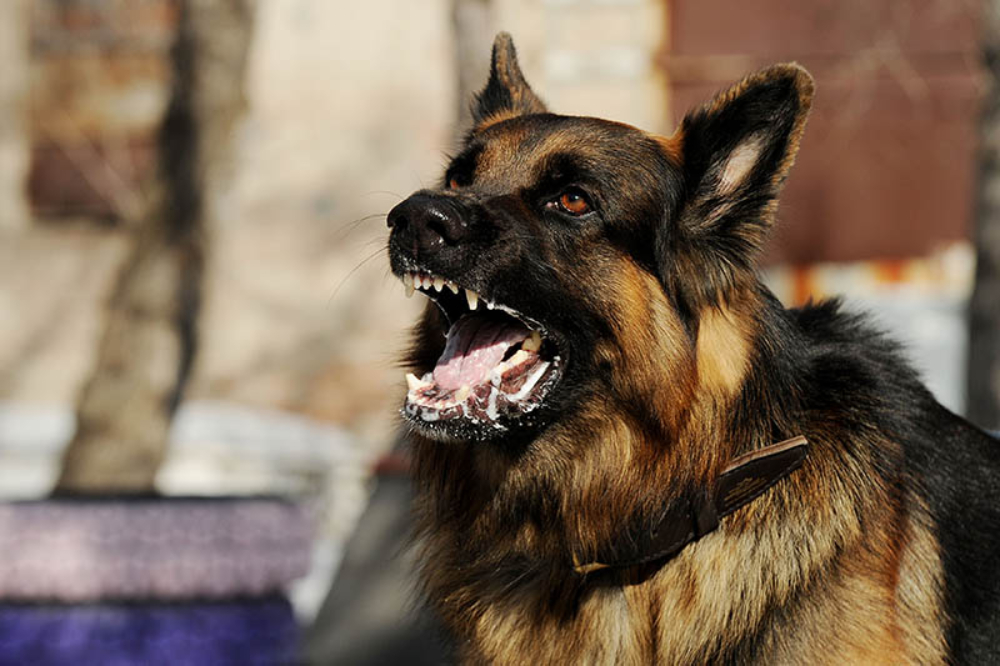
Thanks to the introduction of mandatory vaccination, the spread of rabies through North America has been largely halted. If your dog is vaccinated, rabies is very unlikely to be the cause of their mouth-foaming. Rabies is usually spread by biting from an infected dog.
Affected dogs also exhibit behavioral changes, aggression, seizures, paralysis, and inability to eat or drink. If you notice any of these symptoms, it is worth arranging a consultation with your veterinarian, even if rabies exposure is unlikely.
8. Normal Drooling
Despite all of the above causes of foaming at the mouth, it is important to remember that some dogs will foam at the mouth occasionally, and this is completely normal! This can be the result of normal drool that has become aerated, meaning lots of oxygen is getting into the saliva.
If it happens rarely, for a brief period of time, and your dog is otherwise completely fine, it may be reasonable to adopt a “watch and wait” approach.

Conclusion
There are numerous causes of foaming at the mouth in dogs. Some of these are benign, and others are more sinister. If you notice your dog foaming at the mouth, remain calm; try to get a look in their mouth, and check for any other unusual signs.
As always, do not hesitate to contact your veterinarian for help.
Featured Image Credit: Reddogs, Shutterstock
 The 8 Reasons Your Dog May Foam at the Mouth
























2 Responses
I can't afford emergency vet and my dog is real sick vomiting diarrhea and won't eat and I'm really worried it's been 2 days
Hi Regina, I’m really sorry to hear that your dog is so sick—it must be such a stressful time for you. Vomiting, diarrhea, and not eating for two days are definitely concerning signs. If an emergency vet is currently out of your budget, we do have an online vet service that could be more affordable and our experienced vets can help you create a plan for care in the meantime. You can book a time that is convenient for you at this link here https://pangovet.com/schedule-appointment/. We look forward to speaking with and helping you and your dog.