In 2004, the first cases of canine flu (H3N8) were noted in a group of Greyhounds in the US. The virus was identified for the first time in 2005 and is thought to have mutated from a similar strain in horses. It has since spread across the US.
In 2007, another strain of flu (H3N2) from Asia was noted to infect dogs, originally making the jump from birds. Sadly, in April 2015, this virus was identified on US shores and is now also prevalent in many US states. So, if the dog flu is some kind of canine pandemic, how serious is it, and what can you do to protect your dog? Read on to find out more.

What Is Dog Flu?
Dog flu is a viral respiratory illness that can infect any dog. It is spread through nasal discharge and saliva. When an infected dog coughs or sneezes, its fluids contain the virus, which can be transmitted directly to other dogs or objects. The disease is prevalent in dog kennels and shelters.
Contaminated objects can hold the live virus for up to 48 hours, which means the infection can spread through bowls, toys, and leashes shared between dogs or when a dog enters an infected area. People can also spread the virus from dog to dog on their clothing.
Once infected, a dog incubates the virus for 2–4 days before showing signs of illness. They are very contagious during this period, which makes the disease hard to stop. How do you quarantine an infected dog if they don’t show any signs of illness? On top of that, around a quarter of dogs never show any signs of illness but spread the virus for around 20 days.

What Are the Signs of Dog Flu?
As mentioned earlier, some dogs will not show any signs of illness, but about three-quarters will develop respiratory signs, including:
- Coughing
- Runny nose
- Fever
- Lethargy
- Ocular discharge
- Poor appetite
Most dogs will improve in 2–3 weeks. Severely affected dogs can develop secondary pneumonia, which is life-threatening, but the deaths of otherwise healthy animals are very rare. The H3N2 strain is the worst of the two as it seems to cause more severe signs.
Some risk factors make certain dogs more susceptible to severe signs of dog flu. Geriatric or young dogs with naturally weaker immune systems are more vulnerable. Brachycephalic (flat-faced) breeds like Pugs, Bulldogs, and Boston Terriers are more prone to worse respiratory signs. Finally, dogs with pre-existing heart or lung diseases could be affected more by the virus.

What Are the Causes of Dog Flu?
Dog flu is an influenza virus, a type that most people are familiar with, some of which can cause the flu in humans. You may have heard of viruses called “H1N1” or “H3N2” circulating in the human population; they are ways of classifying influenza viruses. H refers to the type of “hemagglutinin,” and N refers to the type of “neuraminidase,” both of which are surface proteins.
The viruses are also named for the species from which they were first identified. For example, H1N1 and H3N2 are also known as swine flu, as they originated in pigs. There are two types of canine influenza: H3N8 and H3N2 (genetically different from the swine flu mentioned above).
How Do I Care for a Dog With Flu?
Prevention Strategy
Vaccinations are available against both strains of dog flu, and you should speak to your vet about potentially vaccinating your dog. People with at-risk dogs and those who travel or spend time in group housing should consider vaccinating their dogs, as well as those in more prevalent areas. As with any vaccination, it does not prevent the disease 100% of the time, but if your vaccinated dog were to get dog flu, they would likely have milder signs and clear the infection more quickly.
Seek Veterinary Care
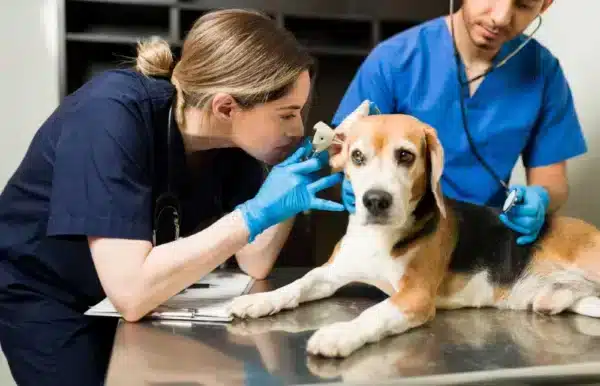
If your dog has any respiratory signs, it’s vital to contact your vet. However, you should seek emergency veterinary care if your dog is very lethargic or has breathing difficulties. Your vet will assess your dog and, if necessary, test for the virus.
If you need to speak with a vet but can't get to one, head over to PangoVet. It's our online service where you can talk to a vet online and get the advice you need for your pet — all at an affordable price!
Your vet will recommend a treatment plan based on your circumstances, but it may include:
- A period of rest in a warm, comfortable area
- Access to good food and fresh water
- Fluid therapy or electrolytes
- Cough suppressants
- Antibiotics
- Imaging or blood tests
- Monitoring during recovery
- Hospitalization
Quarantine Your Dog
You should quarantine your dog until they stop showing signs of illness and for at least 4 weeks to ensure the virus doesn’t spread. Quarantine also includes the environment and objects in the environment. If your dog has dog flu, you should change your clothes and wash and sanitize your hands before touching other dogs.
Nebulization and Coupage
Nebulization and coupage is a type of respiratory physical therapy that can help clear respiratory excretions, especially if an infection occurs. You can perform this at home.
Nebulizers create a mist of water to moisten the respiratory tract when your dog inhales it. If you don’t have a nebulizer, hot steam from a shower can work, too. Coupage is when you gently tap the chest to loosen respiratory excretions and help your dog bring them up.
The process should only take 10–20 minutes for your pet to inhale the vapor and about 30 seconds to do the coupage. When doing this, it’s not worth stressing your pet out. If they become stressed or even try to bite, you should stop.
If your dog has pneumonia, your vet may recommend this three times a day for 1–2 weeks. Less severely sick animals might only need this once daily until the signs resolve, but you should ask your vet for specific directions.
Frequently Asked Questions (FAQ)
Dog Flu vs Kennel Cough: What’s the Difference?
Dog flu and kennel cough result in very similar signs, and some people consider dog flu a cause of kennel cough. Kennel cough can be caused by one of many infectious agents, including Bordetella bronchiseptica bacteria, canine adenovirus, and parainfluenza virus.
Can Dogs Transmit Influenza to Humans or Other Animals?
Cats can get the virus from dogs, so they should be included in your quarantine plans. No cases of canine influenza in humans have been reported to date. Influenza viruses commonly mutate, creating new strains that can sometimes spread to new species.
It’s possible for a strain to emerge that could infect people. The Centers for Disease Control and Prevention (CDC) and Health Canada are monitoring the situation.
How Can I Take My Dog’s Temperature?
Monitoring for fever is an excellent way to monitor your dog’s recovery from dog flu. If your dog unexpectedly spikes a fever or the fever does not resolve, they will need veterinary treatment. The best way to take your dog’s temperature is to insert the tip of the thermometer into the anus gently.
You should lubricate the tip with petroleum jelly or another lubricant and have someone hold your dog while you take their temperature. However, please do not stress your dog trying to take their temperature.
Sometimes, it is best left to the professionals. You can try to get a reading by placing the thermometer under their arm, close to their body, but it will be less accurate.

Conclusion
The canine flu is now prevalent in many areas of the United States. The influenza virus spreads quickly since dogs can shed the virus before showing signs of illness, and some dogs never show signs. As with human influenzas, most dogs show relatively mild signs and recover without complications.
Some dogs develop severe signs and potentially life-threatening complications. At-risk dogs include young and old pups, brachycephalic dogs, and those with other medical conditions. If you’re concerned that your dog is at risk, you can always discuss vaccination with your veterinarian.
Featured Image Credit: Przemek Iciak, Shutterstock