Get

In Your Inbox

Dogster is reader-supported. When you buy via links on our site, we may earn an affiliate commission at no cost to you. Learn more.

How to Remove a Tick From a Dog: Vet-Approved Step-by-Step Guide

Share

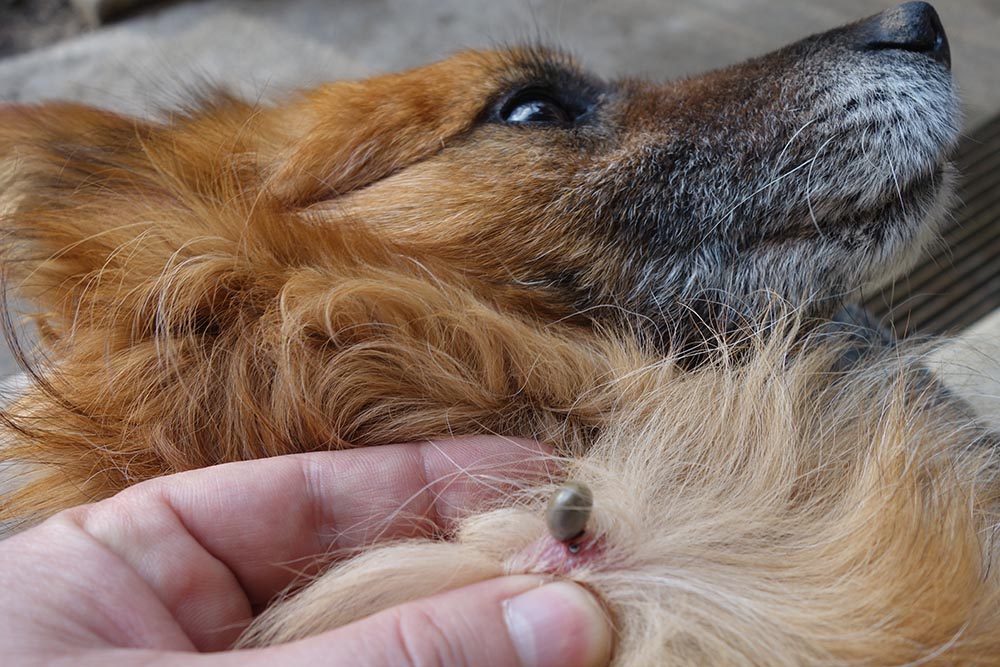
Tick on a dog

If your dog has a tick on them, it’s easy to panic. These parasites can carry diseases and are simply unpleasant creatures to encounter. But having a dog means it’s more likely you’ll need to deal with ticks from time to time, and if your dog gets a tick on them, you need to know how to remove it safely. It’s a more straightforward process than you might think, and with a bit of education, we’re confident that you can handle it!

Before You Start

While you don’t want to put off removing a tick from your dog, it’s essential that you have everything you need to do it right the first time. Waiting a few extra minutes won’t hurt your dog, but doing it wrong can! Before you jump right in and try to get the tick off your dog, there are a few supplies you’ll need to gather. These include:

  • Tweezers
  • Isopropyl alcohol
  • Rubber or latex gloves
  • Hand soap
  • Small container with a lid

In addition, prepare yourself. While removing a tick isn’t dangerous, it can make quite a few people uncomfortable. There’s nothing wrong with this; just take a few extra deep breaths before you start, and prepare yourself mentally before diving right in.
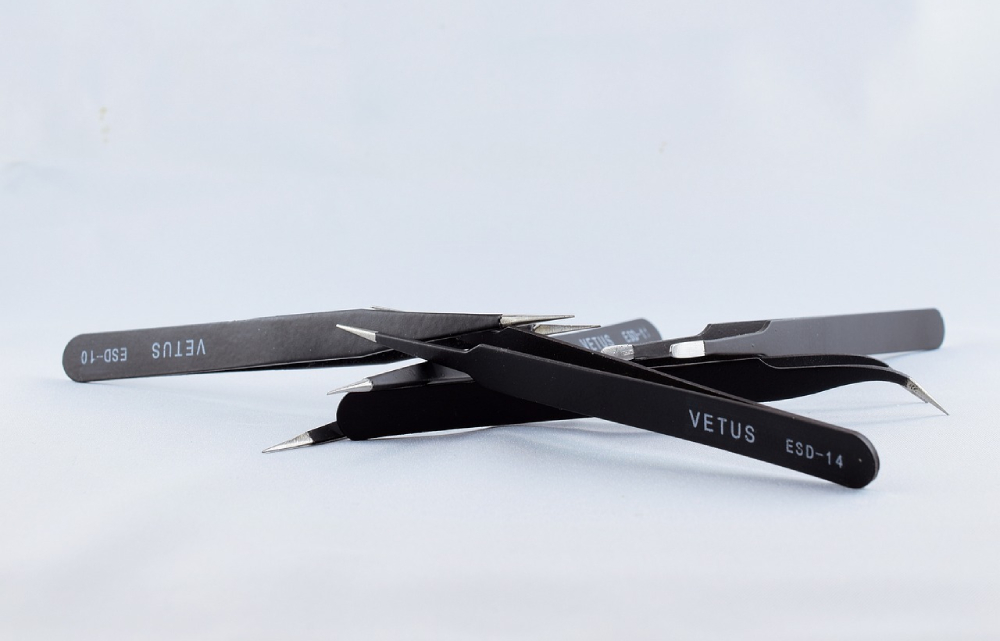
tweezers
Image Credit: aixklusiv, Pixabay

Did You Actually Find a Tick?

Ticks are usually tan, brown, or black, and they have eight legs. Some are tiny and only as large as the head of a pin, but they can also be larger and grow while feeding off their host. They often hide on your dog’s torso, between toes, around the legs, on the insides of the ear, and around the chin, neck, and face. Ticks can often be confused with skin tags, papillomas, or other random lumps and bumps, so make sure you see legs before you start pulling. As a side note, finding any unknown lump or bump should warrant a veterinary visit. Dogster_Website dividers_v1_Jan 18 2024-03

The 6 Steps to Remove a Tick From a Dog

While removing a tick can seem a little overwhelming at first, it’s actually a straightforward process. Take your time and follow these steps, and you’ll have a tick-free pup in no time!

1. Use Tweezers to Grab the Head

Put gloves on. Using tweezers, grab the tick as close to the tick’s head as possible without pinching your dog. The farther back on the tick’s body you are, the more likely it is to break off mouth parts. How easy it is to get to their head will vary depending on how far they’ve burrowed, but try to get as close to your dog’s skin as possible.
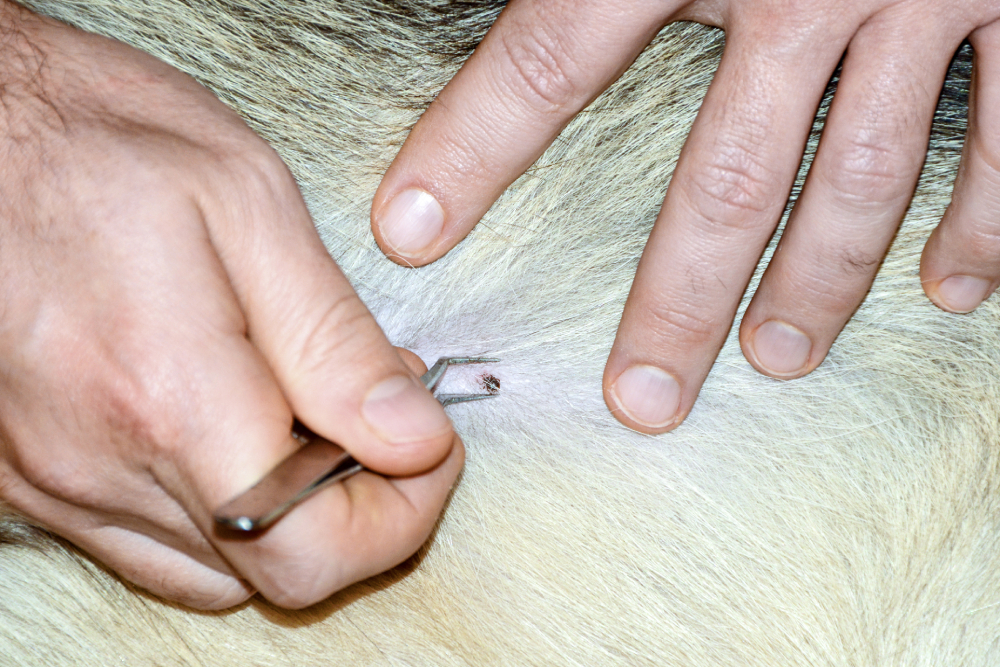
Man removing tick from dog with tweezers
Image Credit: Jen Helton, Shutterstock

2. Steadily Pull the Tick Straight Out

While there are misconceptions out there about twisting to remove a tick, it’s best to gently and steadily pull straight out. This makes it less likely to break off mouth parts, which minimizes the risk of irritation and infection.


3. Kill the Tick

Once you remove the tick from your dog, you’ll want to put the tick directly into isopropyl alcohol to kill them. Pour some into your container and drop the tick inside. This will keep them from wandering off and potentially biting you, your dog, or someone else.
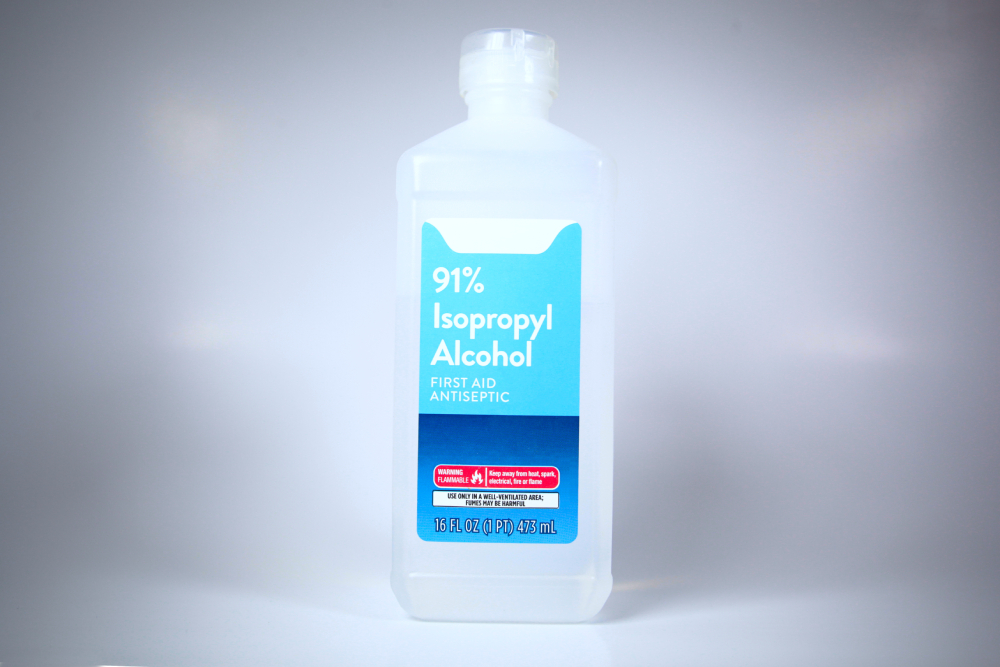
Isolated plastic bottle of 91% isopropyl alcohol with label
Image Credit: John Hanson Pye, Shutterstock

4. Clean the Tick Bite

After removing the tick, take a moment to disinfect the bite. You can wash the area with mild soap and warm water and rinse it thoroughly.


5. Wash Your Hands

Ticks carry diseases, and the last thing you want is to wind up sick because you removed a tick. Even though you used gloves, once you remove them, use soap and warm water to thoroughly wash your hands.

Person Washing His Hand
Image Credit: Burst, Pexels

6. Keep an Eye on Your Pet

As we already mentioned, ticks can carry quite a few diseases. While you don’t need to rush them straight to the vet after a tick bite, if they start to display signs of a tick-borne disease, you should take them in for testing.

Signs to look out for include:
  • Lameness
  • Swollen joints
  • Fatigue
  • Fever
  • Swollen lymph nodes
  • Loss of appetite
  • Reluctance to move

If part of the head came off during removal, immediately contact your vet.

If you need to speak with a vet but can't get to one, head over to PangoVet. It's our online service where you can talk to a vet online and get the advice you need for your pet — all at an affordable price!

PangoVet_Mention-in-Content Savings V1

Dogster_Website dividers_v1_Jan 18 2024-03

Preventing Future Tick Bites

It’s better to prevent tick bites than to treat them after the fact, and while there’s no 100% foolproof way to prevent tick bites, there are some things you can do to make them less likely. Start by keeping the grass in your lawn short and by limiting your pup’s access to popular tick hangout spots. Ticks love wooded areas and underbrush, so be especially careful in these locations. Next, always check for ticks when you come inside so you can remove them before they can burrow. Finally, your vet can recommend a preventative that can kill or ward off many tick species. Keep up to date with flea and tick prevention to so this doesn’t happen again.

Final Thoughts

Now that you know all about how to remove ticks and how to prevent future ticks, all that’s left is for you to get your pup on a preventative! Of course, if a tick bite seems like too much for you to handle, you can take them to their vet so they can do it for you, but you’ll still want to take them right away.


Featured Image Credit: Ivan Popovych, Shutterstock

Want content like this delivered to you?

Sign Up For Our Newsletter

News, insights, expert advice, and everything dog

* By submitting, you agree to our Terms & Conditions and Privacy & Cookies Policy.


How useful was this post?

Click on a star to rate (you can leave written feedback after clicking submit)

Help us improve Dogster for pet parents!

Your feedback really matters.

What did you like about this post? Also how can we improve it?

Join the conversation

Leave a Reply

You’re very welcome to leave a comment or question. Please know that all comments must meet our community guidelines, and your email address will NOT be published. Let’s have a positive and constructive conversation.


Talk With A Vet Online

Peace of mind,
anywhere, anytime

Affordable vet advice

From Fighting Ring to Cuddle Monster: Eli and the Importance of Fostering

We all know the importance of adopting pets from animal shelters, and how choosing to bring home a dog from a pet rescue...

Ask Dr. Paola- Help! My Dogs Are Overweight! (April 13, 2026)

Welcome to our “Ask Dr. Paola” series, where every Monday we bring expert advice straight from Dr. Paola Cuevas (MVZ) to help our...

Dogster’s Weekly Photo Contest Winners: Best Easter Photo (April 9, 2026)

Every week our team gets the privilege of sorting through our readers photos to choose what dogs will win this weeks contest! See...

We Didn’t Just Add a Dog to Our Life – We Built a Life With Him

“We didn’t just bring a dog home—we built a life together.” Most people are quietly taught a version of pet ownership that looks...

More related

Do Rhodesian Ridgebacks Like Water? Tips, Facts & FAQ

While every dog is different, the exotic Rhodesian Ridgeback isn’t a naturally water-loving pooch. Some of them love it if exposed to water...

Presa Canario Dog Breed: Info, Pictures, Care & More

The Presa Canario has a presence that you can’t fail to notice. They are large animals with a confident personality, and they were...

13 Italian Greyhound Facts You Should Know (Vet-Verified)

The Italian Greyhound is a sleek, elegant-looking sighthound that is essentially a miniature Greyhound. They are fast, lively, and playful, and they make...

10 Best Dog Foods for St. Bernards in 2026 – Reviews & Top Picks

Finding the right dog food is essential and can also be frustrating. You have to work through reviews and clever marketing strategies to...

Keep reading

Crave Dog Food Review 2026: Recalls, Pros & Cons

Review Summary Crave dog food is a newer brand that offers dry and wet food formulas. The brand promotes grain-free diets and features meat-based lean proteins. Like all AAFCO-approved brands, Crave offers complete and balanced nutrition for dogs. As with...

Dogster_Crave Dog Food Review

Can You Put Bacon Grease on Dog Food? Vet-Approved Facts & FAQ

While your dog probably works up a pool of drool every time you start frying some bacon, do not add the grease from the pan to your dog’s food. Bacon grease is rich, fatty, and salty—all things that should be...

bacon grease in hot pan

9 Ways to Keep Your Dog Out of Your Cat’s Food

For one reason or another, animals always seem to like food that doesn’t belong to them. Perhaps dogs think that cat food tastes better or that the food that doesn’t belong to them is always tastier! Either way, your canine...

labrador retriever eating dog food

10 Best Dog Foods for Bichon Frises in 2026 – Reviews & Top Picks

There are a few things to consider when looking at reviews for the best dog food for Bichon Frises. Keep in mind that a few of these options include ingredients for specific diets that are not required unless specified by...

Bichon eating

Can Dogs Eat Alfalfa? Vet-Verified Facts to Know

Alfalfa is an important grazing plant that feeds livestock worldwide. Many people wonder, can dogs can eat alfalfa? The short answer is yes, alfalfa is a healthy food for dogs. However, there are a few factors to consider before making...

Can Dogs Eat Alfalfa

Can Dogs Eat BBQ Chips? Vet-Approved Facts & FAQ

When you’re enjoying a bag of BBQ potato chips and your dog hits you with those pleading eyes, you might wonder if it would be okay to give your dog a few chips. Are they safe for dogs? Generally speaking,...

Can Dogs Eat_bbq chips

How Much Does a Cavalier King Charles Spaniel Eat in a Day? Our Vet Explains

The Cavalier King Charles Spaniel is a toy dog breed that’s among the most popular dog breeds kept as pets today. Ranking at #14 according to the American Kennel Club’s (AKC) popularity ranking for 2023, it’s evident that these charming...

cavalier king charles spaniel eating bone treat

Can Dogs Eat Squash? Vet-Verified Nutrition Facts & FAQ

Dogs are omnivores (facultative carnivores) and can both eat plant and animal foods to stay happy and healthy throughout their lives. Most dogs are not picky about their food and will even rummage through the garbage for scraps to munch...

Can Dogs Eat_squash

Love Dogs? So Do We! Join the Dogster Community

Stay informed with expert pet care insights delivered straight to your inbox! Discover professional guidance on animal behavior, feeding tips, trusted product picks, and much more.


Sign up for the Dogster Email Newsletter