How to Protect Your Dog From Insects (2026 Guide)

In this article
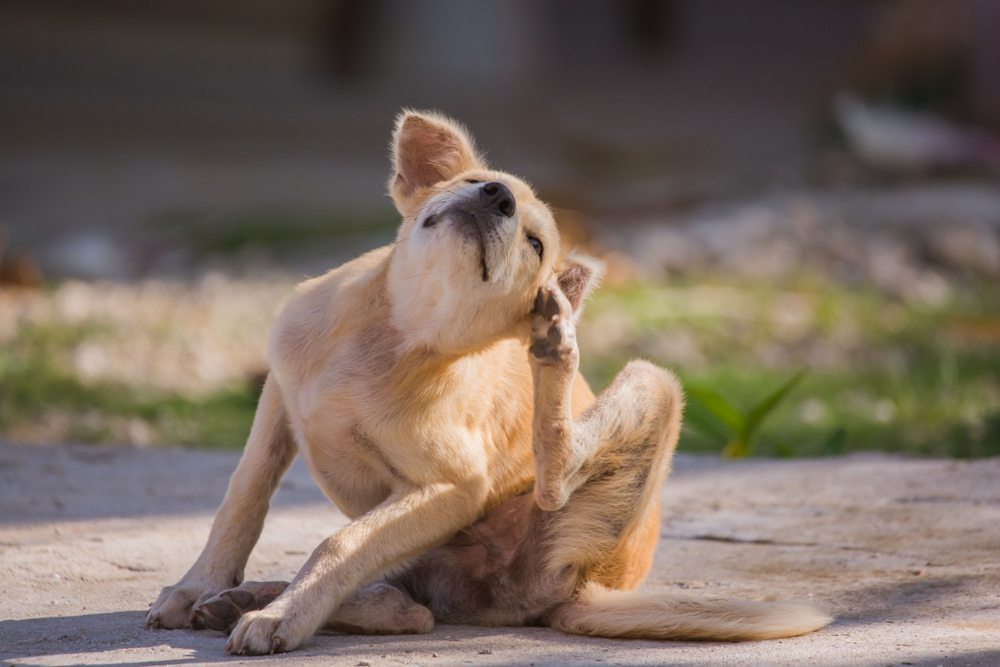
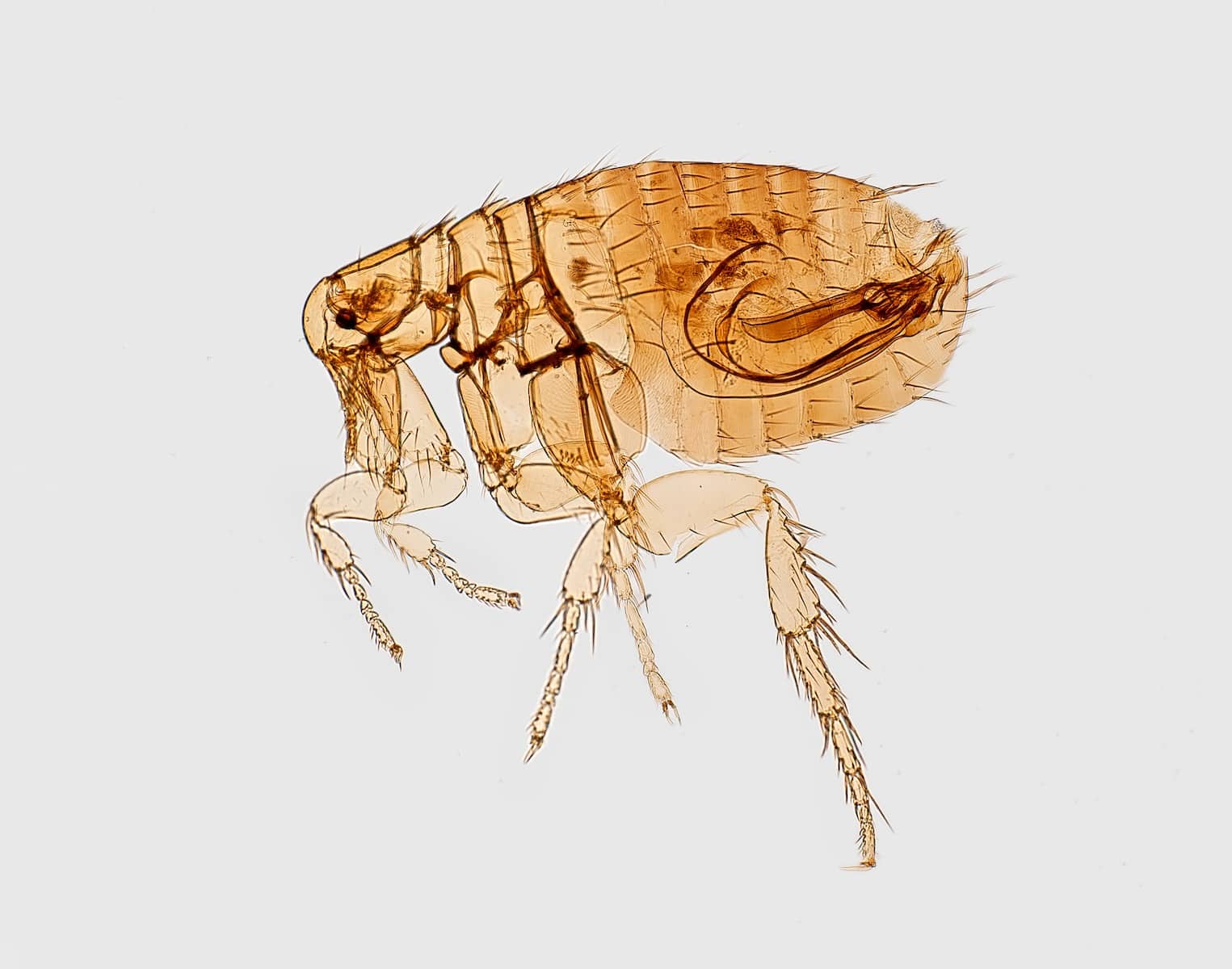
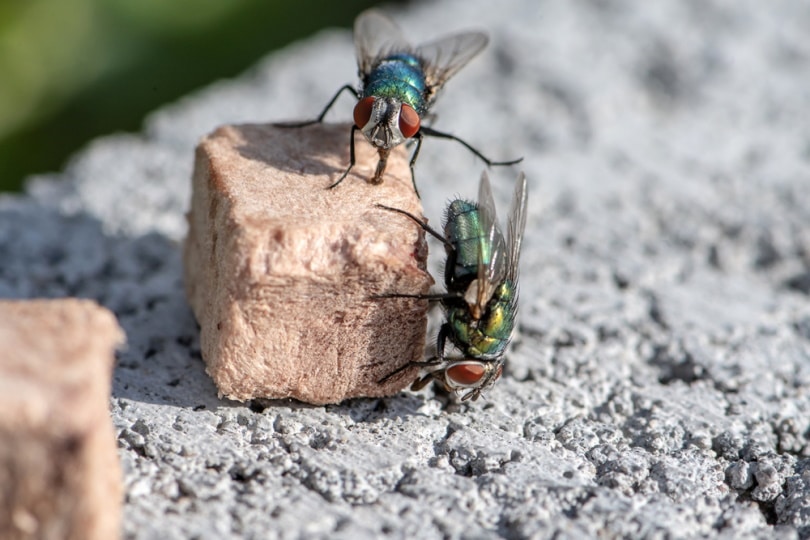
As the weather gets warmer and the days grow longer, we get to spend more time outdoors with our dogs, doing the things we love. Of course, nothing ruins a picnic, hike, or walk through the woods like ants, flies, wasps, and fleas. There are many ways to keep biting, stinging, and buzzing pests away, but which options are safe to use on or around our dogs? Fortunately, there are plenty of chemical and non-chemical ways to keep your four-legged friend free from six-legged harassment. Let’s take a look.

Protecting Your Dog From Insects
To help keep things simple, we’ve broken down our plan of attack into three parts so you can look at options for keeping insects away from the home, repelling them when you’re out exploring, plus things you can use on your dog.
Before diving in, though, it is important to note that if you do have any questions about the safest way to protect your pets from pests, a vet is your best bet for information.
Around The Home
- Surface Sprays and Aerosols: Probably the most common and effective way to deal with insects in and around the home, ‘bug spray’ is also one of the most problematic. Not only can some chemical insecticides be harmful to our pets, but even pet-friendly products can cause irritation to the eyes and airways. Additionally, these products will kill all insects, including bees, butterflies, and other vital pollinator species, and can even be harmful to animals that consume the insects that have been killed by insecticides.
- Cedar Chips: Used in garden beds and pot plants, cedar chips smell lovely and are known to be repellent to most insects, including fleas.
- Neem Oil: This natural insect repellent comes from the seeds of Neem trees and is a safe option to use around the home. It can kill insects, but is most effective at repelling them, so it has less of a detrimental effect on beneficial species.
- Fly Screens: A simple way to keep fresh air in but insects out. And with security screens like Australian-made CrimSafe, you can keep bugs and burglars out.
- Ultrasonic Devices: These plug-in devices emit an extremely high-pitched sound that cannot be detected by our ears or our dogs, but to tiny insects and even small rodents, it works as a deterrent. Bear in mind that if you have small pets, they may not thank you for using one!
- Fans: Flying insects find it difficult to get around in windy conditions, so a well-directed fan can help keep you and your pets cool while holding back mosquitoes.

Out and About
If you’re heading out into the great outdoors, you’ll probably protect yourself with some insect repellent and some protective clothing, but are there insect repellents that you can use on your dog? Fortunately, most antiparasitic or flea control products will also help tackle other insects, but some work better than others.
- Flea/Tick Collars: Not all flea collars are created equal, so do your homework before wasting your money on an inferior product. Unlike most spot-on products, a collar like the one from Seresto actually repels insects and does not require them to bite the dog to be effective.
- Neem Oil and Cedar Oil: As mentioned earlier, both neem and cedar oils are natural insect repellants and are both safe to use on your dog. It is important to dilute these oils before using them on your pet, or as a simpler option, purchasing products that already contain them. You can use a shampoo that contains neem or cedar oil or a spray to apply directly to your pet. You could even use both! Make sure you test any product on a small area first, just in case your dog is sensitive to it.
Another way to use these products is to spray or soak a bandana, neckerchief, or fabric collar with the diluted oil.

Get To Know Your Local Area
Different insects and ticks are more prevalent in different areas, as are some of the diseases and parasites they can transmit to your dog, so it’s important to familiarize yourself with what sort of bugs you need to be watching out for and at what time of year. Some insects are merely annoying, but others can transmit deadly viruses like Lyme disease or parasites like Heartworm.
Be Mindful of the Time of Day
Different insects will be more active at different times of the day, so it’s worth timing your activities to minimize exposure. For example, mosquitoes tend to be more active around dawn and dusk, so you may want to leave your walk until a little later (or earlier), being careful to avoid the hottest parts of the day.
Bees and butterflies are most active during the middle of the day, so avoid spraying any insecticides or repellents at this time.

What To Avoid
Some products can be irritating, even harmful to your dog, so here’s a list of insect repellents to avoid:
- Citronella - Toxic to dogs
- Products for humans or farm animals
- Aerosols - Can cause respiratory irritation
- Concentrated oils
- Expired products
Final Thoughts
Insects play a vital role in the ecosystem, so however annoying we may find them, we can’t simply eradicate them from our world. However, many can spread diseases and parasites, inflict painful bites, and really ruin a picnic, so it’s good to know a few tips, tricks, and products to help keep you and your dog safe, both at home and outdoors.
Get to know your local area, as well as any places you might take your dog, and if in doubt about what sort of protection and prevention is best, you can’t go wrong by speaking to a vet.
Featured Image Credit: Africa Studio, Shutterstock
Expert dog care, straight to your inbox
Vet-reviewed advice, training tips, and the best of Dogster. Free, and you can unsubscribe anytime.
By signing up, you agree to our Terms & Conditions and Privacy & Cookies Policy.
Dr. Karyn Kanowski, BVSc MRCVS (Vet)
Dr. Karyn is originally from Queensland, Australia, and has resided in the UK for the past 10 years. She graduated from The University of Queensland School of Veterinary Science in 2010, and also holds a Bachelor’s degree in Zoology. Karyn is passionate about using experience, evidence, and working with pet owners to provide the best solutions for pets. She also believes in making reliable information about animal health accessible to everyone. 5 cats and 4 dogs let her share their home with her and her husband, and when she is not practising as a veterinary surgeon, she spends her time writing, gardening, and cleaning up pet hair!
Join the conversation
Ask a question, share your story, or send private feedback.