French Bullweiler (Rottweiler French Bulldog Mix): Info, Pictures & Care Guide

In this article
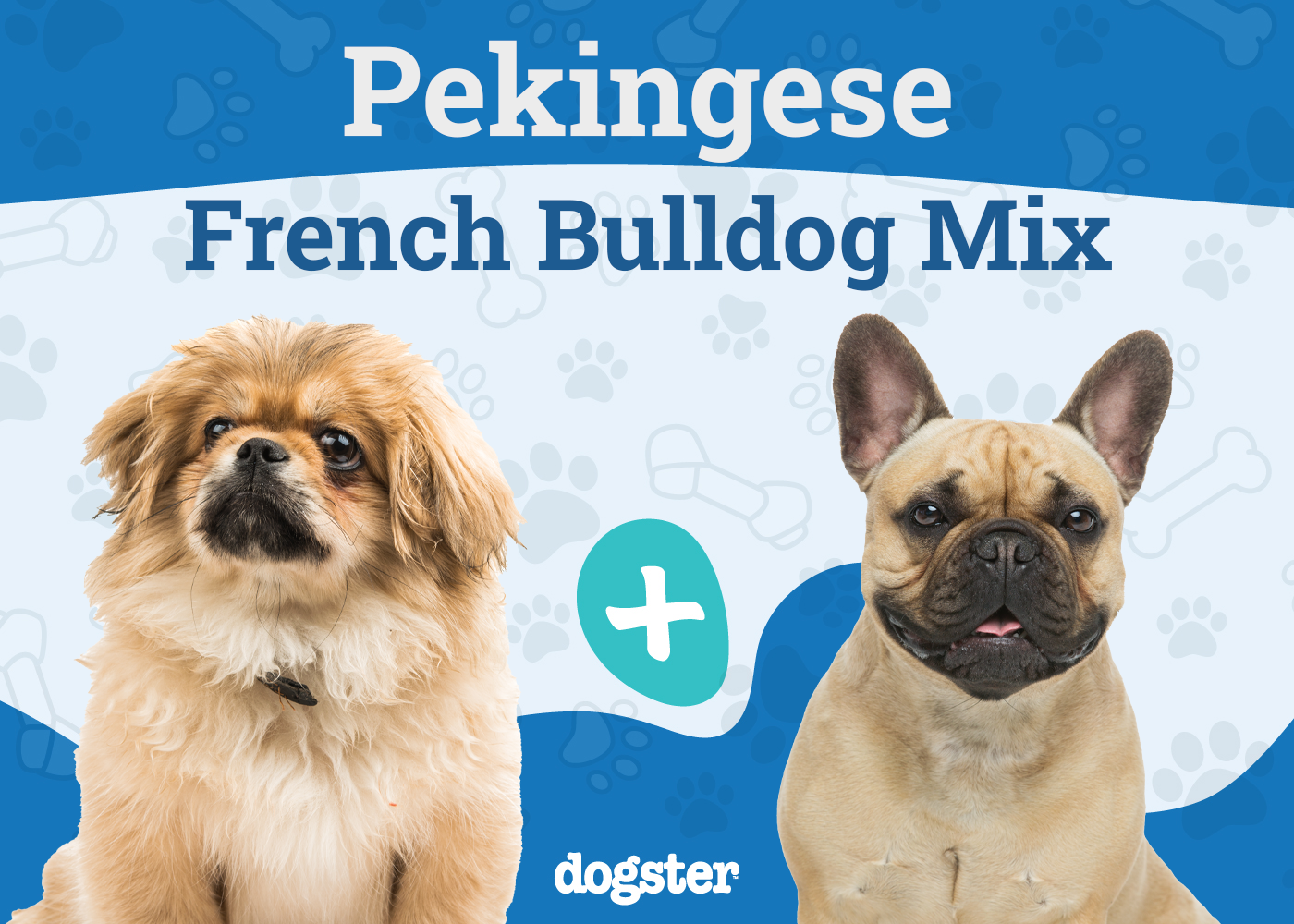
The French Bulldog is a petite, pampered, and perky-eared city dweller, and the Rottweiler is a hardy working breed built for farm life and guard duty. There’s little similarity between the French Bulldog and the Rottweiler, but with the French Bullweiler, owners discover all the unique benefits that make both breeds such popular pets.
You can never know what to expect with this delightful cross, but we’ll help you make the best guess with this breakdown of the French Bullweiler.
Breed Overview
Height:
Weight:
Lifespan:
Colors:
Suitable for:
Temperament:
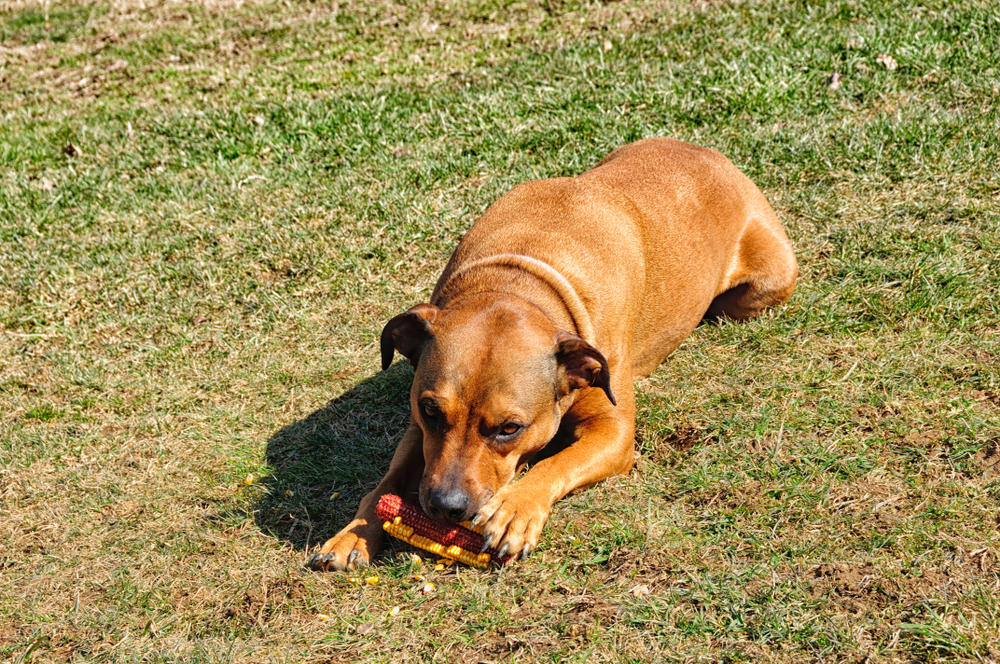
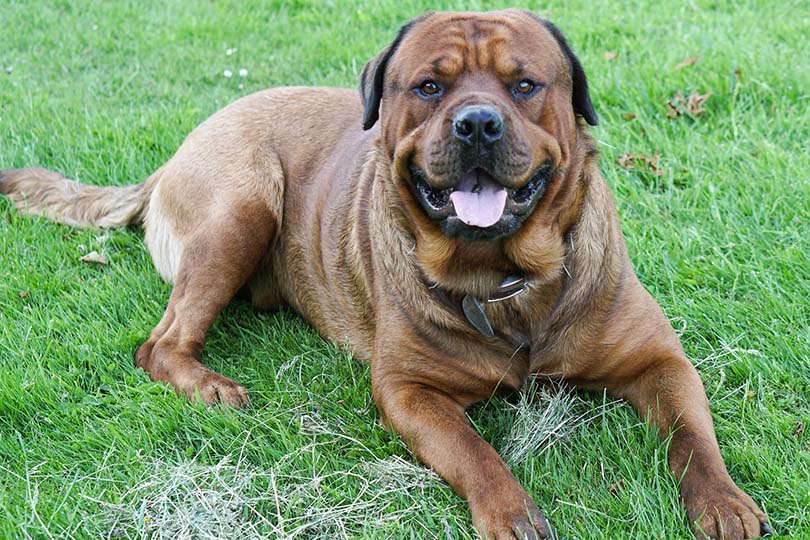
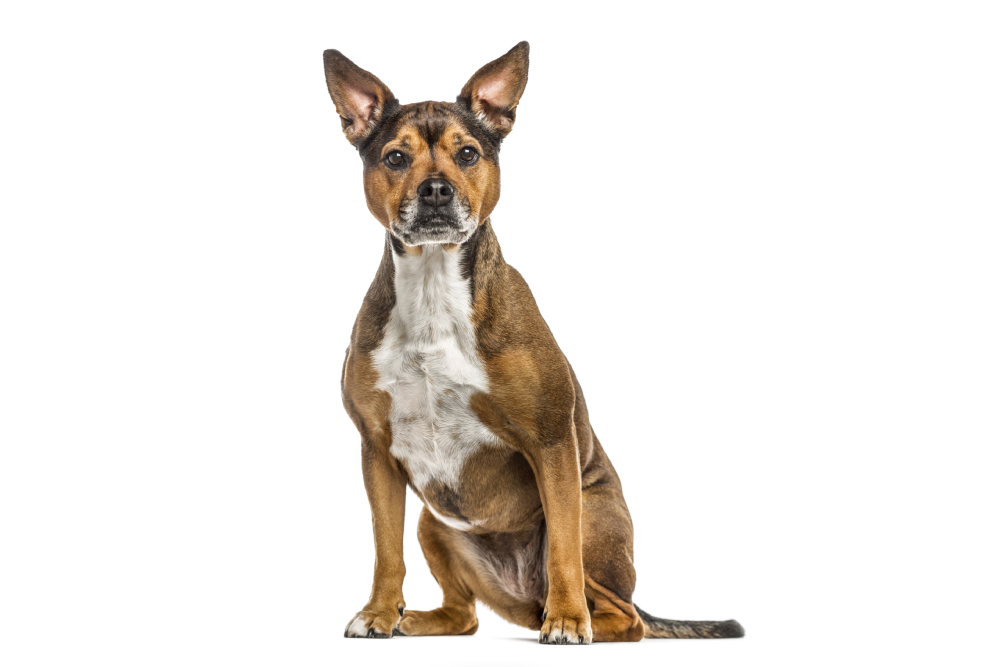
The French Bullweiler usually looks similar to a Rottweiler, though the French Bulldog influence often leads to a slightly shorter snout and stature. Both parents supply a confident and playful demeanor, with the Frenchie’s friendliness and the Rottie’s trainability making for a well-rounded personality almost any pet parent can manage.
With moderate exercise requirements and limited grooming needs, they’re a solid fit for a laid-back lifestyle, whether you live in the city or the country.
French Bullweiler Characteristics

French Bullweiler Puppies
The French Bullweiler is an unexpected hybrid that few breeders (if any) would attempt. If you find one through a breeder, thoroughly research their practices and ensure they do genetic testing to look for health issues.
Frenchies and Rotties aren’t the healthiest breeds, so bringing them together can open their offspring to numerous health concerns.
If the French Bullweiler has the blend of personality and physical characteristics you want, consider adoption. As it isn’t a typical designer dog, purchasing one from a breeder adds extra expenses without enough assurance that it will be any more predictable and manageable than a shelter dog.
No matter where you get them, socialization is crucial for a young French Bullweiler. Training is a joy throughout the dog’s life, but the Rottweiler’s relatively high tendency toward protective and territorial aggression deserves attention. Positive experiences with strangers and other dogs, particularly in the home, will be essential in developing tolerance, a calm demeanor, and good manners around others.
French Bullweiler Origin & History
The French Bullweiler is a rare hybrid with parents from two distinct backgrounds. The French Bulldog is the newer of the two, with origins dating to the 1800s England. Descended from the English Bulldog, the French Bulldog appeared as a toy Bull
dog favored by female lace workers in Britain’s mills.
As the Industrial Revolution’s innovations took their jobs, many women moved to France for work, taking their dogs with them. The breed’s popularity spread to Paris, eventually becoming a favorite pet of city socialites. The dog's desirability wasn’t lost on American enthusiasts who discovered the French Bulldog overseas and brought them back to the States.
American clubs made the Frenchie’s signature bat ears part of the standard, and the AKC recognized the breed in 1898. The Rottweiler has a history several centuries longer than the Frenchie and has a working dog’s background. They descended from Roman Drover dogs that would protect and move livestock across the land as Roman legions expanded their domain.
Along one of their stops, Rottweil in Germany, the dogs became essential working dogs long after the Roman empire fell. Rottweilers were traditionally herders and cart pullers, helping butchers manage cattle and haul goods to market. At the same time, they were formidable guardians against thieves.
As with the French Bulldog, the Industrial Revolution changed the course of the Rottweiler’s fortunes. When the need for drovers declined with the adoption of railroad systems, interest in the Rottweiler as a working dog followed suit.
Thankfully, avid fans kept the breed alive, giving Rotties time to find a new purpose as military and police dogs in the early 1900s and, later, as one of America’s favorite household pets.

Temperament & Intelligence of the French Bullweiler 🧠
French Bullweilers are notably intelligent, bold, and playful. They’re not overly energetic but can tolerate more rigorous activity than the typical Frenchie. While the Rottweiler side makes them more athletic, the French Bulldog’s sociability helps temper the Rottie’s natural aloofness and potential for aggression. They can get along beautifully with strangers and other animals with ample socialization.
Although the French Bullweiler can be stubborn, they generally want to please their people. They are trainable and loyal. Excessive barking is uncommon, though they can sound the alarm when they notice someone approaching or something amiss and won’t hesitate to intervene if they perceive a threat to their family. Otherwise, these pups are adaptable, playful, and affectionate, which is an excellent fit for a broad range of owners.
Are These Dogs Good for Families? 👪
French Bullweilers are remarkable family dogs. The charming and often silly French Bulldog was bred for close companionship, making them delightful playmates. Meanwhile, the Rottweiler brings a calm, protective, and fun personality, all the elements for a good relationship with the kids.
Although the Rottweiler’s size and energy can be worrying should they get overly rambunctious, their smaller French Bullweiler offspring are often gentler.
Does This Breed Get Along With Other Pets? 🐶 😽
French Bullweilers can get along well with other pets, particularly if you socialize your animals and introduce them properly. French Bulldogs are indiscriminately outgoing and often an instant hit with new people, dogs, and cats.
Rottweilers are more aloof and can be aggressive with other dogs, particularly those of the same sex. If you raise them together from a young age, they’ll usually show the protective and playful traits with other pets that they show to the rest of the family.

Things to Know When Owning a French Bullweiler:
Living with a French Bullweiler doesn’t present many challenges. Their moderate exercise needs are easy to meet whether you live in an urban apartment or a house in the country. Meanwhile, their working drive and devotion to their owners are enhanced by training.
Your dog will thrive if you can provide frequent socialization opportunities, positive reinforcement training, indoor enrichment, and a loving home.
Food & Diet Requirements 🦴
French Bullweilers should eat high-quality, age-appropriate commercial food that meets the AAFCO’s nutritional requirements. Their diet can vary depending on size, but they’ll generally eat around 2.5–4 cups of dry food daily. Puppies should eat three to four times daily with smaller portions, while adults can get by on two meals a day.
Depending on their build, French Bullweilers may have a slim chance of developing gastric dilatation-volvulus (GDV), which may require more daily meals and slow feeder bowls to keep them from eating too quickly. Obesity is another common issue, so carefully monitor your dog's diet, activity levels, and body condition and make necessary adjustments to keep their weight in check.
Exercise 🐕
French Bullweilers have moderate activity levels that you can often satisfy with a couple of walks and outdoor play. Ideally, you should provide 1–1½ hours of exercise daily. Since they can be sensitive to high temperatures, pay attention to the sun and heat, and try to spend more time in the shade when it’s hot, making sure to keep your dog hydrated.
Indoor enrichment, like toys and feeder puzzles, is equally critical to stave off destructive behaviors while you’re gone.
Training 🎾
French Bulldogs and Rottweilers may have reputations for varying amounts of stubbornness, but training the French Bullweiler is relatively straightforward. Fairness, assertiveness, and consistency are crucial from a young age.
Teaching obedience and boundaries will mold your dog into a well-mannered adult, while frequent socialization in diverse environments can quell reactivity and wariness around others.
Grooming ✂️
French Bullweilers have a short, smooth coat, sometimes borrowing a light undercoat on their neck and thighs from their Rottweiler parent. Shedding is moderate. You’ll only have to brush your dog once weekly with a rubber brush, grooming gloves, or bristle brush to remove shed hair and distribute the body’s natural oils for a clean-looking coat.
Haircuts aren’t necessary, and your dog will only require baths every 1–2 months. Beyond maintaining their coat, you must brush your French Bullweiser’s teeth at least 3–4 times weekly and trim their nails every 2–4 weeks.
As many French Bullweilers have floppy ears, you may have to do weekly checks and regular cleanings to prevent infections.
Health and Conditions 🏥
French Bulldogs and Rottweilers are prone to several health problems and share susceptibilities to issues like obesity, hip dysplasia, and entropion. While the French Bullweiler mix may be less likely to develop disorders singular to either breed, both parents present a relatively high number of potential concerns. Pet insurance should be a priority from an early age to avoid expensive and unexpected vet bills.
Male vs Female
Male and female French Bulldogs can have several differences in build and personality. Like most dogs, male French Bulldogs and Rottweilers are generally taller and heavier than females. Male French Bulldogs and Rottweilers are also more likely to develop various health disorders and behavioral issues, including aggression, and pass those tendencies to their mixed offspring.
3 Little-Known Facts About the French Bullweiler
1. The French Bullweiler’s Parents Are Top-10 Dogs in America
French Bullweilers may be a rare mix, but the Rottweilers and French Bulldogs sharing a home is more common than you might think. All it takes is a quick look through Instagram or TikTok to find countless pet parents with one or multiple Rottweilers and French Bulldogs getting into mischief together.
Of course, two of America’s top ten most popular dog breeds will likely appear in the same house at least a few times. Rottweilers have lingered around the number 8–9 spots for the last decade, while the French Bulldog claimed the number one spot from the Labrador Retriever in 2022 and defended their title in 2023.
2. French Bullweilers Can Excel in Competitive Sports
While conformation may be out of the picture for French Bullweilers, you’ll be glad to know these dogs excel in several activities that allow mixed breeds. French Bulldogs and Rottweilers bring a trainability and vigor that translates perfectly to obedience, agility, and rally competitions. Organized sports offer an excellent opportunity to socialize, exercise, and bond with your dog in a fun, memorable atmosphere.
3. French Bullweilers Can Be Excellent Therapy Dogs
If you want to spread the joy your French Bullweiler provides, therapy work may be up your alley. Proving their exceptional value as therapy dogs, Rottweilers have won the AKC’s annual Award for Canine Excellence in Therapy four times since 2012. Rotties excel in this field due to their emotional sensitivity and their gentle, protective nature, which you can often expect in a French Bullweiler.
Conclusion
Predicting a mix’s personality can be tricky, but the French Bullweiler’s loyalty and love for their family rarely come into question. French Bulldogs and Rottweilers are people-oriented pets. You can be confident their French Bullweiler children will reward your care with devotion, a playful spirit, and a desire to please to make training and bonding a true joy.
Though they don’t come without their challenges, there’s plenty to adore in this offbeat mix to make any owner happy to welcome them into the family.
Sources
Featured Image Credit: Eric Isselee, Shutterstock
Expert dog care, straight to your inbox
Vet-reviewed advice, training tips, and the best of Dogster. Free, and you can unsubscribe anytime.
By signing up, you agree to our Terms & Conditions and Privacy & Cookies Policy.
Nicole has loved animals of all sizes her whole life so it's no wonder she has dedicated her career to helping them through what she loves best: learning, writing, and sharing knowledge with others. She’s the proud mom of two dogs, a cat, and a human. With a degree in Education and 15+ years of writing experience, Nicole wants to help pet parents and pets around the planet to live happy, safe, and healthy lives.
Join the conversation
Ask a question, share your story, or send private feedback.