If you’re a Border Collie parent or preparing to become one, you know that it takes many different items to ensure that you and your pet are comfortable. From dog-friendly toys and water bowls to the perfect crate, there are things that will become essential to your dog’s routine.
When it comes to buying a crate, you’ll need to consider size, type, and material to make the best choice. Border Collies typically need either a 36-inch or a 42-inch crate, depending on their size.
If you want to purchase a crate for your Border Collie, read on as we talk more about this breed, their crate size, type, and material needs, and how and when to start crate training your dog.

More About the Border Collie Breed
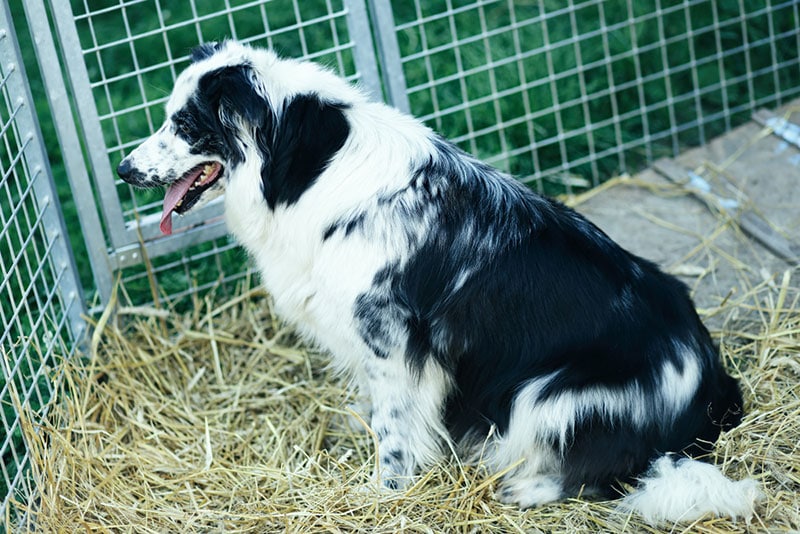
Border Collies are medium-sized herding dogs known for their energetic, lively personalities. They typically weigh 30–55 pounds, and their shoulder height is 18–22 inches.
These dogs are playful, affectionate, loyal, and protective; their frisky personality requires plenty of mental and physical stimulation for these dogs to develop properly. They have moderate grooming needs, and as long as you train them from an early age, these dogs will be loving, obedient, and great around older children.
Border Collies are often wary around strangers but extremely playful with their families. They can get along with other animals due to their herding nature, though they’re not overly friendly around other dogs.

So, What Crate Size Does a Border Collie Need?
Most dog experts recommend that you get a 42-inch crate for your Border Collie. However, some say that it’s too big and that a more suitable size is 36 inches. Basically, you need to consider your dog’s size before getting the crate.
Female Border Collies are usually smaller than males, so a smaller crate may be more suitable for them and small males. When in doubt, it may be best to go for the larger (42-inch) crate. It’s better for your Border Collie to have a bit of free space instead of feeling cramped and uncomfortable.
How to Measure Your Border Collie to Get the Right Crate Size
If you want to be precise, follow these steps to get the proper measurements for your dog to choose the best crate size:
- To determine the height of the crate, have your dog stand and measure from the top of their head to the bottom of their feet.
- To determine the length of the crate, measure your dog from the tip of their nose to the tip of their tail.
- Add 3–4 inches to these measurements to ultimately get the crate size that you’ll need.
Which Type of Crate Is Best Suited for Border Collies?
There are several different types of dog crates available, so be sure to consider them all for your Border Collie. Buying a crate is a long-term investment, as your dog will use it for a while, so make sure it’s well worth the money.
Home crates are crucial for your dog to be comfy and feel safe.
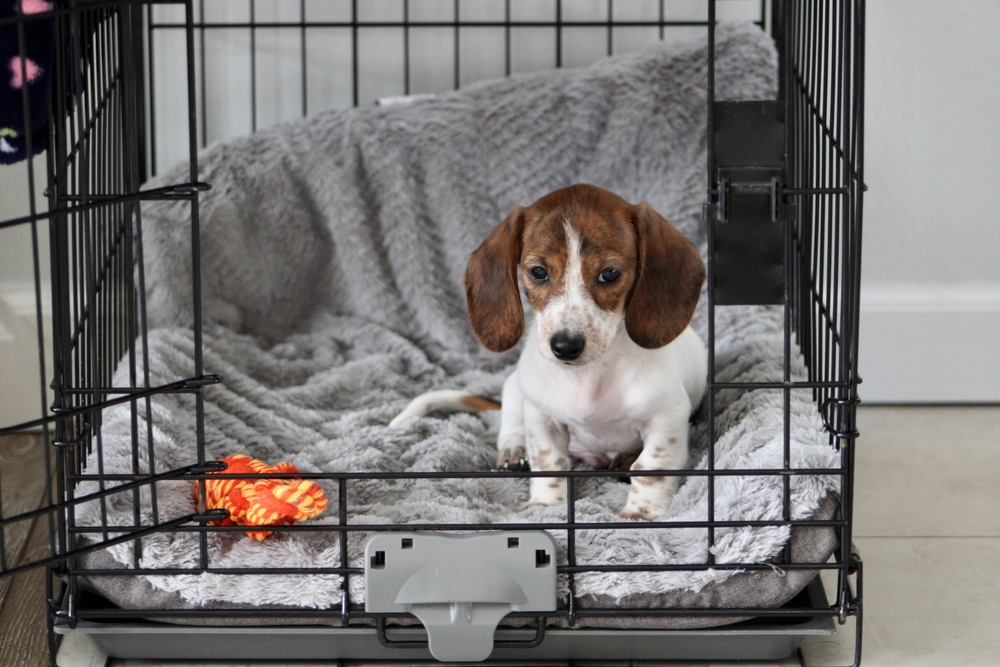
- Wire-folding dog crate: This is the most popular crate for most dog breeds, as it’s sturdy, durable, and foldable and has dividers for the empty space during your dog’s puppy stage. It’s also affordable and easy to clean, which makes it convenient to use. This crate type can often be uncomfortable due to the lack of padding, though, so it’s best to place a pad, blanket, or dog bed at the bottom.
- Heavy-duty dog crate: This crate is not that popular because it’s large and heavy and looks unappealing. Most people use this type for large, destructive dogs, as it can prevent the dog from escaping.
- Furniture dog crate: People who want dog crates that fit into their home aesthetics often go for a furniture dog crate. This custom-made crate is based on your dog’s size and weight but looks beautiful in the home and has functionality. Typically, these crates are suitable for small breeds, as you can turn them into nightstands or end tables.
Most experienced owners suggest wire-folding dog crates for Border Collies, as they often have dividers. Be sure to purchase the adequate size, which is either 36 inches or 42 inches for this breed.
Note that during your dog’s puppy stage, the crate may probably be too big for them, which could lead to anxiety. A crate with dividers will ensure that your Border Collie has enough comfy space as a puppy and that there will be more space for your adult dog once you remove the dividers.

Which Material Is the Most Suitable for Border Collie Crates?
The most popular material for Border Collie crates is wire; this type of crate is durable, sturdy, and easy to transport and clean, making it appealing to users. It typically comes with dividers and has foldable qualities for easier storage. Also, Border Collies tend to chew on their crate due to their playful nature, but they won’t be able to destroy this crate’s construction.
Soft-sided crates are unsuitable for this breed because they can easily damage the crate’s material. Also, these crates can be hard to clean, which can be a disadvantage. You can use a soft-sided crate to transport your Border Collie short distances, but this breed would benefit the most from a wire-folding dog crate.
When Should You Start Crate Training Your Border Collie?
Border Collies are extremely intelligent and active, which is why they require proper training from a young age. Start socializing your Border Collie early, and ensure that your puppy gets the needed obedience and crate training.
It’s best to start crate-training when your puppy is around 8 weeks old. They should start getting familiar and comfortable with using the crate, as that’s going to be mainly where they sleep and rest. The crate should provide comfort and safety for your Border Collie while also preventing negative behaviors and helping them create a healthy daily routine.
Without proper crate training, your dog may experience anxiety and behavioral issues, such as aggression. If they’re not used to the crate, they can get injured while trying to escape. Proper crate training is essential for all dogs, including Border Collies!


Conclusion
If you’re wondering what crate size a Border Collie needs, this breed would be the happiest with a 36-inch or 42-inch crate. A wire-foldable crate with dividers will be more comfortable for your dog during the puppy stage.
If you’re unsure about the crate size that your Border Collie will need, measure your dog before making the purchase so you can choose the most suitable size.
Featured Image Credit: Olena Zaskochenko, Shutterstock
 More About the Border Collie Breed