What Are Water Rescue Dogs? Purpose, Types & FAQ

In this article
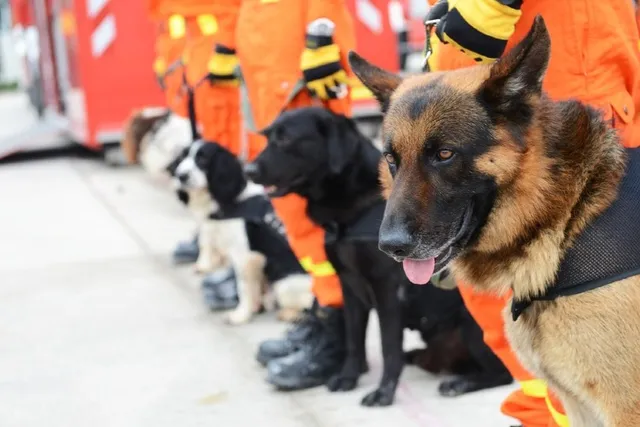
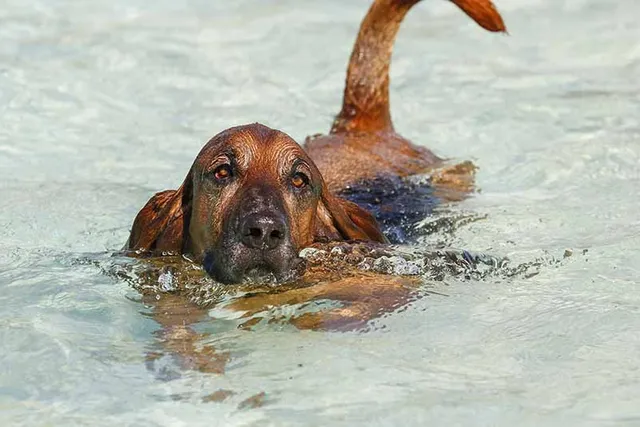
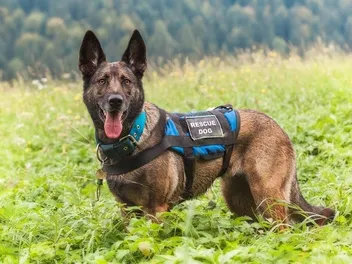
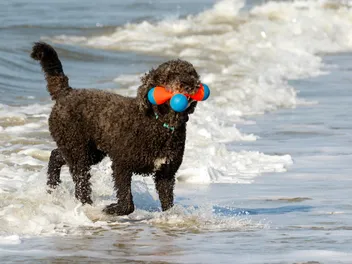
Water rescue dogs are vital for saving lives and assisting in aquatic emergencies. Trainers teach these special dogs to perform rescue missions in water-based environments like oceans, lakes, rivers, and even swimming pools. With their exceptional swimming abilities, intelligence, and unwavering dedication, water rescue dogs are instrumental in locating and saving individuals in distress or danger in the water. If you would like to learn more about these wonderful animals, keep reading as we look at the different types, discuss where you will find them, and answer frequently asked questions to help you be better informed.

What Do Water Dogs Do?
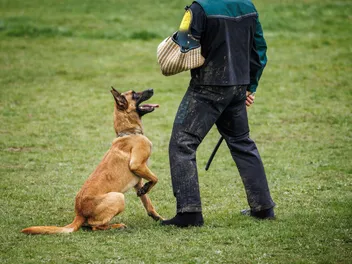
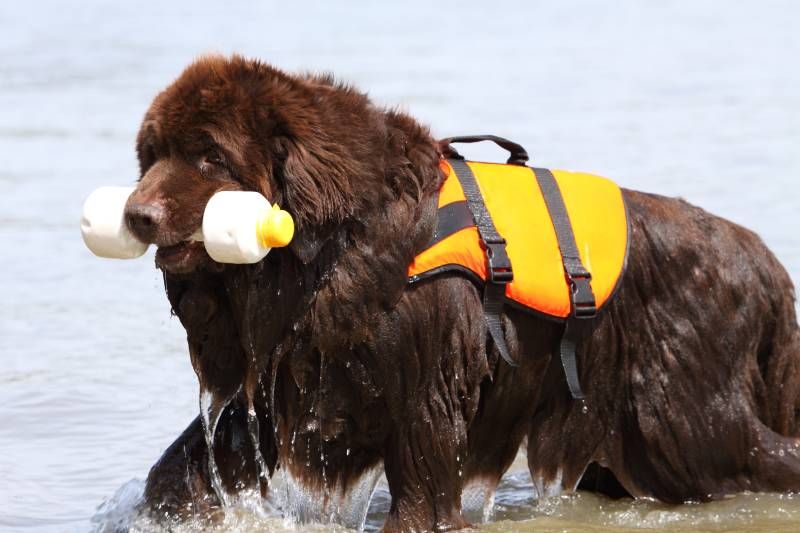
Water rescue dogs utilize specialized training, natural abilities, and close collaboration with their human handlers to save people from trouble in the water. Water rescue dogs undergo basic obedience training to ensure that they respond reliably to commands from their handlers. They learn fundamental commands like sit, stay, come, and heel, which helps establish a strong bond between the dog and their handler and provides a solid foundation for advanced water rescue training. They are strong and confident swimmers that learn to enter the water from various points, such as boats or docks, and can navigate through different water conditions, including the rough currents, waves, and obstacles that they may encounter during rescue operations. They use scent detection and specific swimming patterns to search large areas quickly and effectively. Once they find a person in distress, they will assist by towing them back to land, providing rescue aids like a lifejacket or rope, or even serving as a floatation device until help arrives.

What Are the Different Types of Water Rescue Dogs?
- Water Search-and-Rescue Dogs - Water search-and-rescue dogs locate missing persons or objects in water environments. They have exceptional scent-detection abilities, enabling them to detect human scent even when submerged underwater.
- Lifesaving Dogs - Lifesaving dogs provide immediate assistance and rescue to individuals in water emergencies. They are proficient swimmers and excel at retrieving and towing people in distress back to safety. Trainers will use these dogs for boating accidents, drowning incidents, or swift water rescues.
- Recovery Dogs - Recovery dogs locate and recover bodies or evidence submerged in water. Their scent-detection skills can find a specific target, such as a missing person's remains or an object of interest in a criminal investigation, helping authorities solve crimes and provide closure in water-related incidents.
- Avalanche Rescue Dogs - While not strictly water based, avalanche rescue dogs deserve mention because they can locate individuals buried under snow, which involves the same skills as locating individuals lost in bodies of water. They can identify human scent emanating from buried snow or debris and assist in finding and digging out avalanche victims. Avalanche rescue dogs often work in mountainous regions with significant snowfall and are essential to search-and-rescue efforts in those areas.
Where Are Water Dogs Used?

- Coastal Areas - Water rescue dogs play a crucial role in coastal regions, where there is plenty of water and a higher risk of drowning incidents, boating accidents, and individuals getting caught in strong currents or rip tides. They assist lifeguards and search-and-rescue teams in locating and rescuing distressed individuals along the shoreline and in the open sea.
- Lakes and Rivers - Emergency teams frequently use water rescue dogs in lakes and rivers, where recreational activities, such as swimming, boating, and fishing, are popular. These environments pose risks like sudden changes in water conditions, swift currents, or people becoming stranded or lost. Water rescue dogs help locate and retrieve individuals in danger or who need assistance.
- Swimming Pools - Public swimming pools may use water rescue dogs, particularly in large water parks or facilities. Their presence adds a layer of safety, as they can assist in emergencies like a swimmer in distress or a child who has accidentally fallen into the water.
- Flooded Areas - During floods or natural disasters involving significant water accumulation, rescue dogs can search for missing individuals or assist in evacuation efforts. They excel at navigating through flooded areas and can locate and rescue people who may be trapped or stranded due to rising water levels.
- Swiftwater Environments - Swiftwater rescue dogs have specialized training to operate in fast-moving rivers with strong and potentially hazardous currents. These dogs assist in situations like boating accidents, capsized vessels, or individuals swept away by the water, where their swimming skills and ability to work in challenging water conditions are invaluable.
- Ice Rescue - In cold climates where bodies of water freeze over, authorities deploy rescue dogs with specialized training for ice rescue. These dogs can navigate icy surfaces, detect cracks or thin ice areas, and assist in rescuing individuals who have fallen through the ice.
Pros and Cons of Water Rescue Dogs
Water rescue dogs offer several advantages in water-related emergencies, including enhanced scent detection, which enables them to detect human scent even when individuals are submerged underwater. They are strong swimmers and often have webbed feet. They are agile and adaptable to different water conditions and can have a calming effect on people in distress. Water rescue dogs also work well in a team with humans or other dogs, and they can provide many types of assistance, from finding people to acting as flotation devices until help arrives.
However, training water rescue dogs requires significant time, resources, and expertise, so the cost of acquiring one can be substantial, limiting their availability in certain areas. Adverse weather conditions, such as storms, high winds, or rough seas, can limit their effectiveness or prevent them from being deployed. Additionally, certain environmental factors like strong currents, debris-filled waters, or icy conditions can hinder their ability to perform rescue tasks safely and efficiently. They can also become tired or suffer from low visibility at night.

Frequently Asked Questions
How Long Does It Take to Train a Water Rescue Dog?
The training period for water rescue dogs can vary depending on the breed, the individual dog's aptitude and temperament, and the specific training objectives. Generally, consistent training can take several months to a year or more to fully develop the skills and proficiency required for water rescue tasks.

Can Any Breed of Dog Be Trained as a Water Rescue Dog?
Not all dog breeds are suitable for this type of work. Some dog breeds are better suited for water rescue than others due to their natural swimming abilities and instincts. Dogs commonly chosen for water rescue include Labrador Retrievers, Golden Retrievers, Newfoundlands, and Portuguese Water Dogs. These breeds have the physical attributes and temperament to perform water rescue tasks.
Do Human Handlers Always Deploy Water Rescue Dogs?
Yes, water rescue dogs always work in close collaboration with human handlers, who provide guidance, communication, and control during search-and-rescue operations. The strong bond and effective communication between the dog and their handler are crucial for successful teamwork and ensuring the safety of the dog and the individuals in need.
Are Water Rescue Dogs Owned by Individuals or Organizations?
Water rescue dogs are typically owned and trained by search-and-rescue organizations, law enforcement agencies, or dedicated volunteer groups, and they are responsible for selecting, training, and deploying water rescue dog teams. The handlers often bond closely with the dogs and may be assigned as their primary caregivers throughout their working lives.

Conclusion
Water rescue dogs are important assets in water-related emergencies. Their superior scent-detection abilities, swimming proficiency, agility, calming presence, teamwork, and versatility make them invaluable in saving lives and ensuring the safety of individuals in water environments. Despite a few potential disadvantages, such as weather limitations, training costs, and physical restrictions, water rescue dogs significantly and positively impact search-and-rescue operations worldwide.
Sources
Featured Image Credit: Sabine Hagedorn, Shutterstock
Expert dog care, straight to your inbox
News, insights, expert advice, and everything dog.

No spam — unsubscribe anytime.
By signing up, you agree to our Terms & Conditions and Privacy & Cookies Policy.
How useful was this post?
Click a star to rate. You can leave written feedback afterwards. (We read all feedback.)
Ed Malaker is a seasoned writer who has contributed to a wide range of blogs covering everything from tools to guitars, and pets to fitness. When Ed isn't writing, he is usually making DIY projects around the house or working in the garden.