In this article
Ultrasonic dog repellers and deterrents are designed to be a training tool to prevent your dog from excessive barking. While barking is a natural behavior for dogs (it’s how they communicate, after all), excessive vocalizations can become problematic.
If you’re interested in learning more about ultrasonic dog repellers and deterrents and whether they work, you’ll want to keep reading. We’re going to give you the full breakdown of these devices and why we don’t recommend you use them as part of your dog training regimen.

How Do Ultrasonic Dog Repellers Work?
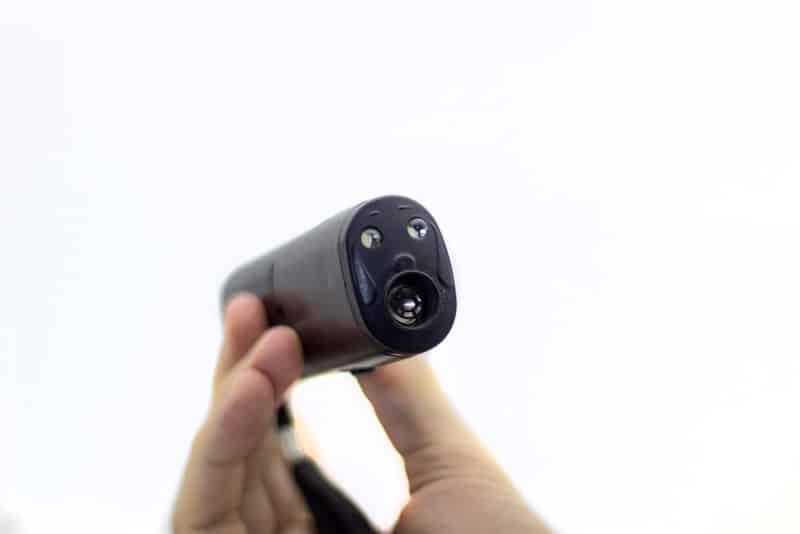
Ultrasonic dog repellers and deterrents work by emitting a high-frequency sound that only dogs can hear. A dog’s hearing range is somewhere between 67 Hz to 45,000 Hz, while a human’s is 20 to 20,000 Hz. The sound these devices emit will depend on the unit you buy, but they’re usually said to be in the 25,000 Hz range, making them inaudible to human ears.
The general idea is that the tone they emit is so irritating it acts as a correction tool for correcting bad behaviors like barking. The sound stops when the barking stops, therefore teaching your pup that their barking will bring on the noise and their silence will make it stop.
What Are the Different Types of Ultrasonic Dog Repellers?
There are indoor/outdoor and stationary/handheld versions of ultrasonic dog repellers. Both work similarly in that they respond to barking as long as the dog making the sound is within range of the device.
The outdoor versions are typically stationary and can be useful in controlling the sounds of neighboring dogs. They often have a much further range, allowing owners to cover much more ground.
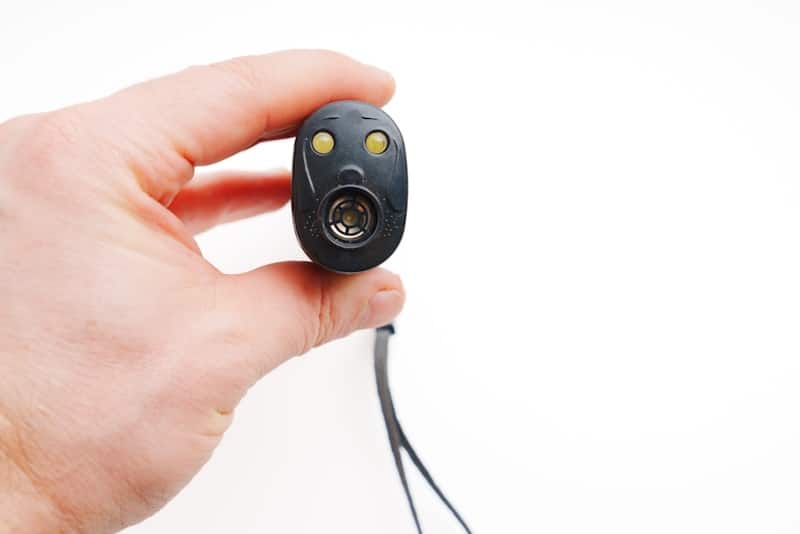
Handheld versions are more useful indoors and when taking your dog out for a walk. They need to be pointed at your pet and cannot penetrate walls.
Where Is It Used?
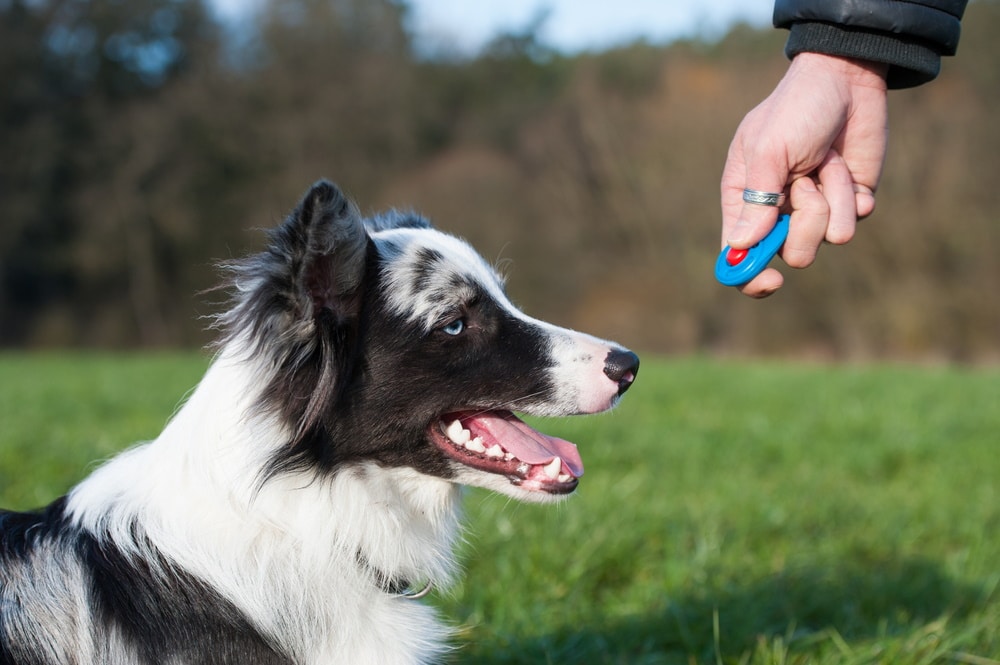
Ultrasonic dog repellers and deterrents are used mostly to deter inappropriate barking; however, they can also be used to address other issues, such as destructive behaviors. Some dog owners use them to establish habits and routines with their pets, while others take the handheld styles along with them on walks or hikes to protect strays.
The 3 Advantages of Ultrasonic Dog Repellers
1. Won’t Affect Humans
Since ultrasonic dog repellers emit sounds that do not affect humans, using one with your dog will not bother your hearing at all.
2. Different Units for Different Purposes
Indoor and outdoor ultrasonic dog repellers exist, so finding one that suits your exact needs should be easy. Additionally, the units are available in handheld, stationary, rechargeable, and battery-powered styles.
3. May Work as Described
While not all owners will have success with these deterrents, they do work for some dogs. Unfortunately, there is no way of knowing if the devices will work on your dogs, so you’ll need to do some trial and error to see if they will be effective for your pup.

The 5 Disadvantages of Ultrasonic Dog Repellers
1. Not Great for Multi-Pet Homes
If you have several dogs and only one is a problem barker, you should know that all your pets will receive the repeller’s correction.
2. Can Cause Stress and Anxiety
Ultrasonic dog repellers can be detrimental, as the sound they emit can stress them and make them anxious about hearing the sound again in the future. This can be a huge issue, especially if your dog is already on the nervous side to begin with.
3. Can Worsen Problem Behaviors
If your dog is stressed out and afraid of the ultrasonic dog repeller, you may inadvertently be causing more problem behaviors by using one. Stress can cause barking, avoidance and displacement behaviors, and even aggression.
4. Hard to Understand and Control
We know that ultrasonic dog repellers supposedly emit sounds, but because we can’t hear them, we don’t know if they’re working the way they’re supposed to. This also makes it difficult for us to know if the device is even working or if the batteries have died. Additionally, high-frequency sounds dissipate rapidly over short distances and are easily blocked by obstacles, so we can’t know just how much sound is reaching our dogs.
5. Results Are Variable
These devices do not work for every dog, and because we can’t physically hear the sounds they supposedly emit, we can’t know if their ineffectiveness is due to a faulty product or if the ultrasound is just not strong enough.
Additionally, solving your pup’s problematic behaviors will be much easier when you and your pet have a proper understanding of the problem rather than faith in an ultrasound device that may or may not work when it comes down to the wire.

Frequently Asked Questions (FAQ)
Do ultrasonic dog repellers always work?
Not always. These devices have shown varying degrees of success in managing barking, but every pup is different. Additionally, placement is key when using an ultrasonic repeller. The device needs to be facing your dog, and they must be within the detection area. There cannot be anything blocking the device; otherwise, the ultrasonic noise will not reach your dog.
Are ultrasonic dog repellers harmful to humans?
No. Dogs have a much better sense of hearing than humans, and the ultrasonic repellers and deterrents on the market are specifically designed to cater to the dog’s sensitive hearing.
Are ultrasonic dog repellers humane?
There is no concrete “yes” or “no” answer to this question, as it depends on who you ask and your personal values and belief system. These devices may certainly be more humane than other deterrents on the market, like shock collars. Still, they are designed to create an uncomfortable environment for your dog, which can be considered cruel, especially for dogs that are already nervous and skittish in their daily lives.
We encourage you to read some of the reviews for these products before you buy one yourself. The reviews can provide some real-life insight from consumers who have purchased and tried the device on their dogs. From our research, we see many owners commending the ultrasonic repellers for helping them correct their dog’s problematic barking behaviors, while others said the devices petrified their dogs.
What other options are out there?
There are plenty of other options for dog owners looking to correct problem behaviors.
- Teaching “Quiet”. If you’re going to use sounds to deter your dog’s problematic behaviors, it’s best to choose a training tool that you can both hear: your voice. Nuisance dog barking can be successfully addressed in some pups by teaching them the “quiet” command. Using a calm yet firm voice, tell your dog to be quiet and then positively reinforce their silence by rewarding them with affection, praise, and a high-value reward.
- Providing Plenty of Opportunities for Exercise. Sometimes, dogs will bark excessively or become destructive if they’re not getting the right amount of physical or mental exercise. A dog that’s pooped out from a long walk or play session at the park will be more likely to rest in their downtime.
- Ensure Proper Socialization. Dogs may bark excessively if they haven’t been socialized well enough. A dog who has had a chance to be around people of all ages and abilities will be less likely to bark at them. Allow your pup to meet young children, the mailman, and your neighbor in a wheelchair so they’re used to seeing different types of people.
- Don’t Respond. Your dog may bark excessively because they know it’s going to get your attention. If you know they’re barking to ask you for food or to be let out of their crate, do not respond. Wait until they’re quiet, and then reward them with what they’re asking for when they’ve quieted down.
- Hire a Professional. Sometimes, even the sweetest and most well-behaved dogs need a little help from professionals to become the best versions of themselves. Don’t be afraid to hire a dog trainer or behaviorist to help address problem behaviors. Their training and experience can provide invaluable insight and change both your and your dog’s lives.

Conclusion
Ultrasonic dog repellers can certainly work for some dogs, but these devices aren’t always effective and may not be the most humane way to out-train bad behaviors. If your dog is presenting with problem behaviors, you might consider logging a few extra hours of training every week or asking your veterinarian or certified dog trainer for help.
Featured Image Credit: Megathone, Shutterstock