When it comes to breeding dogs, timing is everything. Whether you’re timing your dog’s first pregnancy or timing breeding, you’re going to spend a great deal of energy timekeeping.
Breeding your female and male at the right ages is essential to a successful and healthy pairing. Age determines when a dog is fertile, though just because a dog is fertile doesn’t mean that they’re ready to breed. Females should be bred after they reach their adult size and males when they reach sexual maturity. This occurs sooner with small breeds and later with larger ones.
That said, breeding females and males too late can result in smaller litters and unhealthier puppies.
In this article, we help you figure out which ages are best to breed your canine.

Best Age to Breed Female Dogs
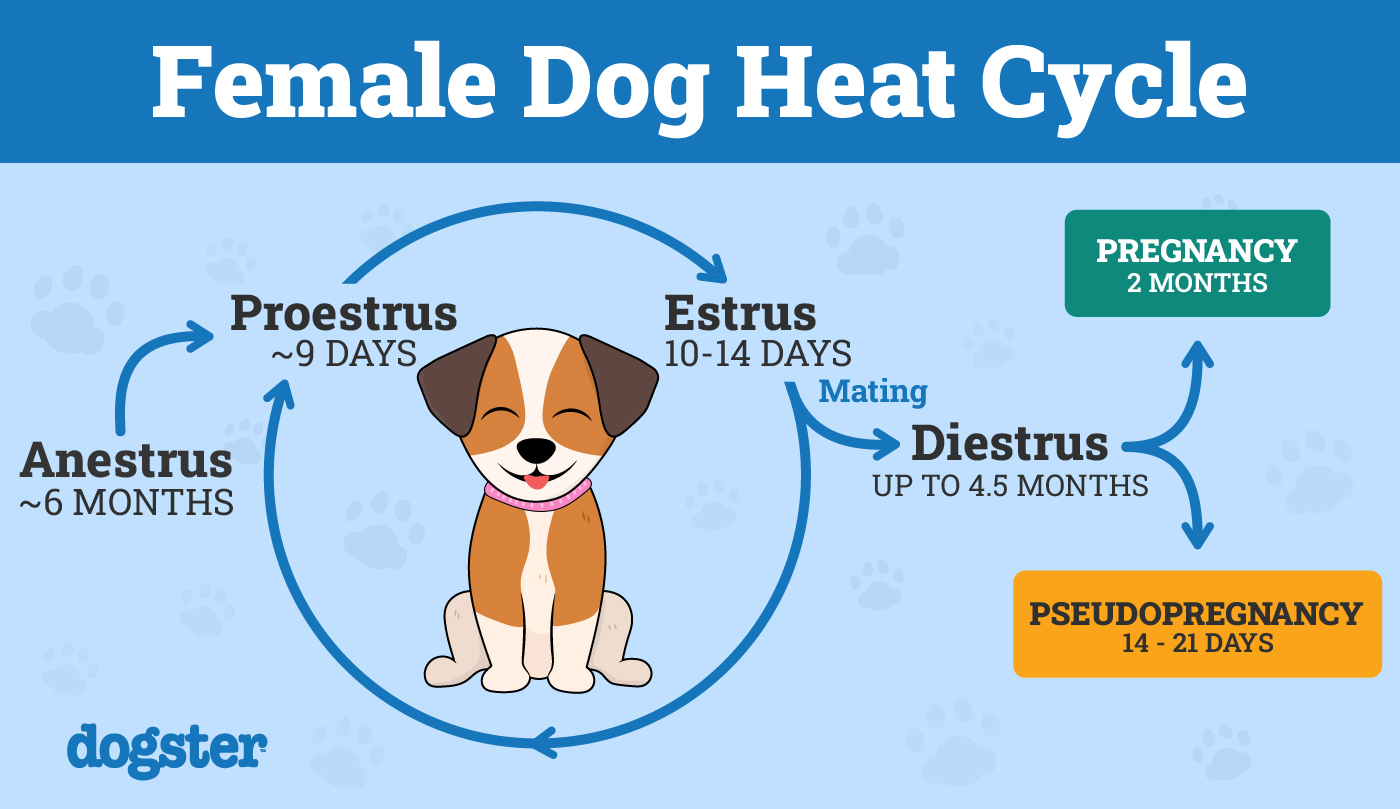
The best age to breed a female largely depends on their breed. Some breeds are ready to be bred sooner than others. Typically, smaller dogs can be bred earlier than larger dogs. The faster that a breed reaches adult size, the sooner it’ll be ready to breed.
Females should be bred later than males. They have to carry a litter and take care of the puppies, which is a far bigger strain than what the males have to deal with.
Females should be bred after they reach their adult size. Most will go into heat before they’re fully grown, technically making them fertile. However, if they are bred too young, their nutritional needs will be substantially high, and problems are more likely.
You want your female to be fully grown before she attempts to carry and give birth to puppies. Most breeders recommend waiting until the female is at least 18 months before breeding. Most breeds are fully grown at this point, limiting the chance of complications.
Many very small breeds can be bred after a year, though. Shih Tzus and similar tiny dogs often reach full size around 6–9 months. By a year of age, these breeds are more than ready for their first litter. Extremely large dogs may need to wait until closer to 2 years of age. Again, you want your dog to be fully grown before breeding. Whenever that is for your dog is when she is ready to breed.
Most females experience sharp fertility declines after 5 years of age. To some extent, this does depend on the breed. Larger dogs usually experience declines sooner than younger dogs, which also tend to have much longer lifespans.
Typically, there are signs of fertility decline. A lower number of puppies in a litter is a clear sign that the female’s fertility is declining. Sometimes, her heat cycles will decline in number.
Related Read: Dog Pregnancy: Vet-Reviewed Signs, Care & Potential Risks

Best Age to Breed a Male Dog
When determining when to breed a male dog, things are much less complicated. You don’t have to worry about the potential health risks to the male quite as much because he isn’t the one actually carrying the litter.
Male dogs usually reach sexual maturity before their female counterparts. Smaller breeds may reach sexual maturity at around 5 months. However, very large breeds sometimes don’t reach sexual maturity until closer to 2 years of age. Just like with females, the breed of the male matters substantially.
Once a male reaches sexual maturity, you can technically mate him every day of the week. However, this is not recommended, as there is such a thing as too many puppies. If one male is siring most of the puppies, you may run into problems with finding mating partners for those puppies later on.

Males should be healthy before breeding, as this will affect their fertility. Our dogs are what they eat, so feeding your male extremely high-quality food is essential.
While most males reach sexual maturity quite early, they may not reach their maximum fertility until some months later. It usually takes their body a little bit of time to figure things out. Most males will reach their maximum maturity at around 1 year old.
Male dogs remain fertile for the rest of their life. They often don’t have a decrease in fertility like most female dogs, though there is a point in their lifespan where they simply won’t be able to perform quite as well anymore. In very old age, a dog’s sperm mobility and viability may be affected. These factors can diminish his ability to fertilize eggs, even if he can still perform the act of mating.
Diseases associated with old age like arthritis can also affect a male’s ability to breed. Larger dogs typically have this decline earlier. They have shorter lifespans and usually develop health problems before smaller dogs. Therefore, smaller breeds can often continue breeding for longer than older breeds.
What Age Is Safe to Breed a Female Dog?
Typically, it is safest to wait and breed a female dog when she is fully grown. Not only does this ensure that nutrients won’t be directed away from her growth, but it also ensures that she is large enough to safely deliver the puppies.
What age your female will be fully grown at depends largely on her breed. Larger dogs usually take longer to grow. They need to put on more weight than their smaller counterparts. Smaller dogs reach full size in as little as 9 months. However, it is still often best to wait for at least a year for smaller dogs, since they may need a bit more time to put on extra fat and muscle mass.
For larger dogs, you may want to consider waiting until 2 years for breeding. For extremely large dogs, you may need to wait even longer. Speak with your vet about the exact age at which you can safely breed your dog. Often, this is dependent on your dog’s rate of growth.
You should avoid breeding a dog after about 8 or 9 years. At this point, all dogs are much too old to be bred. However, you should also keep an eye on your dog’s specific body condition. Some dogs need to stop breeding long before this.
If you need to speak with a vet but can't get to one, head over to PangoVet. It's our online service where you can talk to a vet online and get the advice you need for your dog — all at an affordable price!


Conclusion
Both male and female dogs should not be bred until they have reached full size. Until then, they are not physically equipped to breed. Males often won’t develop maximum fertility for some time after they technically reach physical maturity. Early litter can potentially stunt a female’s growth and should be avoided.
You should speak with your vet to get your dog a complete health exam before attempting to breed them. Most importantly, this helps prevent early breeding that may potentially harm your female.
With males, there is often less to worry about. They don’t have to carry the puppies or deliver them. However, they should also be given a complete bill of health to prevent diseases from being transferred during the breeding.
Featured Image Credit: Pixabay
 Best Age to Breed Female Dogs