Get

In Your Inbox

Dogster is reader-supported. When you buy via links on our site, we may earn an affiliate commission at no cost to you. Learn more.

My Dog Ate Something On a Walk: What to Do (Vet-Approved Tips)

My Dog Ate Something On A Walk

Taking your dog on a walk is supposed to be fun and relaxing, but things can quickly become concerning if they eat something they aren’t supposed to. Dogs are naturally curious, so it isn’t surprising that they will occasionally scavenge.

With their keen sense of smell, even a carefully supervised dog could quickly eat something they picked up before you can react. If you have ever been in this situation, this article will guide you through what you should do.

divider dog faces oct 2024

What Should You Do If Your Dog Ate Something On a Walk?

Let’s look below at what you should do if your dog has eaten something on a walk.

1. Determine What They Could Have Eaten

You should first check what your dog has eaten. If you know it may be toxic or harmful you should contact your veterinarian straight away. However, it isn’t always possible to know if your dog has ingested the entire item or eaten it when you weren’t paying much attention. Keep in mind that your dog might try eating it again if there is more. So, keep them close to you and watch that they don’t do it again.
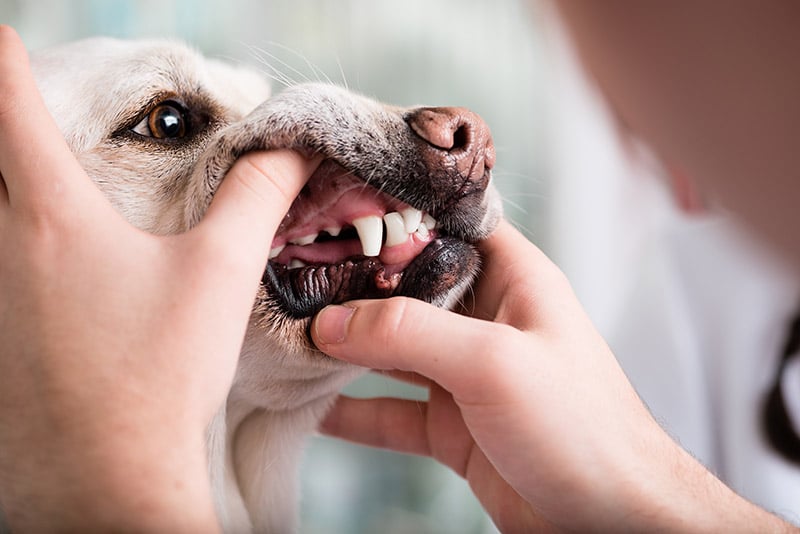
person examining dog's mouth
Image Credit: Kzenon, Shutterstock

2. Take a Picture or Carry It Home

If you suspect your dog ate something harmful but are unsure about its identification, such as a plant you are concerned about may be toxic, you can take a picture of it or bring a sample home. You should keep the item in a secure bag your dog can’t access and contact your vet straight away for advice.


3. Contact a Veterinarian

If you are unsure what to do after your dog has eaten something on a walk, it is always best to contact a veterinarian for guidance. They can give you the most appropriate advice for your situation and dog. The treatment will vary depending on what they have (or may have) eaten, but acting fast will give the best outcome in all situations.

If you need to speak with a vet but can't get to one, head over to PangoVet. It's an online service where you can talk to a vet online and get the personalized advice you need for your pet — all at an affordable price!

PangoVet_Mention-in-Content Savings V1


4. Monitor Your Dog’s Behavior

If you aren’t entirely sure about what your dog has eaten, you should monitor their behavior closely. Harmful items may be poisonous or may cause an intestinal blockage.

Signs your dog has eaten something harmful may include:

  • Vomiting
  • Lethargy
  • Weakness
  • Diarrhea
  • Restlessness
  • Panting
  • Increased salivation
  • Tremors
  • Collapsing

It is essential to take your dog to an emergency veterinary hospital as soon as you notice any concerning signs.

sick dog lying on the floor
Image Credit: EugeneEdge, Shutterstock

5. Do Not Induce Vomiting

Although you might mean well, it isn’t a good idea to induce vomiting unless a veterinarian has advised you to do so. Veterinarians know the safest and most effective ways to induce vomiting. In some situations, inducing vomiting is not an appropriate treatment and can do more damage.

There are also, unfortunately, several dangerous ways to induce vomiting in dogs at home that usually end up doing more harm than good. Making your dog vomit incorrectly could be life-threatening, so always seek guidance from veterinary professionals.

divider dog faces oct 2024

Tips to Help Deter Your Dog From Eating Things on a Walk

  • Using a shorter leash when you walk your dog can be helpful. This allows you to keep a close eye on them and control them easily if they start eating stuff on a walk. Furthermore, you will be closer to your dog to intervene if they start eating something. If there is a particularly tempting area for scavenging on your regular walk, you may need to choose another route!
  • Teach your dog “leave it” and “watch me” cues. It is helpful to practice these at home in a less exciting environment before trying them on walks.
  • Keep walks fun and engage with your dog using games or toys to distract them from looking for items to scavenge.
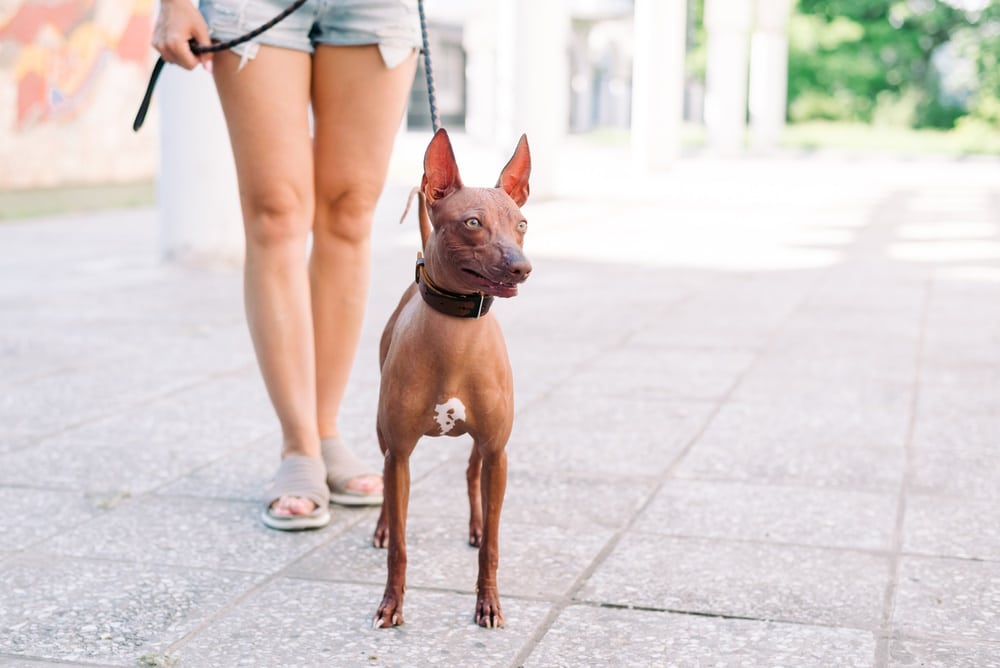
mexican hairless dog walking with owner
Image Credit: Ira Shpiller, Shutterstock

divider dog faces oct 2024

Final Thoughts

Having your dog eat something during a walk can be worrisome, especially if you don’t know what it is or if it is harmful. The best advice you can get for the situation is from a veterinarian, so don’t hesitate to contact them with your concerns. They can guide you through what you should do and whether they need to see your dog or not.

Be sure to monitor your dog’s behavior and look for signs of toxicity or obstruction. Of course,  if you have already determined that your dog has eaten something toxic, they should be taken to the nearest emergency veterinary hospital immediately, and you should not wait for your dog to show signs of a problem.

See also:


Featured Image Credit: Pezibear, Shutterstock

Want content like this delivered to you?

Sign Up For Our Newsletter

News, insights, expert advice, and everything dog

* By submitting, you agree to our Terms & Conditions and Privacy & Cookies Policy.

How useful was this post?

Click on a star to rate (you can leave written feedback after clicking submit)

Help us improve Dogster for pet parents!

Your feedback really matters.

What did you like about this post? Also how can we improve it?

Join the conversation

Leave a Reply

You’re very welcome to leave a comment or question. Please know that all comments must meet our community guidelines, and your email address will NOT be published. Let’s have a positive and constructive conversation.

Talk With A Vet Online

Peace of mind,
anywhere, anytime

Affordable vet advice

What Is BSL (Breed-Specific Legislation)? Vet-Approved Explanation

Dog bites and attacks must be taken seriously. According to the Centers for Disease Control, about 4.5 million dog attacks occur in a...

Can a Litter of Puppies Have Different Fathers? Vet-Approved Superfecundation Explanation

It isn’t uncommon for the puppies in a single litter to be different sizes and have different markings. Sometimes, though, the puppies can...

Are Monsteras Toxic to Dogs? Vet-Verified Facts, Info & Poison Help

Having house plants and dogs together in the same space can be quite a challenge. You want to keep both alive and healthy,...

What Were Airedales Bred For? History & Origin

The Airedale Terrier is a friendly and devoted dog known for its intelligence, obedience, and love of people. This breed is perfect for...

More related

When to Euthanize a Dog with Kidney Failure: Our Vet Explains

Kidney disease is a relatively common condition in dogs that can come on very suddenly or progress over several years. This article will...

14 Fascinating Yorkshire Terrier Facts For All Dog Lovers

Yorkshire Terriers are incredibly intelligent, feisty beyond their size, and some of the most playful dogs you’re likely ever to meet. But don’t...

How Much Does a Maltese Smell? Breed Facts & Care Tips

When you’re considering bringing a new companion home, how much they smell can be a factor. If you’ve been pondering the Maltese, you...

7 Best Indestructible & Chew-Proof Dog Beds in 2025 – Reviews & Top Picks

Many dog breeds tend to chew on their belongings, especially if they are still puppies or spend a lot of time on their...

Keep reading

10 Foods With Vitamin C for Dogs: Vet Reviewed Nutrition Facts & Info

Vitamin C, also known as ascorbic acid, is incredibly important for normal immune function in mammals, including dogs. It promotes the activation of white blood cells, which is the body’s principal means of fighting off infection. It also has some...

woman giving broccoli to her dog

Can Dogs Eat Licorice? Vet-Verified Nutrition Facts & Info

Our pets can eat all sorts of goodies that we can prepare from the comfort of our own kitchens. However, when it comes to sweets, it isn’t always the best idea to share with our four-legged friends. Licorice is not...

twizzlers licorice candies

10 Best Fresh Dog Food Delivery Services in 2025 – Reviews & Top Picks

Dog food subscription and delivery services are a convenient way to buy food for your pet, and while they are generally slightly more expensive, they do take most of the hassle out of shopping for your pal’s meals. Luckily, there...

Finny opening the door with the farmers dog delivery

Can Dogs Eat Almond Flour? Vet-Verified Nutrition Facts & Portion Awareness

Almond flour is an alternative to wheat flour that, in humans, is considered healthier because it has fewer carbs, contains plenty of nutrients, and has a naturally sweeter flavor. However, while almond flour isn’t toxic to dogs, and it can...

Dogster-Can-Dogs-Eat-Almond Flour

Can Dogs Eat Sherbet? Vet-Reviewed Health & Safety Guide

Eating a cold and refreshing bowl of sherbet on a hot summer day sounds incredibly appealing, and it’s quite likely that your dog is watching every spoonful going into your mouth. This is the point when you wonder if it...

Can Dogs Eat Sherbet

Can Dogs Have Peppermint? Vet-Verified Safety Facts & FAQ

Peppermint (Mentha piperita) makes an appearance in so many things we eat and drink, particularly around the holidays! But many also use peppermint for its homeopathic uses, of which there are a number of potential benefits to humans. But can...

peppermint plants

11 Best Grain-Free Puppy Foods in 2025: Reviews & Top Picks

To help your puppy get the best possible start in life, you must feed them an appropriate diet. Puppies grow incredibly quickly compared to humans and the food they eat is designed to provide them with all the nutrients they...

Maltipoo-puppy-eats-from-a-metal-bowl

Can Dogs Eat Pudding? Vet-Reviewed Facts & FAQ

Imagine this: You’re feeling nostalgic for the school lunches you ate as a kid. You’re halfway through your peanut butter and jelly sandwich when you spot a fresh cup of pudding. As you pull back the lid, your hands slip,...

Can Dogs Eat_pudding