Male vs Female Papillon: What’s the Difference (With Pictures)

In this article
While not a universal truth, some animals display distinct differences between male and female species members. With companion animals, it’s essential to look at the differences between male and female animals to ensure that you choose the animal that is right for you.
When determining if sex should be a factor when choosing your new companion animal, you should look at notable differences in size, temperament, coloring, and health problems to see if any stick out to you as being necessary to your choice. Let's take a look at Papillons.

Visual Differences

At a Glance
Papillon 101

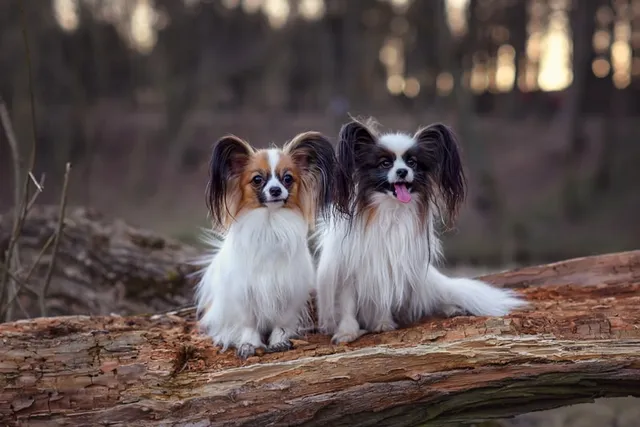
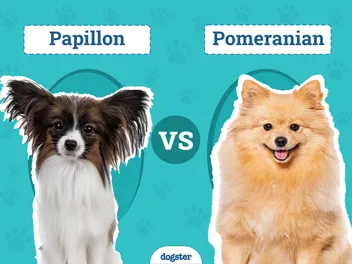
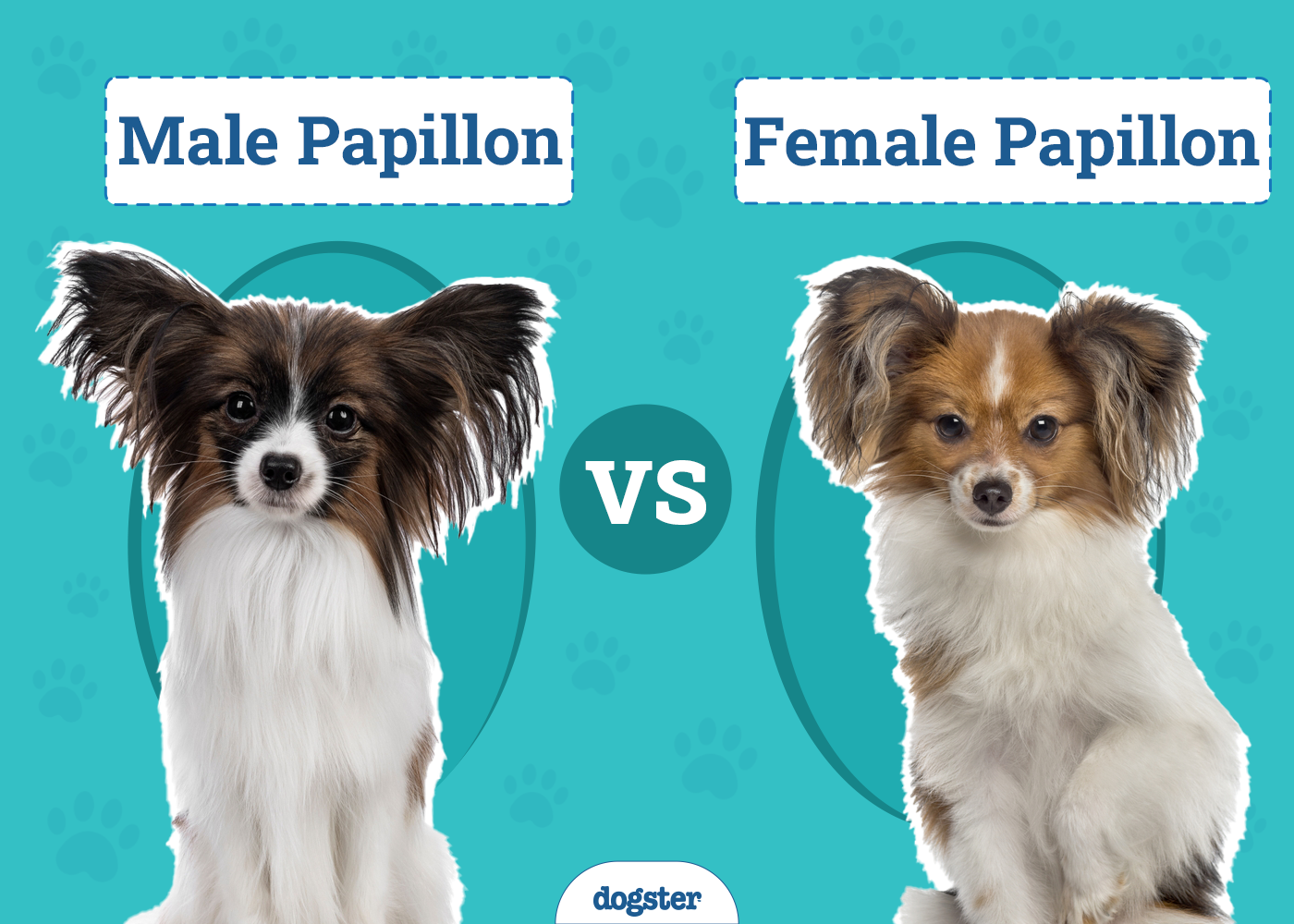
The Papillon gets its name from its ears. The word “papillon” is French and means “butterfly;” The Pap’s ears have long, plumed fur that resembles wings. Paps are elegant and dainty with their medium-to-long hair and plumed tails, but they’re much hardier than they first appear.
Fans of the breed describe it as being energetic, athletic, and friendly. They make excellent agility dogs and have been competing successfully at the highest levels of competition for years. Owners with less lofty goals can still train their Paps to do various tricks to impress people of all ages.
Paps make great family dogs since they’re both small and energetic. Paps are good with kids and have tons of energy to keep up with the family and play for hours. Despite their small size, Paps are vigilant watchdogs that will alert the family to any people approaching their homes.
These qualities make the Papillon an excellent choice for all family units, from the nuclear family to a single person looking for non-human companionship.

Male Papillon Overview

Personality / Character
The male Papillon is generally considered a more popular companion animal due to his more affectionate and cuddly nature. He’ll often follow their owners around, give cuddles any time they’re available, and love to be babied.
The male Pap might want to be carried around and sleep under your blanket with you, traits that many toy dog owners seek. He’s also got gentle demeanors and generally won’t be as rough with their toys (or people!) as females.
Training 🎾
The male Pap is a people pleaser, which makes him highly trainable. Male Paps want to make their owners happy, and this drive will have them doing tricks for your enjoyment with ease. This drive makes male Paps a more popular show dog than their sisters because of the ease of training.
Health & Care
Male Paps are more prone to hernias than their sisters. They can also develop illnesses related to the male reproductive system, such as prostatitis, prostate cancer, and enlargement of the testes. Proper neutering practices can often prevent these, but it’s essential not to neuter them too young.
While both breeds feature the medium-to-long silky coat texture, most breeders would say that males have the more excellent overall coat, another feature that makes them better show dogs.
Breeding
There are no notable differences between male and female Paps when breeding them. However, the female’s temperament differences may result in some resistance or standoffishness.
Female Papillon Overview

Personality / Character
The female Pap is a much more independent creature than her brother. They can be a bit bossy and aggressive at times. Unlike her brother, the female Pap isn’t a people pleaser as much as she is a reigning queen.
While the male Pap lives to please his owner, the female Pap lives to be pleased by her owner. She is affectionate but may become bored while playing with you and decide she’d instead take a nap on her own. She can be moody because of her desire to be pampered and pleased.
Training 🎾
The female Pap can be moody and more challenging to train than her brother. Her princess-y attitude can make her unwilling to lower herself to the level of performing for your amusement. For this reason, her brother will generally be the choice for people who are looking to perform in dog shows. Impatient owners may also want to consider a male Papillon over a female.
Health & Care
Female Paps have a higher incidence of luxating patellas, and the condition seems to become more severe when she is in heat. Female Paps are also going to have the potential to develop diseases respective to their reproductive systems like mastitis and mammary gland cancer.
Seek veterinary advice if you’re concerned about your pet’s well-being.
While a female Pap will sport the same butterfly-wing ears and plumed tail, breeders consider her coat less silky and refined than her brothers. Owners looking for show dogs will want to consider her looks and coat texture when selecting a dog.
Breeding
While there aren’t many notable differences between male and female Paps in breeding, females can be a bit more standoffish and moodier about everything, including breeding.

Which Papillon is Right For You?
When it comes to choosing a Pap, the temperament of each gender and the parents’ temperaments should be considered heavily. While some temperament is based on nurturing, a dog's temperament is also a natural factor.
While gender may not be a significant consideration for family dogs, owners looking to participate in dog shows and sporting events will want to heavily consider the gender-based temperament and coat differences between the male and female Papillon when selecting a dog.
We hope that no matter which Papillon you decide is right for you, your family will be better with the addition of a furred companion!
Next on your reading list:
Featured Image Credit: Left: Male Papillon (CataleyaLifedesign, Pixabay), Right: Female Papillon (MusicFox Fx on Unsplash)
Expert dog care, straight to your inbox
News, insights, expert advice, and everything dog.

No spam — unsubscribe anytime.
By signing up, you agree to our Terms & Conditions and Privacy & Cookies Policy.
How useful was this post?
Click a star to rate. You can leave written feedback afterwards. (We read all feedback.)
Nicole has loved animals of all sizes her whole life so it's no wonder she has dedicated her career to helping them through what she loves best: learning, writing, and sharing knowledge with others. She’s the proud mom of two dogs, a cat, and a human. With a degree in Education and 15+ years of writing experience, Nicole wants to help pet parents and pets around the planet to live happy, safe, and healthy lives.