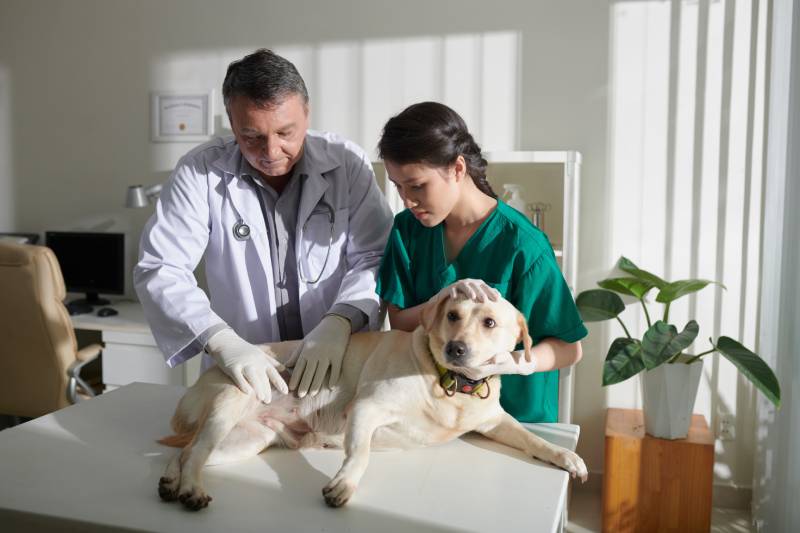
“Cancer” is a word that we dread but one we hear all too often. We all know someone who has been affected by cancer, and sadly, that includes our pets. Over half of dogs over the age of 10 will be affected by cancer.
Cancer comes in many different forms, some more common than others, and some much more severe than others. The signs that our dog could be affected by cancer will depend on where and what it is, as well as how it is affecting their body. Without taking our dog for a full body X-ray, ultrasound, and CT scan every 6 months, we can’t know for sure that cancer isn’t quietly developing somewhere, but there are things we can be looking out for, as well as steps we can take to improve the chances of early detection.
Let’s take a look at how different types of cancer can affect our dogs, what to be on the lookout for, and what sort of treatments are available for those affected by this devastating disease.

What Is Cancer?
You’ve probably heard about DNA (deoxyribonucleic acid) and how it tells every cell in the body what to do, and amino acids are the building blocks of DNA. Because cells are constantly dying and being replaced, these DNA and amino acids are used over and over again to reproduce every cell in the body. But sometimes, a mistake is made, and this error in the sequence of amino acids gets repeated, causing cells to grow and behave abnormally. This is also known as neoplasia, which means “new form” or “new growth.” Sometimes, the error is minor, causing insignificant or benign results. Other times, it leads to cancer.
The type of cancer depends on where the error occurred, which is why cancer can affect any part of the body and behave in lots of different ways. Benign tumors are abnormal tissue created by mistakes in DNA that do not have any real functional impact on the body. Malignant tumors or diseases, usually referred to as cancer, are the result of more significant DNA mistakes that get worse over time and cause damage to other cells and tissue.
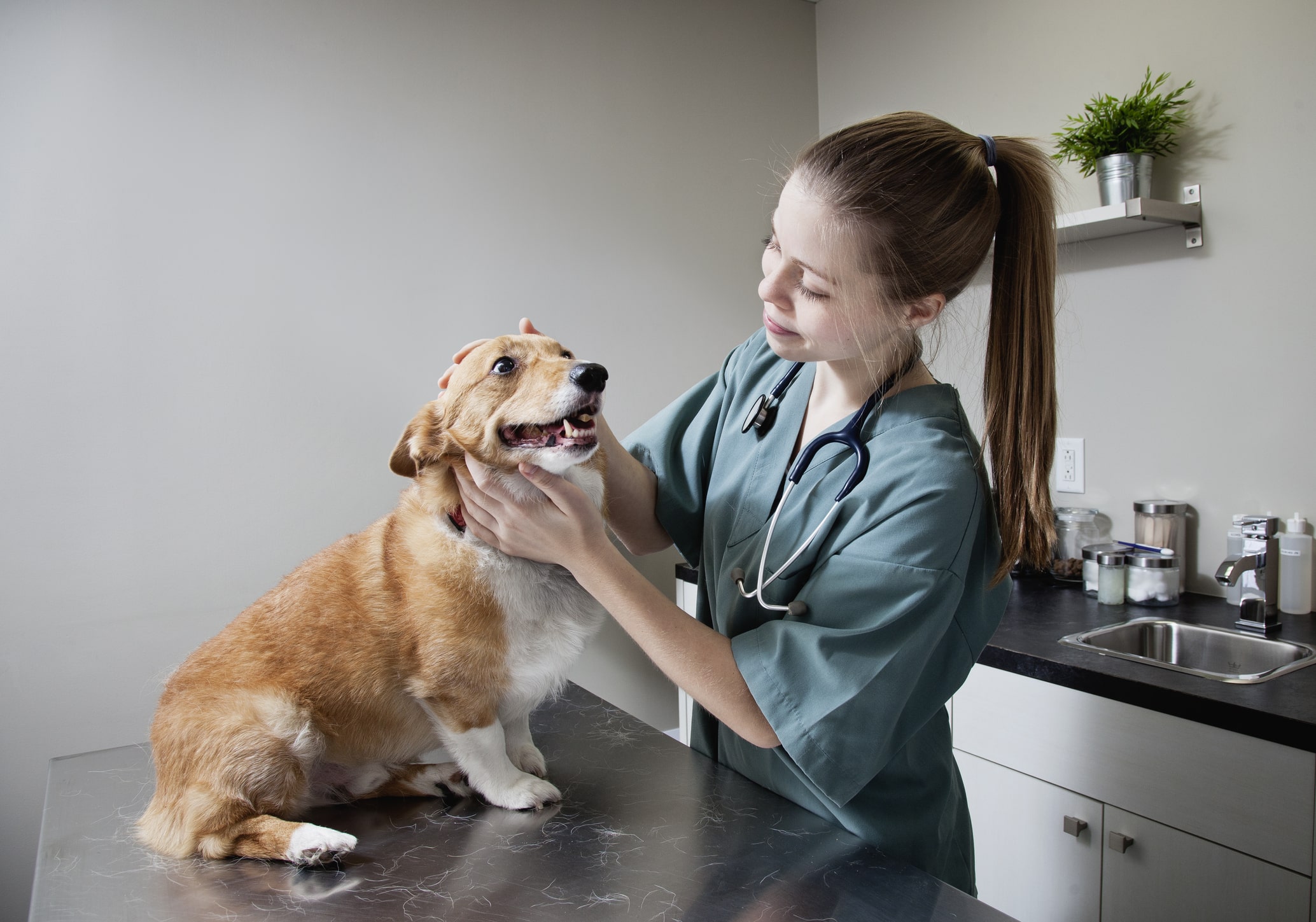
- Neoplasia: New or abnormal cell growth, also known as cancer, that can be benign or malignant.
- Tumor: Abnormal growth of cells (neoplasia) that forms a mass or lump. May be benign or malignant.
- Benign: Abnormal cells/tissue that do not invade other tissues or cause functional changes but may still be harmful, depending on the location (e.g., benign brain tumor).
- Malignant: Neoplasia that invades and spreads through the surrounding tissue, resulting in functional and structural changes.
- Metastatic: Refers to the spread of a malignant cancer to distant parts of the body. For example, a malignant mammary tumor that metastasizes to the lymph nodes or lungs.
- Biopsy: A sample of tissue used to help diagnose and stage cancer. Biopsies can be in the form of:
- Fine needle aspirate (FNA): Uses a needle to obtain cells to examine under the microscope (cytology). Minimally invasive and often doesn’t require sedation or anesthesia but may not always yield results.
- Incisional biopsy: A tissue sample taken from the tumor. Usually used if the tumor is very large, invasive, or complete removal will be difficult or risky.
- Excisional biopsy: Removal of the entire tumor to send for examination and diagnosis.
- Palliative care: Refers to any type of treatment that is aimed at maintaining and extending a good quality of life when a cure is not possible. It may include treatments such as surgery, chemotherapy, or radiotherapy, or be based on pain management.

What Are the Signs of Cancer in Dogs?
Because cancer can come in many different forms and affect many different parts of the body, the signs of cancer in your dog will vary greatly. We would need a whole textbook to cover every type of cancer, but below is an overview of the more common forms of cancer that can affect dogs and what sort of signs they can produce.
For more details about cancer in dogs, the MSD Veterinary Manual is a great source of information about pet health and diseases, including cancer.
Lipoma

These are some of the most common types of tumors we encounter on dogs and one that most dog owners will have seen or felt before. They are the soft, squishy, fatty lumps that sit in or just underneath the skin. They can occur anywhere, and the majority are benign, consisting of fat cells called adipocytes that are growing uncontrollably, but usually within a well-defined boundary.
Surgical removal is recommended for lipomas that are rapidly growing in size, changing in shape and texture or are growing somewhere uncomfortable (around a joint or under muscle).
There is a malignant form, Liposarcoma, which is rare but very dangerous, so any fatty lumps should always be checked by your vet.
What to Look For
Lipomas tend to be quite mobile; you can feel them moving around under the skin, and they shouldn’t be painful to touch. Your vet may use an FNA to diagnose a lipoma or recommend an excisional biopsy. Smaller, slow-growing lipomas are often left for us to monitor, and dogs can grow lots of these fatty lumps as they get older, with certain breeds, including the Weimaraner, Labrador, Golden Retriever, and Doberman, being more likely to be affected.
If you are concerned about the health and well-being of your pet, we recommend getting in touch with a vet for guidance.
If you need to speak with a vet but can't get to one, head over to PangoVet. It's our online service where you can talk to a vet online and get the advice you need for your pet — all at an affordable price!

Mast Cell Tumor
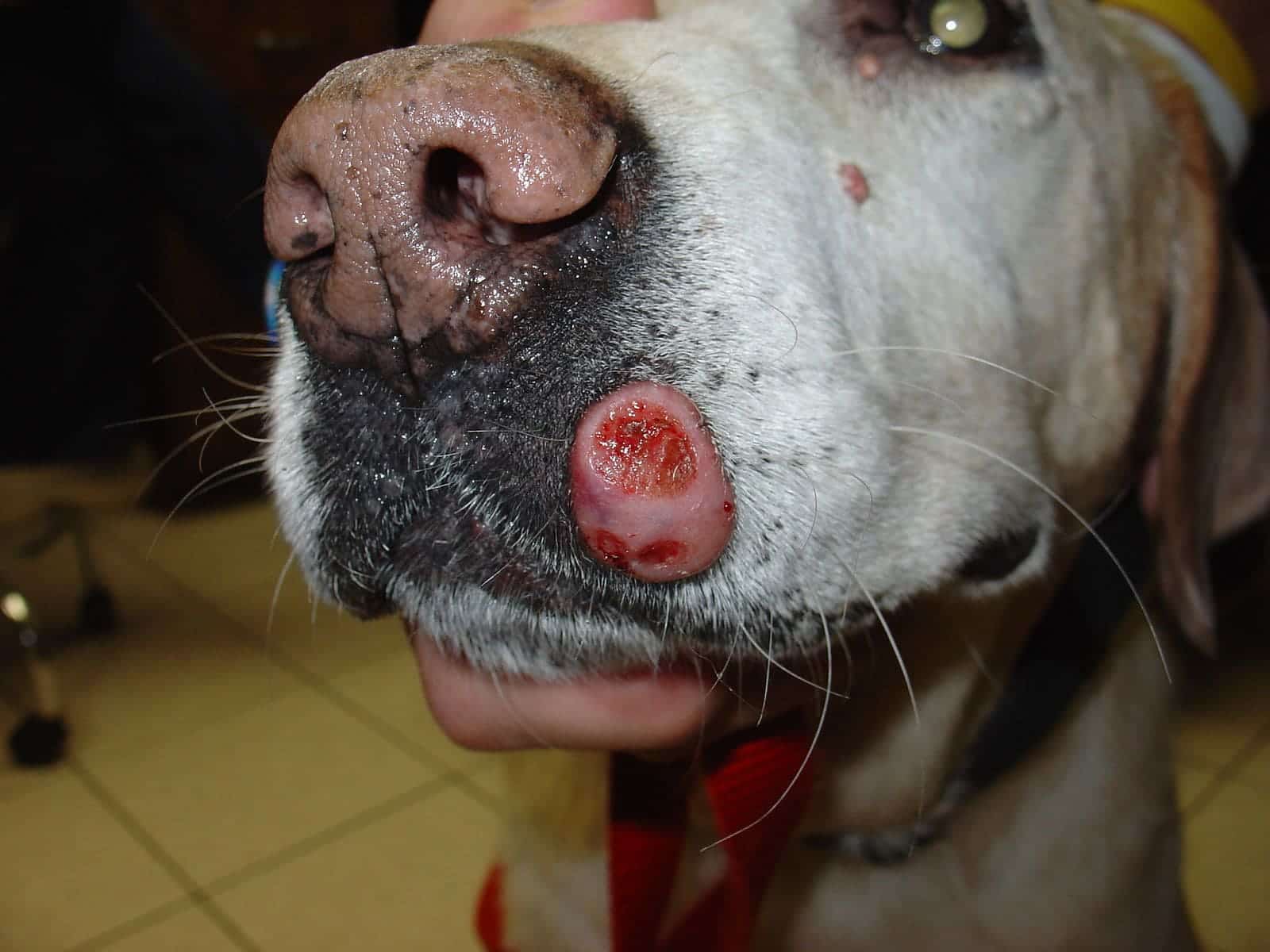
The most common malignant skin tumor and the third most common tumor type in dogs, mast cell tumors (MCTs) can range from low-grade, with surgical removal usually curative, to high-grade, metastatic, or multicentric, spreading across the surface of the body or internally.
Surgical removal with wide margins is the primary method of treatment, but additional investigation, including FNA, biopsy, and abdominal ultrasound, may be recommended in cases of high-grade MCTs to look for metastatic spread to the lymph nodes, liver, or spleen.
What to Look For
Raised, hairless, firm lumps, often quite round, on the surface of the skin. They can also be within the skin layer. Unlike lipomas, they are not mobile within the surrounding tissue. They can change in size, getting bigger and smaller over time, which is linked to their production of a substance called histamine, which is what makes us itchy when we have a bug bite, so dogs will often bite, lick, or scratch at these lumps.
There is a more benign form called a histiocytoma, or button cell tumor, that is visually similar to an MCT and often affects younger dogs. Histiocytomas rarely require surgery, as they regress on their own over a few weeks to a few months.
Abdominal Tumors
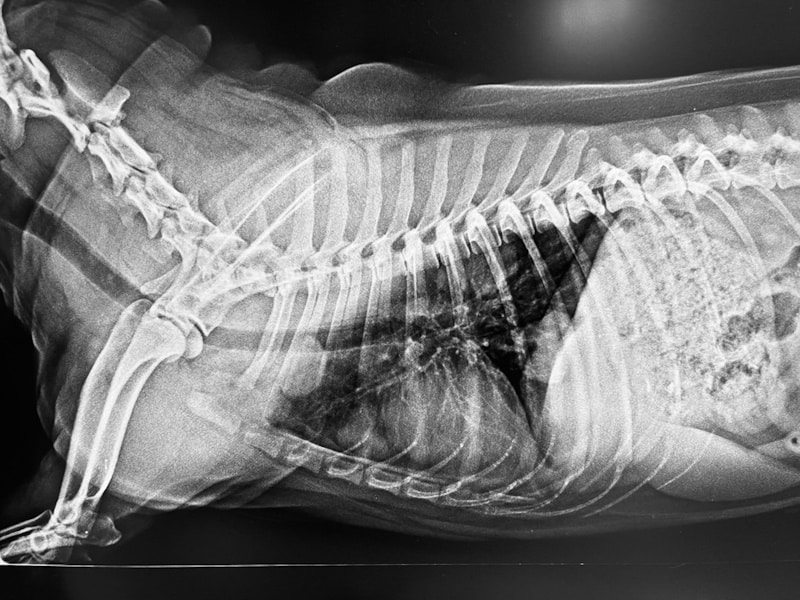
This covers a multitude of cancers, including those affecting the spleen, liver, kidneys, and digestive tract. These are the hardest to diagnose based on an external examination alone, and the specific signs will depend very much on the organs affected.
- Abdominal swelling
- Abdominal discomfort
- Unexpected weight loss
- Lethargy, weakness, or collapse
- Pale mucous membranes (gums)
- Yellow mucous membranes (jaundice)
- Reduced appetite
- Vomiting/nausea
- Diarrhea
- Blood in stool (digested blood can turn the feces very dark brown or black)
- Blood in the urine
- Difficulty passing feces or urine
Lymphoma
Also known as Lymphosarcoma, this is the uncontrolled proliferation of the lymphocytes (the cells that are responsible for the immune response) that reside in lymph nodes located all over the body and circulate throughout the lymphatic system. The signs and severity of lymphoma vary depending on the type of lymphocytes involved (T-cells or B-cells) and the area of the body affected.
All dogs can be affected by lymphoma, but it has a higher incidence in the Boxer, Rottweiler, and Golden Retriever.
- Swelling of the peripheral lymph nodes
- Lethargy
- Weight loss
- Inappetence
Osteosarcoma
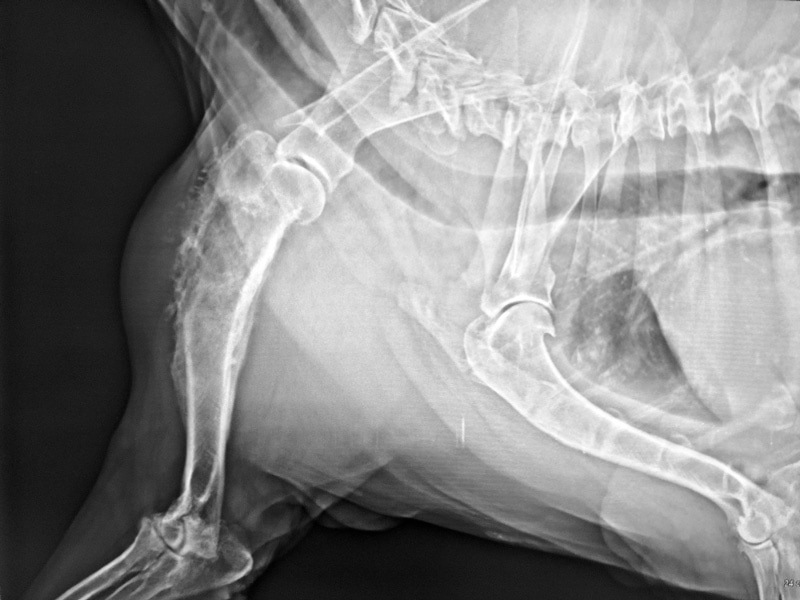
The most common form of bone tumors in dogs, osteosarcoma is almost always fatal. The reason is that by the time a primary lesion is detected, the cancer has spread to the lungs. It is more common in middle-aged, large, or giant breeds, such as the Rottweiler, German Shepherd, Boxer, Doberman Pinscher, and Irish Setter. Although it can affect virtually any bone, the most common locations are the forelimb and hindlimb.
What to Look For
Look for tender areas, pain, or swelling over a bone, which your dog may alert you to by licking the area. Lameness can be mild or severe, or chronic or acute. Because osteosarcoma causes lysis (breakdown) of the bone, it can cause the bone to break (known as a pathological fracture). While any sign of pain or lameness should never be ignored, if you have a large or giant breed dog that is showing signs of pain or lameness, an investigation started early could have a huge impact on your dog’s chances of survival.
Mammary Cancer
More than 25% of unspayed female dogs will develop mammary cancer, around half of which are malignant, but relatively few are aggressive or metastatic. Left untreated, mammary cancer can spread into multiple mammary glands and cause pain, swelling, ulceration, infection, and necrosis (tissue death).
Dogs that are spayed before their first season have a less than 0.5% chance of getting mammary cancer, with the risk rising to 8% for those spayed between their first and second seasons. The risk increases significantly after their third season to 26% and continues to rise.
What to Look For
Look for firm lumps in the tissue surrounding the nipple. The last mammary glands, closest to the hind legs, are most commonly affected, but mammary cancer can occur in any mammary gland and may involve more than one. These lumps may cause pain, discomfort, or irritation, or appear to have no effect on the dog at all.
Although rare, male dogs can also be affected by mammary cell cancer, so swelling around the nipple should not be ignored just because the dog is male.
Testicular Cancer
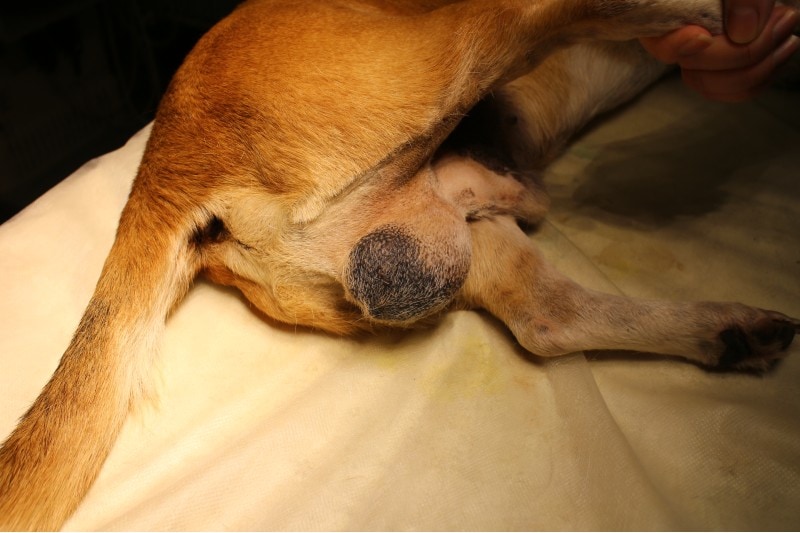
There are three main forms of testicular cancer: seminomas, Sertoli cell tumors, and interstitial cell tumors, all of which tend to have low malignancy and rarely metastasize. However, some can spread to the local lymph nodes, prostate, or urinary tract.
Older males are most commonly affected, with cryptorchids (testes that have been retained either inside the abdomen or in the passage between the abdomen and scrotum) much more likely to be affected. Treatment involves the removal of both testes (castration), which is usually curative unless there has been metastatic spread, in which case chemotherapy or radiation therapy may be recommended.
What to Look For
Testicular cancer most often affects one teste, so get to know the size, shape, and feel of your dog’s testicles. Signs include lumps, bumps, firmness, softening, and shrinking of the affected teste, all of which should be examined by your vet.
Bladder Cancer
The most common type of cancer that affects the bladder is called transitional cell carcinoma, which is most common in older female dogs. This is a highly aggressive type of cancer, which has a high rate of recurrence after surgical removal. It is almost always fatal; however, with a combination of therapies, including surgery and radiation or low-level chemotherapy, this cancer can be kept at bay for periods of around 6 to 12 months.
- Blood in the urine
- Straining to urinate
- Urinary incontinence
- Lower abdominal pain
Melanoma
Unlike in humans, most melanomas in dogs are benign. Formed from the cells responsible for producing pigment (melanocytes), melanomas on the skin usually appear as raised, irregularly shaped dark lesions. Melanomas can also develop in the mouth and around the nail beds, and these tend to be malignant.
What to Look For
Loom for new, darkly pigmented lesions on the skin, toes, or in the mouth. Melanoma of the toes can cause bleeding around the nail beds and cause lameness. In the oral cavity, salivation, very smelly breath, and difficulty chewing and picking up food can be a sign of melanoma and warrant immediate veterinary attention. You can see some image examples here and here.
Brain Tumors
Brain tumors are more commonly seen in older dogs, but certain breeds, including the Boxer, Boston Terrier, and Staffordshire Bull Terrier, appear to have a predisposition to developing brain tumors at younger ages.
Many brain tumors are technically benign, but because of their location, their continued growth will have significant, progressive neurological effects that can result in severe impairment and death.
- Changes in mood, demeanor, and personality
- Head tilt
- Circling
- Head pressing
- Confusion
- Falling over
- Ataxia (wobbly/unsteady when walking)
- Tremors
- Blindness
- Seizures
- Coma
Many other types of cancer can affect our dogs—too many to go into detail here—but the primary message to take home is that cancer isn’t always easy to detect in dogs, and sometimes, the only clinical sign is that they are not themselves. You know your dog better than anyone else, and if you feel that something is wrong, then you’re probably right.
What Are the Treatment Options for Cancer in Dogs?
Just like with human medicine, our weapons against canine cancer have expanded significantly over the years, with more advanced and successful treatments being discovered all the time. The main difference in treating cancer in dogs versus humans is that we must strike a balance between aggressive therapy and preventing pain or suffering.
There are numerous options for cancer treatment in dogs, but in most cases, surgical removal is the most common approach to treating a tumor. However, we now have a wider range of options to fight cancer that is either unsuitable for surgery or needs a multi-modal approach.

Radiation Therapy
Also called radiotherapy, this treatment uses a targeted dose of radiation focused on tumors to destroy the cancerous cells. This type of treatment is useful for tumors that cannot be safely accessed or completely removed with surgery. Brain tumors, nasal tumors, and oral tumors are often candidates for radiation therapy, but not all types of cancer will respond to radiation therapy.
Radiation can be used on its own or combined with other treatments, and it is sometimes used to shrink a tumor before surgery to improve the chances of complete surgical excision.
Chemotherapy
When cancer involves multiple parts of the body and cannot be treated with targeted therapy, chemotherapy may be used. Traditionally, chemotherapy uses cytotoxic chemicals that are injected into the bloodstream to target and kill cancer cells. The trouble is, it will kill normal, healthy cells too, which is why it makes people so sick.
When chemotherapy is used to treat canine cancer, cure is possible, but in most cases, the result is more likely to be remission, which may last for months or even years. The focus of chemotherapy in dogs is improving quality of life rather than cure.
There are only a few types of cancer that may respond to chemotherapy, including lymphoma, leukemia, multiple myeloma, transmissible venereal tumor, and multicentric mast cell tumors.
Other Forms of Chemotherapy
Several oral medications have been successfully used to treat or manage certain types of cancer in dogs, some of which have been specifically formulated for that purpose, while others have been found to have therapeutic effects on some cancers in addition to what they were designed for.
- Masitinib (Masivet®): Designed to target multicentric or inoperable mast cell tumors.
- Toceranib (Palladia®): Used primarily to treat multicentric or inoperable mast cell tumors but can also be used to treat sarcomas, carcinomas, melanomas, and multiple myeloma.
- Piroxicam (Feldene®): A non-steroidal anti-inflammatory (NSAID) medication used to treat arthritis in humans, Piroxicam has been found to have tumor-reducing effects on transitional cell carcinoma, a form of bladder cancer.
- Zoledronate: Used to treat osteoporosis in humans, this medication prevents or slows bone lysis, and has been found to have positive effects in the management of osteosarcoma (bone cancer).
Most of these medications do have the potential to cause unpleasant, sometimes harmful side effects. However, most of these can be managed with dose adjustments or additional treatments.
Is There a Blood Test for Cancer?
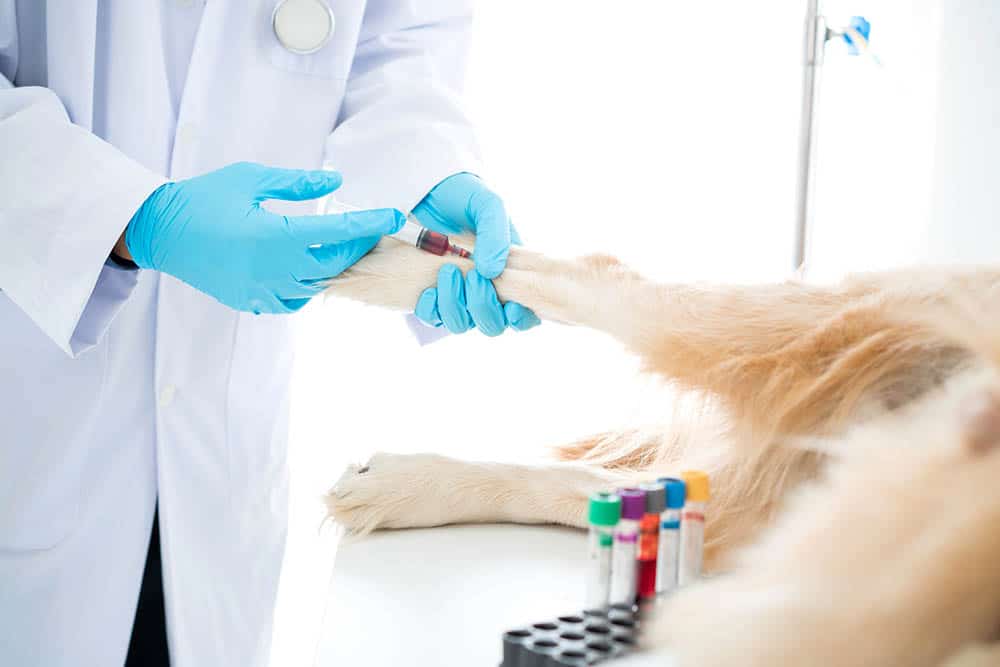
This is something vets are often asked: Can my dog be tested for cancer? As you can probably tell from the information above, cancer takes on many forms and affects the body in various ways. While blood tests can give us vital information about organ function, bone marrow health, hormone levels, and other indicators of disease, there is no specific test for cancer. Certain changes in the blood may increase our suspicion of cancer and indicate what body systems are being affected and how well your dog is responding to therapy, but a blood test alone will not indicate if your dog has cancer.
Final Thoughts
Cancer is an enemy that does not discriminate, and it is heartbreaking when it targets our loyal, loving dogs. Except for some reproductive cancers, there is little we can do to predict or prevent cancer, and early detection is our best weapon. It is far better to feel like you’re being overly paranoid by making an appointment with your vet than to miss the chance to diagnose and treat cancer before it takes hold.
See Also:
- Palliative Care for Dogs: 8 Vet-Approved Ways to Make It Comfortable
- Are All Tumors Cancerous in Dogs? Our Vet Explains the Differences
Featured Image Credit: Renko Aleks, Shutterstock