In this article
As a pet owner, making the decision to surrender your dog can be one of the hardest choices you’ll ever have to make. However, sometimes life circumstances can change dramatically, and it becomes unavoidable. Here are some important steps to consider, ensuring that you’re surrendering your dog in the most responsible and compassionate way possible.

Before We Begin
If you’re considering surrendering your dog, the first thing to do is to reach out for help. If you’re dealing with a behavioral issue, medical condition, or you just can’t afford to care for your dog right now, there may be resources available that can help you keep and manage your pet. Local shelters, vets, animal rescue groups, and online resources are all potential sources of assistance.
There are many reasons why you may find yourself in this situation, and sometimes you are unable to provide everything your dog needs, or you find yourself in a situation where looking after a dog just isn’t possible. It is important to know that, if rehoming is going to provide the best outcome for your dog, then it is the option you need to take. However, if you are finding it difficult to deal with certain traits or behaviors, rehoming should not be the only solution explored.
If you are unable to provide your dog with all the love, training, healthcare and exercise they need, it is better to find them a new home than to keep them in a situation where they may become neglected or frustrated.

Consider Rehoming With Someone Trusted
Before deciding to surrender your dog, it’s crucial to explore all other possible options. This could include rehoming your dog within your network of friends, family, or neighbors. Personal connections often offer the most seamless transitions for pets, as they may already be familiar with these individuals. Moreover, it allows you to keep updated on your pet’s well-being.
Seek Professional Help
If behavioral issues are the reason behind your decision, consider seeking help from a vet, a professional dog trainer, or behaviorist. Many behavioral problems can be rectified with patience, consistent training, and professional guidance. It’s worth exhausting these resources before resorting to surrendering your beloved pet.
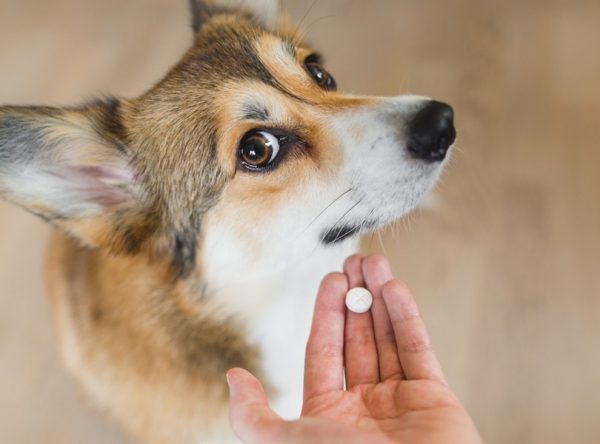
Consulting with a veterinarian is a valuable step in this process. If health issues are making it difficult for you to keep your dog, a vet can provide advice and potential solutions. They might suggest treatments or management strategies you haven’t considered. There are certain medications and supplements that can help overcome some behavioral problems, so don’t be afraid to ask your vet for help; that’s what they’re there for.
Additionally, a vet can guide you on how to maintain your dog’s health during the transition process. This includes keeping up to date with vaccinations, ensuring your dog is free from parasites, and managing any ongoing health conditions effectively. They may even be able to direct you towards some appropriate rehoming organizations.
Did you know you can speak to a veterinarian without having to travel? Just head over to PangoVet. It's our online service where you can talk to a vet online and get the advice you need for your pet — all at an affordable price!

Reach Out to Pet Care Organizations
If you’re struggling to afford the care of your dog, there are some organizations that can help. For example, there are several organizations that can help with vet care if you can’t afford the care your dog needs. Additionally, the Humane Society of the United States provides a list of organizations that can help with food and supplies, vet care, and other aspects of pet care.

The 9 Steps for Surrendering a Dog
Making the decision to surrender your dog is a challenging one. It’s an emotional journey that requires careful thought and planning. If you’ve exhausted all options and have no choice but to surrender your dog, here are some important steps to guide you through this difficult process responsibly.
1. Research Surrender Options
Once you’ve exhausted all resources to keep your dog, it’s important to understand the surrender process. Start by researching the different options available in your area. Most shelters and rescues have specific policies that apply when a pet owner wants to surrender their animal, so make sure you understand those policies fully before proceeding. Also, find out if you’ll be able to get updates on your dog’s status after the surrender, as well as what will happen if the animal isn’t adopted.
If your dog is of a specific breed, there are many breed-specific charities and rehoming organizations that will unite people looking for a particular breed, with one needing a new home.

2. Comply with Legal Requirements
Each jurisdiction may have different legal requirements related to surrendering a pet. Some may require proof of ownership, vaccination records, or other documentation. Familiarize yourself with these requirements to ensure a smooth surrender process.
It’s crucial to follow these legal requirements. Doing so protects you, the shelter, and most importantly, the dog. Also, remember that surrendering a dog is a serious decision with potential legal implications, so it’s essential to fully understand the process.
3. Ensure Your Dog Is Healthy
Before surrendering your dog, take them for a check-up to ensure they are healthy. Any health issues should be addressed before surrender, and the shelter should be informed of any ongoing treatment or medication your dog requires.
Providing the shelter with your dog’s medical records is also important. These records give the shelter a complete picture of your dog’s health history, allowing them to continue any necessary treatments and inform potential adopters of any health considerations. Honesty is really important here.

4. Gather Necessary Documentation
Compile all necessary documents for the surrender. This includes your pet’s medical records and any additional paperwork required by the shelter or rescue you’re surrendering them to.
5. Reach Out to Local Animal Welfare Organizations
Local animal welfare organizations can be an excellent resource. Their primary goal is the well-being of animals, and they can provide support and advice during this difficult time. They may also have connections to foster programs or potential adopters.
Also, these organizations might offer other services that could provide a solution to your situation. For instance, some organizations run food banks for pet owners in financial difficulty or offer temporary foster care during emergencies.

6. Fill Out the Necessary Forms
When surrendering your dog to a shelter or rescue, there will likely be several forms to complete. These forms provide essential information about your dog’s health history, behavior, and preferences. This information helps the shelter provide the best care for your dog and match them with the right adoptive family.
Take your time when completing these forms. Be as detailed and honest as possible, especially about any health conditions or behavioral problems. The more accurate the information, the better equipped the shelter will be to care for your dog and find them a suitable new home.
7. Provide Detailed Information About Your Dog
When surrendering your dog, providing detailed information about their personality, likes, dislikes, and routines can significantly aid the shelter staff. This information helps them understand your dog’s needs and behaviors, enabling them to provide the best care possible until your dog has found a new home.
Moreover, this information can be invaluable when finding a new home for your dog. Potential adopters can use this information to assess whether they are a good fit for your dog’s needs and lifestyle.
One of the most common reasons that dogs are returned to an animal shelter is that there were health and behavioral issues that had not been disclosed, and therefore, not prepared for. The more information you can provide will help a rehoming organization find the best match for them the first time around.

8. Say a Proper Goodbye
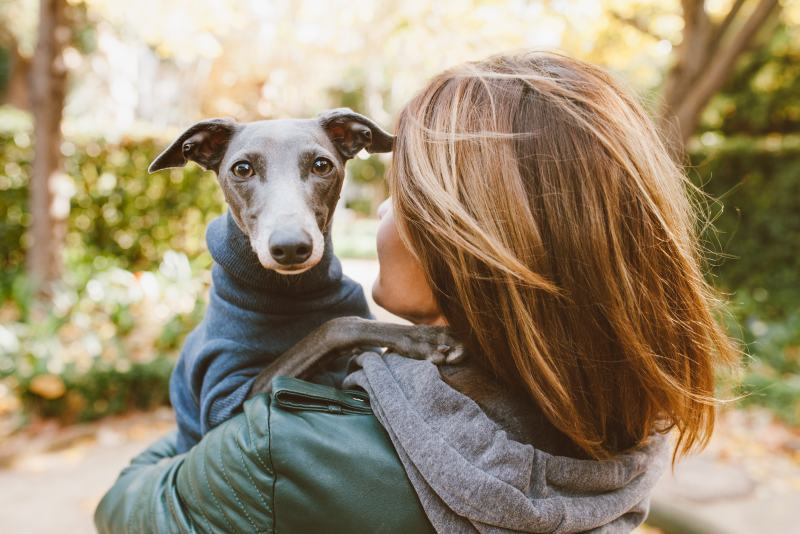
Saying goodbye to your dog can be very emotional. When the time comes, try to stay calm and loving. Dogs are intuitive creatures and can pick up on your emotions.
Consider spending some quality time with your dog before you part ways. You could go for a favorite walk, play a favored game, or simply spend time cuddling. This can be a comforting experience for both you and your dog.
9. Seek Emotional Support
It’s natural to feel grief after surrendering your dog. This can be a challenging time, and seeking support from friends, family, or professional counselors can be beneficial. Sharing your feelings with others who understand can be incredibly therapeutic and comforting.
Remember, it’s okay to feel sad and to grieve the loss of your pet. It’s a testament to the love and bond you shared with your dog. Over time, the pain will ease, and you’ll be able to cherish the memories of your time together.


Frequently Asked Questions
Can I keep track of my dog after surrender?
Policies vary by shelter, but some may allow you to keep updated on your pet’s well-being after surrender. Unless you have rehomed them privately, however, you will not be able to contact their new owners directly.
What happens to my dog after surrender?
Most shelters will evaluate your dog’s health and behavior to find the most suitable new home for them.
Can I get my dog back after surrendering them?
Policies vary, but generally, once you surrender your dog, you give up all rights to them and cannot get them back without going through the application process of any prospective adopter.

Is there a cost associated with surrendering a dog?
Some shelters may ask for a surrender fee to cover the cost of caring for and rehoming your dog.
Can I surrender my dog directly to a new owner?
Yes, if you can find a suitable new home for your dog, direct rehoming can be a great alternative to surrendering your dog to a shelter.
What happens if a shelter can’t rehome my dog? Will they euthanize them?
Unfortunately, this is a possibility. Approximately 12% of dogs surrendered to shelters are euthanized. If your dog has health or behavioral issues that make them unsuitable for rehoming, then this may be the only option. It is not financially viable, nor kind to the dog, to keep them in a shelter environment indefinitely.
Will I be contacted if my dog is going to be euthanized?
Again, this will depend on the shelter policy, and the agreement you made at the time of surrender, so be sure you have asked any questions and are clear on all policies before you leave the animal shelter.


Conclusion
Surrendering your dog is never an easy decision. For most people, it is a last resort after all other options have been exhausted. By following these steps, you can ensure that you’re surrendering your dog responsibly and compassionately, prioritizing their well-being above all else.
See Also:
- Black Mini Goldendoodle: Facts, History & Origin (With Pictures)
- Can You Donate Your Dog’s Body to a Vet Education Program? Vet-Reviewed Facts
Featured Image Credit: dogboxstudio, Shutterstock