

In this article
The decision to rehome a dog is always a difficult one. Most people take on a dog because they love animals and they want to provide a wonderful, loving home for the dog. They also want a companion that will become part of the family.
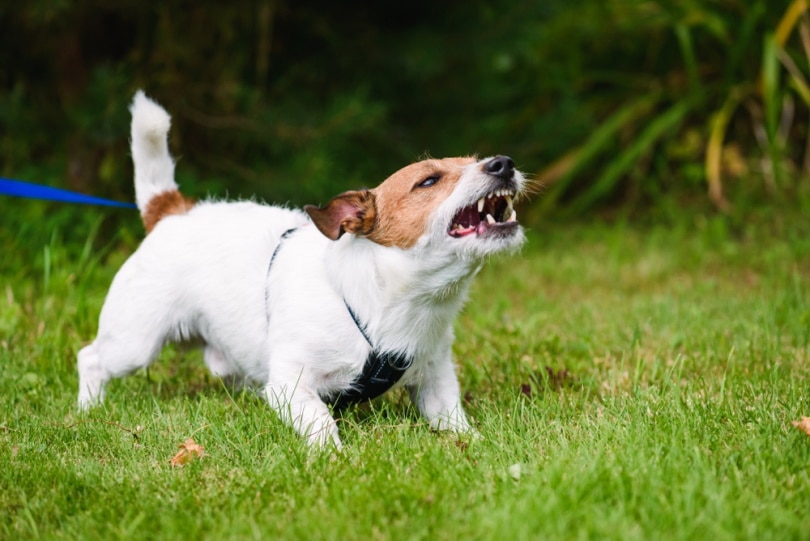
However, it doesn’t always work out to be the romantic ideal that we hope for. That cute puppy you brought home may become reactive or show signs of aggression. In the worst-case scenario, the dog may even bite a member of the family or somebody else. When this happens, you have to take stock of the situation and determine what is best for you, for other people, and for the dog. Rehoming may not always be the best option.

Determine the Likely Cause of the Bite
Dogs bite for different reasons. Sometimes, they bite as a form of defense. Or they bite because they have become stressed. It could even be a sign of pain or some other problem. Before you consider rehoming or taking any other action, try to determine the most likely cause of the bite.
Whether you are going to rehome the dog or try to find a shelter that will take the dog, you must provide this information to the prospective new handlers. If you don’t, and the dog bites again, it is your responsibility.
How Severe Was the Bite?
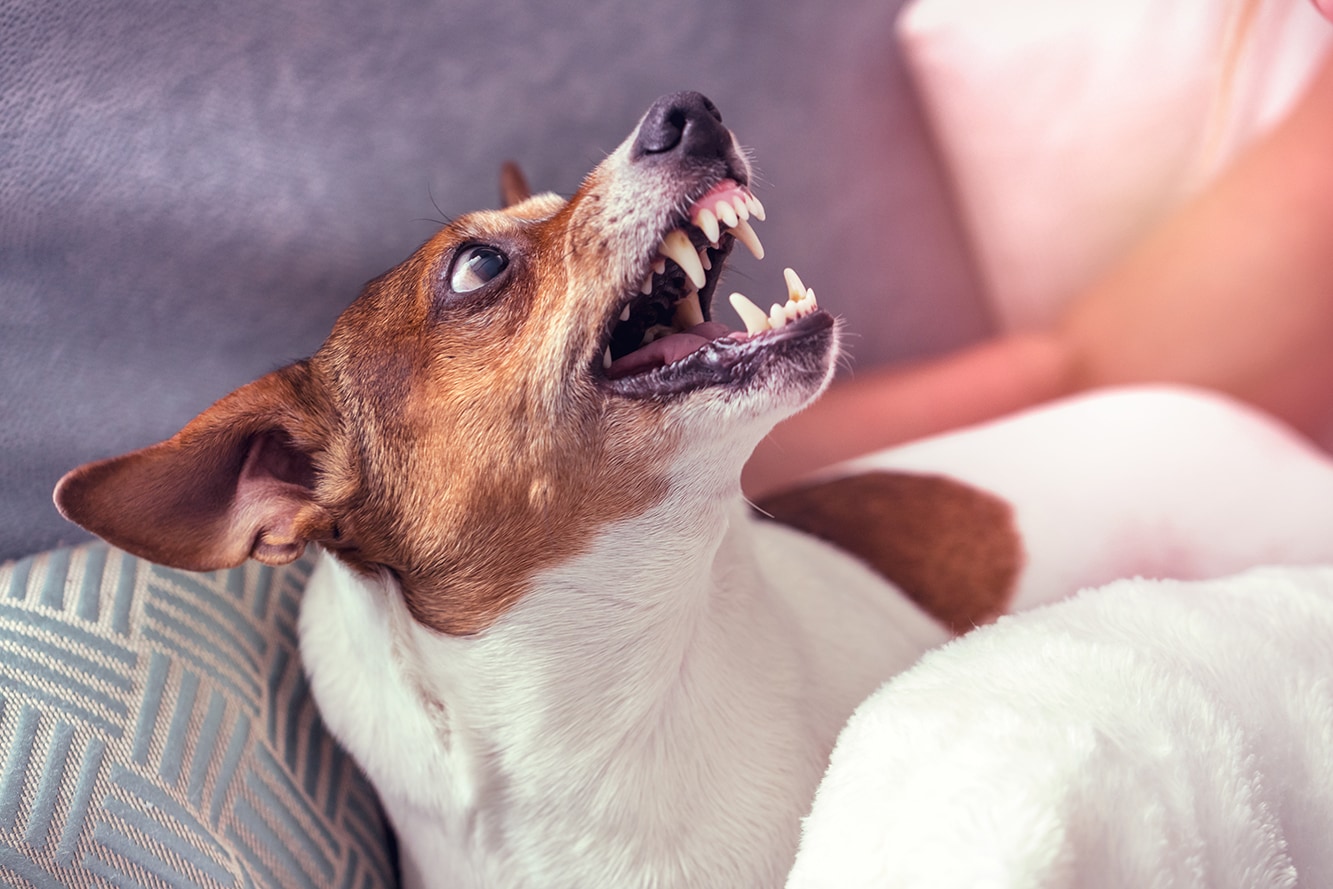
Bite is a fairly broad term. Most puppies mouth, and some breeds as well as individual dogs continue this mouthing action even when they get older. And if the dog gets over-excited, that mouthing can become biting. If your dog mouths at a child, it will be much more likely to cause serious damage because of the size and height of the child.
If the bite was over-exuberant mouthing, then a behaviorist or dog trainer could work with you and your dog to help prevent this kind of activity in the future. Using Dr Ian Dunbar’s Dog Bite Scale can be helpful when assessing the severity of biting problems.1
What Causes Dogs to Bite?
There are various reasons why a dog might have bitten somebody.
- Defense – Some dogs will never bite, no matter what danger they find themselves in. But biting is a natural defense for dogs, so if your dog felt threatened, this could have been the cause of the bite.
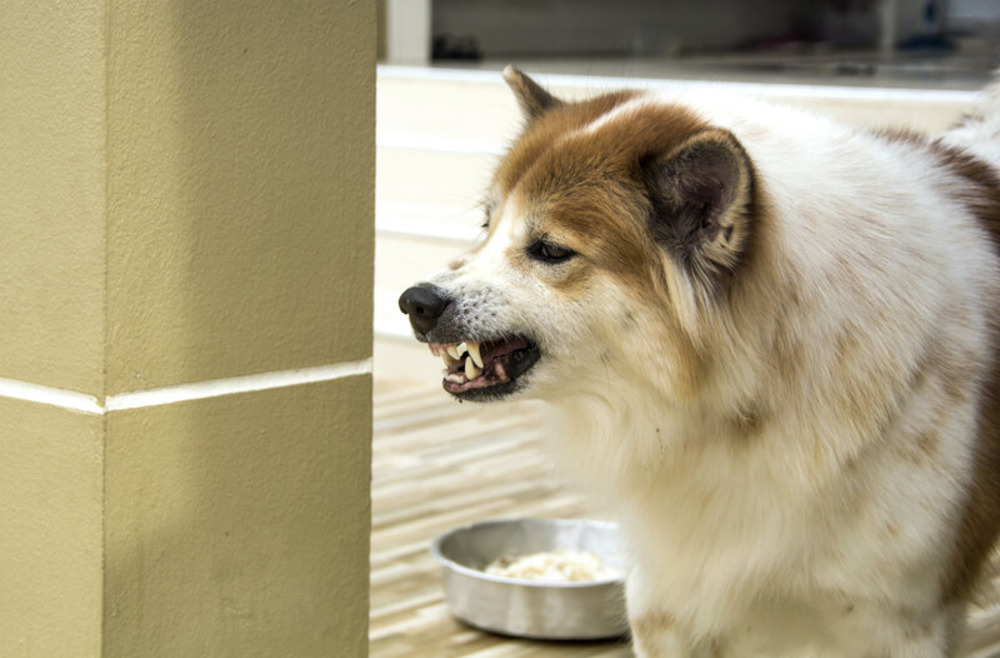
- Territory – Some dogs can be territorial. They will protect their home and their belongings with everything they have. As well as the home, a dog might bite to protect their food or even their toys, which is known as resource guarding. You can try and stay away from their belongings, but it is likely that, at some point, you will get too close. A behaviorist can help with this kind of reactive behavior.
- Defending You – Some dogs form very close bonds with their humans and they will bite to protect them. This is especially problematic with dogs that are distrusting of strangers and is commonly the cause of bites in dogs that were not well socialized when they were young.
- Illness – If a dog is ill or injured, they might feel the need to defend more vigorously. Look for obvious signs of pain or discomfort. Take your dog to the vet to identify any illness, and make sure you muzzle the dog when you do visit the vet.
- Exuberant Play – Dogs can be very playful. Even respectful dogs can get carried away in the heat of a play fight. Avoid physical toy fights and tug games if you want to avoid an exuberant bite.
Will Rescues Take Dogs That Have Bitten?
Whatever the cause of the bite, you will find it difficult to find a shelter or rescue to take the dog. Shelters need to rehome the dogs they take in so they can take more dogs in and help them. They will find it very difficult to rehome a dog that has bitten, which means they will be stuck with that dog. You can ask around, but always be honest about the reasons for the rehoming.
Could a Behaviorist Help?
Dog behaviorists are trained to deal with aggressive and reactive dogs. They can identify the root cause of the problem and work with you and your dog to help reduce the risk of bites. Speak to a behaviorist, give them the full picture, and see if they can help. This may mean altering your behavior and interactions, as well as those of the dogs.
If you need to speak with a vet but can't get to one, head over to PangoVet. It's our online service where you can talk to a vet online and get the advice you need for your pet — all at an affordable price!

Screen Potential Families
Rehoming a dog that has bitten is rarely the best option for the dog. It will cause anxiety and stress that could increase the likelihood that the dog will bite again. If you do decide to rehome, you will need to screen potential families. If you have determined that your dog is anxious around children, and therefore likely to snap at kids, don’t rehome to families with children.
If your dog gets stressed or anxious around other dogs, don’t rehome to prospective owners with other dogs.
It’s irresponsible to rehome a dog that has bitten somebody without telling the new owners of the bite risk. It will make it harder to rehome the dog, but it reduces the risks and any future complications for everybody.
Conclusion
Being bitten by your dog, or having your dog bite somebody else, is heartbreaking. You need to determine the reason for the bite and either work with a behaviorist to try and rectify the problem or find an alternative solution that is best for you, the dog, and everybody else.
You might find it difficult to rehome the dog, even to a shelter, but you should be honest about the reason you’re rehoming. It is often not discussed, but if you feel your dog is a danger to other people and dogs, and that rehoming it is not responsible, it is a good idea to discuss this with your veterinarian. Be prepared that your vet may discuss the possibility of behavioral euthanasia with you if they agree that that is the only option to keep everyone safe.
Featured Image Credit: alexei_tm, Shutterstock





























4 Responses
My daughter has a 10 month old Great Phyrnees, he is affectionate and loves people, however, he is very fearful. He got sick because he ate some rotten flesh from a dead ewe, and with that sickness he became aggressive. He bit the had of my 29 year old grandson and growled at my daughter and her husband. When he got over being sick he returned to his normal self, however, when my daughter tried to wipe him off after walking in the rain he growled at her again. She doesn't trust him and she is concerned because she will be fostering two little children, 2 and 3, and is concerned for their safety around Kuda. She has decided to rehome him as soon as possible because the children will be arriving in a week. she is heartsick over this decision. We all are. Do you have any suggestios? Thanks so much for your attention. Namaste' from Humboldt County, California.
Hello Gigi,
Thank you for reaching out. It is completely understandable why your daughter and the whole family are heartsick; the Great Pyrenees is a wonderful breed, but this is an incredibly difficult and stressful situation.
The shift in behavior Kuda showed while sick, and the recent growling during grooming, are serious concerns—especially with young children entering the home. In the veterinary world, we often see that pain or illness can lower a dog's threshold for aggression, but once a dog has used biting or growling to communicate distress, that history must be taken very seriously.
Because this involves potential aggression and the safety of young children, we cannot offer specific behavioral training or management advice. For the safety of everyone involved, we strongly recommend that your daughter book an appointment with one of the licensed veterinarians at PangoVet.com.
A veterinarian can help determine if Kuda is experiencing lingering discomfort or if there is a deeper behavioral issue at play. They can also provide professional guidance on the safest way to move forward, whether that involves rehoming or specialized behavior modification. You can visit www.PangoVet.com to schedule a video call immediately.
We wish your daughter and Kuda the very best during this heartbreaking transition.
Thank you so much for your thoughtful reply. Kuda was successfully rehomed and has become a dog who guards goats. He is doing well. Gratefully, GiGi
Hello Gigi,
thank you for letting us know about Kuda! It's wonderful to know that you succeeded in finding him a suitable new home where he will be happy! This is such a heartwarming conclusion.