Get

In Your Inbox

Dogster is reader-supported. When you buy via links on our site, we may earn an affiliate commission at no cost to you. Learn more.

How to Protect Your Dog From Insects (2026 Guide)

Share

Owner with her dalmatian dog lying on a carpet

As the weather gets warmer and the days grow longer, we get to spend more time outdoors with our dogs, doing the things we love. Of course, nothing ruins a picnic, hike, or walk through the woods like ants, flies, wasps, and fleas. There are many ways to keep biting, stinging, and buzzing pests away, but which options are safe to use on or around our dogs? Fortunately, there are plenty of chemical and non-chemical ways to keep your four-legged friend free from six-legged harassment. Let’s take a look.

divider dog paws 2 oct 2024

Protecting Your Dog From Insects

To help keep things simple, we’ve broken down our plan of attack into three parts so you can look at options for keeping insects away from the home, repelling them when you’re out exploring, plus things you can use on your dog.

Before diving in, though, it is important to note that if you do have any questions about the safest way to protect your pets from pests, a vet is your best bet for information.

If you need to speak with a vet but can't get to one, head over to PangoVet. It's our online service where you can talk to a vet online and get the advice you need for your dog — all at an affordable price!

PangoVet_Mention-in-Content Savings V1

Around The Home

  • Surface Sprays and Aerosols: Probably the most common and effective way to deal with insects in and around the home, ‘bug spray’ is also one of the most problematic. Not only can some chemical insecticides be harmful to our pets, but even pet-friendly products can cause irritation to the eyes and airways. Additionally, these products will kill all insects, including bees, butterflies, and other vital pollinator species, and can even be harmful to animals that consume the insects that have been killed by insecticides.
  • Cedar Chips: Used in garden beds and pot plants, cedar chips smell lovely and are known to be repellent to most insects, including fleas.
  • Neem Oil: This natural insect repellent comes from the seeds of Neem trees and is a safe option to use around the home. It can kill insects, but is most effective at repelling them, so it has less of a detrimental effect on beneficial species.
  • Fly Screens: A simple way to keep fresh air in but insects out. And with security screens like Australian-made CrimSafe, you can keep bugs and burglars out.
  • Ultrasonic Devices: These plug-in devices emit an extremely high-pitched sound that cannot be detected by our ears or our dogs, but to tiny insects and even small rodents, it works as a deterrent. Bear in mind that if you have small pets, they may not thank you for using one!
  • Fans: Flying insects find it difficult to get around in windy conditions, so a well-directed fan can help keep you and your pets cool while holding back mosquitoes.

Fly Screen
Image Credit: U. J. Alexander, Shutterstock

Out and About

If you’re heading out into the great outdoors, you’ll probably protect yourself with some insect repellent and some protective clothing, but are there insect repellents that you can use on your dog? Fortunately, most antiparasitic or flea control products will also help tackle other insects, but some work better than others.

  • Flea/Tick Collars: Not all flea collars are created equal, so do your homework before wasting your money on an inferior product. Unlike most spot-on products, a collar like the one from Seresto actually repels insects and does not require them to bite the dog to be effective.
  • Neem Oil and Cedar Oil: As mentioned earlier, both neem and cedar oils are natural insect repellants and are both safe to use on your dog. It is important to dilute these oils before using them on your pet, or as a simpler option, purchasing products that already contain them. You can use a shampoo that contains neem or cedar oil or a spray to apply directly to your pet. You could even use both! Make sure you test any product on a small area first, just in case your dog is sensitive to it.

Another way to use these products is to spray or soak a bandana, neckerchief, or fabric collar with the diluted oil.
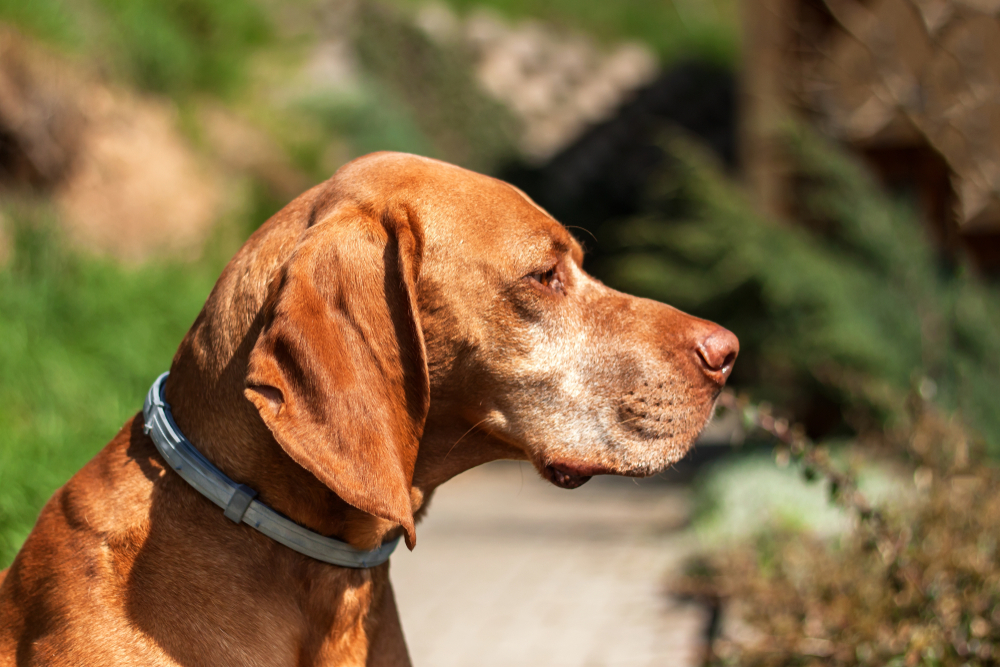
Dog wearing a flea collar
Image Credit: Marsan, Shutterstock

divider dog paws 2 oct 2024

Get To Know Your Local Area

Different insects and ticks are more prevalent in different areas, as are some of the diseases and parasites they can transmit to your dog, so it’s important to familiarize yourself with what sort of bugs you need to be watching out for and at what time of year. Some insects are merely annoying, but others can transmit deadly viruses like Lyme disease or parasites like Heartworm.

Be Mindful of the Time of Day

Different insects will be more active at different times of the day, so it’s worth timing your activities to minimize exposure. For example, mosquitoes tend to be more active around dawn and dusk, so you may want to leave your walk until a little later (or earlier), being careful to avoid the hottest parts of the day.

Bees and butterflies are most active during the middle of the day, so avoid spraying any insecticides or repellents at this time.
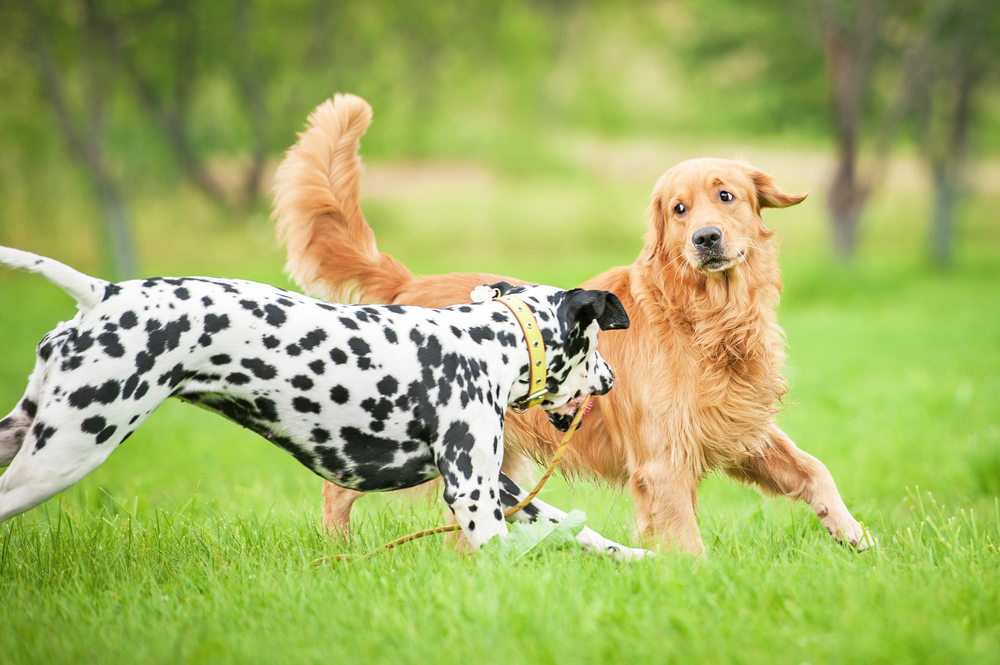
dalmatian and golden retriever dogs playing in the field
Image Credit: Rita_Kochmarjova, Shutterstock

divider dog paws 2 oct 2024

What To Avoid

Some products can be irritating, even harmful to your dog, so here’s a list of insect repellents to avoid:

  • Citronella – Toxic to dogs
  • Products for humans or farm animals
  • Aerosols – Can cause respiratory irritation
  • Concentrated oils
  • Expired products

divider dog paws 2 oct 2024

Final Thoughts

Insects play a vital role in the ecosystem, so however annoying we may find them, we can’t simply eradicate them from our world. However, many can spread diseases and parasites, inflict painful bites, and really ruin a picnic, so it’s good to know a few tips, tricks, and products to help keep you and your dog safe, both at home and outdoors.

Get to know your local area, as well as any places you might take your dog, and if in doubt about what sort of protection and prevention is best, you can’t go wrong by speaking to a vet.


Featured Image Credit: Africa Studio, Shutterstock

Want content like this delivered to you?

Sign Up For Our Newsletter

News, insights, expert advice, and everything dog

* By submitting, you agree to our Terms & Conditions and Privacy & Cookies Policy.


How useful was this post?

Click on a star to rate (you can leave written feedback after clicking submit)

Help us improve Dogster for pet parents!

Your feedback really matters.

What did you like about this post? Also how can we improve it?

Join the conversation

Leave a Reply

You’re very welcome to leave a comment or question. Please know that all comments must meet our community guidelines, and your email address will NOT be published. Let’s have a positive and constructive conversation.


Talk With A Vet Online

Peace of mind,
anywhere, anytime

Affordable vet advice

Dogster’s Weekly Photo Contest Winners: Best Easter Photo (April 9, 2026)

Every week our team gets the privilege of sorting through our readers photos to choose what dogs will win this weeks contest! See...

We Didn’t Just Add a Dog to Our Life – We Built a Life With Him

“We didn’t just bring a dog home—we built a life together.” Most people are quietly taught a version of pet ownership that looks...

What Most Airlines Won’t Let You Do With Your Dog (Even If You Pay Extra)

Airline pet policies are notoriously hard to navigate. The information is scattered across different pages, buried in FAQ sections, and often contradicts what...

Designer Breeds: Best of Both? New Study Says No

“I’ll take a highly trainable, low-shedding lapdog, hold the heart disease and anxiety!” Something I always found amusing was when people would point...

More related

Borzoi Dog Breed: Info, Pictures, Facts, Traits & Care

Many people don’t know much about the Borzoi. They are not very popular, ranking just 101st overall by the American Kennel Club (out...

Do Dogs Purr? Vet-Verified Facts & Common Sounds

Dogs may not be able to speak to us using words, but they certainly have no trouble communicating with us through their unique...

Why Do Dogs Hate the Vet? 7 Vet Reviewed Reasons & Tips to Help

My dog, Tula, isn’t a big fan of the vets. She pulls to get away as we’re walking in the door, although she...

Heybike Mars 2.0 & Pet Accessories Review 2026: Riding in Style With Your Companions

It’s easy enough to load your furry best friend in the car and go on an adventure, but what if you want to...

Keep reading

Freeze-Dried vs. Dehydrated Dog Food 2026 Comparison: Pros & Cons

Many dog owners who are trying to feed their canines healthier foods choose either freeze-dried foods or dehydrated foods. On the shelf, both of these foods can look reasonably similar. However, they are quite different. Luckily, the differences aren’t all...

Dogster_Freeze-Dried vs. Dehydrated Dog Food

Can Dogs Eat Potatoes? Vet-Verified Facts & FAQ

Potatoes are a ubiquitous food that has made its way into almost every facet of modern life. Potatoes make up some of the most popular sides and snacks in the modern world. They are also present in numerous popular dishes....

Can Dogs Eat_Potatoes

Can Dogs Eat Anchovies? Vet Approved Nutrition Facts & FAQ

Though they’re definitely not for everyone, anchovies can be a great addition to sandwiches, pizzas, and soups. They’re frequently found in sauces and dressings and can even be grilled like sardines or mackerel. Though they have a terrible reputation, anchovies...

Can Dogs Eat Anchovies

15 Holiday Foods That Are Bad for Dogs (Vet Reviewed)

Holidays are a lot of fun, no matter what holiday is being celebrated. There’s family, friends, decorations, and most importantly, food! Some of the most delicious foods we eat all year are holiday foods, so you might be tempted to...

top view of golden retriever near family holding glasses of white wine during thanksgiving dinner

7 Best Dog Foods for Bladder Stones in 2026 – Reviews & Top Picks

Bladder stones are not only painful and can leave your dog feeling miserable, but they can also lead to serious and dangerous health concerns. There are many options out there for food, and each food will do something different depending...

brown dog sniffing a dog food

How Much Should a French Bulldog Eat? Vet Explained Puppy to Adult Feeding Guide

Getting a new puppy is always so exciting! You have this little bundle of fur just wanting to eat, sleep, and play with you. As a veterinarian, we often get asked how much food is appropriate to be feeding a...

french bulldog eating or drinking from a bowl

Can Dogs Eat Truffles? Vet Reviewed Risks & Benefits

Dogs can eat truffles in moderation, and they are not toxic to dogs. You shouldn’t serve truffles to your dog regularly, however. Doing so can lead to nutritional issues since truffles don’t contain all the nutrients dogs need. Furthermore, because...

Can Dogs Eat Truffles

Grain vs. Grain-Free Dog Food: Which One’s Better? Facts & FAQ

The grain versus grain-free debate is a controversial and heated topic in the dog world, especially when it comes to specialty dog food. Many dog owners only buy grain-free dog food, while others prefer dog food containing whole grains. There...

Grain vs Grain-Free Dog Food - Featured Image

Love Dogs? So Do We! Join the Dogster Community

Stay informed with expert pet care insights delivered straight to your inbox! Discover professional guidance on animal behavior, feeding tips, trusted product picks, and much more.


Sign up for the Dogster Email Newsletter