Obesity in dogs is a bigger problem than you might think. In 2022, 59% of all dogs in the U.S. were considered obese or overweight!1 Carrying around extra weight doesn’t only affect how your canine companion looks, but it also affects their health, sometimes quite seriously. Canine obesity can increase the risk of health issues, such as joint problems, pancreatitis, and cancer. Plus, if your pup is carrying a few extra pounds, that weight could decrease the quality of their life, as it may make it more difficult for your pet to jump, play, or groom themselves.
However, there are ways you can prevent obesity in dogs! With the expert tips below, you can ensure your favorite canine pal stays fit, trim, and healthy. Most of these tips are fairly simple, too, so you shouldn’t have any trouble with them. Keep reading to learn how to prevent obesity in your dog!

The 9 Tips To Prevent Obesity In Dogs
1. Start good eating habits early
If you had a child, you would start them out with healthy eating habits when they get to the age where they can eat real food. So, why wouldn’t you do the same with your dog? As soon as you get a puppy, begin instilling healthy eating habits. Don’t overfeed your pup, and don’t start sneaking them bits of food from your plate. Instead, stick to a healthy diet and healthy treats!
2. Talk to your vet about the most appropriate food for your dog
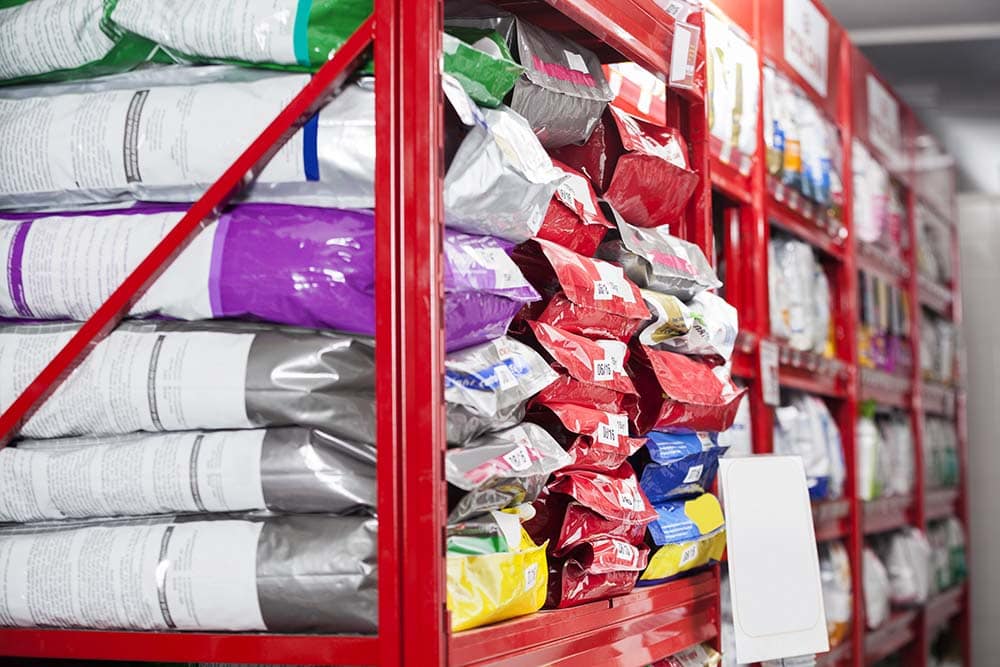
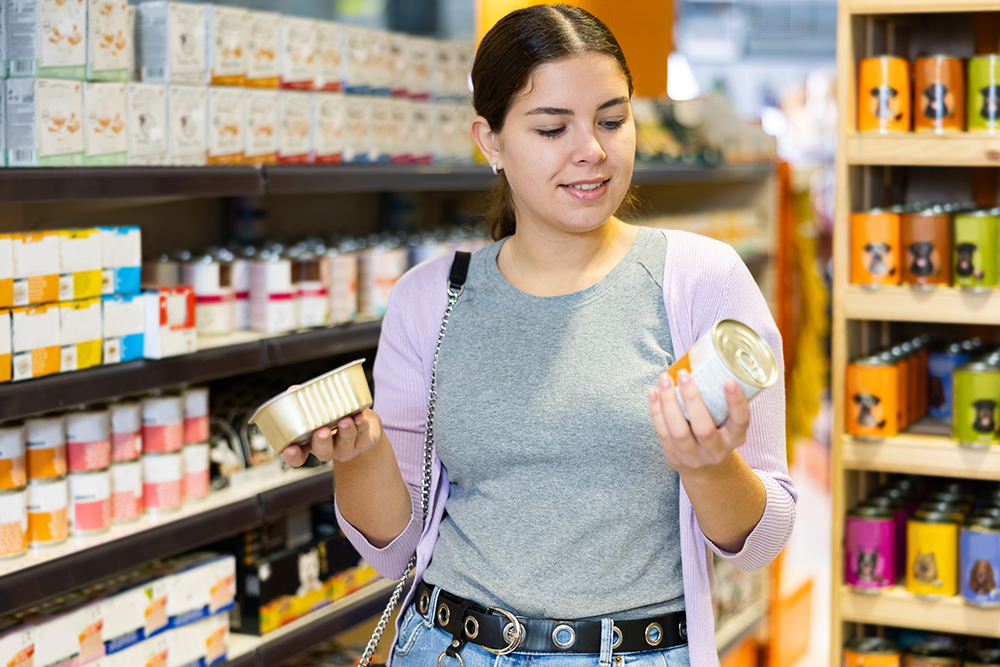
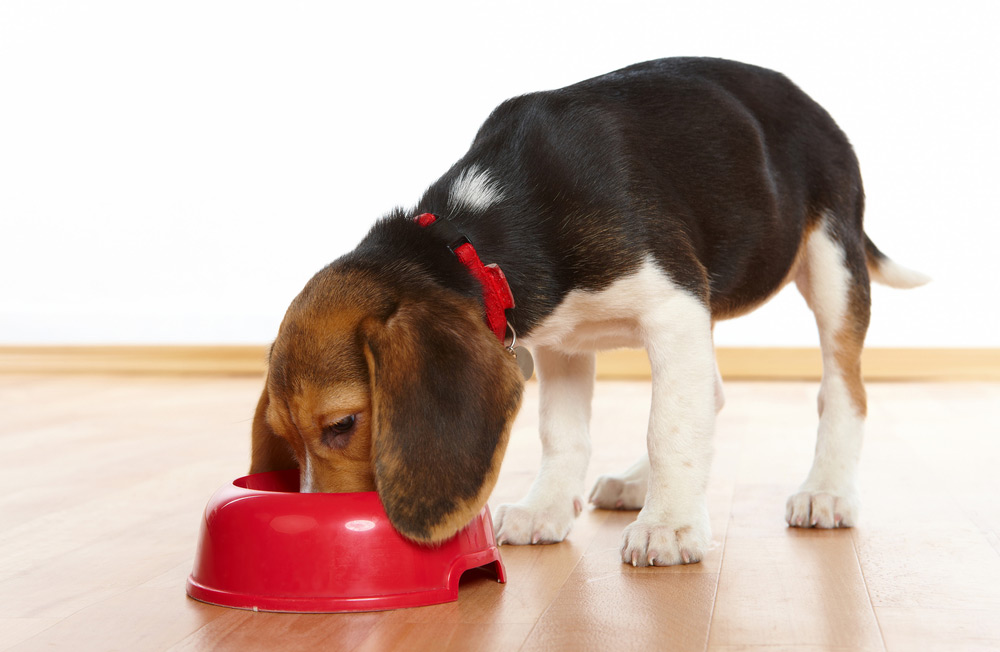
You could pick out any dog food that seems decent, but it would be best to talk to your vet about what food is most appropriate for your pup. Puppies need dog food that meets their caloric and nutritional needs, which are different from those of an adult, so they need food made for their life stage. Large breed dogs have different dietary needs than small breed dogs, so they won’t eat the same type of food. Picking the best dog food can get complicated!
You also need to know at what age you should switch a puppy from puppy food to adult or when you should switch an adult over to senior food. Plus, if your pup has any sort of health condition, they may have very specific nutritional needs that must be met.
Asking your vet what dog food to go with will save you a lot of time!
If you need to speak with a vet but can't get to one, head over to PangoVet. It's our online service where you can talk to a vet online and get the personalized advice you need for your pet — all at an affordable price!

3. Portion control is key
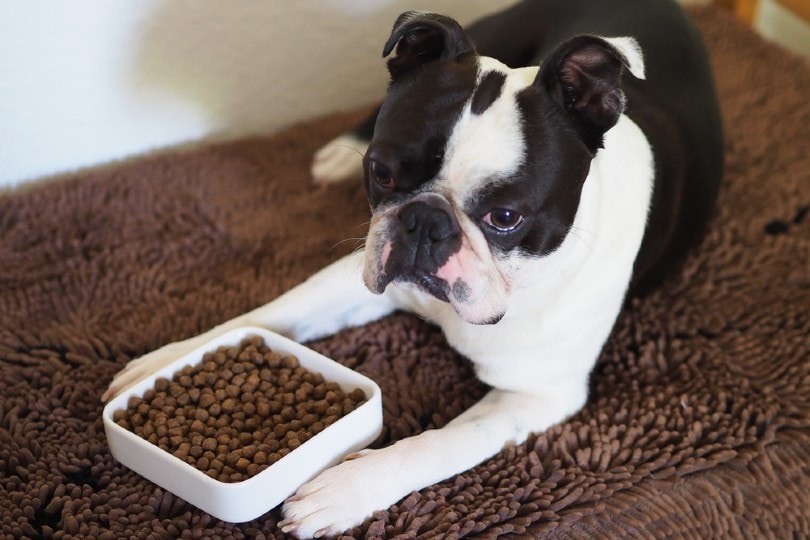
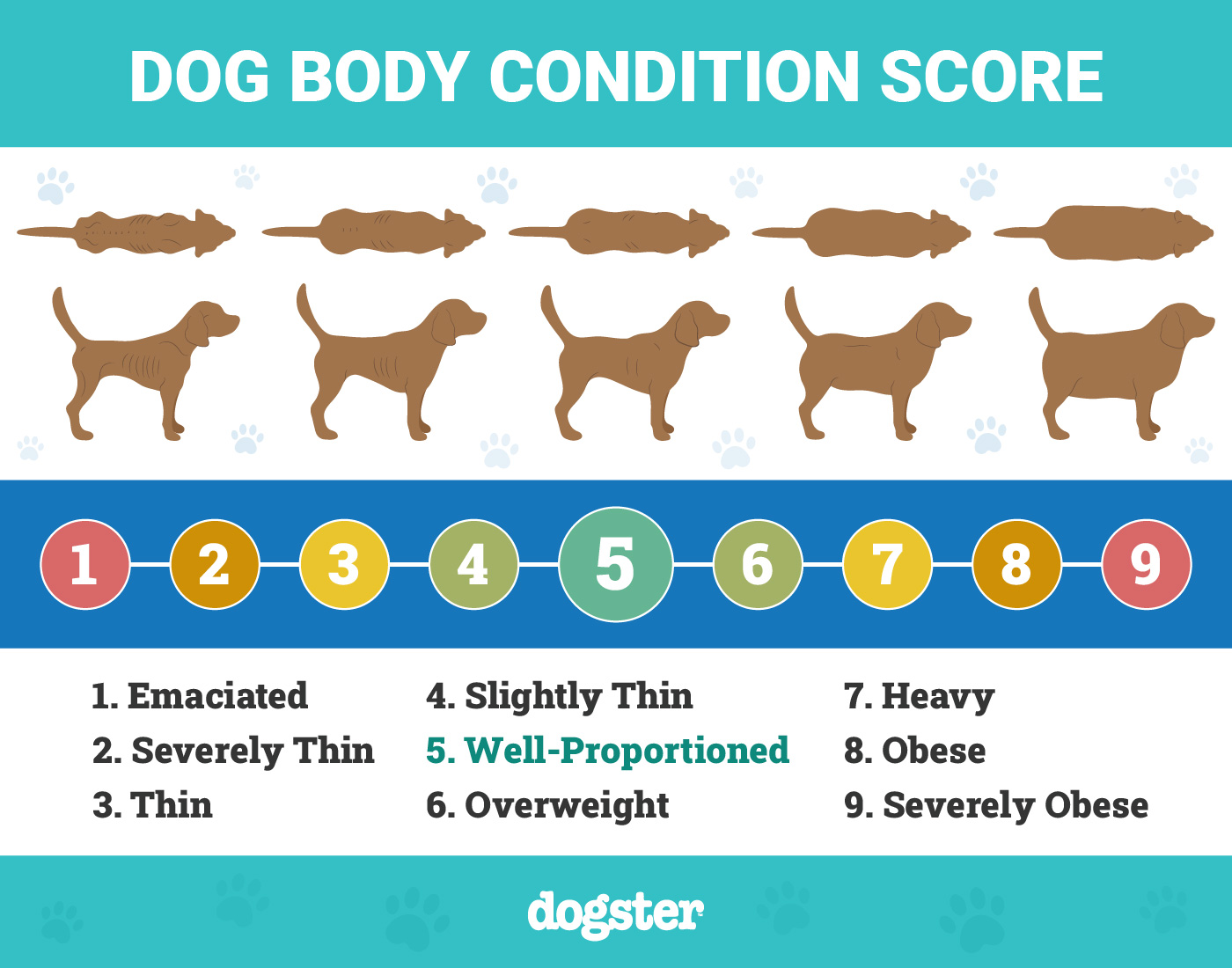
This one is kind of a no-brainer, but portion control is vital when it comes to preventing obesity. Commercial dog food will usually provide a feeding guide of how much to feed per day, based on the size of your dog. However, this varies based on your individual dog’s metabolism, body condition, and activity levels. Your dog’s body condition should provide you with information as to whether you need to feed more or less. This will help you not to overfeed them, which will keep them at a healthy weight.
This dog calorie calculator can you help you determine the amount of calories your dog needs depending on different factors.
The exact amount of calories an individual animal needs to maintain a healthy weight is variable and influenced by many factors including genetics, age, breed, and activity level. This tool is meant to be used only as a guideline for healthy individuals and does not substitute veterinary advice
4. Choose specific times for meals
And once you’ve chosen those specific meal times, be consistent in keeping them. Specific times for meals are far better at preventing obesity than leaving out food constantly for your pet. Few dogs will have the self-control to not scarf down any and all food they see, after all! Plus, having consistent, set meal times means your dog knows when food is available, which is thought to reduce how often they beg for food.
5. Utilize interactive feeding toys
You might want to utilize interactive feeding toys during meal times, especially if you have a fast eater. Not only will interactive feeding toys slow down dogs who are eating too quickly (which can help reduce the risk of bloat), but they also allow your pup to expend calories. Plus, your canine pal will have fun. It’s a pretty win-win situation!
6. Skip the table scraps
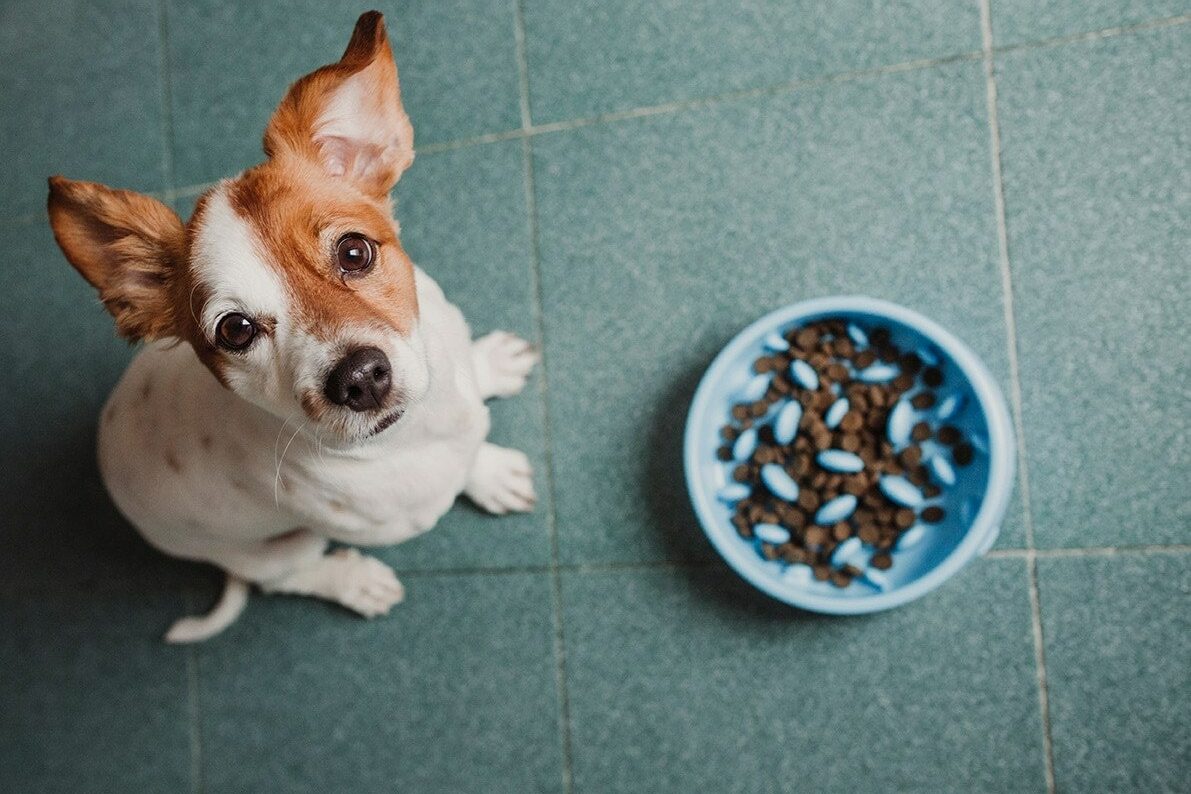
We know how tempting it is to give your pup the occasional table scrap. Not only does that not fit in with the portion control part of preventing obesity, but it can also be highly unhealthy for your dog. Human food often has more sugar, fat, and calories than dog food, none of which is good for your pet. Plus, if you aren’t careful with what you’re feeding your dog from the table, you may accidentally give them something toxic. Skip the table scraps and stick with treats designed for dogs!
7. Find healthy treats
Speaking of treats, stick with healthy ones! There are all kinds of dog treats on the market, and some are healthier than others. Go with the healthier ones to help prevent obesity in your pup. Also, keep in mind that treats should only be given in moderation; they are extra calories in your pet’s diet, so be careful with them.

8. Increase your dog’s exercise
Exercise is important for humans, and it’s just as important for our canine companions. Getting enough exercise each day allows your pup to expend calories and keep fit (and as a bonus, helping your pup get enough exercise does the same for you!). So, exercise your dog at least 20 minutes a day (or more for more active breeds) by going for a walk or run, playing games in the backyard, swimming, or hiking.
9. Check in with your vet routinely
Check in with your vet routinely to ensure your pup’s weight stays where it should. Your vet can weigh your dog, as well as assess muscle and body conditions at visits. This way, you’ll know immediately if your dog is getting a bit heavier than they should, and if so, your vet can let you know what adjustments to their lifestyle should be made to prevent further weight gain.
Conclusion
Canine obesity has become an epidemic, and it’s the last thing you want for your dog, as carrying extra weight can lead to many health issues. The best thing to do is prevent obesity in your dog rather than trying to help them lose weight later on. Luckily, keeping your dog from becoming obese isn’t that complicated once you know what lifestyle adjustments to make.
Featured Image Credit: SeventyFour, Shutterstock
 The 9 Tips To Prevent Obesity In Dogs