In this article
We’ve all heard about the healing power of plants, but what about fungus? If your dog was recently diagnosed with cancer, you may be scrambling around to find anything that can help them fight it. When researching you may have heard that mushrooms can have cancer fighting properties.
Research is limited in companion animals, but there is some evidence that certain varieties of mushrooms have potential benefits when it comes to boosting the immune system and helping to fight certain types of cancer in dogs.

Check with Your Vet
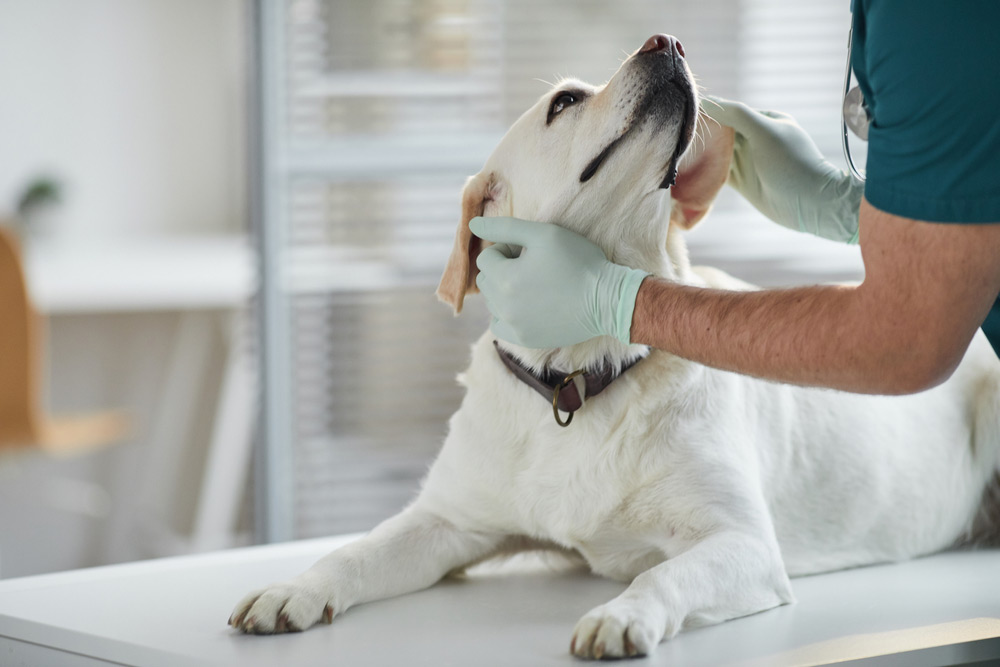
Before you introduce any type of new treatment into your dog’s daily regimen, it is crucial to check with your veterinarian. Not all mushroom varieties are safe for dogs to consume and your vet can make sure that any mushroom supplement will not interact with any other medications or health conditions. There might be certain characteristics of a mushroom that makes it more or less effective, and your vet will be able to guide you on which mushrooms might be safe and beneficial for your dog. Medicinal mushrooms are not considered stand alone treatments for cancer and should be used as one part of a treatment plan.
What Are Mushrooms for Dogs with Cancer?
Medicinal mushrooms have been used to treat various ailments for hundreds of years in people, mostly in Asia. In Japan and China medicinal mushrooms have been approved as an addition to standard cancer treatments for people.
Unfortunately, there is little research into the benefits of mushrooms to treat cancer in dogs. Certain mushrooms have been studied for their anticancer effects in humans and so may have similar effects for dogs. In particular, it is thought that certain chemical compounds, in particular polysaccharides like beta-glucans, strengthen the immune system so it can fight cancer more effectively.1
In the United States, the FDA has not approved the use of medicinal mushrooms as a treatment for cancer or any other medical condition. They are available as dietary supplements and are therefore regulated as a food, and not subject to the same strict requirements and regulations as pharmaceuticals. This means that ingredients can vary considerably from lot to lot and there is no guarantee that the ingredients claimed on product labels are present. Sometimes, these supplements are marketed towards dogs, and other times, they are not.
That is why it is so important to consult with a veterinary professional, so you know you are getting exactly the type of mushroom you need to combat the issue and that it is safe.
If you need to speak with a vet but can't get to one, head over to PangoVet. It's our online service where you can talk to a vet online and get the advice you need for your pet — all at an affordable price!
Here are some mushrooms that might be helpful for fighting certain types of cancers.
The 5 Potentially Beneficial Mushrooms
1. Maitake (Grifola frondosa)
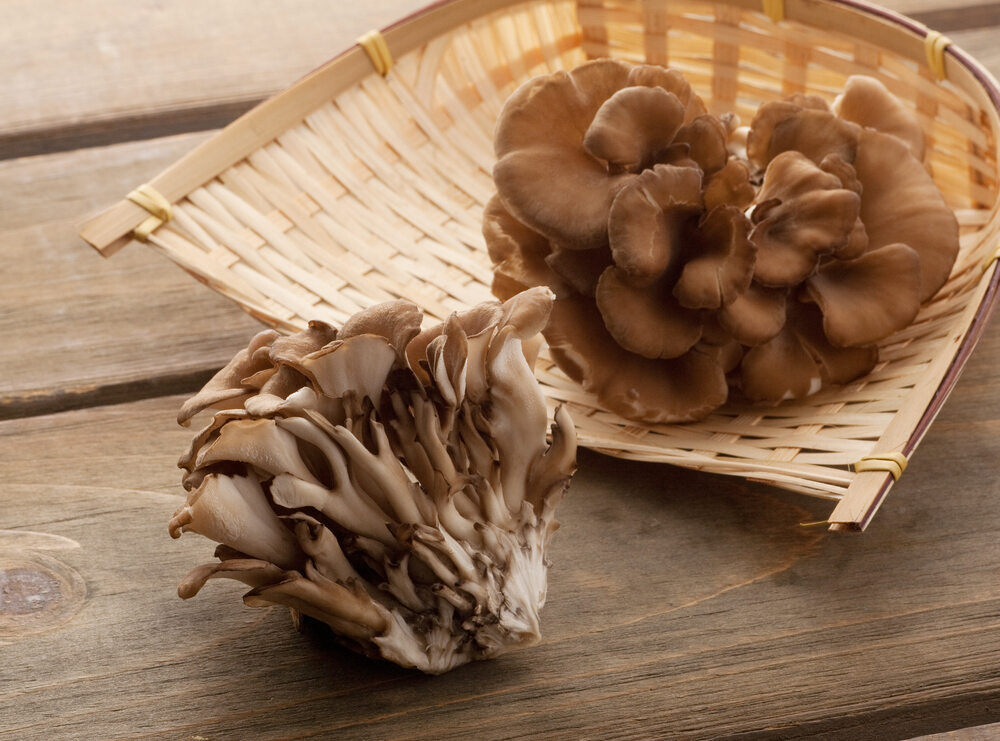
The Maitake mushroom is a potentially powerful fungus, an extract called D-Fraction is rich in beta-glucans which has immune enhancing effects. In one particular study done on mice, researchers found that maitake mushrooms were able to reduce the development of breast cancer, reduce tumor invasiveness and increase overall survival.2
2. Reishi (Ganoderma lucidum)
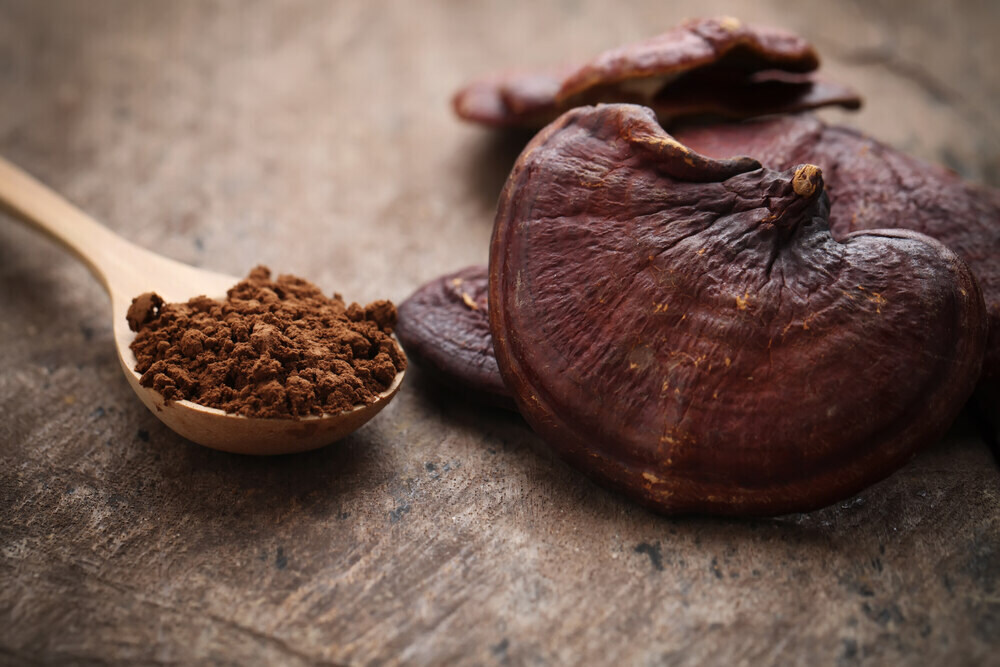
The active ingredients in reishi mushrooms are triterpenoids and polysaccharides and these may help support the immune system in dogs. Laboratory and animal studies have tested the effects of these ingredients on tumors including lung cancer. Reishi has also shown promising results for certain types of inflammatory breast cancer in people.3 Regardless, its immune support may be enough of a reason to consider it for your pup.
3. Shiitake (Lentinus edodes)
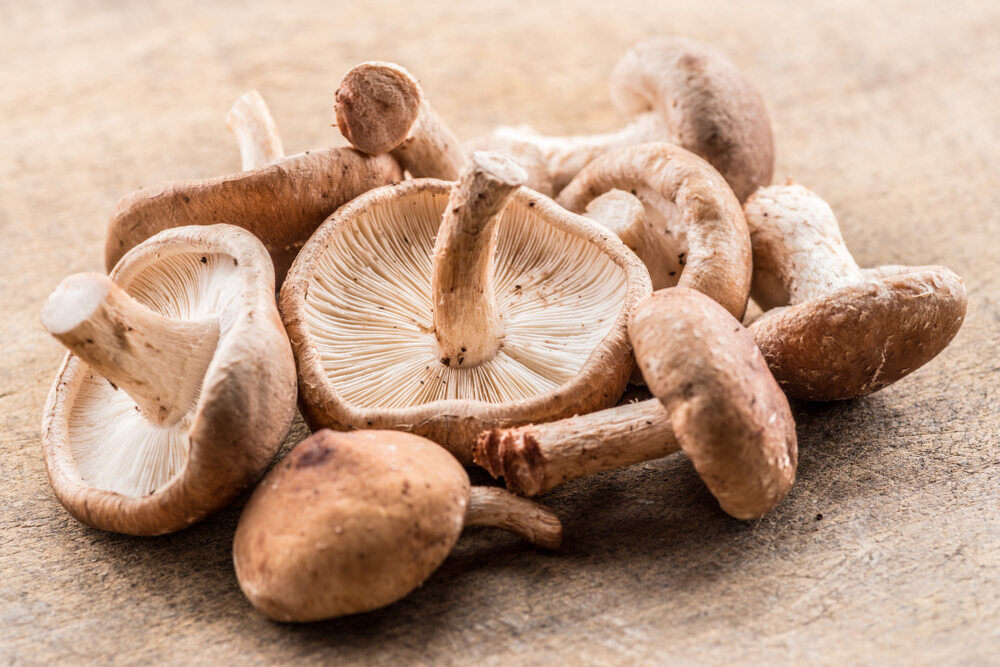
Shiitake mushrooms contain lentinan, which is another beta-glucan.4 This is another mushroom that boosts the immune system and potentially has anti-tumor effects.
4. Chaga (Inonotus obliquus)

Chaga, like all of the other mushrooms we have discussed, boosts the immune system. One study on bladder cancer in dogs reported promising antitumor potential when used as a supporting supplement with chemotherapy, limiting the recurrence and metastasis (spread) of the cancer.5
5. Turkey Tail (Coriolus versicolor)
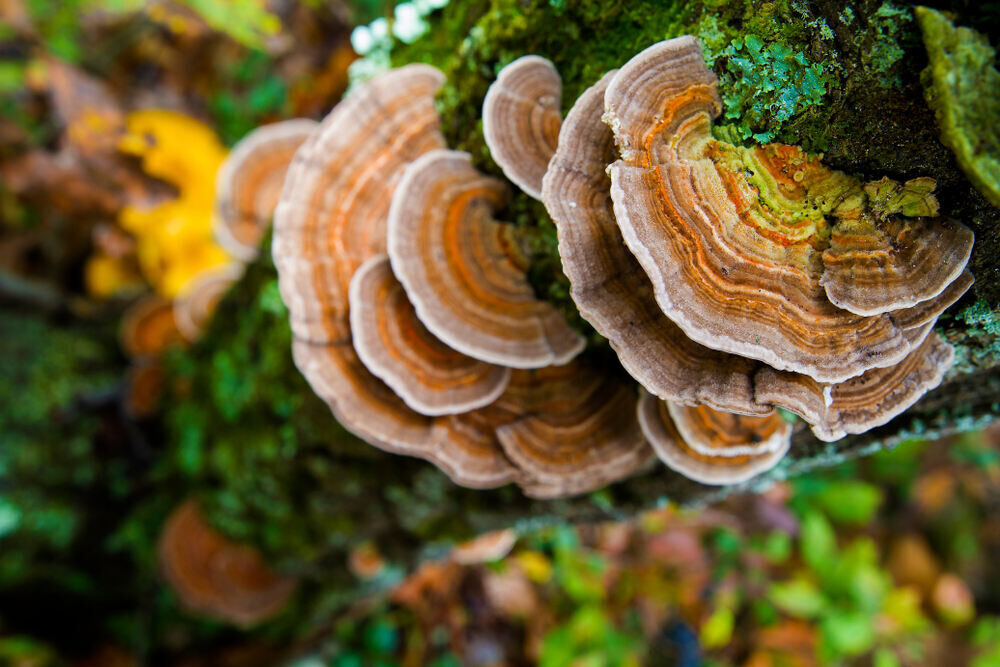
For humans, turkey Tail is one of the most popular and well-researched medicinal mushrooms of all. Polysaccharide K (PSK) is the best-known active compound in these mushrooms. In Japan, PSK is used as supportive therapy for various types of cancer alongside standard cancer treatment.

How Are Mushrooms for Dogs with Cancer Given?
If your veterinarian has determined that mushrooms can be given as a supplement to your dog’s cancer treatment, most mushrooms are taken via ingestion and come in powdered form or as an oil, along with dosages. You can serve the powder or oil by itself, but most dogs take them better if they are given over their food. We highly recommend getting a powder or controlled form of the mushroom to make sure that you’re giving them the proper dosage rather than serving the mushrooms raw.
What Happens if You Miss a Dose?
If you miss giving your dog a dose of mushrooms for anti-cancer benefits, there’s no need to panic. Give them the dose as soon as you remember and then wait the proper amount of time before you give the next dose.
Potential Side Effects of Mushrooms for Dogs with Cancer
If you give medicinal mushrooms under the guidance of your vet and at the correct dosage, the risk of adverse effects is low. However, giving dogs too much mushrooms too often can lead to gastrointestinal upset and other side effects, but remember that studies for the use of mushrooms for dogs with cancer are still being studied, so scientists and veterinarians may still not be aware of all potential side effects.
The mushrooms that we mentioned in this article are generally considered safe for dogs when given as instructed by your vet and are readily available as supplements for dogs. However, it’s important not to give your dog just any mushroom, as some mushrooms can be toxic to dogs and people alike. Make sure that any mushroom supplement you purchase is canine-friendly, and always ask a professional for guidance before purchase.

Frequently Asked Questions (FAQ)
Can I use mushrooms for dogs as a standalone cancer treatment?
Mushrooms for dogs are not intended to be a standalone cancer treatment and are more intended as a supplement to help boost the immune system. Remember that studies are still ongoing as to how effective mushrooms are in treating cancer, and information is limited as to their effects in dogs. It is always best to follow your vet’s advice when it comes to cancer treatment if your dog has been diagnosed.
Can my dog overdose on mushrooms?
It is possible for your dog to overdose on mushrooms, and dogs that are given too much may show signs of gastrointestinal upset and other side effects. It is important to follow the dosage carefully as directed by your vet, and seek vet attention as soon as possible if you think your dog consumed too many mushrooms.
Conclusion
When your dog has cancer, it can certainly be a heartbreaking scenario. But there is treatment available, including using the power of modern medicine, potentially accompanied by the power of medicinal mushrooms.
The effects of mushrooms as an adjunct to cancer therapy are still being studied, so remember to work alongside a professional for dosage and other aspects of administration.
See also:
- What Are the Dangers of Using Rock Salt Around Pets? (Vet Answer)
- Can Dogs Eat Shiitake Mushrooms? Vet-Verified Nutrition Facts & FAQ
Featured Image Credit: Subbotina Anna, Shutterstock