In this article
With the arrival of summer comes so many more activities to do with your pet. Walks are great, but swimming is a lot more fun! Nothing feels quite as good as cooling off in the lake or pool on a hot day, and fetch is better when your pup can splash around in the water to retrieve their ball or frisbee. However, dogs are like toddlers in many ways, and they may not understand the risks that come with being near the water. That’s where you must step up as the owner to make it safe for them.

The 15 Tips to Keep Dogs Safe Around Water
1. Teach Your Dog to Swim
Some pups are naturals when it comes to swimming, and they take to it readily. Often, it’s because it was part of their job historically—think of Labrador Retrievers fetching waterfowl. However, some don’t seem to take to swimming as well. It’s also about getting your pooch used to the water. After all, it’s a new experience, so just be sure to go slowly to avoid scaring them while you teach them how to swim.
2. Get Your Pup a Personal Flotation Device (PFD)
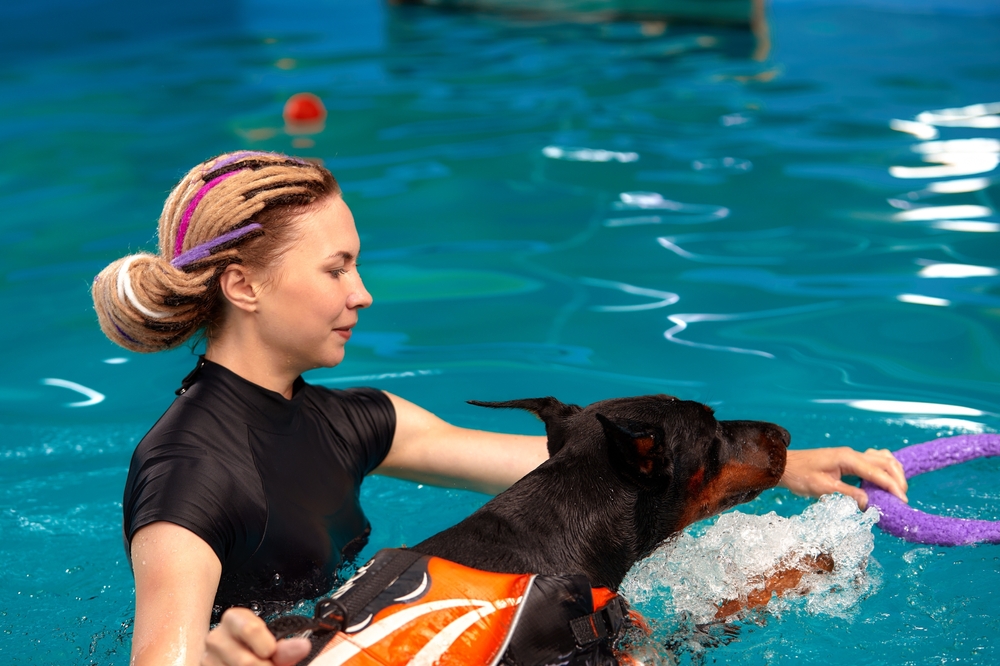
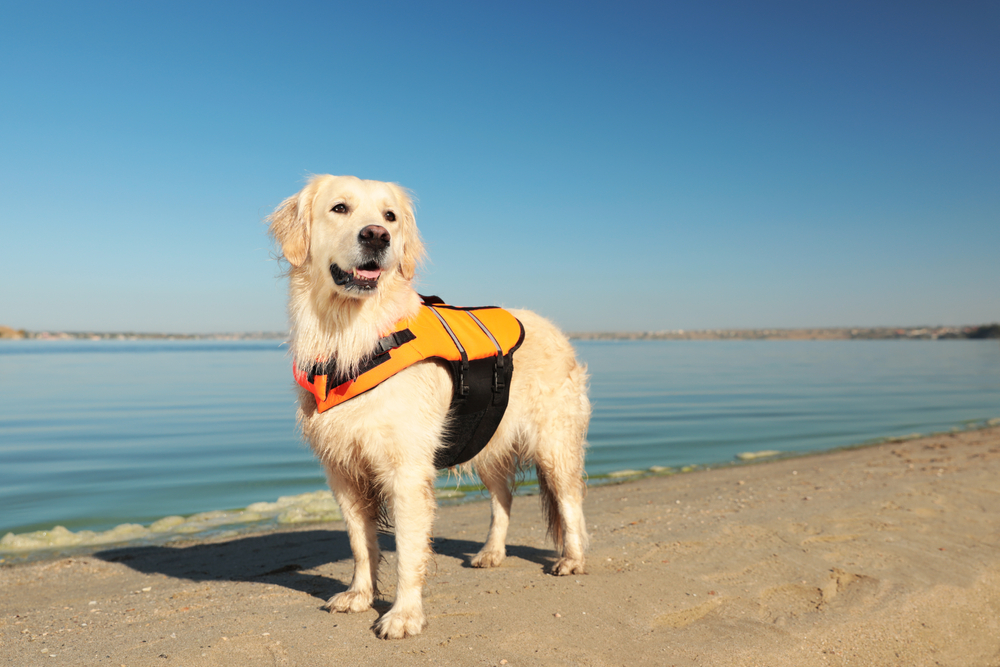
Yes, there is such a thing as a doggie life vest. It’s lighter than a full-sized life jacket, which you should use if you’re going into big water or on a boat. Get your dog a PFD in a bright color that’s easy to see. You should also choose one with a handle in case you have to haul your pet back into the craft. Don’t wait until you get to the lake to get your pup used to wearing it, either.
3. If It’s Too Cold for You, It Might Be the Same for Your Dog
This tip may seem like common sense. Why would you go swimming if the water is frigid? Your dog’s coat only does so much to insulate them from the cold. Also, remember that your skin will dry much faster than their fur or hair.
However, many dog breeds can tolerate cold waters much better than humans can, and don’t mind a dip in a cool pool. Ultimately, this comes down to knowing your dog well enough to ascertain what pool temperature they’re more comfortable with.
4. Supervise Playtime
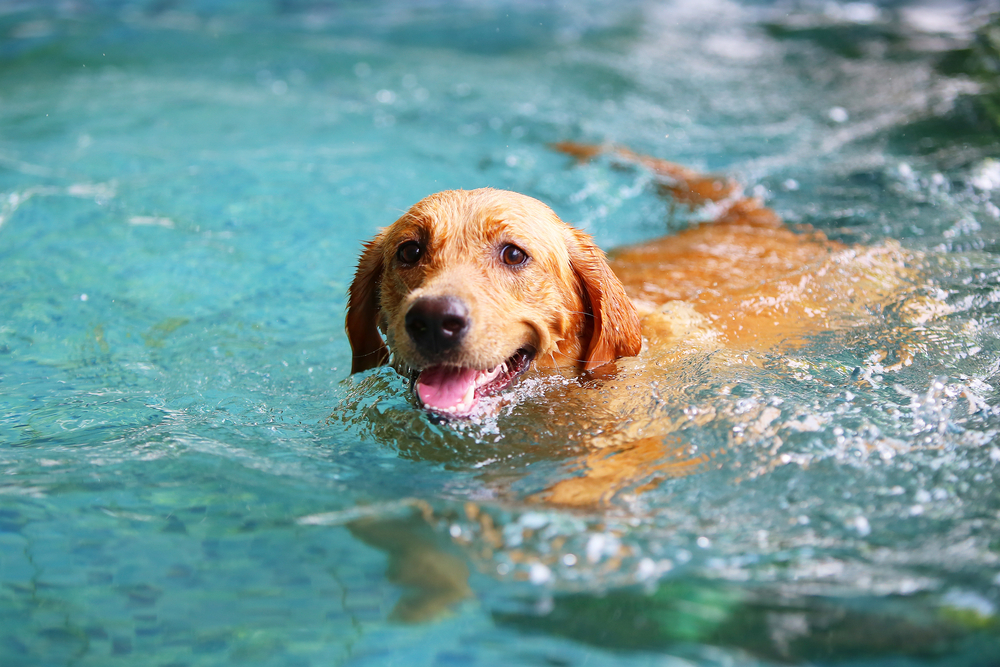
At times, your dog may not spend much time in the water versus playtime on land. Experience teaches us to be safe, but your pup may not realize their limitations. Swimming is a vigorous activity. Therefore, we strongly urge you to supervise your pet’s time in the water. Don’t leave them unattended to fend for themselves at any point in time.
5. Don’t Forget to Take Breaks
We get it—splashing in the water is fun. Your pup may get so caught up in the action that they forget to get out of the water once in a while. Ensure that your dog takes regular breaks to keep things safe so that they don’t get overtired. Swimming and playing burn a lot of calories, and a break could be an excellent time for a snack or a treat.

6. Go Swimming With Your Pooch
Probably the best way to keep your dog safe around water is to be in there with them. After all, they’ll love getting as much of your attention as possible. You can make sure your pup stays within a reasonable distance from you in case you have to grab their life jacket’s handle. It’s also another check for endurance to remind you to get out of the water for an occasional break with your pet.
7. Watch Out for Rip Currents
Watch out for rip currents if you’re going into big water like the Great Lakes or oceans. These powerful water flows can quickly sweep you and your pet away from the shore. Often, you’ll see warnings about the occurrence at the site. Heed these alerts and find someplace safe to swim. There’s a good reason why rip currents are the number one cause of rescues.
8. Beware of Dangerous Algal Blooms
Algae is typically a normal part of the aquatic environment, i.e., unless an overabundance creates an algal bloom. Some species are toxic, while others can contain dangerous cyanobacteria. Ingesting water containing these bacteria can cause accidental poisoning. Telltale signs include vomiting, excessive drooling, and labored breathing. It requires immediate veterinary care.
If you need to speak with a vet but can't get to one, head over to PangoVet. It's our online service where you can talk to a vet online and get the advice you need for your pet — all at an affordable price!
9. Keep You and Your Pup Hydrated
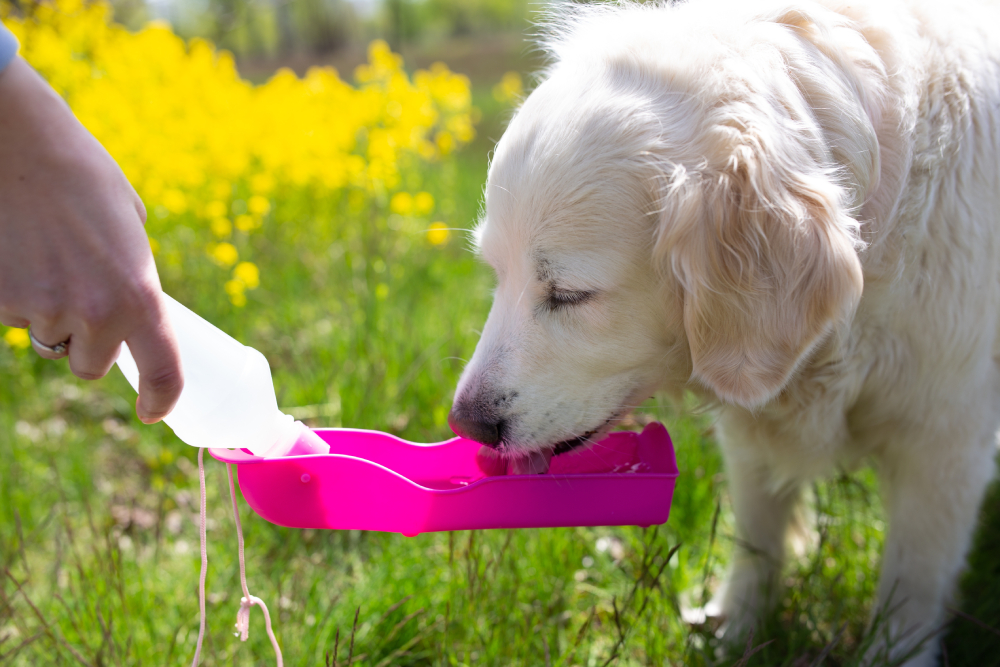
One way to avoid issues while taking your dog for an aquatic excursion is to keep your dog hydrated. Giving them plenty of fresh, clean water will help prevent them from drinking from the lake. We’ve also talked about how strenuous swimming can be for your pet, meaning they are going to want to drink, so make sure the water they consume is actually safe. Again, authorities post warnings about unsafe water conditions, so heed these cautions.
10. Learn How to Perform Canine CPR
We hope you never need to use this skill. However, knowing how to perform canine CPR can save your dog. Think of it as insurance. The American Red Cross offers online pet first aid courses so that you’re always prepared for any emergency. We consider it an excellent investment of your time if you’re a pet owner
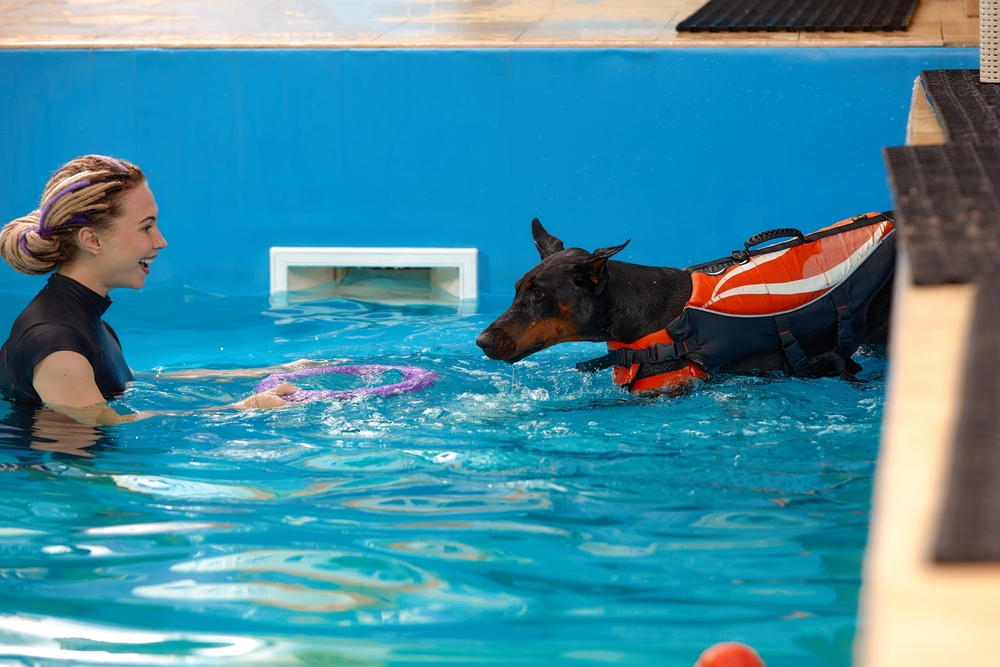
11. Consider Hiring a Professional
Water becomes an issue if your dog drinks too much of it, which can easily happen with the excitement of being at the beach or pool. Over-ingestion of fresh or saltwater is a serious problem but for different reasons. The concern rests with the electrolyte balance in our pup’s body. Too much freshwater can dilute them, while saltwater causes cells to shrink. Both are equally dangerous and life-threatening.
12. Don’t Force Your Dog into the Water
You shouldn’t force your dog to do anything they don’t want to do, including getting into the water. It can have the opposite effect and create a potent negative association that is hard to reverse. Instead, let your pup get used to the water on their own time. Stay in shallow waters for a while, and treats can help foster positive associations with the experience.
13. Closely Monitor Some Breeds Near Water
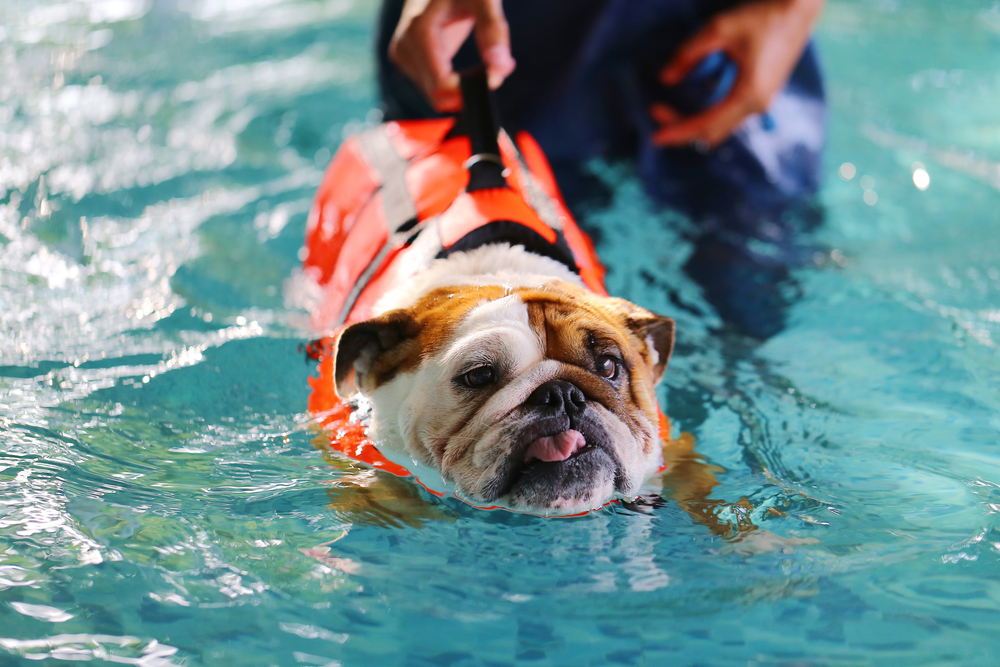
You may want to be especially careful with some breeds when it comes to water. Brachycephalic dog breeds like Pugs may struggle with the added respiratory demands of this activity. Short legs may make it difficult for them to swim. You shouldn’t exert these flat-faced pups because of these physical limitations. They may call it the doggie paddle, but that doesn’t mean every pup can safely do it! It’s also a good idea to always have such dogs in protective gear so that they have an easier time when it comes to swimming. In addition, it’s best to offer them a helping hand while they swim.
14. Mind the Weeds and Wetlands
Some dogs may give cats a run for their money when it comes to curiosity. That may include the wetlands near the shoreline. However, that’s also the place where aquatic wildlife may live, including snapping turtles and water snakes. The latter are especially unsafe because of their aggressive nature, meaning they won’t hesitate to strike at a curious pooch. Wetlands may also harbor harmful mushrooms, toads, and other animals that are dangerous for dogs.
15. Dry Your Dog Thoroughly
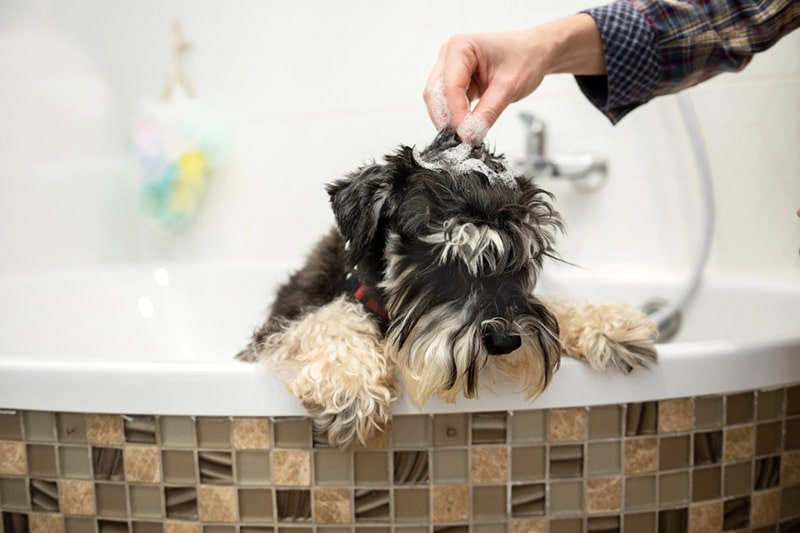
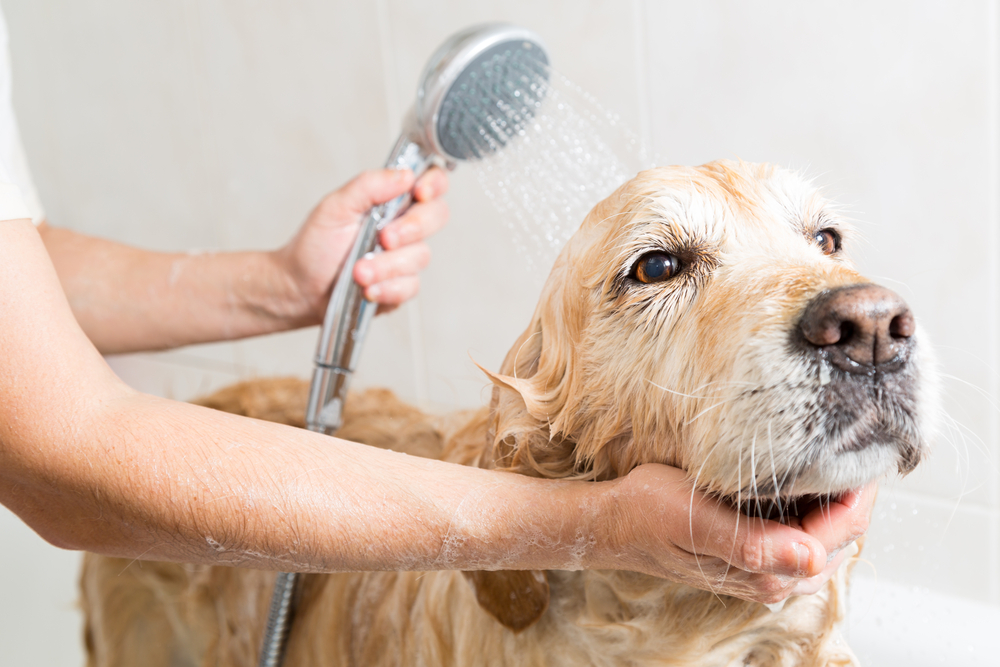
You should rinse off your dog after playing in any type of water, whether it be the ocean, a lake, or a pool. It’s an excellent way to keep the sand out of your vehicle if you’ve been to the beach. If you’re near a pool, your pup will benefit with a quick rinse in a shower before being dried off with a towel and perhaps a blow dryer.
When out in nature, a towel-dry is your best option to dry your dog and remove sand, dirt, and other debris from their fur. It also helps prevent issues such as hotspots. We suggest inspecting your pet’s body for leeches and other hitchhikers. Begin by looking between their toes and pads, working your way up to checking their entire body. Focus closely on folds of skin, their ears, and around the base of their neck.
It’s best to give your dog a quick rinse once you’re back home from an outdoor nature excursion which involves swimming. Not only does this help with hygiene, but it also helps you look for a hitchhiker in their fur which you might have missed during the initial dry-off session.

Summary
We hope our guide didn’t deter you from taking your pup to the beach or pool. Swimming is great fun when you have a dog that likes the water. It’s also a great form of exercise for dogs.
However, it still pays to play it safe with your pooch. It’s like having another kid in tow. You have to keep an eye on them so that they stay out of trouble. After all, kids will be kids, and dogs will be dogs. Your job is to ensure everyone has a good time while staying safe.
See also:
Featured Image Credit: otsphoto, Shutterstock