Food Aggression in Dogs: Vet-Verified Signs, Causes & Care


In this article
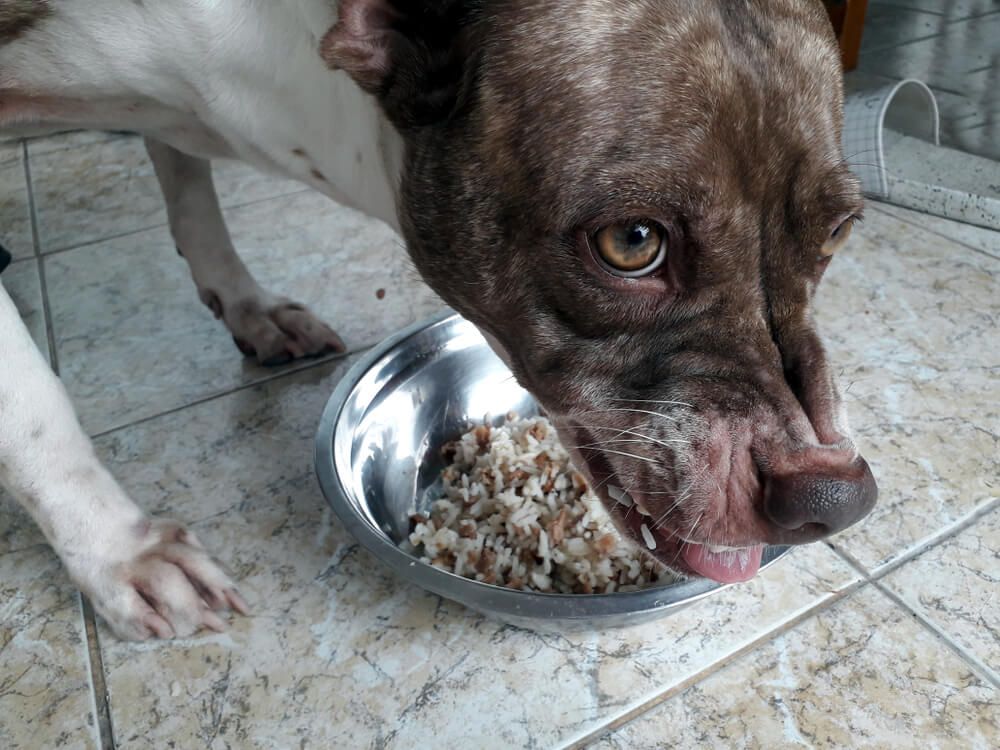
View 4 More +All day, your dog is affectionate and well-behaved until their food bowl is a part of the equation. Then, they’re growling, lunging, and even snapping at anyone who comes too close for comfort. But once they finish their food, they return to being happy-go-lucky. Why are they acting that way?
If your dog displays this behavior, there is a chance that they are struggling with food aggression. Food aggression can be disruptive, especially if multiple pets need to eat. In this article, we’ll discuss the causes of food aggression and provide advice on how to deal with it.

What Is Food Aggression?
Food aggression, broadly known as resource guarding, is when dogs exhibit aggressive behavior when others approach while they’re eating. They may be possessive about their food, their treats, or even their food bowls. If your dog displays more resource-guarding behaviors than just food aggression, you may notice aggressive behavior when others approach their toys, bed, or favorite people.
Some dogs only display the behavior around strangers, while other dogs may behave aggressively to anyone. They may behave aggressively when others come near their food, but some may attempt to consume their food quicker to ensure no one can take it from them.

While they may not behave aggressively towards others, inhaling their food can lead to choking or increase the likelihood of worrying conditions like bloat. Resource guarding is technically a natural behavior in canines but in domestic dogs, it is a behavior that should be worked on eliminating as soon as it is observed.
A few instances of protectiveness aren’t always something to worry about. However, if your dog displays consistent, prolonged signs of aggression or protectiveness over their valuables, you must do what you can to manage this behavior.
What Are the Signs of Food Aggression?
Knowing the signs of food aggression will help you determine if your dog has a problem. Sometimes, food aggression is obvious. If your dog growls, lunges, or bites when you approach their food, they likely are struggling with food aggression. Excessive vocalization is another sign to watch for. Dogs who bark or snarl when others are too close to their food may be dealing with food aggression.
However, there are more subtle signs that a dog is struggling with food aggression. Noticing these signs early on may allow you to correct the behavior.
These include:

What Are the Causes of Food Aggression?
What makes a normally sweet dog behave so aggressively regarding their food? As mentioned before, resource guarding is a natural behavior in dogs, at least to an extent. It’s normal for dogs to want to protect what they deem valuable.
But when this instinct turns into aggressive behavior, it is usually a sign of a deeper behavioral issue. Often, dogs that display food aggression have a physical or emotional problem.
For example, dogs may become overprotective of their food if they:
While many people may mistake food aggression as a sign of meanness or malice, that is not true. Instead, insecurities are often the root cause. Try to consider life through your dog’s eyes; what might make them insecure? Understanding why your dog is displaying food aggression will help you confront the issue.
How Do I Care for a Dog With Food Aggression
The best way to manage your dog’s food aggression is to pinpoint the insecurity motivating the behavior. For instance, does your dog live with an unpredictable routine? A lack of routine can stress your dog out, especially regarding feeding habits.
If they don’t know when their next meal is coming, how do they know it is coming at all? So, when they finally get their meal, they’re fiercely protective of it. In their mind, that could be their last meal! The best way to manage your dog’s food insecurity in that case is to provide them with the stability and structure they need.
How do you know what behavioral issue is causing your dog’s food aggression? Pay attention to other situations where they misbehave or otherwise act strangely. For example, if they are only aggressive when the new dog is in the room, they may feel threatened by another animal’s presence.

If they aggressively attempt to establish dominance at every opportunity, perhaps they lack confidence. By noting other ways your dog acts out, you can begin to narrow down the reason behind their behavior. Sometimes, determining the purpose of a dog’s behavior can be difficult.
If you're having trouble understanding your dog’s food aggression or even feel unsafe around your dog, a canine behavior specialist or experienced trainer can provide valuable insights. However, it’s best to schedule a visit with your vet first to ensure your dog isn’t suffering from an illness or injury that might be causing pain, irritability or excessive hunger.
Behavior specialists are trained to see the world through the eyes of a dog. They understand how an environment can impact them or cause them to act. Alongside a trusted canine behavior specialist, you can get to the bottom of your dog’s behavior and learn techniques to curb aggressive actions.
While you are retraining your dog to behave appropriately, it is important to keep young children away from your pet, especially when they are eating. Children who do not yet understand canine body language are more likely to trigger a dog’s protective aggression, which may cause them to get bitten.
Frequently Asked Questions (FAQ)
Navigating a behavioral issue can be tricky and takes time to correct. These frequently asked questions may help as you seek treatment for your dog.
Can Food Aggression Be Reversed?
Training your dog out of this behavior is possible, but the longer it goes on, the harder it will be to correct. As soon as you notice signs of food aggression or resource guarding in your dog’s behavior, reach out to a vet and trainer to find ways to minimize and correct the behavior.
Can I Take Away My Puppy’s Bowl?
It isn’t a good idea to take away a puppy’s bowl while they are eating. If you consistently remove their food before they finish it, you are instilling resource-guarding behaviors in them. Essentially, they are learning that the things they value can be taken at a moment’s notice, so they need to behave aggressively if they want to keep their food.
Conclusion
Aggressive behavior of any kind can be a challenge to manage. In the case of food aggression, you must reverse the behavior to ensure your dog finishes their meals without issues. With the help of your veterinarian and a canine behavior specialist, you can narrow down the reasons for this behavior. The sooner you understand your dog’s motivation and needs, the sooner you can start to help them feel more secure around their food, and therefore stop them reacting inappropriately.
Also see: How To Muzzle A Dog: Safety Tips & Trick
Sources
Featured Image Credit: Srinuan hiranwat, Shutterstock
Expert dog care, straight to your inbox
News, insights, expert advice, and everything dog.

No spam — unsubscribe anytime.
By signing up, you agree to our Terms & Conditions and Privacy & Cookies Policy.
How useful was this post?
Click a star to rate. You can leave written feedback afterwards. (We read all feedback.)

Pets are Jordyn’s passion, especially cats. Whenever she has the opportunity, she loves to learn about animals and share her knowledge with everyone. She is devoted to her mischievous tabby cat named Jack and works hard to buy him his favorite toys and treats. Discovering new ways to better care for her pet is always on the top of her to-do list, and she is eager to help pet parents everywhere who have similar pursuits. In her free time, she loves to write, read, and take long walks. She has a creative spirit, which often helps her to come up with funny cat names.