

It’s certainly no secret that dogs provide companionship for their families, but for many people, their dogs are invaluable partners in their daily lives. Service dogs offer physical, neurological, and mental health benefits for people with serious health conditions, offering huge improvements in their owner’s quality of life.
There are many different types of service dogs, and today, we’re going to take a closer look at 10 of them. Read on to learn more about the work these good boys and girls do.

How Are Service Dogs Classified?
Service dogs are those trained to perform specific tasks or behaviors to help their owners with visible and non-visible disabilities. They undergo vigorous and specific training to perform the tasks required of them in their role. As such, they are given full public access rights, meaning they’re allowed to go places where animals are typically forbidden, such as restaurants or airplanes.
Therapy and emotional support dogs are sometimes confused with service dogs, but they perform different functions. Therapy dogs also receive training, but their job is more focused on providing psychological therapy to individuals other than their handlers. For example, therapy dogs will visit hospitals and schools to provide comfort to patients and students. Emotional support dogs provide companionship to their owners, but they are not considered service dogs as they are not trained to perform specific tasks.
Therapy and emotional support dogs do not have the same legal rights as service dogs.
The 10 Types of Service Dogs
1. Guide Dogs

| Function: | Assists the blind and visually impaired |
| Best Breeds: | Labradors, Golden Retrievers, Standard Poodles |
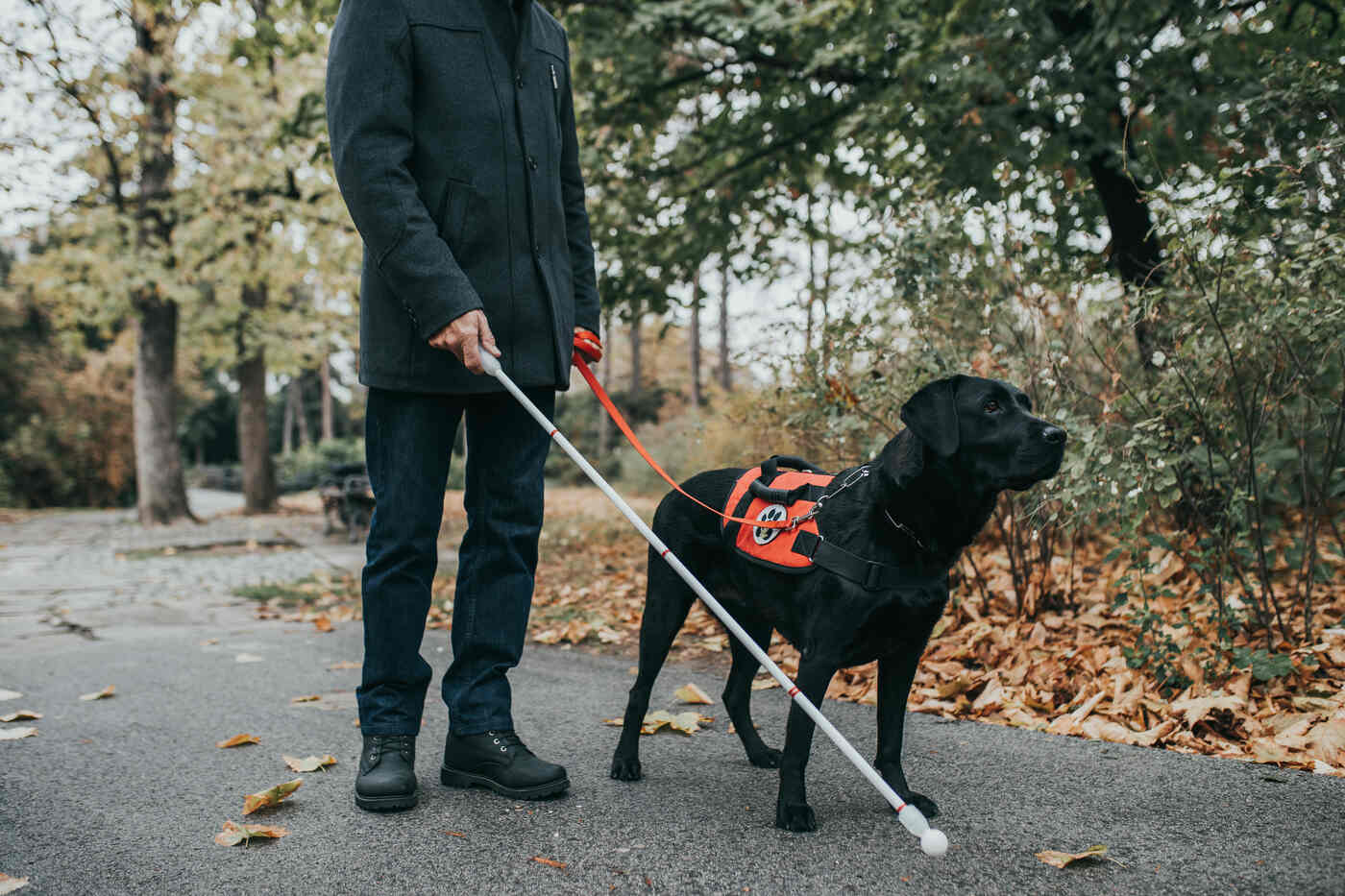
Guide dogs are one of the most commonly known and easy-to-identify types of service dogs. These pups are tasked with helping the blind and low-vision folks navigate through the world. They wear a special type of harness that allows their handler to grasp them, instead of a vest like other types of service dogs.
Guide dogs are unique from other types of service pups because they practice “selective disobedience.” This means that they take in information from their surroundings and make choices based on the assessments made about a situation. For example, their owner may tell them to cross a street, but the dog will disobey if they deem the street too unsafe to cross.
2. Hearing Dogs

| Function: | Assists the hearing-impaired |
| Best Breeds: | Labradors, Cocker Spaniels, Miniature Poodles, Cockapoos |
As the name suggests, hearing dogs are trained to help their deaf or hard-of-hearing owners interact with their world. They can alert their owner about smoke alarms, doorbells, stove timers, and even crying babies. These dogs are trained to place their paw upon their handler when they hear the noise. They can also lead them toward or away from the cause of the noise, depending on if they deem it safe or not.
3. Mobility Assistance Dogs

| Function: | Assists people with mobility issues |
| Best Breeds: | Labradors, Golden Retrievers, Standard Poodles, German Shepherds |
Mobility assistance dogs are those trained to perform a wide range of tasks for their handlers with mobility problems. They can perform tasks such as bringing them objects, pressing buttons on doors, serving as a brace, pulling a wheelchair up ramps, opening doors, and turning on lights. These dogs are typically partnered with people with health conditions such as brain or spinal cord injuries, muscular dystrophy, arthritis, or cerebral palsy.
4. Diabetic Alert Dogs

| Function: | Trained to alert handlers when they sense blood sugar spikes or drops |
| Best Breeds: | Golden Retrievers, Labradors, Mixed-Sporting Breeds, Poodles, Collies |
Diabetic alert dogs can detect potentially deadly changes in blood sugar levels during hypoglycemic or hyperglycemic events. They can then warn their handler of these changes so they can address them appropriately before they get out of hand. They are also often trained to alert others in the household or to set off an alarm if their owner requires medical assistance. Some can even call 911 on special K-9 phones if they’re home alone.
5. Seizure Response & Seizure Alert Dogs

| Function: | Assists their handlers during and after a seizure |
| Best Breeds: | Labradors, Golden Retrievers, Poodles, German Shepherds, Collies |
Seizure response and alert dogs are trained to respond before, during, and after their handler has a seizure. An alert dog is trained to detect seizures before they happen, while their response counterparts are trained to react during and after the seizure.
Seizure-alert dogs are somewhat controversial as there doesn’t appear to be any reliable evidence proving that dogs can reliably predict seizures. According to the Epilepsy Foundation, dogs can be taught to cue in on minute behavioral differences but not to alert.
Seizure response dogs can bark to signal for help or press an alarm system when their handler has a seizure. They can also move the seizing person to somewhere safe and bring medicine or a phone to someone coming out of their seizure.
6. Psychiatric Service Dogs

| Function: | Assists their handler with a psychiatric or mental disability |
| Best Breeds: | Labradors, Golden Retrievers, Collies, Bernese Mountain Dogs, Great Danes, Havanese |
Psychiatric service dogs are those trained to perform specific tasks for people living with mental illnesses such as depression, anxiety, or post-traumatic stress disorder. These dogs are trained to provide a comforting barrier when their owners are distressed. They can perform a wide range of tasks, including protecting their owner’s personal space and turning lights on in rooms before their owner gets there to help them feel safer.
- Note: Psychiatric service dogs are not the same as emotional support dogs. Though they are trained to perform emotion-based tasks, psychiatric service dogs go through very rigorous training and are not legally considered “pets” as emotional support or therapy dogs are.
7. Autism Assistance Dogs
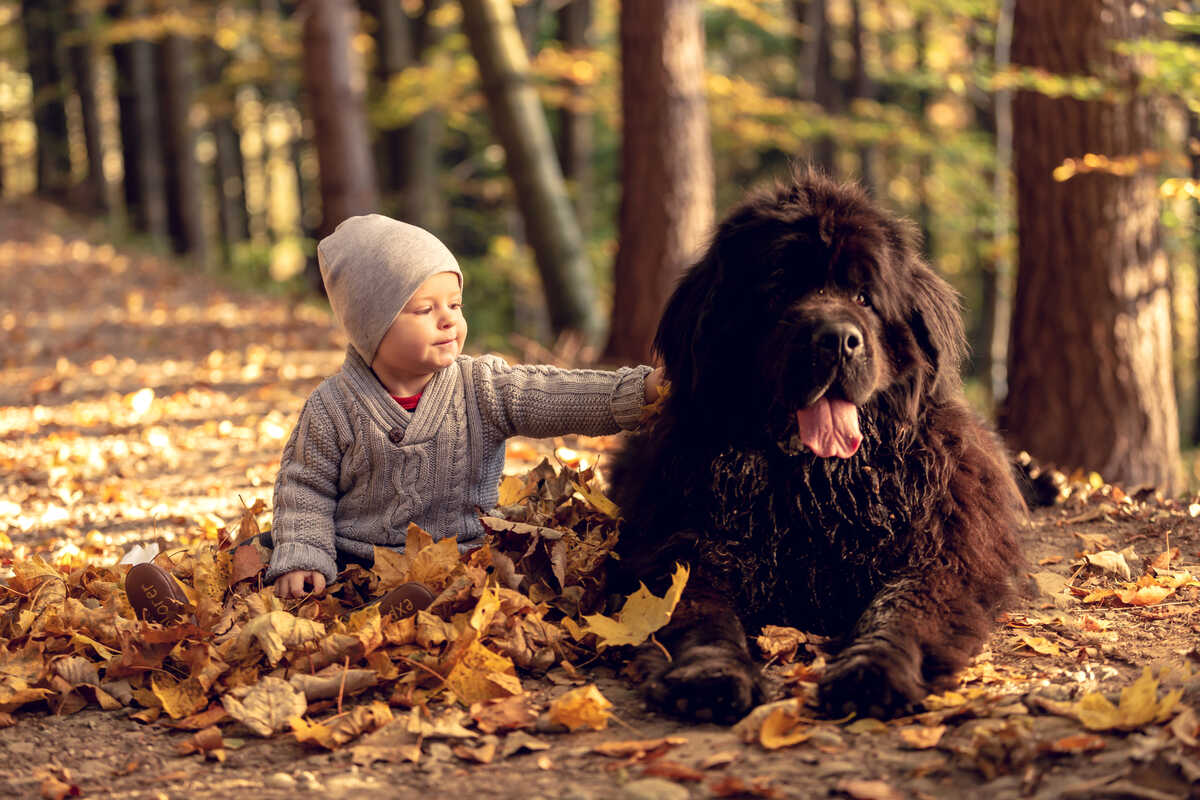
| Function: | Assists an autistic person to live independently and manage their disability |
| Best Breeds: | Labradors, Poodles, Newfoundlands, Bernese Mountain Dogs, Beagles |
Autism assistance dogs are trained to assist adults and children on the autism spectrum. They can provide invaluable physical, mental, and emotional support to the person they’re meant to help. These dogs can perform actions such as interrupting self-harming behaviors, providing a counterbalance for those with poor motor control, assisting with disorientation, assisting with self-soothing during meltdowns, and preventing wandering.
8. Allergy Detection Dogs

| Function: | Trained to smell even the slightest trace of potential allergens |
| Best Breeds: | Labradoodles, Poodles, Labradors, Poodles |
Allergy detection dogs are taught how to harness their natural scent-hunting abilities to hunt for their handler’s allergens in their environment. For many people with allergies, even the briefest interaction with their allergen can cause anaphylactic shock. These dogs are trained to sniff out and alert their handler when they catch a sniff of common allergens like peanuts or gluten. These dogs often work alongside children, accompanying them to school and other activities to give them a better sense of independence and provide the parents with peace of mind.
9. Medical Service Dogs

| Function: | Assists with medical services for people with health conditions |
| Best Breeds: | Labradors, Golden Retrievers, Standard Poodles |
Medical service dogs are those trained to assist individuals with medical conditions. They typically don’t handle conditions like epilepsy or psychiatric-based issues. Instead, they are trained for jobs like fetching medication, providing bracing, and bringing a telephone to their handler if required.
10. FASD Assistance Dogs

| Function: | Assists with medical services for people with health conditions |
| Best Breeds: | Labradors, Golden Retrievers, Standard Poodles |
Fetal alcohol spectrum disorder (FASD) is a non-visible disability and congenital disability occurring when a pregnant mother exposes her growing baby to alcohol. These children may have physical or mental impairments and behavioral problems. FASD assistance dogs are an emerging category of service dogs trained to support children with FASD. They are trained in many of the same tasks as autism assistance dogs, including interrupting repetitive behaviors and promoting a better quality of life for the whole family.

Conclusion
From seizure response and allergy detection to autism assistance, the range of tasks that dogs can be trained to fulfill is nothing short of incredible. As we’ve seen, different breeds are better suited to different roles, and the rules surrounding where and when service dogs are allowed depend on the type of service they provide. If you believe a service dog could enhance your quality of life or that of a loved one, consult your vet to explore the options. The right service dog, matched to your needs and given the care they deserve, can be truly life-changing (and adorable)!
See also:
- Cavachon Dog Breed: Info, Pictures, Facts, & Traits
- Petit Basset Griffon Vendeen: Info, Pictures, Facts, & Traits
Featured Image Credit: hedgehog94, Shutterstock
 How Are Service Dogs Classified?








8 Responses
Hi,
Need service dog trained. Prefer non-shedding please. I’m a falls risk
Jackie
Hi Jackie,
Since you’re looking for a service dog and want a non-shedding breed, the best next step is to contact a certified service dog organization or professional trainer. They can assess your needs as a falls risk and match you with a dog suited to your lifestyle 🙂
Have a great day!
Hi, I have gastric motility disorders ( I am fed through a PEG tube with an Enteral liquid formula) , Crohn’s disease of small and large bowel , depression and anxiety. Which will be better for me, an emotional support dog or a service one? . If I need a service dog, do I need to buy my own dog?
Thank you for your time
Hello Elena,
thank you for sharing your story with us, although we are sorry to hear about your medical difficulties. When it comes to which kind of dog would be more appropriate for you, this is something that you should be consulting with your physician, as they are the ones that can potentially prescribe you an assistance dog. Service dogs are trained to help with particular issues, an emotional support dog could help with your anxiety and depression.
But as I mentioned – this needs to be consulted with your doctor.
Hope this helps.
Can a pit bull or Rottweiler be trained as a service animal?
Hi Kelly! Yes, Pitbulls and Rottweilers can absolutely be trained as service animals. Both breeds are eager to work, loyal, and intelligent, which makes them well-suited for service work when properly trained. 🙂
Im needing a type of dog that will work for our autistic son with multiple health and psych issues is there such ??
Hi Pam, thanks for getting in touch. Yes, there are indeed service dogs that will be able to help your son. The breeds that are mentioned in the article are all excellent choices, so choosing something suitable will come down to personal preference and what your environment is like. If you live in an apartment, for instance, a smaller dog would be a better fit than a Bernese Mountain dog for example. I have also sent you an email with some additional information for your convenience. 🙂