After 20,000+ years of domestication, it’s little surprise how much modern dogs fit in with their human families. They act like our children, communicate effectively, and even eat a diet that more closely resembles ours than that of their wolf ancestors. And much like that of humans, their teenage stage is a less-than-magical time when our dogs’ uncooperative attitude takes us back to our own angsty high school days.
Adolescence is a challenging time for almost every owner. Fortunately, you can get through it with the proper outlook, consistency, and realistic expectations. Keep your pet behaved and your relationship strong by following these tips and tricks to handle a dog’s teen rebellious phase.

The 8 Tips To Handle a Dog’s Teen Rebellious Phase
1. Refocus on Basic Recall and Commands
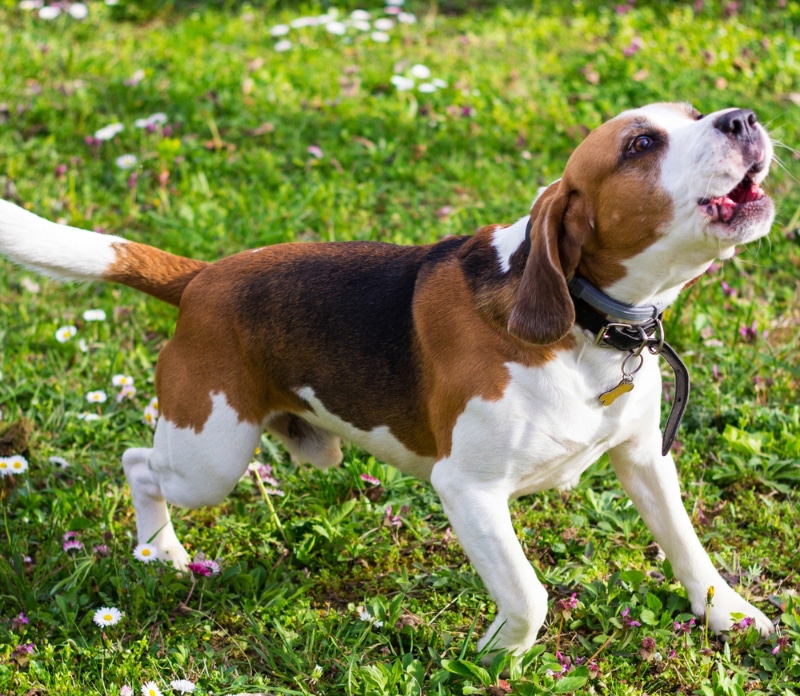
Your dog’s adolescent phase coincides with much of your training seemingly going out the window. They start to ignore you, letting heightened hormones get the better of them. You might notice more leash-pulling while walking as they try to investigate new smells, sounds, and people, or your dog may be more fidgety and less tolerant of basic commands like ‘stay’ or ‘sit’.
Dogs need to take a few steps back in training during adolescence. Consider recall, which may falter when their urges intensify. Remember how you progressed their recall skill when they were a puppy, like working on it in the yard or walking in quiet areas on a long lead.
Return to these stages while training to remind them good things come with following your direction. If you need guidance on training your dog, we suggest you speak to a vet.
If you need to speak with a vet but can't get to one, head over to PangoVet. It's our online service where you can talk to a vet online and get the advice you need for your pet — all at an affordable price!

2. Use High-Value Treats for Training
Ignoring all the exciting elements in the environment becomes a lot harder when your dog enters adolescence. During training, you may have to bring out the big guns to keep their attention.
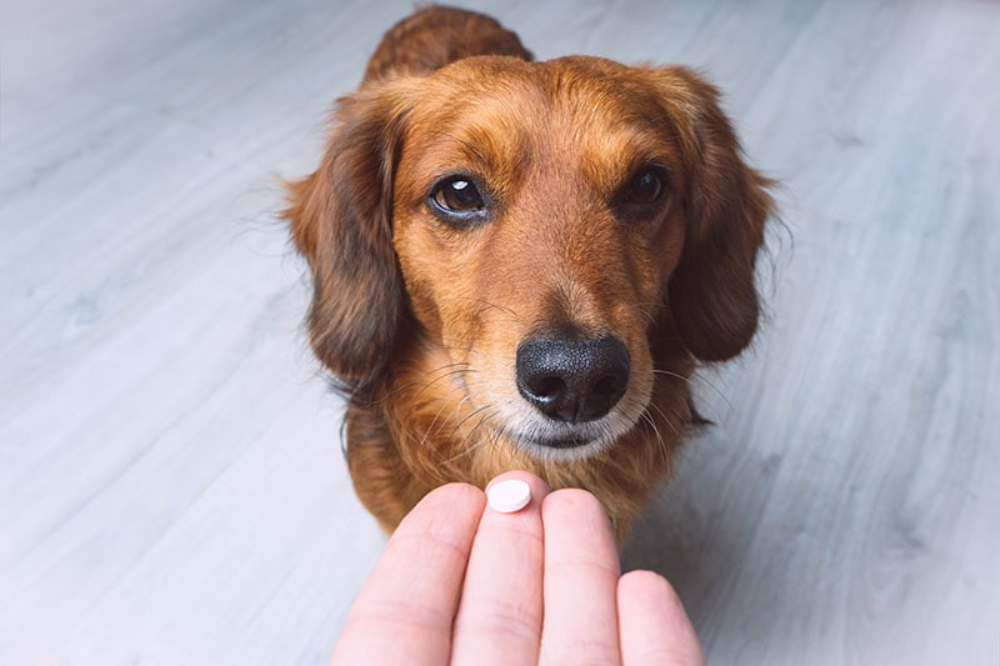
Rather than serve their usual treats, upgrade to something extra-tasty like boiled chicken, pieces of cheese, freeze-dried liver, or jerky. Add variety to keep their taste buds excited. You don’t want to overuse the high-value treats, especially for reliable behaviors that don’t require them. But reevaluating what is effective at this stage and trying something new will help you manage your dog with less resistance.
3. Control the Environment
The flipside to setting your dog up for success during training is avoiding the opportunity for failure. While they’re working out their behavior, you must manage their environment. Your dog will likely need stricter boundaries, with limited access to anything that might encourage poor habits.
Indoor Environment
In the home, you can limit your dog’s access to certain rooms and items. Your dog may have trouble resisting tearing into clothes when they’re bored or jumping on the kitchen counter to grab food scraps.
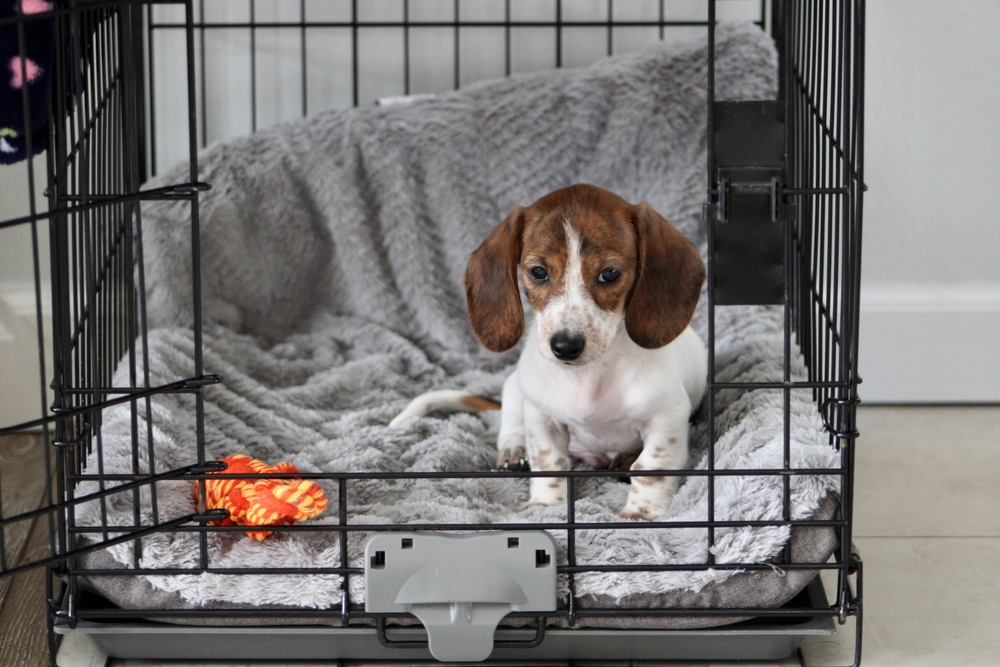
Put the target items out of reach, and consider bringing the crate back out or setting up baby gates to prevent your dog from practicing unwanted behaviors. Crates (aka doggy bedrooms) can be a vital tool in managing your rebellious adolescent dog. Many dogs feel frustrated during this time, and giving them space of their own can really help to calm them down, as well as settle your frayed nerves!
Social Environment
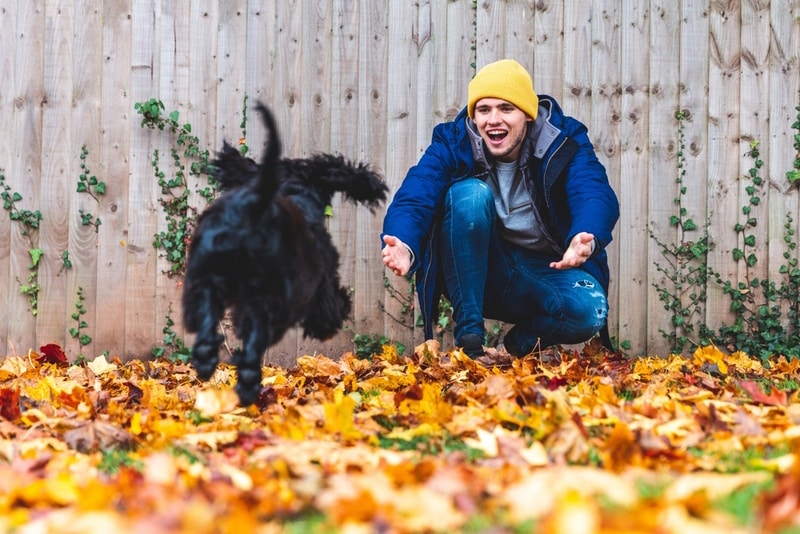
Outdoors, you may have to prevent access to areas that stress your pet, like dog parks or noisy neighbors. Dogs often show new anxiety during adolescence, reacting to things that didn’t bother them before. While this usually requires you to limit their freedom in some areas (e.g., no off-lead walks), you should also focus on only putting your dog in positive environments.
You don’t want to push your dog into stressful situations. Adolescence is a time of intense learning that will carry over into adulthood. Forcing them to adapt to stressors will only set you back and make your dog more fearful of novel situations in the future. Keep social interactions positive, limiting them to dogs, people, and situations you know will be enjoyable for your pet.
4. Help Your Dog Avoid Stress and Frustration
Adolescence is a formative time for dogs, creating lasting associations that will carry them into adulthood. As annoying as this phase can be for owners, keeping interactions positive and practical is essential. Forcing your dog to go into stressful situations or disregarding their frustration can instill unwanted behaviors and harm your bond.
Let your dog explore situations at their own pace, allowing them to retreat if they become anxious. For instance, if they’re afraid of another dog while on your walk, calmly move away to defuse the situation and help them relax. You are your dog’s secure base. Reinforcing that trust by being sensitive to new stress in adolescence will solidify their attachment and help them get through this rebellious phase faster.
5. Engage Your Dog in New Activities
Your dog’s adolescent energy will take extra work to satisfy. Instead of increasing exercise time and risking injury, focus on enrichment. Stimulate your dog’s brain to help them kill time, mentally exhaust themselves, and take advantage of their increased adolescent drive.
- Try scent games inside and in the yard
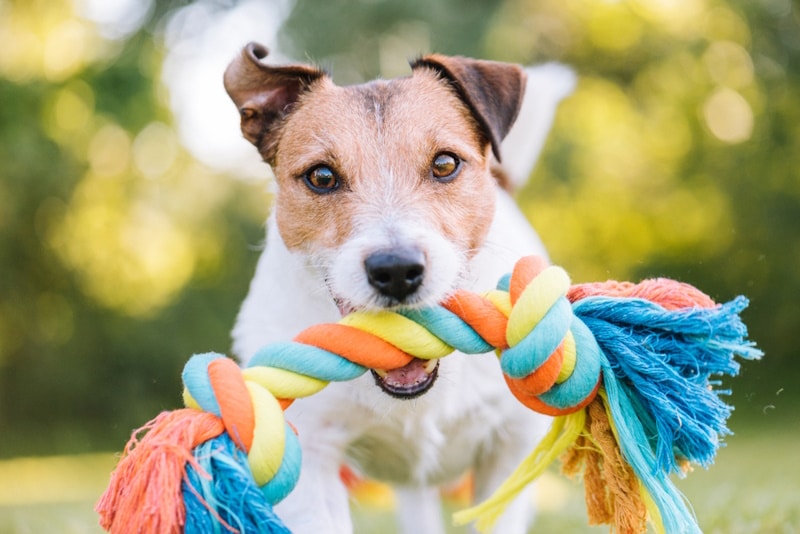
- Play hide-and-seek, fetch, or tug-of-war
- Get a variety of new tug toys and chews
- Provide puzzle feeders, snuffle mats, or treat-stuffed Kongs to make feeding fun
Dogs will take on new interests as their brains take shape. You can harness this by introducing assorted treats, fun games, toys, and activities. You’ll enhance your bond and give your dog a healthy mental workout.
When you help them expel their energy, they’ll be calmer and open to listening. You may even discover new motivators to help you maintain their focus in your training sessions.
6. Reward Calm Behavior
Your dog’s energy will keep them ready for action, so it’ll be on you to encourage a sense of calm to help you both get through the adolescent phase with minimal frustration. You should reward your dog’s relaxed behavior when possible and set them up for success.
Continuing crate training is an excellent strategy when you return to basics with your training. You can use it to reinforce calm behavior by waiting for your dog to relax before letting them out. The same goes for activities like walks or play. Once they calm down and follow your command, you can reward them by going outside.
It’s the Premack Principle, which rewards low-probability behaviors with high-probability behaviors. It won’t be easy with an energized and often uncooperative teenage dog, but remembering to capture and reward moments of calm whenever possible will help your dog stay focused and grounded.
7. Reach Out for Training and Socialization Help
Socialization is no less crucial during adolescence than any other life phase. Unfortunately, your reactive and often stubborn dog makes it considerably more challenging. At this stage, you might consider getting help from experts or close friends who can provide a controlled environment.
Check out opportunities with a professional trainer in individual or group sessions. They can socialize and work on obedience in a supervised, stress-free setting. You can also schedule play dates with experienced dog-owning friends.
8. Be Patient and Positive
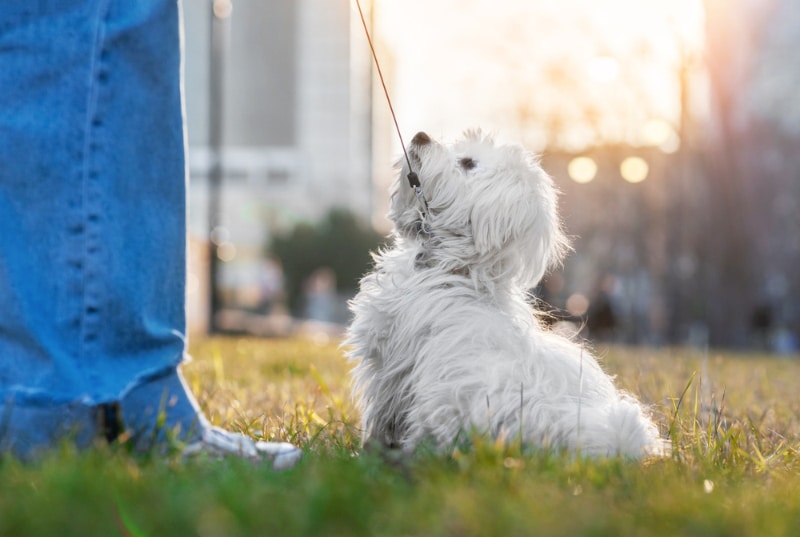
We know dealing with a defiant adolescent isn’t fun, but you’ll have an easier time handling them by accepting the situation and showing patience. Many adolescent dogs are rehomed because owners don’t understand this crucial stage.
They see the new confidence and independence creating challenges, and rather than make an extra effort, they decide they have a bad dog and a problem to remove.
Giving up isn’t fair. Adolescent rebellion is a phase every dog can go through, and challenging as it may be, it’s also temporary. With consistent training, firm rules, and positive reinforcement, your dog will blossom into a well-behaved, well-adjusted adult.

When Is a Dog’s Teen Rebellious Phase?
A dog’s moody teenage phase isn’t something we concocted to anthropomorphize them; it’s a scientific reality.
A recent study found dogs become tougher to train and less cooperative at 8 months than at 5 or 12 months. Small dogs typically mature earlier than large breeds, and the entire process can take up to 2 years in some instances.
Adolescent dogs are going through puberty. Their brains are rewiring, making them more independent, bold, curious, and impulsive. If they aren’t spayed or neutered, adolescent dogs are more interested in and responsive to the opposite sex, adding more fuel to their fire.
Generally, dogs with insecure attachments to owners have more intense rebellious phases. The onus is on pet parents to provide responsive care and a constructive, positive attitude. It starts at adoption, but you must sustain this approach even through the frustrating adolescent stage to get through it as fluidly as possible.

Don’t Give Up!
There will be many times during this process when you will throw up your hands in frustration, and just want to walk away. This is completely understandable, and why crate training is such an important part of raising dogs. Having somewhere your dog can go to chill out while you go and have a coffee and calm down is super important.
You will have days when you think that you are getting nowhere. And then, all of a sudden, your dog wakes up and it’s like everything has kicked in. All the commands they used to know when they were puppies, all the training you have been working so hard to implement, suddenly seems to have stuck. So even when you feel like nothing you are doing is getting through, stick to it.
Be prepared to feel frustrated, be prepared for it to seem like your hard work is going down the toilet, but be prepared to be consistent. It will pay off.
Conclusion
All dogs go through an adolescent phase, and fleeting frustration is something every owner should expect. Nobody knows how it will affect their dog, only that they should hope for the best and plan for the worst. While you can’t avoid it entirely, you can make the experience as fulfilling as possible by giving your dog a little extra patience, positivity, and attention.
Featured Image Credit: sanjagrujic, Shutterstock
 The 8 Tips To Handle a Dog’s Teen Rebellious Phase