In this article
So, you have a spunky, quirky little Corgi. Not only do you have one of the most popular, adorable dogs on the planet, but you also have one that’s generally responsive to training with consistent, positive methods. No matter if they are puppies just starting out in the world or seasoned professionals, Corgis are capable of learning so many new things!
If you’re looking for the best way to train this breed, read on as this article explores methods, challenges, and educational resources for training Corgis. Let’s get started!
Corgi Temperament & Trainability
Before we get into the nitty-gritty of Corgi training, it is important to understand the breed as a whole. What exactly is a Corgi like?
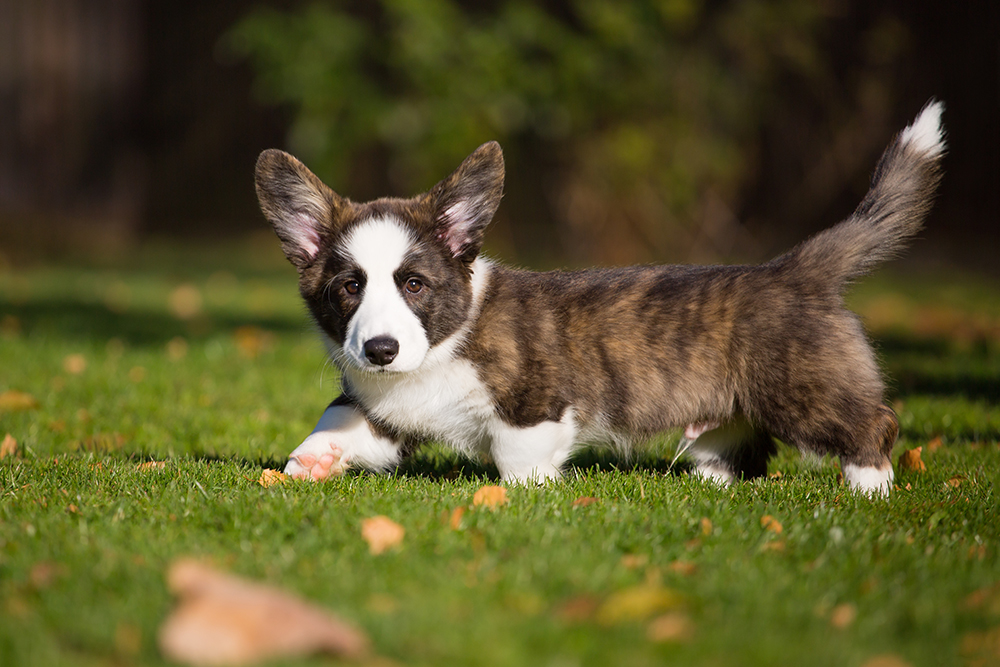
For starters, there are two types of Corgis: the Pembroke Welsh and the Cardigan Welsh. These variations are extremely similar in structure and temperament, but they do have a few notable differences. Some sources and breed observations suggest that Cardigans are more docile and less vocal, but temperament varies widely among individuals. The Pembroke is often described as energetic and active. Both types of Corgis are incredibly intelligent dogs and were once trained to do work around the farm. Today, these dogs fill households everywhere because they are cute as a button, but are still definitely capable of learning the ropes of nearly any job that you want to give them.
The Corgi is a resilient breed that will certainly fill your days with entertainment and affection. They typically enjoy social interaction and family involvement. The puppies might be extra exuberant and therefore, more difficult to train at first, but once they start to grasp the concept, you’re in luck! These little dogs often enjoy learning.
Areas of Expertise
Many pet owners simply want to teach their dogs basic and advanced in-home commands so they will be well-mannered both inside and outside of their residence. However, these dogs are capable of learning complex tasks and are quite skilled in different areas of expertise.
- Obedience
- Agility
- Tracking
- Herding
- Dock diving

Corgi Puppy Training
Training a Corgi puppy can be a nightmare for some and a breeze for others. It all depends on your overall technique, expertise, and patience level. Some of that also depends on the puppy’s individual willingness to learn. You can train your pup to do all kinds of things, but you probably just want to do the basics first. All you’re asking for at this point is a well-mannered pup that can go to the bathroom outside.
So, here are some step-by-step tricks on how to train your little newcomer in various areas. Keep in mind that these are basic steps, and you will need to tailor them to match your particular situation.

Training Puppies to Potty Outside
Potty training can be extremely daunting for any pet owner. It can be a not-so-fun process to get down, and it can seem like you’re getting far, only for your pup to regress. So, before you even get started with this type of training, take a deep breath.
1. Choose a Designated Potty Area
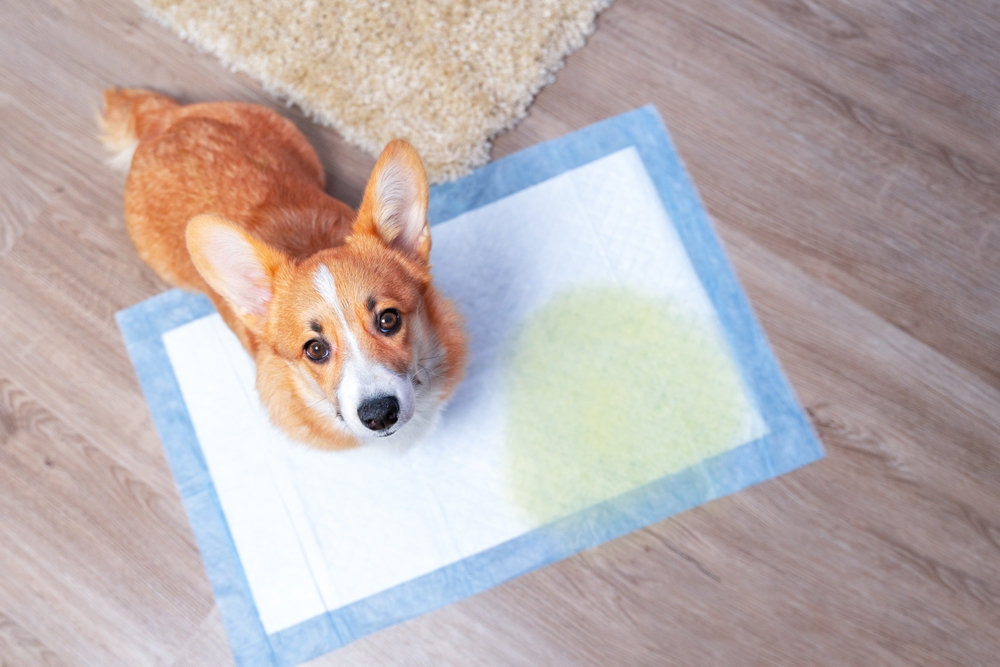
Pick the place where you’re going to take your pup. You will want them to associate it with going to the potty every time. Even though poop scooping is a must, and some apartment complexes and condos make it essential, you might want to leave some urine behind when you’re first starting. This allows your dog to go back to the area and smell it, remembering this was their potty spot last time. It can really help with recognition and make the training process go smoothly.
2. Use a Leash Every Time
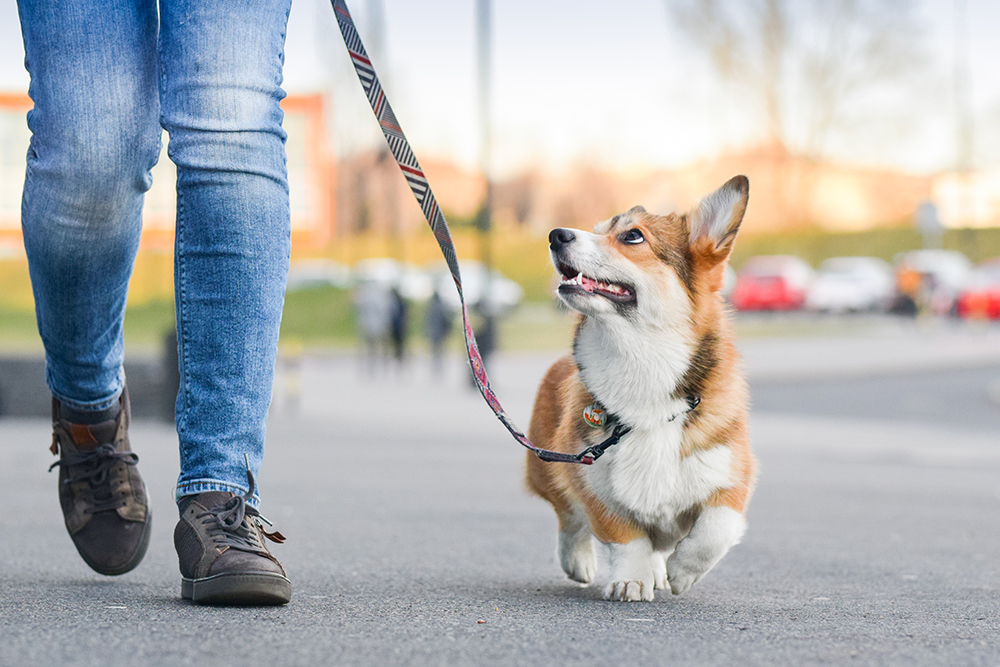
Make sure your dog is on a leash every time. When they’re such tiny puppies, it could be tempting to let them out to do their business without having to keep them leashed, and it might even help them find a spot and go to the potty when they don’t feel restricted. However, if you don’t start the habit early, they may be less comfortable using the bathroom on the leash later.
So, as much of a hassle as you think that it might be initially, it really pays off in the future. Remember to use a harness instead of a collar. Harnesses evenly distribute pressure across the body and can help reduce strain on the neck, especially for dogs that pull. A collar will be bound around the neck, causing tension and even increasing the risk of neck or airway injury if the dog pulls repeatedly.
3. Schedule Potty Breaks
Try to keep your dog on a timed schedule. Every dog will be different, so this part is unique. Some dogs can hold their pee for an hour or two, while others seem to be going every 5 minutes. When they are very small, it will just depend on the individual dog. Generally, a puppy needs to go outside every few hours, approximately equal to their age in months. So, a 5-month-old puppy needs to be taken out every 4-5 hours, as well as about 15-30 minutes after meals. But you can also look for cues that they have to go, such as sniffing around and squatting.
Once you get to know your puppy and their particular cues, you can start to create a routine based on the times they’ve used the bathroom. Many dogs give visual signals, so pinpointing a schedule shouldn’t be too hard. Granted, if it looks like your dog will go in between, rush them outside so they can piddle on the grass and not your carpet.
4. Reward Your Dog
Always be prepared with treats on hand when you are potty training. Your dog will be very young and food-motivated. If you do all things right, they will correlate their treats to going potty outside when the reward is given immediately after elimination. Since you have a Corgi, they’re already generally receptive to praise. So, they will be over the moon when they find out all they have to do is poop outside to get a treat.

Teaching Basic Commands
You want your Corgi to be a mannerly little lad or lass. Teaching them basic commands is a real must-do! Luckily, these pups are food-motivated and will gladly sit pretty for a tasty treat.
1. Keep It Simple
Don’t try to complicate any kind of command-based training. You will want to keep it simple and consistent. We highly suggest using a singular word, preferably one syllable. This repeating word will stick better if there isn’t a lot to remember. So, even though you can change it up a bit, use the standard commands like sit, stay, down, and so on. If you use strings of sentences or a lot of inflection, it can just confuse your dog. They are learning through association and consistency, so keeping it simple is the best way to go.
2. Use Positive Reinforcement
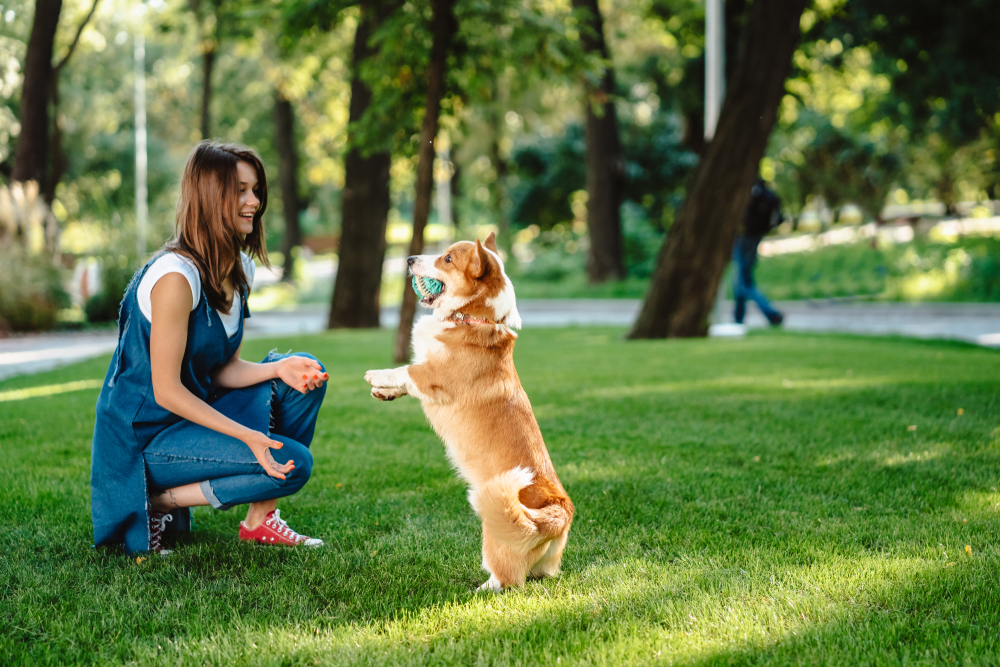
Corgis respond well to positive reinforcement. But they’re not alone! Most dogs do. Giving your dog treats initially isn’t a bad idea, but just remember not to overdo it. It is important to avoid overreliance on treats when you are command training. The reason is that you’re going to want your dog to listen to you in moments when you don’t have treats. For example, say that your dog slips out of their harness and you can’t catch them. If you command them, you’ll need them to listen to you at that moment, even if you don’t have a treat to flash around. It can be quite dangerous, so we encourage praise and gradually transition to intermittent rewards using treats sporadically to keep their interest in cooperating.
3. Motion With Your Hands
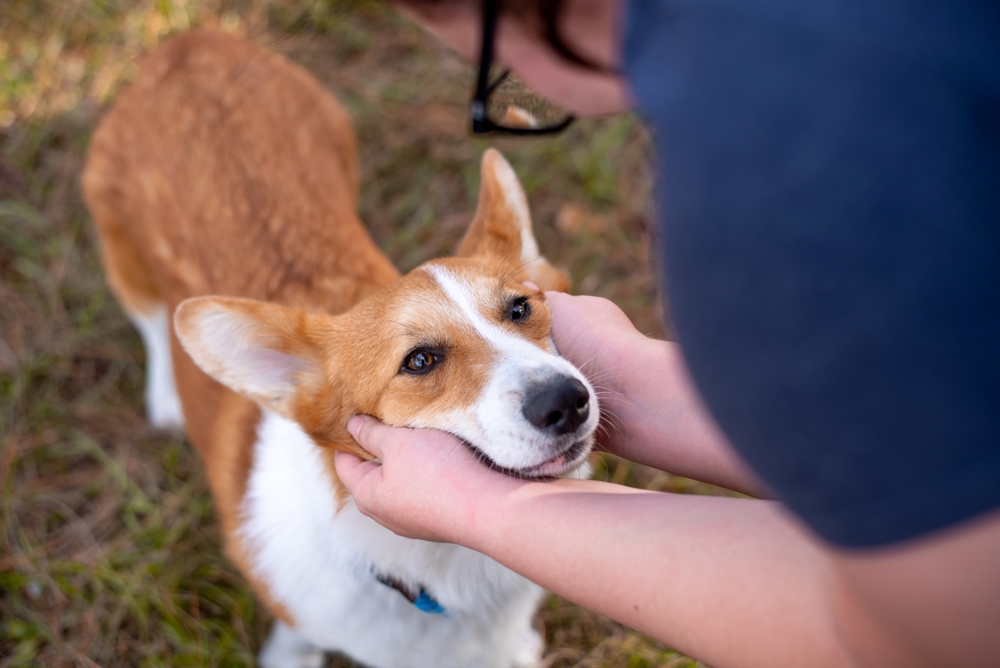
If you’re teaching your dog to sit, you will need to motion with your hands. For example, have a treat in your hand, say “Sit,” and lure their head upward and slightly back so their rear lowers naturally. Then reward them with the treat. Keep practicing until your dog does the command without you having to touch them, but make sure to reward them when they do.

4. Branch Off of Other Commands
Also called shaping, you can gradually teach your dog new tricks by branching off from those they’ve already learned. For example, if you’re trying to teach your dog to lie down, teach them to sit first. Then, you can gradually lead them to lie down with a few tweaks and guidance, such as having a treat in your hand and lowering it to the ground. Your dog should naturally follow.
5. Repeat and Refresh Often
It’s going to get repetitive. But the more you do it, the more your dog will learn through consistent repetition and reinforcement. So, remember to repeat, repeat, repeat. You also want to practice often, even after your dog has mastered the command, so they don’t forget their training.
Crate Training
When you have to leave your cute little Corgi, you can’t let them roam at their leisure—they will likely get into trouble (especially at first). Many puppies have trouble holding their pee for a long time, especially if they’re tiny like a Corgi. So, never put your puppy in the kennel and expect them not to use the bathroom for 8 hours while you’re at work. It’s simply not possible for young puppies. Try it like this.
1. Introduce the Crate
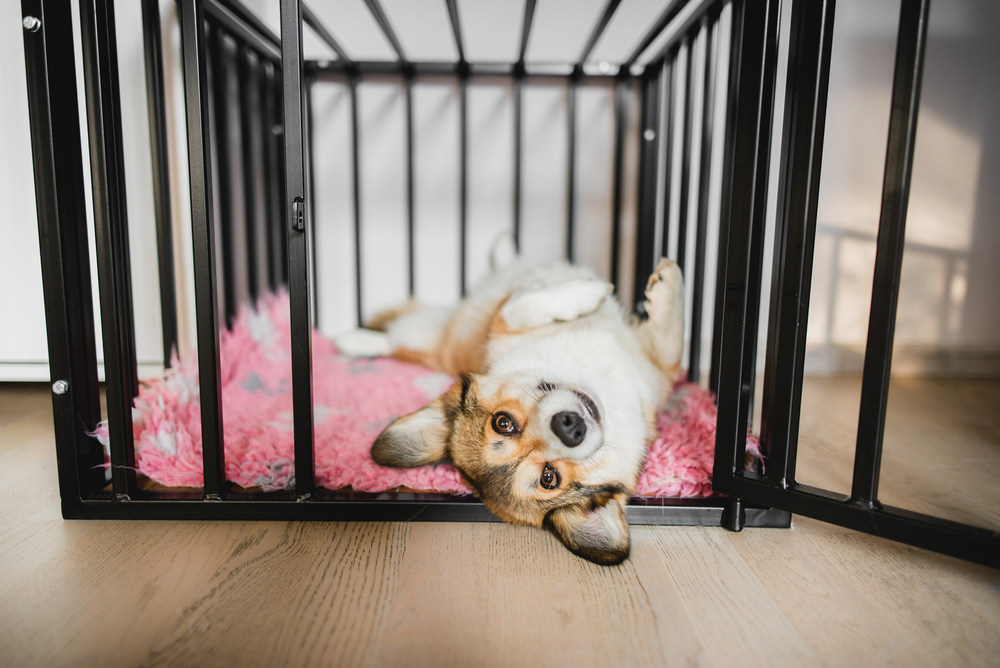
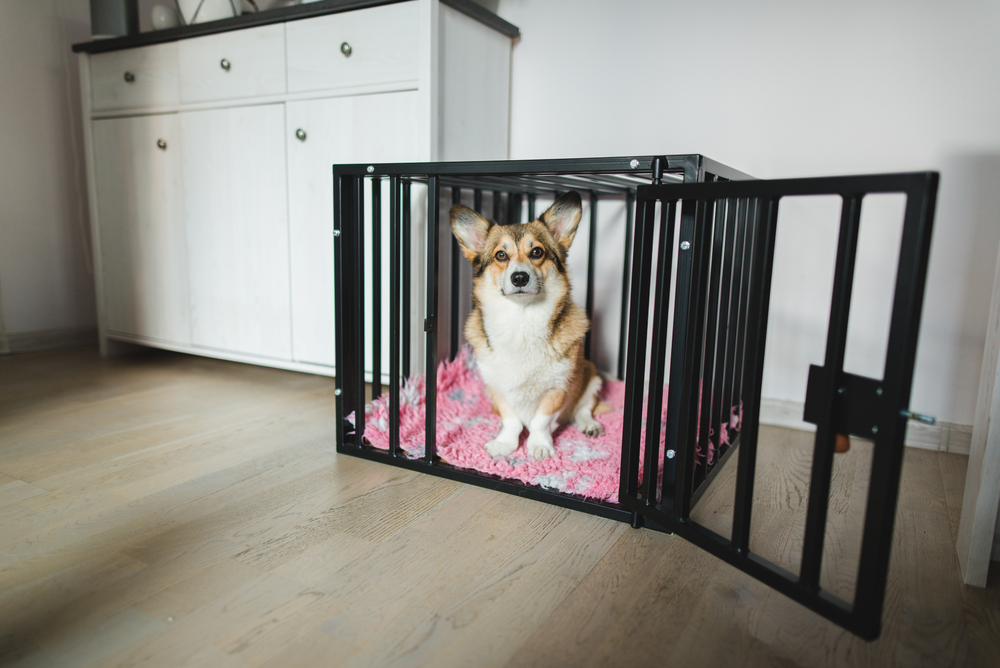
Let your puppy get acclimated to the crate. Put them inside, let them go in and out, let them sniff around, let them be curious, and let them explore. The quicker they get acclimated to the crate, the less anxiety it will generally cause. The crate should be large enough for your puppy to stand, turn around, and lie down comfortably, but not so large that they can eliminate in one area and rest in another.

2. Put Toys or Treats in the Crate
You can make the crate comfortable and familiar by adding a few toys or some yummy treats. This will encourage your puppy to go inside and learn to eat comfortably with the door open. After all, you don’t want this to be a place of punishment or to be associated with negative things.
3. Make the Crate Positive
When you are home, you should leave the door on the crate open at all times. Never use the crate as a place of punishment. If your dog associates being in the crate with punishment, they might develop fear or anxiety related to the crate, especially when they’re inside for longer periods.
4. Start Small
Start with less time and work your way up. You could try to put your dog in a kennel for 5 minutes while you get a quick shower. You could put them in for 15 minutes while you run down to the post office. You definitely have the opportunity to take small steps toward the ultimate goal. If your puppy is still potty training, it is important to limit time in the crate to durations appropriate for their age and bladder control to prevent accidents.
Training Corgi Adults
You might think about training an adult Corgi and cringe. Will they be receptive to training? What have they learned to do up to this point? Were they ever house-trained? Were they ever leash-trained? These are some things you will need to find out.
Essentially, you’ll follow the same basic principles of puppy training. However, there can be certain ways to change training, depending on the individual dog.

1. Potty Training
If the adult Corgi has been outside previously, they might already have gone to the bathroom outside numerous times. Since they’re already so used to it, it might not take much convincing to teach them to regularly go outside. They have already become accustomed to the feeling of grass and all the smells associated with it, and they most likely prefer it to carpet and other types of flooring.
Not every dog will be like this. After all, if they were, it would be a cakewalk for most people. But don’t think that you don’t have a slight advantage or upper hand when it comes to toilet training an adult Corgi. Just remember to stay patient, form a routine, and stick to it. Often, if a Corgi adult hasn’t been trained yet, they aren’t going to the bathroom numerous times a day like a puppy. So, you can quickly time it and take the dog out accordingly.

2. Command Training
If you think about this, your new adult Corgi will be getting used to all sorts of different things, including potentially learning a new name if they are a newcomer in your home. If they can learn all this stuff, they can absolutely learn how to sit. Some Corgis that have been adopted might already know how to perform a few basic commands. If not, it’s usually possible to teach them by following the previous steps. Plus, you may have the luxury of having a calmer dog with a longer attention span. So, in a way, you may have an advantage.
3. Crate Training
Crate training and adult dogs can go a few different ways. If they have been used to a crate before, it might not be a problem at all. However, it can be quite an adjustment for a dog that’s never been in a crate. That is especially true if you plan on being gone for hours at a time.
Some rescued adult dogs have likely already been through traumatic events, and being put in a crate for hours on end might make them super anxious. However, if you try to make it a positive experience by following the previous steps, along with having patience, you might have good luck with it.
Opting for Professional Training
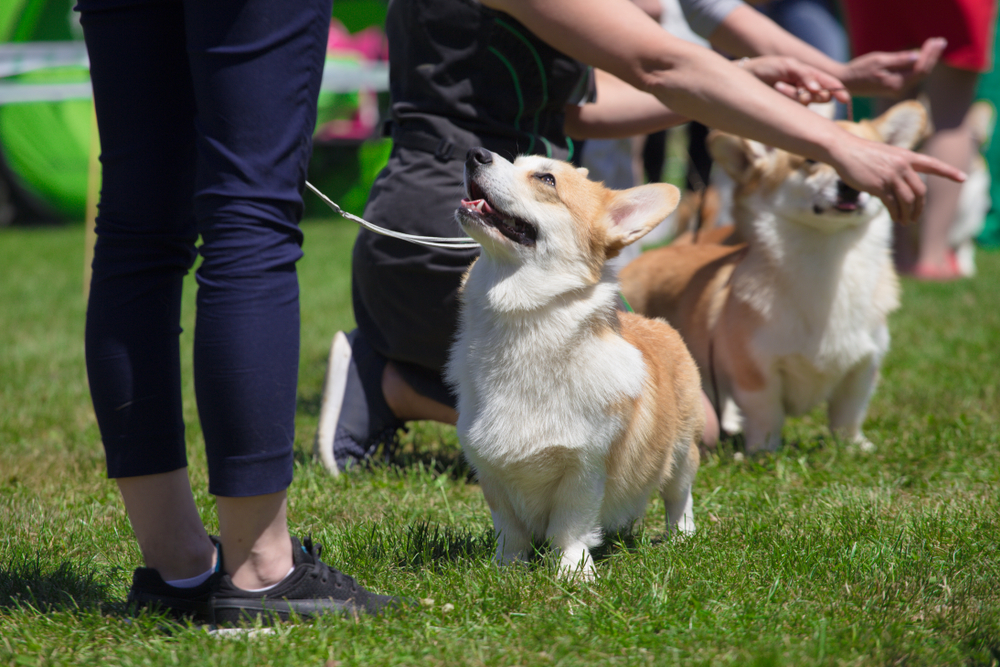
Sometimes, if you’re a novice or have an older Corgi, it might be best to opt for a professional trainer. You can speed up the training process by getting guided advice and demonstrations every step of the way. Plus, it can be a great bonding experience for you and your dog. While your pet learns the ropes, you learn how to command the action you want. Many human adults don’t know how to communicate clearly and consistently to guide behavior. Having a professional on hand can help you stay on task and use consistent, positive reinforcement techniques while building up that bond.
If you need to speak with a vet but can't get to one, head over to PangoVet. It's our online service where you can talk to a vet online and get the advice you need for your pet — all at an affordable price!

Things to Remember When Training a Corgi
If you choose to take on the challenge of training your Corgi, there are some things you want to keep in mind. There is no easy road to training, and no dog catches on overnight. It’s going to take consistency, patience, and trial and error to get it right. But soon, you’ll be through the training phase, and you’ll have a well-behaved pup in no time.
Foster Appropriate Exercise
It is important to give your dog the appropriate amount of exercise to help them retain training and support appropriate behavior. Dogs with pent-up energy tend to be a bit more exuberant and might even display some problem or destructive tendencies. A Corgi is an active breed, requiring around 45–60 minutes of exercise per day. Each Corgi will be different, though, and individual needs vary based on age, health, and fitness level. Pembrokes are often described as a little bit more active than their Cardigan counterparts.

Be Consistent
Consistency is important with dogs. It is far better for you to be the same with them day in and day out than to expose them to a number of changes that can disrupt the routine. Disruptions can make it a lot harder to keep your dog on track and can even contribute to regressions during training.
Give Positive Reinforcement
You have to reward your dog for a job well done. It is important to give positive reinforcement immediately after the desired behavior so they will continue. You can give positive reinforcement in the form of praise or treats! If you are using treats for a training tactic, decide exactly how frequently you’re going to treat them. At first, you might do it a lot. Eventually, you should taper to intermittent rewards so they don’t rely solely on food or expect a reward every time. Don’t undermine the power of giving your dog verbal praise and affection as a means of positive reinforcement.
Frequently Asked Questions
Here are a few questions that you might have about owning or training a Corgi specifically. We hope that we answer all your questions in this article, but if not, feel free to speak to a veterinarian or training professional.
At What Age Do Corgi Puppies Calm Down?
Corgi puppies tend to get a little calmer between 1 and 2 years of age. At this point, their bodies are fully developed, and so are their brains. Corgi females might mature a little bit quicker than their male counterparts, but for some individuals, that might not be the case.
Are Corgis Easy to Socialize?
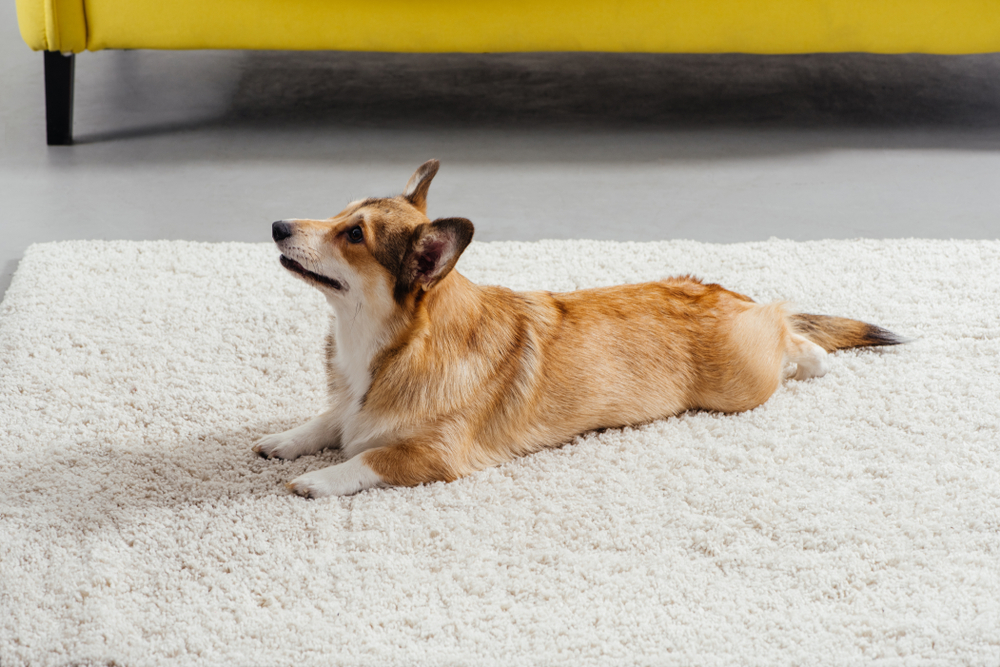
Corgis are curious, fun-loving little dogs that can be generally easy to socialize with through early and consistent positive experiences. They often interact well with other dogs. However, they love to chase things by nature and may love nothing more than terrorizing the family cat or neighborhood squirrels.
Are Corgis Good Candidates for Dog Parks?
Corgis can be good candidates for dog park visits depending on their temperament, training, and comfort around unfamiliar dogs. These chipper little dogs will just be excited to find new playmates to romp around with. So, you can take them just about anywhere to explore new territory. If you continually go to the same dog park, your Corgi will likely make friends and get excited every time you meet up with them. Who knows? You might also make a friend or two. Dogs have a way of bringing people together!
Are Corgis Sensitive to Exercise?
Corgis require a decent amount of exercise. However, due to their body shape, they can be somewhat sensitive to certain types of exercise. They are long-bodied and short-legged, which puts extra strain on their spine. For this reason, they might be a bit more sensitive to jumping and doing other movements that strain that sensitive part of their body, and may be at increased risk for intervertebral disc disease (IVDD). As a Corgi owner, you should simply be mindful about what you do and do not let your dog do. Make things easily accessible to them, even if it means creating a makeshift staircase, or ramp, or buying one from an online site or in-store.
Can Corgis Learn to Be Service Dogs?
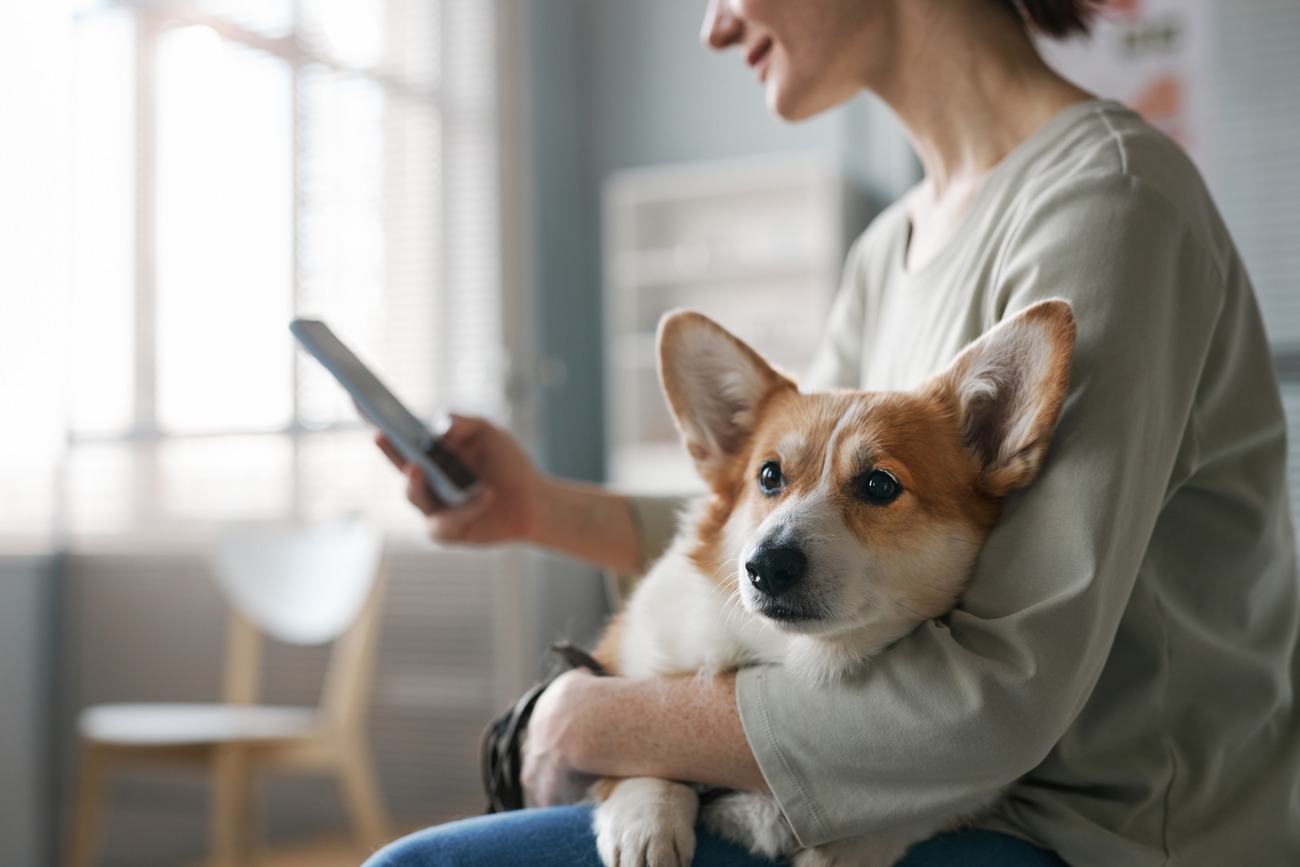
Due to the Corgi’s friendly and intelligent nature, they can be candidates for service dogs in certain roles. They can be trainable and may be patient enough to undergo extensive training. Plus, Corgis tend to be alert and confident. This will be especially helpful if the handler is particularly vulnerable.
Are Corgis Good Emotional Support Pets?
Corgis can make good emotional support pets because they are highly intuitive, affectionate, and compact. They tend to be lively but not overwhelming dogs. They have a strong eagerness to please despite their somewhat stubborn nature, which makes them potentially a good match for close companionship with their owners.
Corgis tend to be good with children and strangers. They also may get along with most other pets with proper socialization. So, they match a lot of the criteria for what you would want in an emotional support animal. Keep in mind that emotional support animals do not require any specialized training or certification. You simply obtain documentation from a licensed healthcare professional to keep your pet as an emotional support animal for health reasons.

Conclusion
Now you have all the basics on how to train a Corgi regardless of their age. The old saying is not true: You can absolutely teach an old dog new tricks! You just have to have a little more perseverance and patience. In any case, though, it’s not always easy to train a dog. So, don’t get disheartened, and remember to have patience. You know what they say: This, too, shall pass!
See also:
- 11 Essential Corgi Supplies to Get You Started: Vet-Reviewed Guide
- Why Does My Corgi Sleep on Their Back? 3 Likely Reasons
Featured Image Credit: Jus_Ol, Shutterstock