Can I Put Socks on My Dog to Stop Scratching? Vet Approved Facts & Tips



In this article
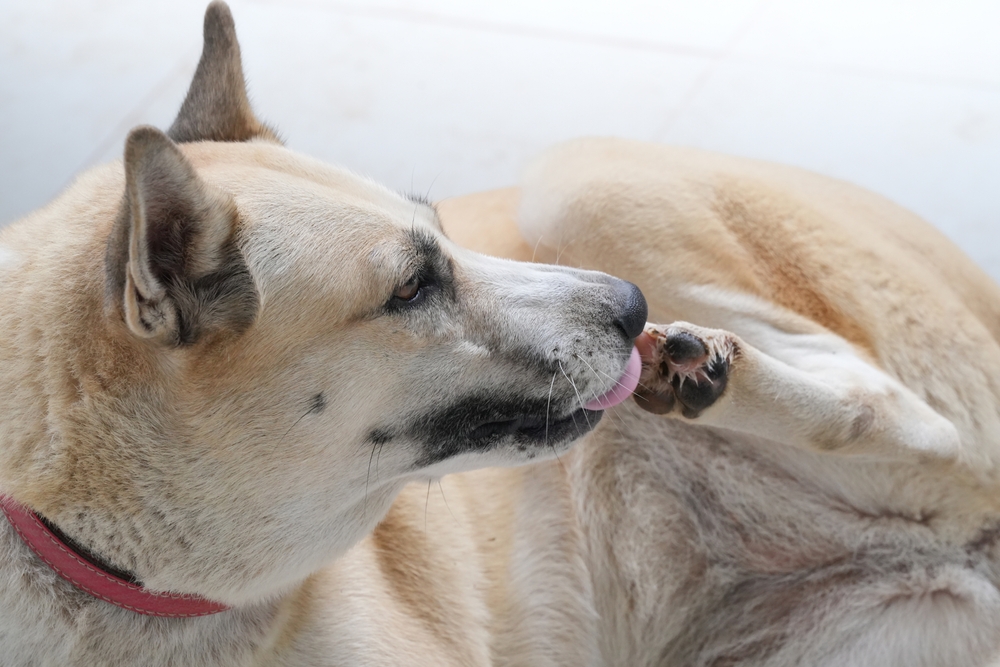
Dogs scratch themselves for multiple reasons, whether medical or behavioral or just the odd itch. Occasional scratching is normal but if your dog is obsessively digging at their skin, they could cause a lot of damage. One possible remedy is putting socks on your dog to stop scratching, but it is a temporary solution.
In this article, we’ll discuss why you can put socks on your dog to stop scratching, how to do it safely, and why you shouldn’t rely on this method long-term. We’ll also cover common reasons your dog might be scratching and what to do about it.

Using Socks on Your Dog to Stop Scratching
Socks can be useful to prevent chewing or licking the paws and to soften the impact of scratching on the skin. Covering the claws with socks can cushion the impact and prevent further skin damage for dogs who constantly use their claws to scratch their bellies or other areas.
Placing socks on your dog’s paws also prevents access if your pet frequently licks or chews at their feet. Socks generally won’t stay on by themselves, so you’ll also need skin-safe bandage tape. You can tape the socks in place, but make sure they’re not too tight.
Monitor your dog’s feet frequently to ensure they aren’t getting cold or swollen. Never let the socks get wet while your dog is wearing them, and change them right away if they do. Although socks can be helpful, they don’t stop the itching.

What Are Some Other Methods to Stop Your Dog from Scratching?
In addition to putting socks on your dog, here are other methods to stop your dog from scratching.
E-Collar
The classic “cone of shame” prevents dogs from scratching their ears, faces, or eyes. It can also prevent your dog from chewing or licking other itchy spots on their body.
Your vet may suggest your dog wear an E-collar during treatment for various skin conditions.

Pants
If your dog is scratching or chewing at their hind legs, you can try placing a pair of kids' sweatpants or other drawstring pants on them. You’ll need to make a hole for their tail to poke through.
This method is trickier than most because you’ll need to take the pants off for your dog to poop or pee.
T-Shirt
If your dog is scratching or chewing somewhere on their chest, back, or abdomen, you can try placing a T-shirt or baby onesie on them to cover the area.
You may need to tie the T-shirt in a knot that sits on your dog’s back to keep it in place. You’ll usually still need to monitor your dog or use other methods to prevent scratching.


Why Is My Dog Scratching?
As we mentioned, socks and other methods to stop scratching are usually temporary help at best. Long-term, you need to find out why your dog is itchy and deal with the problem at the source. Generally, dogs scratch for either medical or behavioral reasons.
Behavioral Causes for Scratching
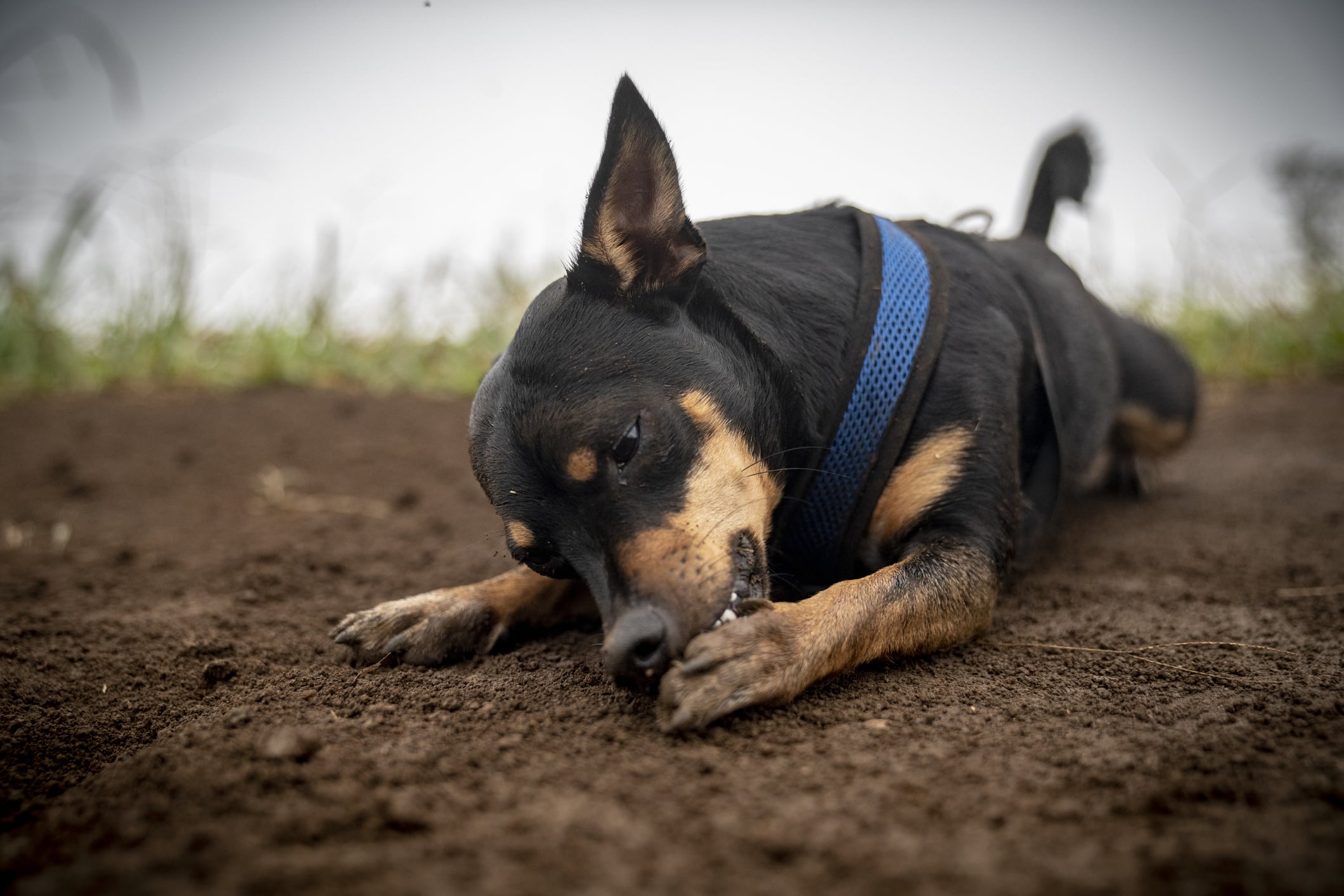
Dogs can develop compulsive scratching, licking, or chewing behaviors due to stress, anxiety, or boredom. You’ll need to rule out the medical causes for these actions before dealing with the behavioral reasons.
Your vet can prescribe medications to treat your dog’s anxiety. Bored dogs may need more exercise, attention, and positive outlets for their energy. You can also ensure your pup has chew toys and other objects to gnaw on instead of their skin.

Medical Causes for Scratching
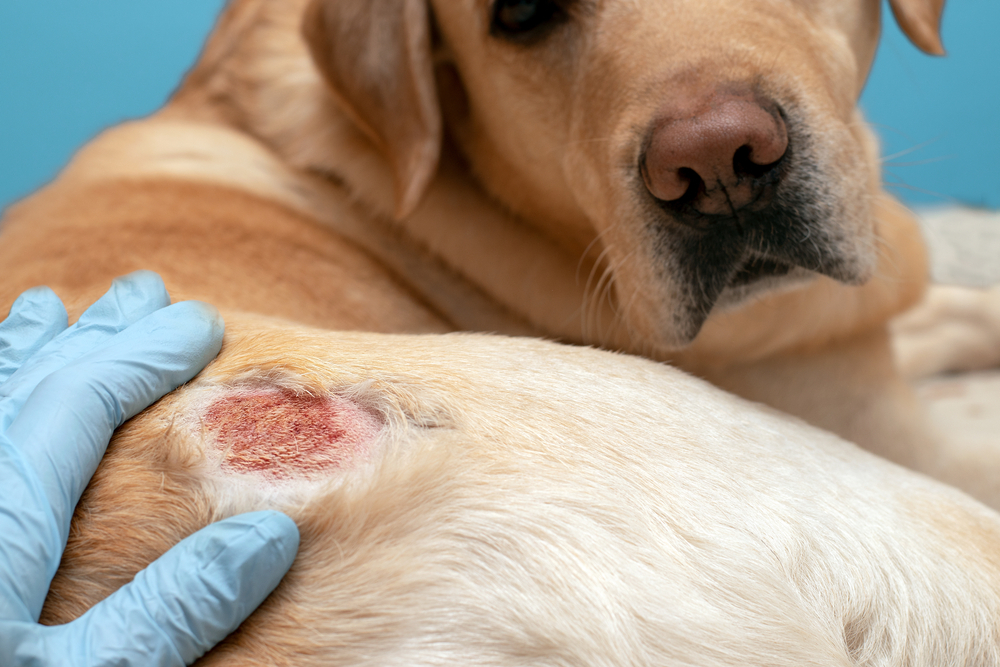
Here are some of the most common medical causes for your dog scratching:
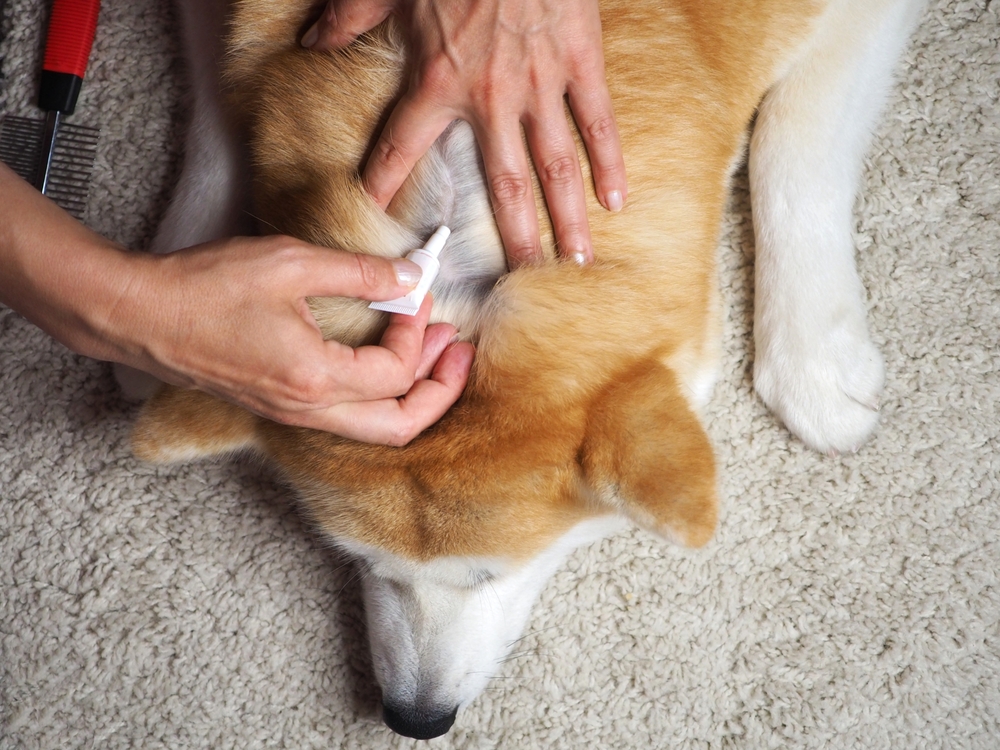
Diagnosing the exact cause of itching can be complicated. Your vet may use diagnostic tools such as flea combing, skin scraping, skin cytology, allergy testing, or even a food trial with a hypoallergenic diet.
Some causes of itchy skin are easily resolved with short-term treatment, while others may require lifelong care.

Conclusion
Putting socks on your dog can be a quick, inexpensive solution to stop them from scratching. It can also protect your pet’s paws if they lick and chew them frequently.
However, socks and other anti-scratch remedies should only be viewed as temporary solutions while you get a full picture of what's going on and diagnose and treat the underlying cause of the itching. You should make an appointment with your veterinarian to find out why your dog can’t stop scratching.
See Also:
Sources
Featured Image Credit: Tracy Hirai, Shutterstock
Expert dog care, straight to your inbox
Vet-reviewed advice, training tips, and the best of Dogster. Free, and you can unsubscribe anytime.
By signing up, you agree to our Terms & Conditions and Privacy & Cookies Policy.
Elizabeth Gray is a lifelong lover of all animals great and small. She got her first cat at 5 years old and at 14, she started working for her local veterinarian. Elizabeth spent more than 20 years working as a veterinary nurse before stepping away to become a stay-at-home parent to her daughter. Now, she is excited to share her hard-earned knowledge (literally--she has scars) with the readers. Elizabeth lives in Iowa with her family, including her two furry kids, Linnard, a husky mix and Algernon, the worldʻs most patient cat. When not writing, she enjoys reading, watching all sports but especially soccer, and spending time outdoors with her family.
Join the conversation
Ask a question, share your story, or send private feedback.