In this article
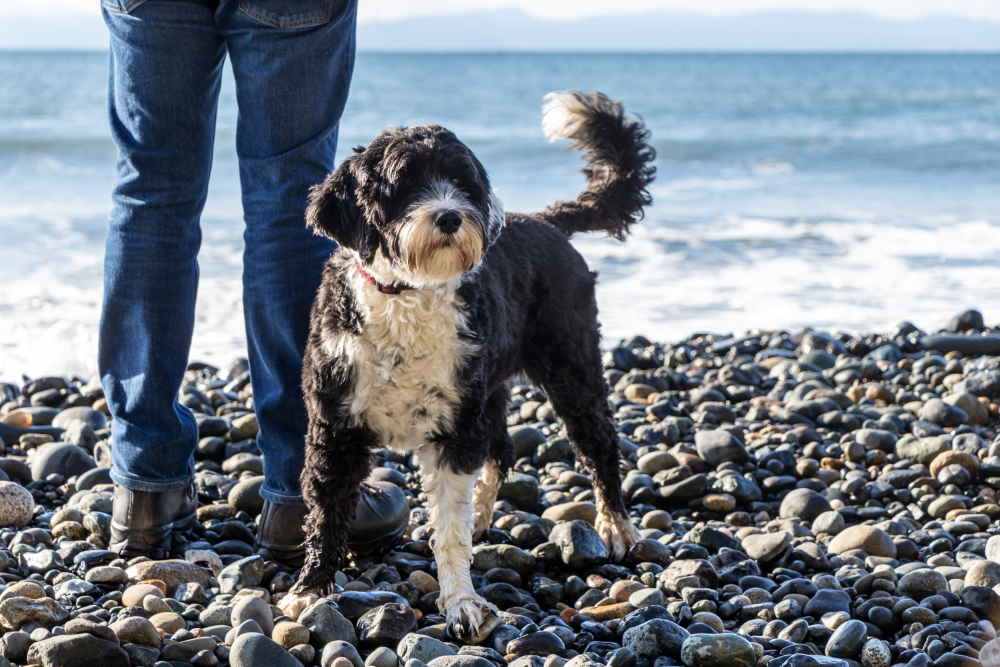
It shouldn’t come as any surprise that pet owners would want to take their dogs with them to the beach. After all, 95% of people consider them family members. Why wouldn’t they invite their pups on a trip to the water? However, planning for this endeavor is essential because, while many places are pet-friendly, certain rules apply, especially when it comes to beaches.
For example, some hotels have size limits on dogs. They may also charge a fee that may or may not be refundable. The same advice applies to any places you want to visit, including restaurants and cultural sites.
So, if you’re hoping to take your pooch out for a day in the sun and sand, keep reading, as we will provide several tips to make the day as smooth and fun as possible.

The 12 Tips for Taking a Beach Vacation With Your Dog
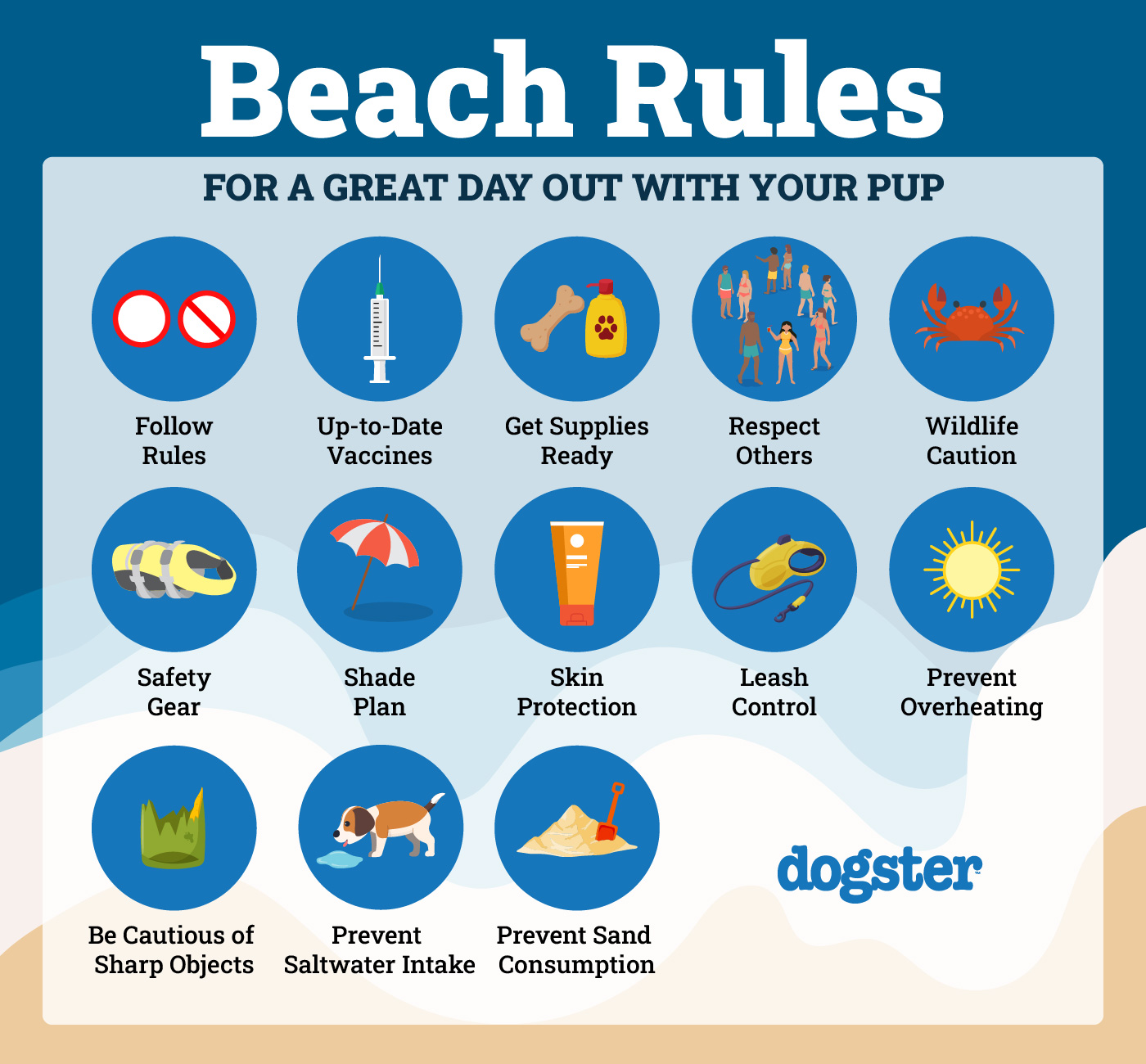
1. Check the Beach Rules Before You Go
We strongly urge you to check the rules of the beach you plan to visit well before you actually take your trip. Some places may not allow pets at all, or they may also have restrictions on off-leash dogs. Others require proof of a current rabies vaccination.
If you’re going to a county or state park, you should check its website for current conditions. Find out if any areas are closed or if algal blooms are present. It’ll save you a lot of hassle and keep you from wasting any time.
2. Get Your Dog a Life Vest
No matter how well your pet swims, we recommend getting a life vest for them. Look for a product in a bright color with an easy-to-grab handle on top. That’ll make it simple to spot your dog and easy to pull them in if they get into a risky situation.
However, be sure to get your pet used to wearing the vest before going to the beach. Treats will make this task a piece of cake so that you can concentrate on being in the water!
3. Learn How to Perform Canine CPR
We recommend learning how to perform canine CPR. We hope you never have to use your skill, but it can give you peace of mind knowing you can help your pup if needed. The American Red Cross offers classes to teach pet owners how to do it and other first aid procedures.
Remember that your dog may get caught up in the excitement and expend more energy than usual or get into some other sort of mischief, but it’s a good idea to have this knowledge even if you aren’t going to the beach.

4. Check the Forecast
You should check the forecast before heading to the beach. If the weather is uncomfortable for you, it’ll be the same for your pup. It can also affect your packing list in order to handle the conditions. It’s not just about the temperature or whether it’s going to storm, either.
Make sure you check on other concerns, like rip currents, high winds, and white caps, all of which can make swimming especially dangerous.
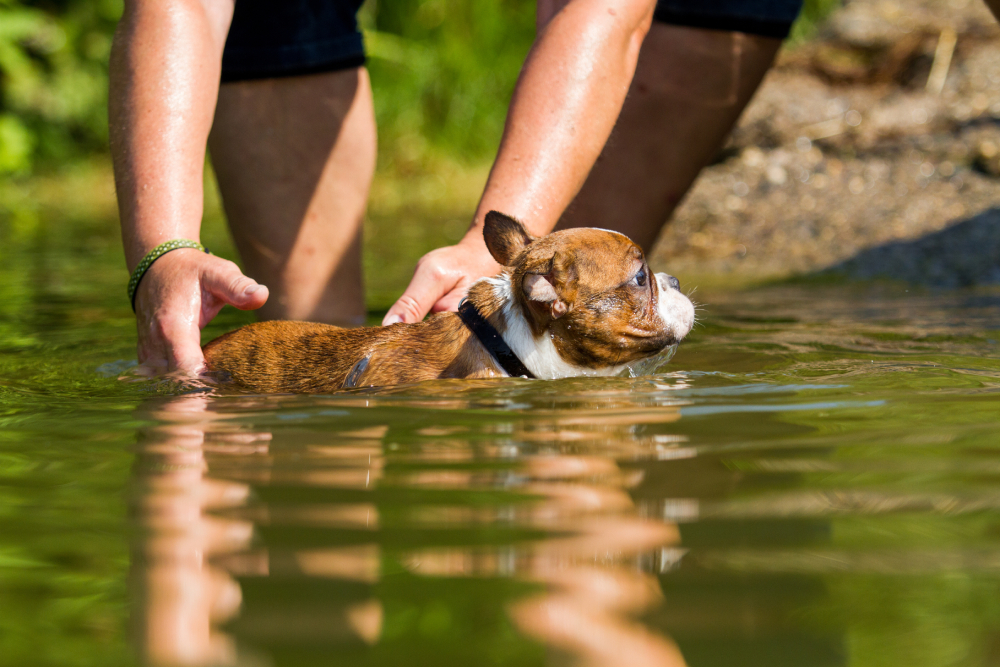
5. Teach Your Dog to Swim
A beach vacation should center on having fun. After all, you’ll want to pack the most amount of fun in the time you have. Teaching your dog to swim before your big trip will keep the focus there. Some pets take to the water immediately; others might be reluctant to get their feet wet.
Note that we don’t recommend taking brachycephalic breeds into the water. Dachshunds may also have trouble swimming.
6. Pack a Doggie Beach Bag
We suggest packing a beach bag exclusively for your pooch. Include things you’ll undoubtedly need, like your pup’s leash, but don’t forget a big, fluffy beach towel for drying off and a first aid kit, just in case. You should also have a copy of your pet’s medical records on hand.
Make sure to add some fun toys or a frisbee to get the most out of your outing, along with plenty of fresh water, dog food, treats, and dog booties to protect their paws if the sand is too hot.
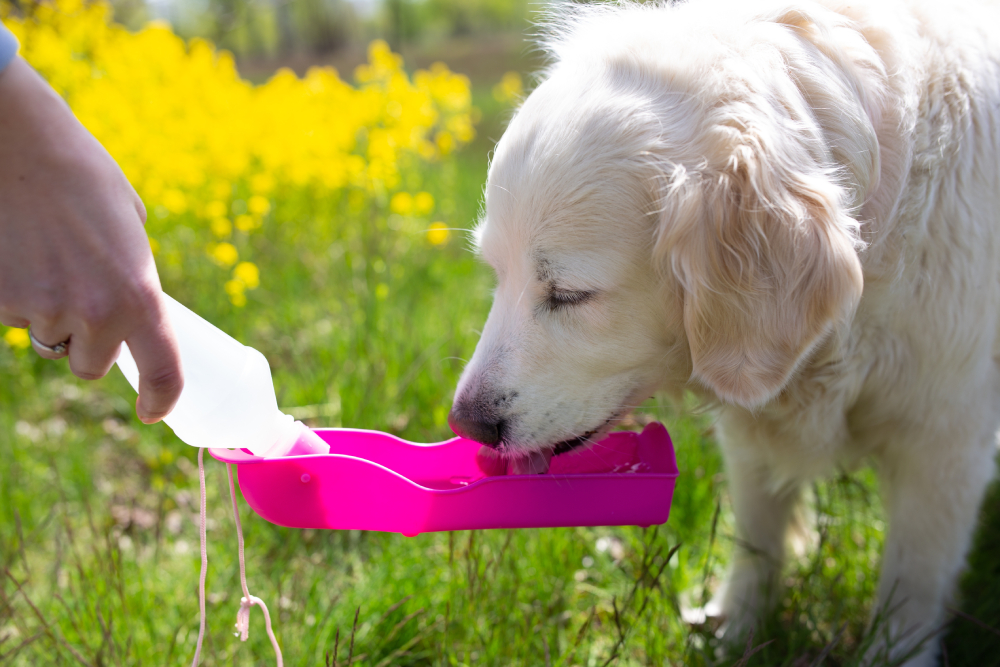
7. Bring Lots of Fresh, Clean Water
Your dog might drink the lake/ocean water if you don’t keep your pet hydrated, and that water may contain several nasties your dog shouldn’t ingest. The excitement will likely ramp up the energy and quickly tire your pooch, but cold water will help prevent your dog from overheating.
We suggest occasionally getting your dog to take breaks, relax, and rehydrate before going to play in the sun and water again.
8. Bring an Umbrella or Cabana, Along With Some Booties
We’ve all walked on hot sand and know how painful it can be. Now imagine your pup with four unprotected paws on it. We recommend bringing an umbrella or cabana with you to occasionally get everyone out of the sun, or you can pack some dog booties to spare their tender feet from the heat.
9. Ease Into the Water Slowly
Ease your dog into the water slowly. Let your pet get their sea legs with the waves and action. The temperature may also take some getting used to at first. The goal is to make this experience positive, especially if it’s your pet’s first time at the beach. Let your dog explore on their terms and comfort level while under your constant supervision.

10. Supervise Playtime
Make sure someone is always keeping an eye on your dog during playtime. Accidents can happen in an instant. Pay attention to any signs that your pup is getting tired. It’s worth noting many beaches and parks may require supervision, so don’t push your luck and risk a ticket or fine.
Plus, your dog’s safety in general is of the utmost importance.
11. Work Some Breaks Into Your Day
Dogs aren’t too different from children. You have to remind them to take breaks or a nap. Otherwise, they’ll keep going until they drop—literally! If they’ve been running around or swimming for a while, it’s probably a good time to take a break for potty time, snacks, water, and a quick snooze in the shade.

12. Find Nearby Vets and Emergency Clinics
We’re all about being cautious and prepared for anything, so we recommend looking up the contact info for nearby vets and emergency clinics by the beach. Sometimes, minutes can make a significant difference in the outcome of your dog’s health when they’re in a potentially dangerous situation.

Conclusion
Going to the beach is an excellent way to work exercise and mental stimulation into your vacation. Of course, bringing your dog along is the best part. Planning ahead ensures you’re prepared for whatever your travels may bring. And when you have plenty of precautions in place, everyone is sure to have a good time while minimizing the risk of dangerous situations.
Featured Image Credit: Lynda McFaul, Shutterstock