In this article
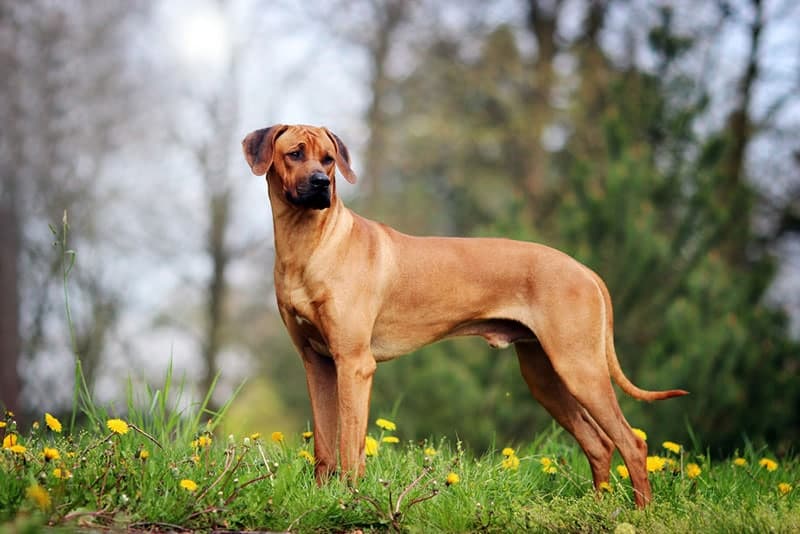
View 8 More +Known for a distinctive stripe of reversing hair on their backs, the Rhodesian Ridgeback is a well-known large dog breed that was bred to hunt lions and other African big game. These dogs were created in southern Africa by combining the guardian dogs of the Khoikhoi and European breeds, leading to characteristics of sighthounds, scent hounds, and mastiffs.
Rhodesian Ridgebacks are regal, powerful, and athletic dogs that work well as hunting and guard dogs, but they can be surprisingly affectionate with their family members. However, Ridgebacks have unique lifestyle needs that must be met to avoid problem behaviors. Here’s everything you need to know about bringing home a Rhodesian Ridgeback.
Breed Overview
Height:
24–27 inches
Weight:
70–85 pounds
Lifespan:
10–12 years
Colors:
Light wheaten, red wheaten, wheaten, light wheaten with black nose, light wheaten with brown nose, red wheaten with black nose, red wheaten with brown nose, wheaten with black nose, wheaten with brown nose
Suitable for:
Experienced owners, active owners
Temperament:
Faithful, independent, strong-willed, affectionate, reserved
Rhodesian Ridgeback Origin & History
The Rhodesian Ridgeback originated in southern Africa from the native ridged Khoikhoi dog and the European breeds brought by colonists, including Terriers and Greyhounds, in the 17th century. Combining the native Khoi breed with European breeds gave the Ridgeback resilience against formidable native beasts, such as the tsetse fly, and the ability to work in the challenging African environment. These dogs were originally known as African Lion Hounds.
The first official breeding of the Rhodesian Ridgeback came hundreds of years later. Cornelius van Rooyen, a Rhodesian big-game hunter in the 19th century, included two female Greyhound-like dogs into his pack of lion dogs, leading to a litter of brave dogs that were brave in the face of lions and other dangerous African wildlife, worked well alongside horses, and had the speed and agility to course game like antelope.
The Rhodesian Ridgeback didn’t have a breed standard until 1922, when big-game hunting was losing popularity in Africa. The dogs that fit the Rhodesian Ridgeback description were diverse, ranging from small and stocky to tall and lean. Eventually, the standards of the Dalmatian were used to create the ideal Ridgeback breed standards. The signature of the breed, which provides the name, is the right of forward-growing hair on their back.
Rhodesian Ridgeback Characteristics
Rhodesian Ridgeback Puppies

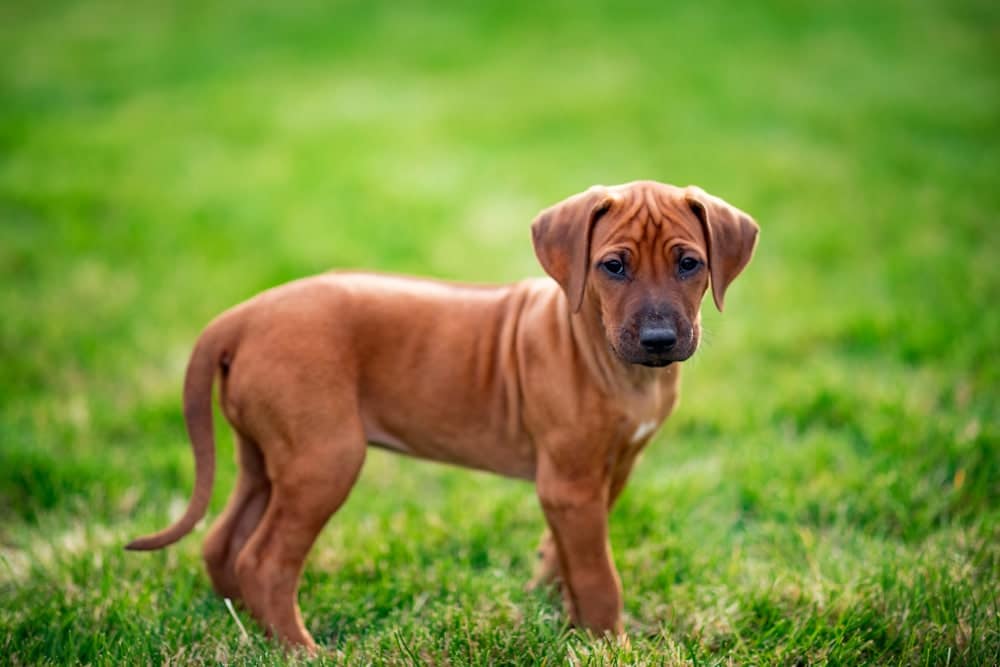
Rhodesian Ridgebacks are still a relatively rare breed in the US. Only about 2,000 puppies are registered each year, compared to over 50,000 for more common breeds like the Labrador Retriever. There are reputable registered breeds who are members of the Rhodesian Ridgeback Club of the US and seek to produce only the best puppies in health, looks, and temperament.
If you want a Ridgeback puppy, it’s best to work with a registered breeder who is furthering the positive development of the breed. This includes health testing to ensure that the parents are fit to breed and won’t be passing on inheritable health conditions, behavioral issues, and defects.
If you prefer to rescue, Ridgebacks may show up in an animal shelter or rescue. There are dedicated Rhodesian Ridgeback rescues as well. While rare, Ridgebacks may end up being surrendered to shelters because owners were unprepared for the dog’s energy needs or training requirements.

Temperament & Intelligence of the Rhodesian Ridgeback 🧠
Rhodesian Ridgebacks were bred to be loyal and intelligent to work alongside big-game hunters. They can be reserved with strangers but often show unmatched affection with their families. These dogs are typically well-mannered and rarely show unprovoked aggression, but they require firm, consistent training using positive methods and proper socialization to thrive. They are not a breed for inexperienced owners, casual owners, or families with young children and small animals.

Are These Dogs Good for Families? 🏡
Rhodesian Ridgebacks are even-tempered dogs that show affection and playfulness with family, but they’re not a good choice for families with young children. These dogs have a high prey drive and don’t tolerate any harsh treatment, so they shouldn’t be exposed to well-meaning but often rough children. It’s best for these dogs to be in a home with older children or no children, not only for their well-being but to ensure that their need for exercise and stimulation is met.
Does This Breed Get Along With Other Pets? 🐶 😽
Ridgebacks can get along with other dogs, but they can be selective. These dogs were bred to hunt ferocious African big game and defend camps from threats, so they can be a little suspicious of new dogs. They also have a high prey drive and may chase smaller dogs and cats. Ridgebacks should never be allowed to interact with small pets like birds, rodents, or reptiles.

Things to Know When Owning a Rhodesian Ridgeback:
Rhodesian Ridgebacks can be a great dog for the right owner, but it’s crucial that you’re prepared to meet their lifestyle needs.
Food & Diet Requirements 🦴
Rhodesian Ridgebacks need a high-quality commercial diet that’s appropriate for their age and life stage. Dogs that are working or competing may need a food formula that supports an active lifestyle. Ridgebacks are known to be “counter surfers,” so don’t leave human food unattended. It’s important that the Ridgeback doesn’t become overweight, which can contribute to health problems like heart disease, arthritis, and cancer.

Exercise 🐕
Rhodesian Ridgebacks are strong, athletic dogs that are used to long work days in harsh environments. They’re highly adaptable, but you need to devote daily time to long exercise sessions and playtime. These dogs love to run and benefit from homes with a lot of land or a fenced-in yard. If you want a canine competitor, Ridgebacks excel in tracking and agility.
Training 🎾
Ridgebacks are intelligent dogs that can be trained, but they have an independent and stubborn streak that requires a firm but fair hand. They should be socialized as early as possible and trained using consistent positive reinforcement methods. As expected, Rhodesian Ridgebacks have an extremely high prey drive that can lead them to chase any small animal that attracts their attention. These dogs are not off-leash reliable and should always be on a lead or within an enclosed area.
Grooming ✂️
Rhodesian Ridgebacks shed a good amount, but they only need weekly brushing to remove loose hair and keep their skin and coat in good condition. They will need occasional baths, especially if they spend a lot of time outdoors. Ridgebacks should have their nails trimmed regularly to avoid pain and injuries.

Health and Conditions 🏥
Ridgebacks are prone to a few genetic health conditions, such as hip dysplasia and dermoid sinus, a painful and recurrent skin condition. They’re also prone to thyroid conditions and degenerative myelopathy, a neurological disease of the spinal cord that can lead to paralysis.
- Parasites
- Thyroid conditions
- Arthritis
- Dermoid sinus
- Hip dysplasia
- Degenerative myelopathy
- Bloat
Male vs Female
Male and female Rhodesian Ridgebacks are similar in looks and personality. Males may be a little larger, but otherwise, it depends on your personal preference. Whichever sex you prefer, make sure to spay or neuter your dog. This not only reduces the risk of problem behaviors related to hormones, such as roaming but can prevent or minimize the risk of conditions of the reproductive organs.
3 Little-Known Facts About the Rhodesian Ridgeback
1. Ridgebacks Are Named for Their Unique Ridge.
Ridgebacks have had different looks over the years due to their mixed lineage, but the distinguishing ridge of hair that gives them their name has been consistent. The ridge of hair runs along the back in the opposite direction from the rest of the coat, including a fan-like area formed by two whorls of hair. This feature is believed to have been part of the native African dog population that contributed to the breed.
2. Newborn Ridgebacks Used to Be Culled.
It was common for Ridgeback puppies to be culled (killed) at birth for defects like lacking the ridge. Modern breeders no longer use this practice; instead, they choose to sterilize these puppies to ensure that they can’t pass on defective genes but can still be loved as pets. However, some breed registries required the culling of ridgeless pups until publicity surrounding the practice encouraged them to change their code of ethics.
3. Rhodesian Ridgebacks Aren’t the Only Ridgebacks.
Some other dog breeds have a reverse line of hair on their spine, like the Rhodesian Ridgeback, including the Thai Ridgeback and Phu Quoc Ridgeback Dog. It’s possible that these dogs share a historic genetic relationship, but it’s never been established.

Final Thoughts
Loyal, dignified, and unique, the Rhodesian Ridgeback is an all-purpose dog that was famous for their ability to track and hunt lions in their native Africa. Modern Ridgebacks are kept as both working dogs and pets, but they need a dedicated, experienced owner who can manage their domineering qualities and give them the mental and physical stimulation they need to stay happy and healthy.
Featured Image Credit: SubertT, Shutterstock