How to Stop a Dog From Chewing: 8 Vet-Approved Tips


In this article
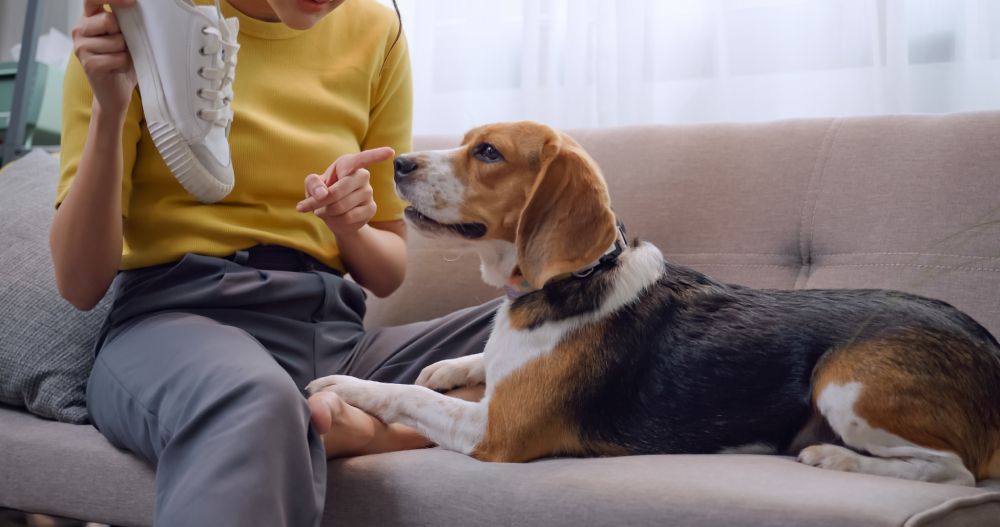
View 2 More +No matter how natural it is for dogs to chew, it is one habit that dog owners will never learn to tolerate when it occurs in the wrong places. We love our pets, but the swath of destruction they cut with their gnawing behavior can put a serious damper on our day.
If you’re tired of shredded shoes, ripped recliners, and torn-up T-shirts, check out these eight tips and tricks to stop your dog from chewing inappropriate items once and for all!

The 8 Tips on How to Stop a Dog From Chewing
Chewing can be frustrating, but it isn’t always a problem you must eliminate. Puppies regularly chew to manage teething pain until their adult set emerges at around 6–7 months.
As adults, chewing is essential for mental stimulation and dental health, keeping the dog's jaws, gums, and teeth strong. Studies even suggest frequent chewing can improve working memory in dogs with high levels of fearfulness.1
Problems arise when dogs chew excessively and direct their mandibles toward the wrong items, like your favorite tennis shoes. In these instances, you must manage what they can sink their teeth into and address the underlying reason for their urge to chew.
1. Test Out Various Chews
Chewing is an essential stress-relieving and rewarding activity for dogs of all ages, so you should encourage your dog to direct it toward desirable materials. You have countless options, from edible chews to inedible rubber toys, each with distinct advantages and drawbacks for different chewing styles.
You can experiment with various toys and chews to find those that capture your dog’s attention and draw them away from other objects. Their preference can also change over time. Monitor your dog’s interest, and test out new items if they aren’t getting as excited about their favorite toy.
2. Pay Attention to Your Dog’s Chewing Habits
Some situations may ignite your dog’s chewing habits. Paying attention to patterns in their behavior can help you discover why your dog chews and anticipate when they’ll start doing it. You can then plan to remove stressful stimuli and present more agreeable chews when the time comes.
For example, if your dog chews the door frame out of frustration because they want to chase the neighbor’s cat, you can close the blinds to keep your dog from noticing them. If your dog chews to cope with the stress of guests, you can set them up with chew toys in a safe area away from everyone.
Understand your pet’s habits and dissuade unwanted chewing in a positive, accommodating way.

3. Don’t Correct When Your Dog Chews a Forbidden Object
Chewing is sometimes a stress-related behavior in dogs. You don’t want to exacerbate their anxiety by punishing them for what comes naturally. Plus, if you catch your dog chewing on something you don’t like, it’s because you allowed it, making it unfair to treat them harshly.
Don’t scold your dog when they start chewing on something inappropriate. Swap it with an allowable chew. Praise and reward them when they take the toy, reinforcing that it is the better choice.
If you're concerned about your dogs behavior, we suggest speaking to a vet
4. Keep Undesirable Chewables Away From Your Dog
Until you can trust your dog to only chew appropriate items, you must manage their environment to reduce inappropriate chewing opportunities. For instance, you should lock up anything you don’t want your dog to chew.
Keep their space clean and free of shoes, books, remotes, clothes, and anything they like to put in their mouth. Set up strategic dog gates to keep certain areas off-limits, and put small items in drawers or on unreachable shelves to keep your dog from practicing the behavior.

5. Provide Exercise and Enrichment to Avoid Boredom
Dogs who have few opportunities to entertain themselves may resort to chewing when bored. Adequate exercise and enrichment will mentally and physically exhaust them, preventing many unwanted behaviors that come with an under-stimulated dog.
Walk your dog daily and provide enough outdoor play to supply a solid workout appropriate for their breed. Indoors, ensure they have puzzle games, toys, and chews to keep them busy. Setting up a few daily activities, like snuffle mats or feeder toys, will engage their instincts and activate their minds, helping them stay relaxed and calm.
6. Make Clear Distinctions Between What Your Dog Can and Can’t Chew
Positive training techniques involve letting our dogs make the right choices. At the same time, owners must take steps to set them up for success and guide them to those decisions. When stopping a dog from chewing the wrong items, we must make the difference between allowable and unallowable chew objects painfully apparent.
Don’t confuse your dog with chewable items that are similar to materials you don’t want them to gnaw on. For example, you shouldn’t give your dog an old shoe to chew because as well as safety concerns, they may view any shoe in the house as fair game. Stick with conventional dog chews. They will be distinct from other items and much safer for your dog to mouth.

7. Maintain a Consistent Routine and a Positive Outlook
Chewing is often a coping mechanism for stressed dogs. As owners, we control most of the factors contributing to fear and anxiety, so we must closely inspect how we can affect the behavior.
While unique situational nuances can affect a dog’s stress, keeping a consistent routine is one reliable way to help dogs calm their nerves. With a daily routine they can trust, they’ll be less likely to worry over the unknown or stress out when you’re not around.
It’s best to feed, groom, walk, and play with your dog on a similar schedule. They’ll learn what to expect and can relax and stay optimistic, thus reducing their likelihood to chew.
8. Try a Canine Deterrent
A spray deterrent is one way to define what isn’t okay to chew, but some dogs will chew objects even when coated in a deterrent. Products like Emmy’s Best Pet Products Stop the Chew spray add a bitter flavor to anything you spray it on. You can use it on table legs, toys, shoes, and anything else your dog likes to chew to make them think twice before sinking their teeth in.
Only use ingredients that are safe for dogs if ingested. It may take some trial and error to find what repels your dog, and in the end, you may discover no deterrent is strong enough to keep them from chewing. At that point, you'll have to prevent access entirely.

What Are the Best Chews for Dogs?
Choosing a safe, enjoyable chew for your dog is crucial in keeping their mouths away from household items. The best product depends on your dog’s size and chewing style. Do you have a gentle nibbler or an aggressive power chewer? Chews must be durable to manage your dog’s bite and sized to allow chewing without adding a choking risk. Always test the hardness to ensure your dog won’t risk damaging a tooth while gnawing on the material. Many toys can present choking hazards if the dog is a power chewer or the toy is small enough to ingest. Some products may also contain undesirable ingredients or have an off-putting smell or taste. Always supervise your dog with new chews to ensure they like the taste and texture and can stay safe while using it.
Dog Chew Options
With an idea of your dog’s chewing habit, you can test various items to see what they like. Your vet can also give you advice on the best type of chews for your pup. There are many on the market, and while none are completely without risk some are safer than others. Some of the more popular dog chews include:
- Dental chews: Short-lasting edible chews that help clean teeth and prevent plaque and tartar buildup.
- Bully sticks: Made of beef pizzle (penis!), longer lasting chew.
- Kong toys: Rubber chew toys are available for different dog sizes and chewing styles that you can stuff with edible hard or soft treats.
- Inedible bone toys: Nylon bones are a popular example of inedible chews and come in varying sizes for different breeds. Choose chews that are soft enough to indent when you press in your thumbnail, but hard enough that your dog can’t chew them into pieces.
Assess the state of your dog’s chew toys frequently and supervise them when feeding chews.
Check your dog's toys for damage before giving them to your dog, and replace them as needed. Broken rubber chews, shredded rope toys, and other worn-out items can increase the chance of ingestion and internal obstructions, putting your dog at risk of severe health issues.
Conclusion
Staying positive and avoiding punishment is essential in stopping your dog from chewing unsuitable objects. There will be slip-ups and learning opportunities, but you want your dog to trust your direction and stay confident in their environment. By preventing chances for mistakes and rewarding appropriate behaviors, you can reduce the stress and uncertainty that cause behaviors like these to pop up. See also:
Sources
Featured Image Credit: Momentum studio, Shutterstock
Expert dog care, straight to your inbox
News, insights, expert advice, and everything dog.

No spam — unsubscribe anytime.
By signing up, you agree to our Terms & Conditions and Privacy & Cookies Policy.
How useful was this post?
Click a star to rate. You can leave written feedback afterwards. (We read all feedback.)

Nicole has loved animals of all sizes her whole life so it's no wonder she has dedicated her career to helping them through what she loves best: learning, writing, and sharing knowledge with others. She’s the proud mom of two dogs, a cat, and a human. With a degree in Education and 15+ years of writing experience, Nicole wants to help pet parents and pets around the planet to live happy, safe, and healthy lives.