

In this article
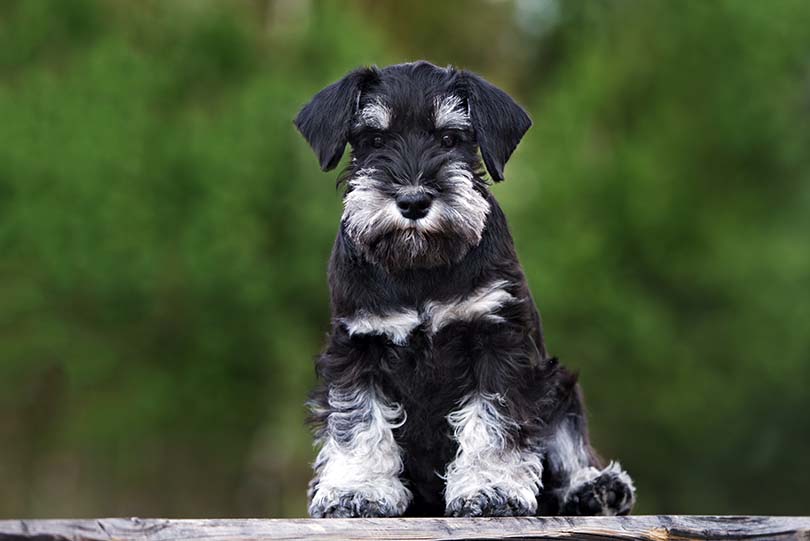
Miniature Schnauzers are intelligent, bold little dogs, but they may have some “little dog” toileting traits that they share with other small breeds because of their size! Toilet training a puppy of any breed can be difficult to start with, but being properly prepared and taking it one step at a time can make the process easier for both you and your Miniature Schnauzer. In this article, we’ll take you through 11 tips and tricks, and your Miniature Schnauzer will be potty trained in no time!

Before You Start
Before you start potty training your Miniature Schnauzer, it’s important to get all the supplies you’ll need together and set your goals. There’s nothing worse than starting training only to find you’re missing a critical item. Setting achievable goals can help reduce the stress of training for you and your pup and help support consistent learning. There aren’t many items needed for potty training, but it’s good to have several options that suit different dogs and household situations. The following items are essential to consider when potty training your Miniature Schnauzer:

- Puppy pads
- Enzymatic cleaner
- A crate (and liner)
- Treats!
- Other cleaning supplies
Once you have your list together, you can start planning out the potty training. Creating goals such as “gradually increasing the time between potty breaks” can help boost your satisfaction and reduce stress, while keeping expectations appropriate for your puppy’s age and bladder capacity, and keeping you and your Miniature Schnauzer on track. This can be a mental or written goal list, but it’s nice to have something tangible that shows progress (especially when you have setbacks!)
The 11 Tips for Potty Training a Miniature Schnauzer
1. Begin With a Feeding Schedule
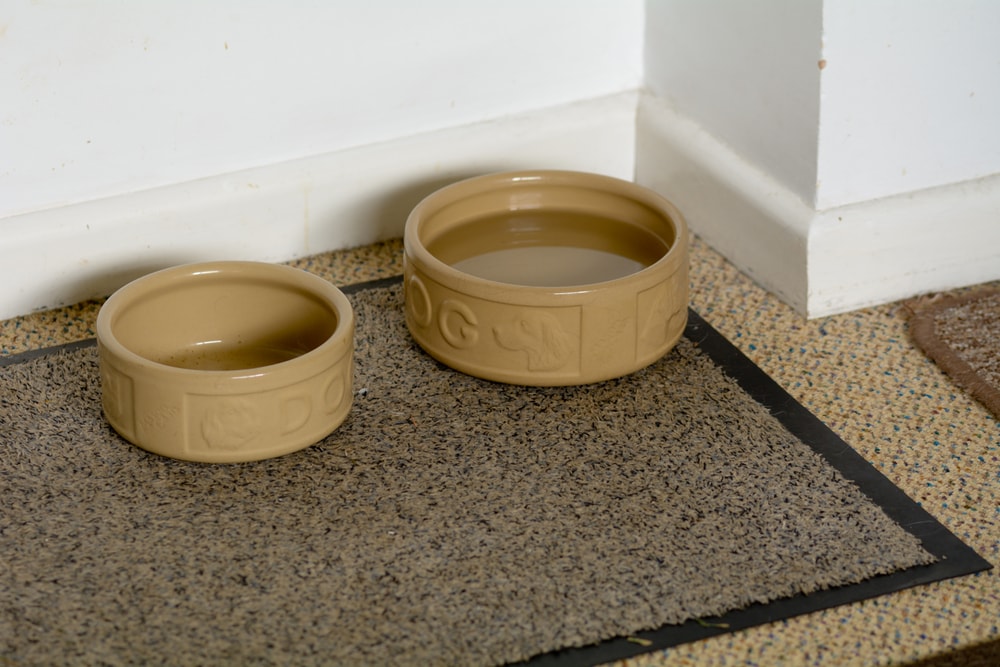
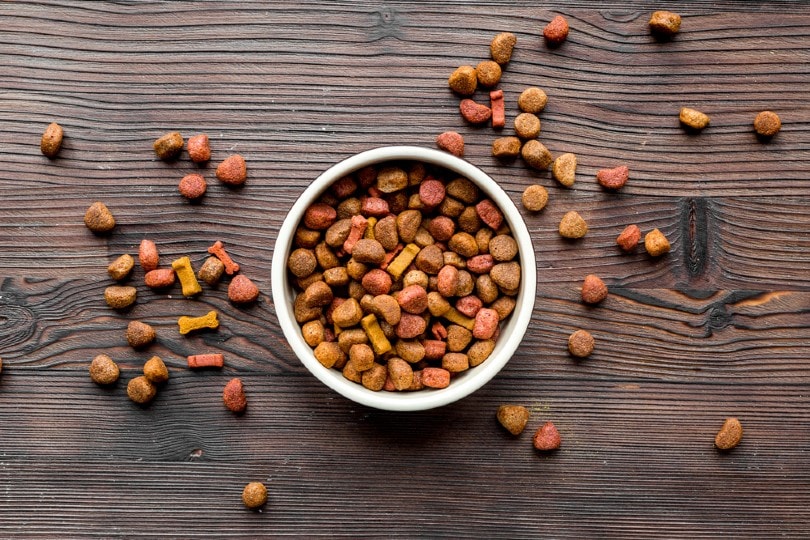
Controlling your dog’s eating is one of the best ways to predict when they might want to go potty, which can help with training and reduce accidents. Breaking up your dog’s meals into separate mealtimes throughout the day, rather than free feeding, gives you control over when they need to go potty once you learn their “regularity.”
You can plan your training around these breaks, and there’s less chance of random potty breaks occurring around the house or at unpredictable times. Of course, there still might be accidents, but controlling when your Miniature Schnauzer can eat will reduce them!

2. Add in a Bathroom Schedule
Creating set times for your Miniature Schnauzer to go to the bathroom can help them recognize when you want them to go and when they’ll be let out specifically to use the bathroom. However, they won’t always need to go to the bathroom during these set times, and there’ll still be times when your Miniature Schnauzer needs to go potty between bathroom breaks.
Setting a schedule for potty breaks allows you to keep an eye on your Miniature Schnauzer and their bathroom habits, giving your dog an idea of when and where you’d like them to go! Puppies, in particular, need to go more frequently than adult Miniature Schnauzers, and dogs can usually hold their urine for approximately one hour per month of age during the day (with a maximum of about 6–8 hours). For example, a 6-month-old puppy could reasonably be expected to hold it for 4-6 hours, depending on the individual.
3. Learn to Read Your Dog
One of the most valuable things to learn when potty training your Miniature Schnauzer is recognizing when your pup needs to go! Reading your Miniature Schnauzers’ body language and recognizing the signs of them either searching for a place to go or signaling you that they need to go out can make all the difference when potty training.
Some Miniature Schnauzers will need to go outside right after eating, and some will pee when overexcited or greeting people (excitement or submissive urination), which is common in young dogs and usually improves with maturity. Learning your Miniature Schnauzer’s rhythm can help you adjust the potty schedule you’ve set up, and knowing when they’re signaling can help you prevent accidents inside.

4. Praise, Praise, Praise!
As with any training, praise and positive reinforcement are keys to success. Potty training is a learned behavior that you want your Miniature Schnauzer to perform, which can require them to develop bladder and bowel control over time. By giving your Miniature Schnauzer a treat when they go in the right place, you’re making it worthwhile for them to hold their pee and go where you want them to.
Make sure you find your dog’s motivators (food or toys) and go all-out with praise; making a big deal about every trip outside/ in their designated potty spot makes it exciting for your Miniature Schnauzer. Most won’t be able to resist that level of happiness again (especially the affectionate Miniature Schnauzer), so praise can be a very effective training tool.
5. Be Consistent
Consistency is vital when you’re potty training your Miniature Schnauzer. While keeping to a schedule is essential, choosing an appropriate place for your Miniature Schnauzer to use the bathroom and sticking to it is just as important. If you decide to allow your Miniature Schnauzer to use a puppy pad in the front room to potty one day, then decide you want them outside the next, and keep changing your mind, your poor dog won’t know whether they’re coming or going! Consistency in training can speed up the process and reduce accidents, and all family members should be aware of the feeding and toileting schedules you set for your pup.

6. Don’t Punish
Punishing or scolding your Miniature Schnauzer for having an accident will do nothing to further their training and can hinder your progress! The best thing to do if your pup has an accident is to make no fuss and clean it up, putting any reactions and emphasis on when your Miniature Schnauzer gets it right, not wrong. Shouting, using old and ineffective training methods like “rubbing their nose in it,” or other negative punishments will increase fear, stress, and anxiety, and may make your pup more likely to hide any toilet accidents from you.
7. Introduce a Crate
Crates are handy tools for potty training. Kennels can be used to confine your Miniature Schnauzer to a den-like space, giving them space to relax and feel secure. Because dogs are clean creatures, they’ll usually not want to mess up their crate and may try to signal to you that they want out to go potty!
The size of the crate is important when incorporating potty training, since a large crate with plenty of room can leave your Miniature Schnauzer space to choose a corner to pee or poop in. A small crate is also a problem, but a crate just big enough for your dog to lie down, turn around, and stand up comfortably is ideal. Usually, a dog that needs to go to the potty will scratch, whine, circle, or become restless, which is your signal to take them outside.

8. Watch Out for the Puppy Pad Trap
Puppy pads can be helpful when training a puppy or new dog to use the bathroom, but they can be a pitfall if your dog continues using them. They can benefit small dogs (which we’ll cover below), but if your aim is for your Miniature Schnauzer to potty outside, puppy pads might not be the best move. You can move puppy pads further and further outside in some situations, but it’s tricky for puppies to break the habit!
9. Make Sure You Clean Up Properly
Unfortunately, accidents will happen, and your Miniature Schnauzer is likely to have at least one. Not making a big deal of them is crucial, but knowing how to clean them up effectively can prevent your Miniature Schnauzer from peeing or pooping in the same place! An enzymatic cleaner that specifically targets the smells and stains of potty accidents can eliminate even the largest accidents by breaking down urine and fecal odor compounds. Residual smells can encourage dogs to potty in places repeatedly, so banishing them with an effective odor remover is essential.
If you're looking for an all-in-one, pet-friendly, enzyme cleaner, we highly recommend the Hepper Advanced Bio-Enzyme Pet Stain & Odor Eliminator Spray.

- ADVANCED ENZYMATIC CLEANER - Penetrates the most stubborn smells and stains at the deepest molecular...
- FOR ANY MESS, ON ANY SURFACE - This pet odor eliminator cleans your carpets, floors, furniture,...
- FRESH, NATURAL ODOR - Our unique formulation doesn't rely on dangerous or unpleasant chemical...
It eliminates tough stains and odors easily and is excellent for accident prevention. Plus, it comes with a 100% satisfaction guarantee! Click here to order now.
At Dogster, we’ve admired Hepper for many years, and decided to take a controlling ownership interest so that we could benefit from the outstanding products of this cool pet company!
10. Get Plenty of Exercise
Exercise is vital for all dogs, including the energetic Miniature Schnauzer. Playing games and running around can get your Miniature Schnauzer’s bowels moving and encourage them to poop, which is why many dogs need to “go” for a walk or after playing. Incorporating walks and time outside to burn off some steam into your daily toilet break schedule can help your Miniature Schnauzer get enough exercise and increase the likelihood that they eliminate when they’re outside.
11. Try an Indoor Potty Spot
Some small breeds may be more challenging to train to go outside. While this is more commonly seen in very small breeds such as Chihuahuas or Pomeranians, your Miniature Schnauzer could have a problem with getting out in time. Owners of dogs with medical problems such as urinary incontinence often use an indoor potty spot created from puppy pads to be a beneficial solution to the problem, but all small dogs can be potty trained eventually.
Sometimes, it just takes more time! If that is the case for your Miniature Schnauzer, you could use puppy pads to create a potty spot indoors. However, don’t fall into the trap of placing several around your home since it might confuse your Miniature Schnauzer into thinking they can go anywhere!


Final Thoughts
Miniature Schnauzers are intelligent little dogs that usually respond to potty training, but there are always exceptions to the rule. By following our tips and tricks, you can help your Miniature Schnauzer master potty training quickly and without a fuss! Being consistent with your training, establishing a potty schedule, and praising your pup when they make it outside will help your Miniature Schnauzer the most.
Featured Image Credit: otsphoto, Shutterstock























2 Responses
Can I have a litter box in my bathroom for nighttime and a litter box in my family room during the day?
Hello Charlotte!
Thanks so much for reading us. Depending on your dog’s age and how much time they spend in each area, it really helps to give them a designated alternative spot. Just keep the locations consistent and use positive reinforcement so your pup knows it’s perfectly okay to go there.
Hope this answers your question.