Winning over a canine that has been hurt in any way, whether it be emotionally or physically, can be a real challenge. Some dogs are also naturally reserved and shy, taking quite a while to warm up to new people. Regardless of the situation, you want to warm up to an unsure pooch, and we commend you.
In this article, we are going to discuss the different ways that you can try to get a scared dog to trust you and win over your soon-to-be canine friend.

The 10 Tips to Get a Scared Dog to Trust You
1. Get Them in Their Natural Element
Sometimes, a dog will warm right up once they get away from a stressful situation and back to their natural routine. Whether you are looking to adopt or you are trying to get a new dog acclimated to your home, taking them to familiar territory can really help put them at ease.
Providing beneficial experiences to your dog will help you bond with them so they can develop that safety with you. If you are trying to bond with a shelter dog on the shelter grounds, you can always let them lead you around to their favorite spaces. Often, putting them in familiar territory can show you a whole new side of them!
2. Closely Watch the Dog’s Body Language
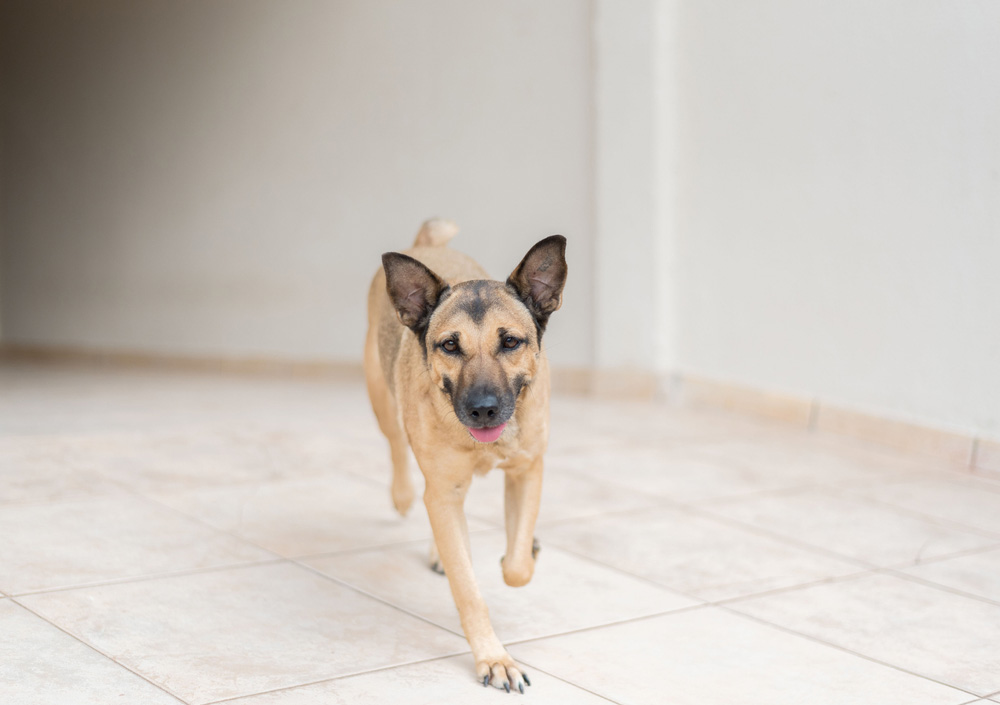
To know how a dog is feeling, it is important to watch their body language since you can’t hear their words. Their mannerisms can tell you how they’re feeling, if you pay close enough attention. It is crucial to recognize the signs of an uncomfortable dog so that you can learn proper boundaries with the situation.
If the dog is pinning their ears back, slowly licking their lips, and drawing away from you, let them have their space. They will let you know when they want to interact and it’s best not to push the envelope on this. The more you respect their boundaries, the more likely they will be to trust you. A veterinarian can also tell you more about when and how to approach the dog correctly.
If you need to speak with a vet but can't get to one, head over to PangoVet. It's our online service where you can talk to a vet online and get the advice you need for your pet — all at an affordable price!

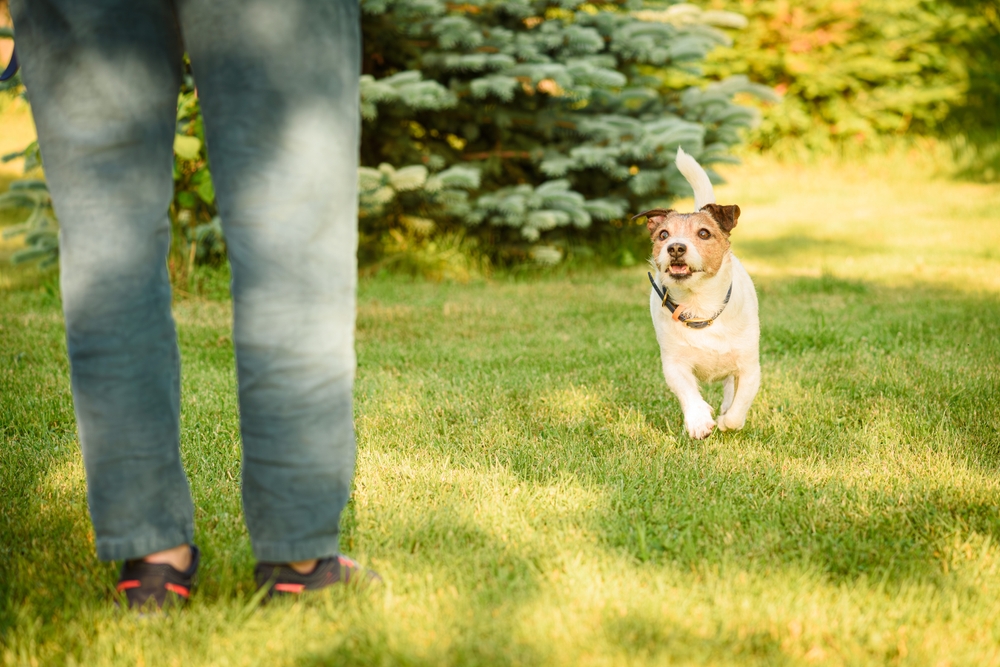
3. Let the Dog Approach You
Certain dogs make it a little more complicated to read them. They seem to have more of an aloof demeanor, making it harder to decipher what they might be feeling. So, often, the best rule of thumb is to let them approach you.
You are giving them the freedom to choose how and when they interact with you. It can be a little hard to have that patience but is more likely to help the dog feel at ease.
4. Respect Your Dog’s Space
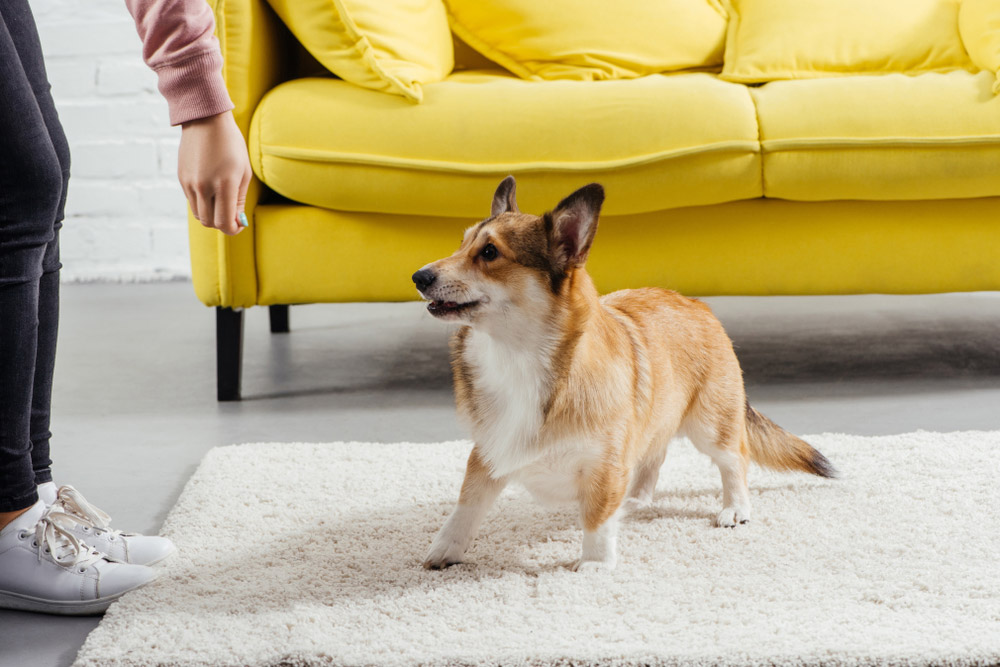
Sometimes, it is easy to forget that our dogs require certain kinds of treatment, too. They don’t always like everything that we do, and that’s really okay. If it seems like you’re being too close to the dog and makeing them uncomfortable, back up.
If it seems like they shy away from you when you pet a certain part of their body, try to stay away from it. If you respect their space, it gives them an opportunity to feel comfortable in their surroundings and warm up at their own pace. Plus, it lets them know that you pose no threat.
5. Spend Alone Time With the Dog
It’s best to make sure that you’re spending quality time alone with a dog. If you want them to trust you particularly, you’re going to have to show them that they can count on you first. You can worry about socializing them with other people later.
This process can take as little as a few hours to as long as a few days or even weeks. Some dogs are so ready to warm up that all they need is a green light and they will be all about it. Other dogs might want to be close to you, but they are so reserved that it can be extremely difficult.
When you are one-on-one, you don’t have the distractions of a lot of different personalities, smells, and voices, and you and the dog can both concentrate on each other. Soon, your dog will understand that you mean no harm to them.

6. Keep a Calm Demeanor
Try not to get wound up or overzealous. Even though you might think you’re encouraging the dog to play with you or warm up to you, they might not understand the signals you’re sending at all.
This kind of energy can also create a little bit of anxiety. Do your best to have a neutral, soothing tone that lets them know they’re safe in your presence. If possible, try not to speak very much and let your body language do most of the talking.
Your voice really matters! Everything from your body language to the decibel of your voice can affect the way a scared dog perceives a situation, even if you mean no harm. It is crucial to remain as neutral and loving as possible. The calmer you are, the more inviting it will make the situation, helping to keep the dog calm as well.
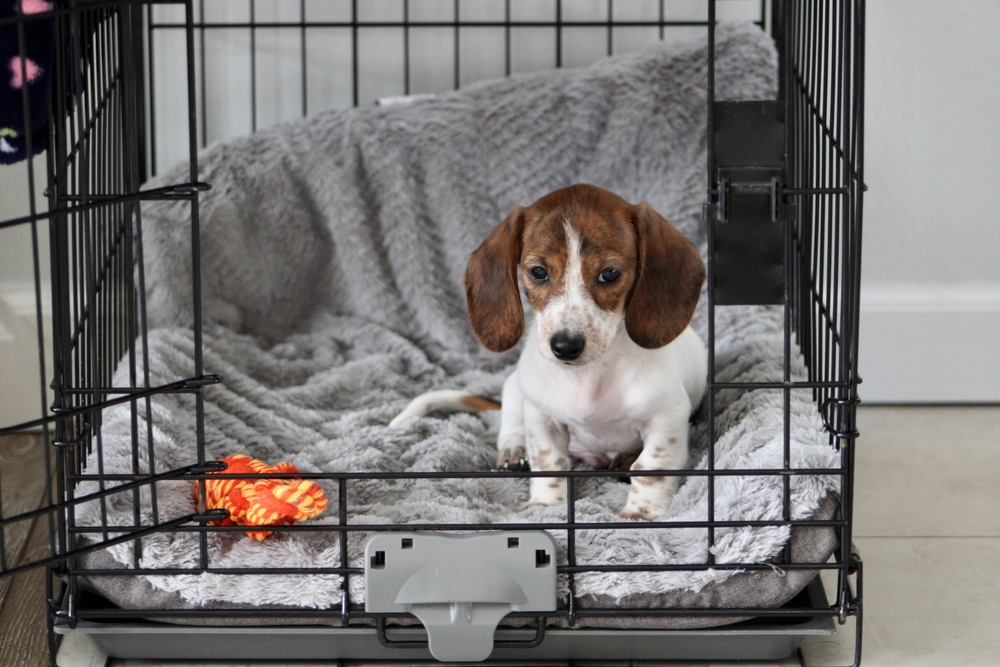
7. Provide a Quiet, Safe Space
It is also important to mediate your surroundings. In some situations, there will be commotion around you no matter what. The environment can really set the tone. It is crucial to find a space where your dog doesn’t feel like there’s tension at every turn. If the environment is very loud or chaotic, it can make it impossible for your pup to concentrate, let alone warm up.
If you’re trying to get a dog to trust you, the last thing you’re going to want is a bunch of distractions and stimuli around that can further complicate things, such as other pets or small children. It can be a little chaotic and overwhelming for the dog.

8. Socialize Your Dog
Once you get over the humps of the initial bonding process, and the dog has warmed up to you, it may be time to start socializing your dog. Just make sure that you have created a bond that they can fall back on should they become anxious or fearful in these new situations.
Taking your dog to see new faces and places can help you to better understand their personality. It may help them be able to warm up to situations that might have scared them before. The more they break down those barriers, the more free they can feel.
Ultimately, it will depend on the individual dog when it comes to the activities you could partake in. If your dog is not aggressive, you can take them to dog parks or off-leash parks where you can play games and let them run around. You can also take your dog hiking or other kinds of outdoor adventures. This will engage them with the environment and expose them to all sorts of new experiences.
9. Begin Positive Reinforcement Training
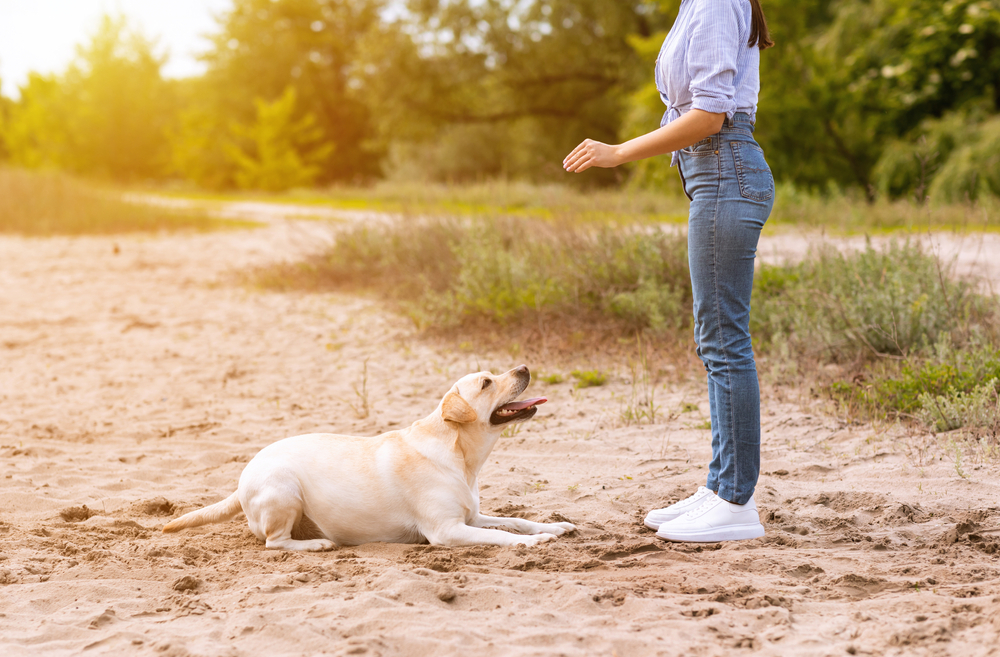
Once you and your dog are comfortable with each other, you can start training. Positive reinforcement training is often the chosen method as it rewards dogs for good behaviors with treats or praise. It also doesn’t use punishment which can cause anxiety or fear in dogs with difficult backgrounds.
Just be sure to be patient and willing to show your dog which behaviors you deem as okay and be prepared to repeat rewards as necessary.
10. Opt for Professional Training
You can always find a professional trainer near you if you’re not doing too hot at home. Also, there are tons of free resources online if you plan to look for help that doesn’t cost you a penny.
No matter the method you choose, getting help from a professional trainer will give you better direction if you are a novice trainer. If you choose to go to professional training with your dog, it can also help to create a very solid bond between the two of you, establishing a firm relationship.
Professional training can also structure a dog that might have been abused, neglected, or otherwise dismissed in their previous home, if they had one.
Conclusion
Getting your dog to trust you can be a real task. However, dogs are emotional creatures that thrive on connection. With the right preparation and steps, the likelihood that you will be able to ease their uncertainty and really create a whole new life for them is high.
It’s usually the dogs that require a little bit of work at first that make the best pets! Sometimes they just need a little extra love and focused attention.
Featured Image Credit By: alexei_tm, Shutterstock
 The 10 Tips to Get a Scared Dog to Trust You