Pedialyte for Dogs: Is It Safe? Vet-Approved Health & Safety Guide


In this article
The most common way to treat dehydration in children and adults is with Pedialyte. It’s an over-the-counter, drinkable electrolyte solution that replaces electrolytes and minerals lost by dehydration. In small quantities, unflavored Pedialyte is safe for most dogs, but it’s rarely the best way to rehydrate them.
Instead of relying on Pedialyte and other human solutions for dehydration, you should strive to give your dog the healthiest treatment. This often involves encouraging them to drink fresh water or, if necessary, taking a trip to the vet. This guide explores the dangers of dehydration and the safety of Pedialyte for dogs so that you can determine the route that you need to take for your pooch.

What Is Pedialyte?
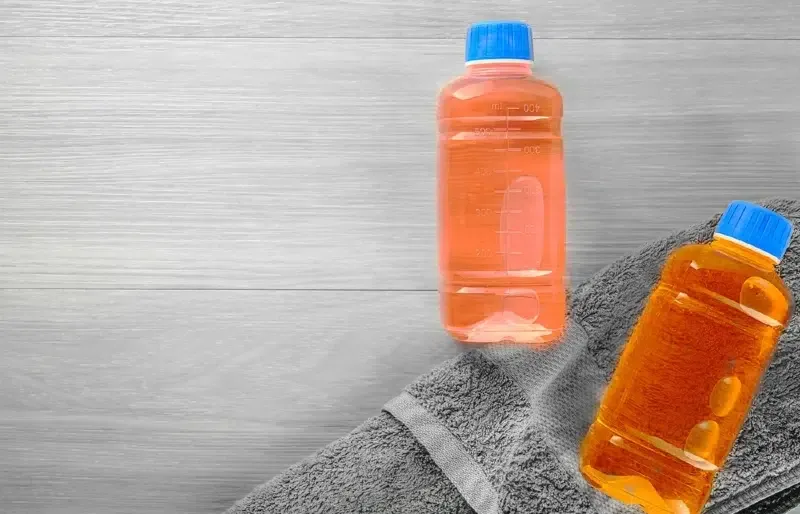
Formulated to contain water, electrolytes, potassium, and sodium, Pedialyte is an over-the-counter solution for dehydration in humans. It’s mostly given to children suffering from vomiting, diarrhea, or an illness but is also popular for adults, including athletes. There are several flavors available, making it a much tastier drink than plain water, and can be bought in ready-made bottles or powdered form.
Is Pedialyte Safe for Dogs?
Although it’s formulated specifically for humans, Pedialyte can be given to dogs. You need to take precautions, though. For one thing, you should only give your dog the plain, unflavored variety. Any flavorings can contain additives that are harmful to dogs. You also need to carefully monitor your dog’s reaction and only give them a tiny amount or none at all if they have other health issues.
Most of the time, a healthier treatment for your dog’s dehydration is giving them plain water or treating the cause of the dehydration, be it vomiting, diarrhea, or fever. Pedialyte should never become the only drink available to your dog; they need regular access to fresh, clean water.
Risks of Giving Pedialyte to Dogs
In small doses, Pedialyte isn’t harmful to most dogs. However, it isn’t necessarily safe either. Some dogs can have a bad reaction to the formula, and it can make existing health issues worse. You need to know the potential dangers to determine whether Pedialyte will be beneficial to your dog. Ideally, consult your veterinarian before offering it to your pup.
1. Formulated for Humans
The biggest and most obvious issue regarding Pedialyte for dogs is that it’s a human formula. It’s designed to meet the electrolyte and mineral requirements of humans and isn’t designed to be given to dogs. There are high amounts of sodium, sugar, and other ingredients that are harmful to dogs and should be avoided.
While small amounts of the unflavored Pedialyte might be okay, it’s still not intended for canine consumption. The sugar and salt content alone are dangerous for dogs, especially if they already have health issues, such as kidney problems or diabetes.
2. Gastrointestinal Upset
Vomiting and diarrhea are common causes of dehydration. In humans, Pedialyte is often used to counteract the loss of electrolytes due to these issues. For dogs, however, Pedialyte can further upset their gastrointestinal system and make them vomit more. Unfortunately, this will only increase the severity of your dog’s dehydration, and they’ll be worse off when you get them to a vet.

What Causes Dehydration in Dogs?
Dehydration is just as common in dogs as it is in humans. It can be an even bigger problem if they don’t have free access to clean water. You might assume that dehydration can only occur during the summer, but that isn’t always the case. While hot, sunny days are among the most common causes, dehydration can also be caused by several other reasons:
- Vomiting or diarrhea
- Fever
- Diabetes
- Excessive panting
Minor cases of dehydration can be treated by making sure your dog drinks enough water. Sometimes, though, the underlying cause—e.g., a health issue like vomiting—needs to be treated before you can successfully rehydrate your sick puppy.
How Do You Know If Your Dog Is Dehydrated?
Your dog cannot tell you that they’re thirsty or dehydrated, so they must show it in other ways. As a pet owner, you know when your dog isn’t feeling their best due to your familiarity with their behavior while they’re healthy.
Since many things can go wrong, recognizing the warning signs of common ailments will allow you to take measures to help your dog recover. For dehydration, you’re looking for the following signs:
- Loss of or no appetite
- Vomiting
- Diarrhea
- Excessive thirst
- Loss of skin elasticity
- Dry, sunken eyes
- Dry nose
- Sticky gums
- Lethargy

Alternatives to Pedialyte for Dogs
Pedialyte is one of the first things that comes to many people’s minds for recovering from dehydration. It’s a simple and often tasty way to restore electrolytes without having to gulp down plain water. With the danger that it poses to some dogs, though, it’s better to choose a healthier alternative that won’t put them at risk.
1. Clean Water
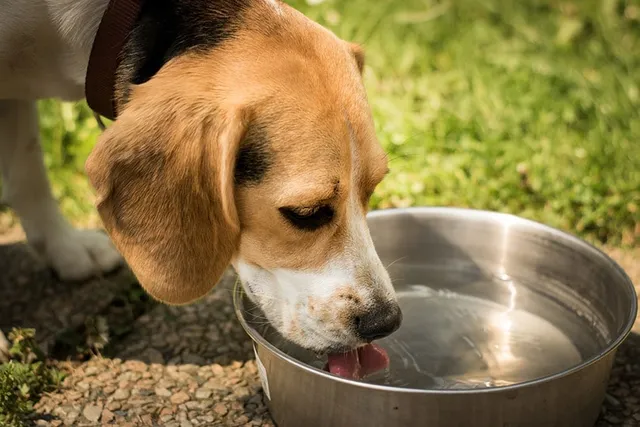
The simplest home remedy is to encourage your dog to drink plenty of clean, fresh water. Pedialyte might seem like an easy cure-all—especially if you’re out at the local park—but when it comes to dogs, simplicity is often the best option.
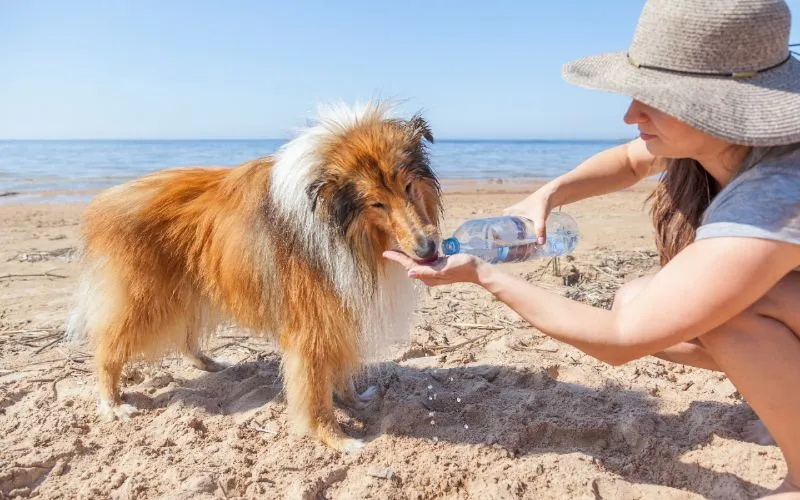
Keeping a bowl filled with water nearby or carrying a bottle if you’re on a walk will ensure that your dog has access to water throughout the day. Whenever you’re out of the house, keep a silicon travel bowl with you. It should be part of your walking-the-dog kit, along with water, treats, and poop bags.
While it might seem boring for your dog to drink the same thing over and over, it’s the safest and most reliable solution. It’ll also help you keep your dog hydrated if they have an underlying medical issue that needs to be treated by a vet.
2. Veterinary Care
There are many cases when dehydration is a sign of another health problem, such as vomiting or diarrhea, which can be a result of underlying health issues that you shouldn't try to diagnose yourself. Vomiting and diarrhea can be made worse by giving your dog Pedialyte. It also rarely fixes the underlying cause of your dog’s dehydration and can increase the severity of their clinical signs.
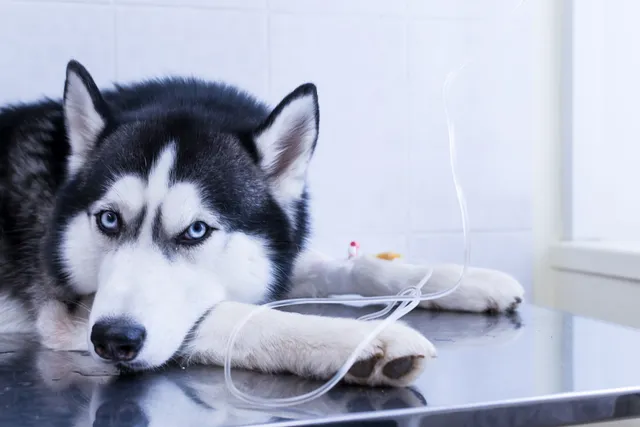
If your dog is severely dehydrated, you’ll need to take them to your veterinarian. While some cases of mild dehydration—such as sitting too long in the sun without water—can be dealt with by encouraging your dog to drink more, severe cases shouldn’t be treated alone at home. Your vet will be able to treat the underlying cause and help rehydrate your dog. Whatever treatment your veterinarian recommends, follow their advice for the best results.
Final Thoughts
In most cases, Pedialyte is safe for dogs, provided that they only have tiny amounts, and it’s the unflavored version. However, you should consider whether your dog has existing health issues such as diabetes or kidney problems due to the sugar and salt content. You also should avoid giving them Pedialyte if they’re vomiting because it can worsen the effects and increase their level of dehydration.
When in doubt, avoid giving Pedialyte to your dog. Clean water is always the best option for fighting dehydration. If they’re showing signs of severe dehydration, a trip to the vet is the first step to proper treatment.
Featured Image Credit: Aleks Khan, Shutterstock
Expert dog care, straight to your inbox
News, insights, expert advice, and everything dog.

No spam — unsubscribe anytime.
By signing up, you agree to our Terms & Conditions and Privacy & Cookies Policy.
How useful was this post?
Click a star to rate. You can leave written feedback afterwards. (We read all feedback.)
Nicole has loved animals of all sizes her whole life so it's no wonder she has dedicated her career to helping them through what she loves best: learning, writing, and sharing knowledge with others. She’s the proud mom of two dogs, a cat, and a human. With a degree in Education and 15+ years of writing experience, Nicole wants to help pet parents and pets around the planet to live happy, safe, and healthy lives.