Can Dogs Eat Warm Food? Vet-Verified Benefits, Risks & Facts



In this article
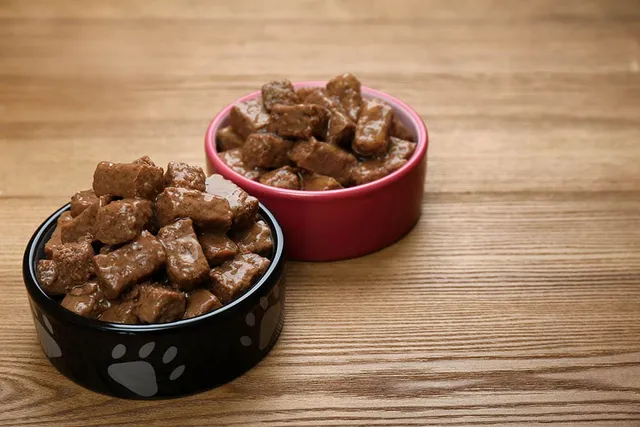
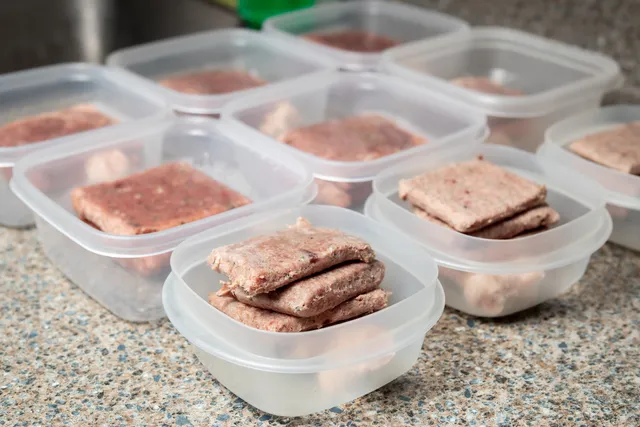
Though most dog food formulas are designed for straight-into-the-bowl convenience, some people opt to warm them up before their pooch tucks in. Feeding your dog warm food is perfectly fine as long as it's suitable for heating up (freeze-dried raw food, for example, is usually not) and isn't too hot, and this may be beneficial for dogs experiencing reduced appetite or that are picky eaters.
Nevertheless, there are various factors to consider when it comes to deciding whether or not to warm up your dog's food. Read on to learn more about this and the benefits and risks involved.

Do Dogs Like Their Food Warm or Cold?
Standard dog food formulas are typically intended to be eaten at room temperature rather than warm or cold but warming it up a little doesn't hurt as long as it's not too hot. While some dogs don't mind eating food at room temperature, others may enjoy it more when it's slightly warm.
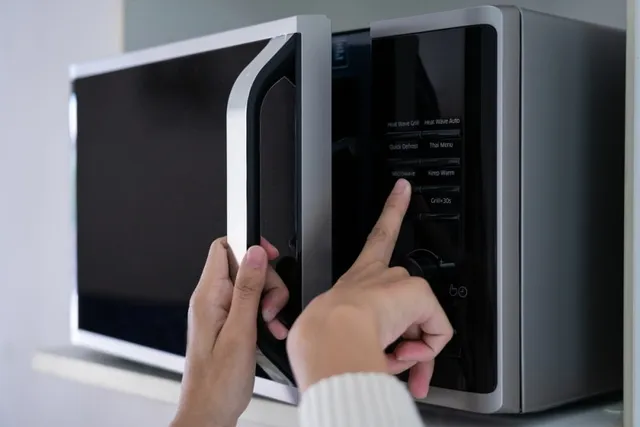
There are various ways to heat up dog food, including by adding warm water to kibble and microwaving wet food for a few seconds. Some people use a double boiler to warm up dog food.

Do Dogs Prefer Warm Food?
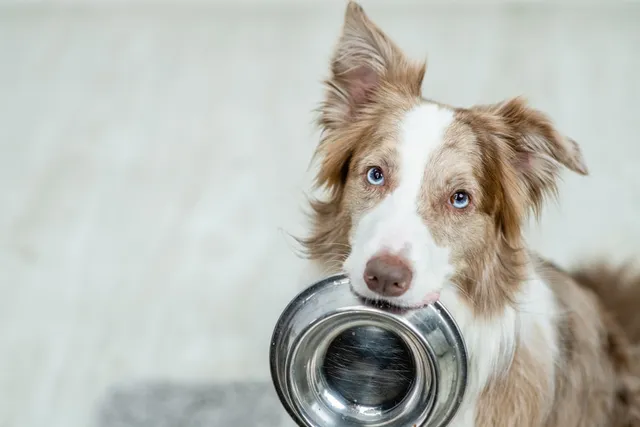
It depends. Some dogs are very easily pleased and won't object to eating food at room temperature or that has been stored in the fridge, while pickier dogs won't touch food that hasn't been warmed up. As you get to know your dog, you'll get a better understanding of their preferences, which can vary greatly from dog to dog.
The 3 Benefits of Feeding Warm Food to Dogs
1. Increased Enjoyment
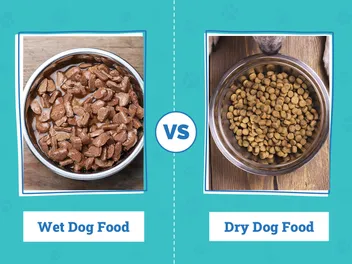
If you feed wet food to your dog, you may only use a certain amount at a time, meaning the remainder of the can is stored in the fridge. If you offer the rest of the food chilled the next day, your dog may enjoy it less than at room temperature.
To bring it back to room temperature, you can take the food out of the fridge and let it unchill for a while (no more than two hours) before you offer it to your dog, or you can microwave it for a short time (in a microwave-safe bowl) until it's warm but not hot. It's a good idea to stir or break it up a bit with a fork part of the way through the microwaving process to help it warm through more evenly.
2. More Variety
It doesn't take much effort to add a bit of variety to your dog's dinner options. For example, you can add some warm water or low-sodium broth to your dog's kibble and let it soak for a while before feeding to change up the texture and add extra flavor.

3. May Encourage Sick Dogs to Eat
Dogs with a reduced appetite due to illness may benefit from eating energy-dense food that's around their body temperature (between 101 and 102.5 degrees Fahrenheit) because the extra warmth makes the food taste and smell better to the dog. This may also encourage picky dogs and senior dogs with issues like reduced appetite, or smell, to eat.
If you want more information or are concerned about your pet's diet, you should contact your vet.
The 3 Risks of Feeding Warm Food to Dogs
1. Burns
The main concern when it comes to warming up dog food is that if you let it get too hot, this could cause oral or internal burns. The food should be heated only slightly until it's at a comfortable temperature to eat, and it's a good idea to rake through the food with a fork to help the heat distribute more evenly and reduce the risk of hot spots within the food.
If you're not sure the food is warm instead of hot, leave it to cool down for a while before offering it to your dog.
2. Non-Microwave-Safe Packaging
Place the food in a microwave-safe container before you warm it up because some materials are not suitable for the purpose. Plastic is an example of a material that shouldn't be microwaved (unless it's marked as microwave-safe) because it can leak chemicals like BPA and phthalates.
Aluminum foil is another kind of material that shouldn't go in the microwave.

3. Possible Nutritional Changes
Though many experts say it's okay to heat dog food in a microwave, some disagree because of concerns that microwaving destroys enzymes within the food, thereby depleting nutrients. Studies have shown that there are two sides to the story.
For example, a study on broccoli found that microwaving can actually increase sulforaphane (an anticarcinogenic compound) in this vegetable. Based on all this information, Healthline concluded that microwaves preserve nutrients well compared with other cooking methods, with only "a few exceptions."
Can Puppy Milk Formula Be Warmed Up?
Yes. Puppies on milk-replacement formulas need to have it at a certain temperature to prevent issues like regurgitation and an upset stomach.
It's recommended that puppy replacement milk formula be about 100 degrees Fahrenheit (38 degrees Celsius). It's essential to check the formula before feeding to ensure that it's neither too hot nor too cold.

Conclusion
In conclusion, dogs can eat food that has been warmed up to a comfortable temperature. Some dogs prefer their food a little warmer than room temperature, but make sure it doesn't get too hot. If you have any questions related to your dog's diet and eating habits, please reach out to your vet. Finally, be mindful that some human foods should never be fed to dogs, hot or cold, so check this out before you offer your dog something from your own plate.
Sources
https://www.akc.org/expert-advice/nutrition/warm-up-dogs-food/
https://www.healthline.com/nutrition/microwave-ovens-and-health#harmful-compounds
https://www.dogsnaturallymagazine.com/the-microwave-three-reasons-to-stop-using-it/
https://www.businessinsider.com/guides/kitchen/things-never-put-in-microwave
https://vcahospitals.com/know-your-pet/feeding-orphaned-puppies
Featured Image Credit: Switlana Sonyashna, Shutterstock
Expert dog care, straight to your inbox
News, insights, expert advice, and everything dog.

No spam — unsubscribe anytime.
By signing up, you agree to our Terms & Conditions and Privacy & Cookies Policy.
How useful was this post?
Click a star to rate. You can leave written feedback afterwards. (We read all feedback.)
Kit Copson is a freelance writer and lifelong animal lover with a strong interest in animal welfare. She has parented many furry beings over the years and is currently a proud cat mom of two—one very chilled (unless hungry) Siamese and a skittish but adorable Domestic Shorthair—and dog mom of one—an adopted Bichon Poodle cross. When not writing about or spending time with pets, Kit can be found drawing in her sketchpad, reading, or more often than not, drinking tea.