Dogster is reader-supported. When you buy via links on our site, we may earn a commission at no cost to you. Learn more.

Dog Nutrition

Can Dogs Eat Cheesecake? Vet Approved Facts & Safety Guide

Nicole Cosgrove
By Nicole Cosgrove · Reviewed & fact-checked by Dr. Amanda CharlesVet Approved
Dr. Amanda Charles
Reviewed & Fact-Checked byDr. Amanda CharlesBVSc MRCVS (Veterinarian)
Dr. Amanda Charles, a 2002 graduate from Liverpool University, has built a prolific career in small animal medicine. She is passionate about providing pet owners with reliable and current information, enjoying the varied aspects of veterinary work. Outside the clinic, Amanda's life is filled with the energy of her two young sons, her spirited Cocker Spaniel, along with a spunky Ragdoll cat.View authorThe information is current and up-to-date in accordance with the latest veterinarian research. Learn more
Updated on June 29, 2026
Share
Can Dogs Eat_Cheese Cake

Cheesecake has been the object of our collective sweet tooth for over 4,000 years. It’s safe to say we love this dessert, so it’s not surprising some would want to share this tasty morsel with their canine BFF (though I find it hard to share mine with anyone!).

Cheesecake might not be toxic to dogs, depending on the ingredients; however, our advice falls into the same category that your doctor would probably tell you: only in moderation. However, we don't recommend giving your dog cheesecake, because it is a highly sweetened, high-caloric treat, even if you do stick to a small amount.

divider dog paws 2 oct 2024

Nutritional Facts About Cheesecake

We’ll start with the good news. A 100-gram serving of plain cheesecake is about 45.6% water. It also contains 5.5 grams of protein. The latter primarily comes from the eggs and cream cheese. The dessert has a smattering of other essential nutrients, such as vitamin A, potassium, and phosphorus. However, its nutritional value isn’t its strong suit—hardly a newsflash.

Let’s face it, cheesecake is generally consumed for its deliciousness, not its nutritional value; it’s not exactly a salad. Given the pleasure a mouthful can give to us, it’s not hugely surprising that we might be tempted to share it with our dogs. We must clarify one vital aspect of giving your pet people food; just because something isn’t bad for them, it doesn’t mean it’s good for them. Although cheesecake may not hurt your pet in most cases, it’s not an open invitation to cut your dog a slice.

High in Calories

One of the main reasons we don’t recommend giving your pup cheesecake is its fat and sugar content. The Association of American Feed Control Officials (AAFCO) suggested daily intake for adult dogs is a minimum of 13.8 grams, and the fat content in a single slice tops 22.5 grams, almost double this amount.

A high fat content combined with minimal activity is a recipe for obesity. To put it in context, the recommended daily intake for a 10-pound dog is 275 calories. A 100-gram serving of cheesecake contains 321 calories, far exceeding this figure while providing negligible nutritional value. Even a mere ounce has 91 calories. It’s enough to take moderation off the table.

There’s also the sugar content. The 100-gram serving has 6.18 grams. It could cause a spike in your dog’s blood sugar, followed by the inevitable crash. The DNA of our canine companions has evolved to allow these animals to digest glucose and starch better than their wild counterparts. Nevertheless, a blast of fat and sugar might overwhelm the digestive system of some pets.

Signs include the following:

  • GI distress
  • Abdominal pain
  • Nausea
  • Vomiting
  • Loss of appetite

Another potential problem is pancreatitis, which can be caused by eating rich or fatty foods. The signs of pancreatitis can be similar to those of gastrointestinal distress but are usually accompanied by a lack of appetite, lethargy, and abdominal pain. If your dog is experiencing any of these signs, it’s off to the vet for you.

Other Red Flags

We’ve been discussing plain cheesecake. However, the number of flavors is probably only limited by your imagination. Depending on the recipe, you might find the usual suspects, like chocolate, raisins, and macadamia nuts. However, other problematic ingredients may also exist in some desserts.

Xylitol is a sweetener often used in baked goods advertised as “sugar-free”. Even in tiny amounts, it can cause seizures, liver damage, and death.

All these things don’t factor in the chances of a food allergy or intolerance to any ingredients in the cheesecake. While these conditions can cause GI problems, they can also lead to itchy skin.

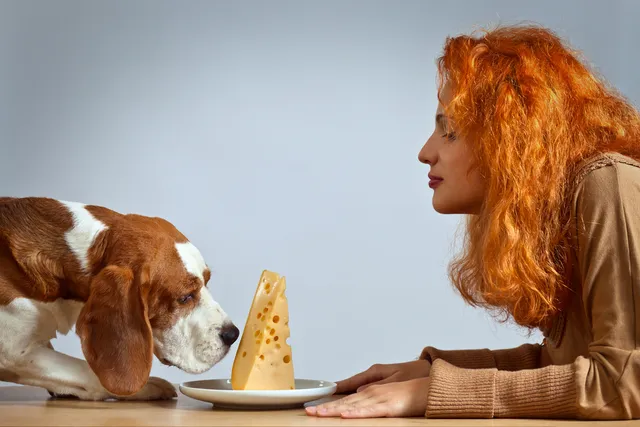
Image By: morisfoto, Shutterstock
divider dog paws 2 oct 2024

Final Thoughts

As much as you may enjoy cheesecake, we don’t recommend giving it to your dog. The red flags far outweigh the negligible health benefits. Of course, obesity prevention is a significant driver and a dealbreaker in our book. So while a sliver of cheesecake may not necessarily harm your pup, it's certainly not going to benefit them. See Also:

Sources

Featured Image Credit: Vladislav Noseek, Shutterstock

The Dogster Newsletter

Expert dog care, straight to your inbox

News, insights, expert advice, and everything dog.

No spam — unsubscribe anytime.

By signing up, you agree to our Terms & Conditions and Privacy & Cookies Policy.

Click a star to rate. You can leave written feedback afterwards. (We read all feedback.)

Nicole Cosgrove
Authored by

Nicole Cosgrove

Leave a Reply

You're very welcome to leave a comment or question. Please know that all comments must meet our community guidelines, and your email address will NOT be published. Let's have a positive and constructive conversation.

Can Dogs Eat Cream Cheese? Vet-Verified Facts & Health Tips

Can Dogs Eat Cream Cheese? Vet-Verified Facts & Health Tips

Whether it’s breakfast, lunch, or dinner, there’s a good chance your pup is hanging out by your side when you’re eating, and they’re just hoping you’ll share.…

Adam Mann
By Adam Mann · 1 month ago
Can Dogs Eat Carrot Cake? Vet-Reviewed Facts & Safe Recipes

Can Dogs Eat Carrot Cake? Vet-Reviewed Facts & Safe Recipes

We are all well aware that human foods can be harmful to dogs. Some just don’t have any health benefits for canines, while others are highly toxic to them, inc…

Ashley Bates
By Ashley Bates · 1 month ago
Can Dogs Eat Greek Yogurt? Vet-Verified Nutrition Facts & FAQ

Can Dogs Eat Greek Yogurt? Vet-Verified Nutrition Facts & FAQ

Dogs are known for wanting whatever their human has, and if you are a dog owner, you will know what we are referring to! No matter what is on your plate, your…

Nicole Cosgrove
By Nicole Cosgrove · 1 month ago
Why Do Dogs Love Cheese So Much? Vet-Verified Facts & Considerations

Why Do Dogs Love Cheese So Much? Vet-Verified Facts & Considerations

It’s common knowledge that most dogs go crazy for cheese. In fact, cheese is often used as a high-value training treat because dogs love it so much. While it’s…

Jessica Kim
By Jessica Kim · 2 months ago

Can Dogs Eat Flan? Vet-Reviewed Potential Risks & Safety Guide

Flan is a custard-like dessert that can contain several ingredients. However, it typically contains eggs, milk, and sugar. While dogs can eat a small amount of…

Kristin Hitchcock
By Kristin Hitchcock · June 29, 2026
Can Dogs Eat Flan? Vet-Reviewed Potential Risks & Safety Guide

Can Dogs Eat Custard? Vet Approved Advice

Pastries and sweets are delicacies that us humans enjoy regularly. As curious creatures, dogs will often show interest in our food. It is no secret that dogs w…

Nicole Cosgrove
By Nicole Cosgrove · June 29, 2026
Can Dogs Eat Custard? Vet Approved Advice

Can Dogs Eat Cottage Cheese? Vet-Verified Nutrition Facts & Safety Guide

Most dogs are far from discerning when it comes to what they put in their mouths. They have no problem getting into the garbage and eating scraps, and they don…

Rachael Gerkensmeyer
By Rachael Gerkensmeyer · July 4, 2026
Can Dogs Eat Cottage Cheese? Vet-Verified Nutrition Facts & Safety Guide

Can Dogs Eat Dairy? Vet-Verified Nutritional Guide & FAQ

If your dog has ever expressed interest in sharing your bowl of ice cream or glass of milk, you know how tough it can be to say “no” to them. But is sharing da…

Chantelle Fowler
By Chantelle Fowler · June 29, 2026
Can Dogs Eat Dairy? Vet-Verified Nutritional Guide & FAQ

Can Dogs Eat Sour Cream? Vet-Approved Facts & FAQ

There are several tasty dishes that we enjoy by themselves, but the moment that you add a dollop of sour cream, the dish is transformed into something magical!…

Kathryn Copeland
By Kathryn Copeland · June 29, 2026
Can Dogs Eat Sour Cream? Vet-Approved Facts & FAQ

Can Dogs Eat Parmesan Cheese? Vet-Verified Facts, Risks & FAQ

If you're a dog owner, you've probably found yourself sharing a snack with your furry friend at some point. Dogs can be notorious beggars when it comes to food…

Nicole Cosgrove
By Nicole Cosgrove · June 29, 2026
Can Dogs Eat Parmesan Cheese? Vet-Verified Facts, Risks & FAQ

Can Dogs Eat Blueberry Muffins? Vet-Verified Nutrition Facts & Alternatives

Dogs can enjoy many foods that humans eat, and they’re experts at convincing us to share our food with them. Since they can eat many fruits and vegetables that…

Jessica Kim
By Jessica Kim · June 17, 2026
Can Dogs Eat Blueberry Muffins? Vet-Verified Nutrition Facts & Alternatives

Can Dogs Eat Icing? Vet-Reviewed Facts

Whether you are planning to make a cake to celebrate a milestone in your dog’s life or you simply want to let your dog have a taste of icing, the sweet taste i…

Sarah Psaradelis
By Sarah Psaradelis · June 29, 2026
Can Dogs Eat Icing? Vet-Reviewed Facts

Love Dogs? So Do We! Join the Dogster Community

Stay informed with expert pet care insights delivered straight to your inbox! Discover professional guidance on animal behavior, feeding tips, trusted product picks, and much more.

You may opt-out at any time. View our Privacy Policy for more information.

The Dogster app on a phone