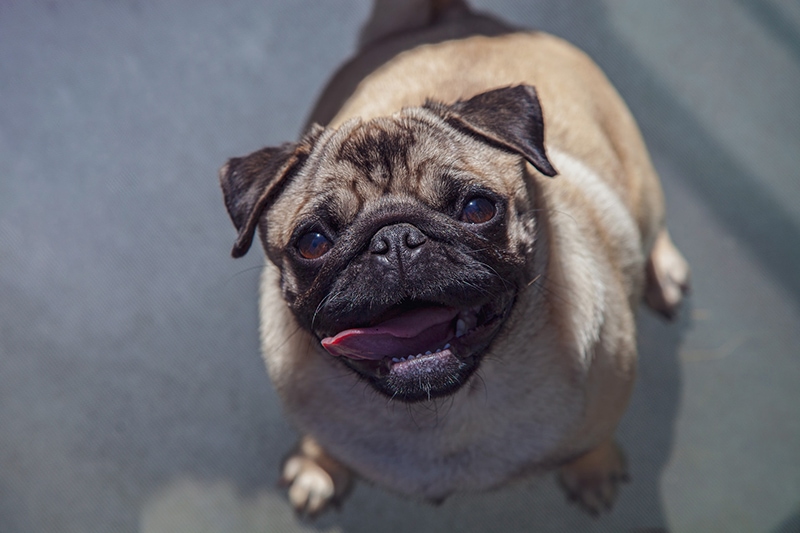
Pugs are known for their adorably wrinkled faces, compact size, and loving personalities. However, one thing that many Pug owners may notice is that their Pugs sometimes scream or make loud noises.
As concerned Pug parents, these noises can be unsettling especially if you are not sure what is causing them.
Curious why they’re screaming? Here, we will explore 12 possible reasons why your Pug might be screaming and what you can do about it!

Are Pugs a Noisy Breed?
As a brachycephalic breed, Pugs are loud in the sense that they may snore, fart, and even breathe loudly! But when it comes to actual yappiness, Pugs are not typically considered a noisy breed. They are generally known for being quiet and calm.
However, just like any other breed, individual Pugs can have their own personalities and quirks that may lead to vocalizations. Training and socialization during puppyhood can also play a crucial role in their yappy habits as they enter adulthood.
Additionally, certain situations or health issues can cause a Pug to scream or make loud noises.
The 12 Reasons Why Your Pug Might Be Screaming
1. Pain or Discomfort
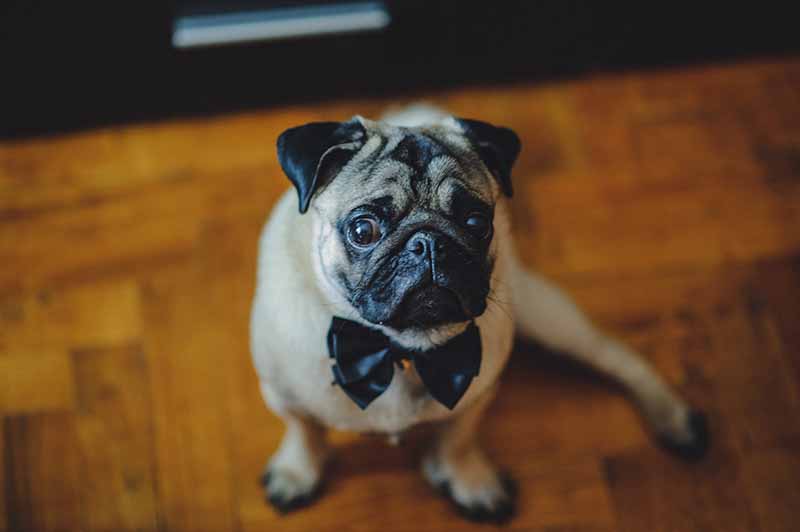
Pugs are known to be prone to certain health issues, such as hip dysplasia, back problems, and eye issues. If your Pug is screaming, it could be a sign that they are in pain or discomfort. It is essential to take your Pug to the vet for a check-up if you suspect they are in pain.
If your Pug is in pain, your vet will likely prescribe medication or recommend treatments to alleviate their discomfort. It is crucial to follow their instructions carefully and monitor your Pug’s behavior for any changes.
If you need to speak with a vet but can't get to one, head over to PangoVet. It's our online service where you can talk to a vet online and get the advice you need for your dog — all at an affordable price!

2. Fear or Anxiety
Pugs can become anxious or fearful in certain situations, such as thunderstorms, fireworks, or even car rides. If your Pug is screaming, it could be a sign that they are feeling overwhelmed or scared.
If your Pug is afraid or anxious, try to remove them from the situation if possible. You can also try using calming techniques, such as petting them, playing calming music, or using a thunder shirt. If your Pug’s anxiety is severe, speak to your vet about medication options.
As a Pug parent, simply soothing or providing reassurance to your Pug can also be enough to help them relax.
3. They Are Looking for Attention
Pugs are social animals that love attention. Screaming or not, Pugs are always looking to be the center of attention, so this could very easily be the cause.
Providing your Pug with attention is essential when caring for your fur baby. However, if your Pug is screaming for attention, it is essential to teach them appropriate behavior. You can try ignoring the behavior and rewarding them when they are quiet.
Make sure to give your Pug plenty of attention throughout the day so they do not feel the need to scream for it.
4. They Are Overexcited
Pugs can get excited easily, especially when they see their owners or other dogs. When riled up, Pugs have a hard time containing it!
If your Pug is screaming due to excitement, try to calm them down by speaking to them in a soothing voice. Avoid rewarding the behavior, as this may encourage it in the future.
5. Hunger or Thirst

Pugs love to eat and drink. As stocky, brachycephalic breeds, Pugs have a large appetite. They can also get easily thirsty and may need more water, especially during a hot day.
If they are hungry or thirsty, they may let you know by screaming.
If your Pug is screaming due to hunger or thirst, make sure they have access to food and water throughout the day. Try to establish a feeding schedule and stick to it so your Pug knows when to expect their meals.
6. They Are Bored
One thing that all Pug parents know about their Pugs is that they are little balls of energy! Pugs need lots of mental and physical stimulation to stay healthy and happy, and being bored could cause them to be more vocal than usual.
If your Pug is bored, try providing them with toys or puzzles to keep their minds busy. You can also take them for walks or play with them to give them the physical exercise they need. Providing them with an exercise routine and schedule can also be helpful to keep them properly stimulated and fit!
7. Separation Anxiety
Pugs are known for their attachment to their owners and can become anxious when lonely. Pugs crave companionship, so they can easily feel separation anxiety when left alone for too long. If your Pug is screaming when you leave the house, it could be a sign of separation anxiety.
If your Pug has separation anxiety, there are several things you can do to help them feel more comfortable when you are away. Try leaving them with a toy or treat that they enjoy, or provide them with a comfortable space to relax in. You can also work with a professional dog trainer to help your Pug learn to cope with being alone.
Early training during puppyhood is also crucial to prevent or reduce separation anxiety when your Pug grows up. As Pug pups, it’s important that they learn how to cope with being alone.
8. Changes in Their Immediate Environment
Pugs can be sensitive to changes in their environment, such as new people, animals, or objects. Screaming could be a sign that they are reacting to something in their environment.
If your Pug is reacting to something in their environment, try to identify the cause and remove it if possible. You can also try desensitizing your Pug to the stimulus by gradually exposing them to it in a controlled environment.
As puppies, be sure to expose and socialize your Pug to as many contexts, strangers, and pets as much as possible to keep them comfortable around various situations.
9. They Are Frustrated

Pugs have strong personalities with a lot of energy. Because of this, Pugs can become frustrated when they are unable to do something they want to do, such as play with a toy or go outside, which could ultimately lead to them screaming.
If your Pug is frustrated, try to identify the cause and find a solution. For example, if they want to go outside, take them for a walk or play with them in the backyard. If they are frustrated with a toy, try playing with them or finding a new toy that they enjoy.
10. It Became a Habit
Some Pugs simply develop a habit of vocalizing, even when there is no specific reason for it. If your Pug is screaming for no apparent reason, it could just be a habit.
If your Pug has developed a vocalization habit, it is important to avoid rewarding the behavior. Instead, try to distract them with a toy or treat, or simply ignore the behavior.
Equally important is their early training and socialization during puppyhood to ensure that they learn the appropriate behavior as they get older.
11. Underlying Medical Conditions
Many brachycephalic dogs are prone to many medical complications, especially when it comes to their breathing. Certain medical conditions can cause a Pug to scream or make loud noises, such as respiratory issues or allergies.
If your Pug is experiencing medical issues, it is essential to take them to the vet for a check-up. Your vet can diagnose any underlying conditions and provide the appropriate treatment.
Remember, early identification and diagnosis lead to early treatment, which is always the best way to approach medical complications!
12. Age-Related Changes
Unfortunately, our beloved Pug babies will eventually get older. As Pugs age, they may experience changes in their behavior and vocalizations.
If your senior Pug is experiencing age-related changes, it is essential to provide them with appropriate care and attention. Make sure they are comfortable and have access to any necessary accommodations, such as a comfortable bed or ramp.
Conclusion
If your Pug is screaming, there are many possible reasons why. By identifying the cause of the behavior and taking appropriate action, you can help your Pug feel more comfortable and content.
Remember to consult with your vet if you suspect any underlying medical issues, and work with a professional dog trainer if necessary to address behavioral issues. With patience and care, you can help your Pug live a happy, healthy, and quiet life!
See also:
- Why Does Dog Food Smell Bad? Vet Approved Facts & FAQ
- How Much Do Pugs Shed? Vet-Reviewed Breed Facts & Grooming Tips
Featured Image Credit: Dim Hou, Unsplash
 Are Pugs a Noisy Breed?