


In this article
Your dog’s skin can be a useful indication of their overall health. If you have noticed that your dog’s skin is itchy and smells abnormal, then there is probably something wrong. A healthy dog’s skin should be smooth and free from rashes, growths, or scabbing and with no foul odor. Although it’s normal for dogs to scratch occasionally, it shouldn’t be excessive.
If you’re noticing the opposite, then this article will discuss possible reasons for your dog’s smelly and itchy skin.

The 6 Reasons Behind Your Dog’s Smelly and Itchy Skin
There are various reasons your dog may have smelly and itchy skin, such as allergies, poor nutrition, parasites, and infections.
1. Skin Allergies
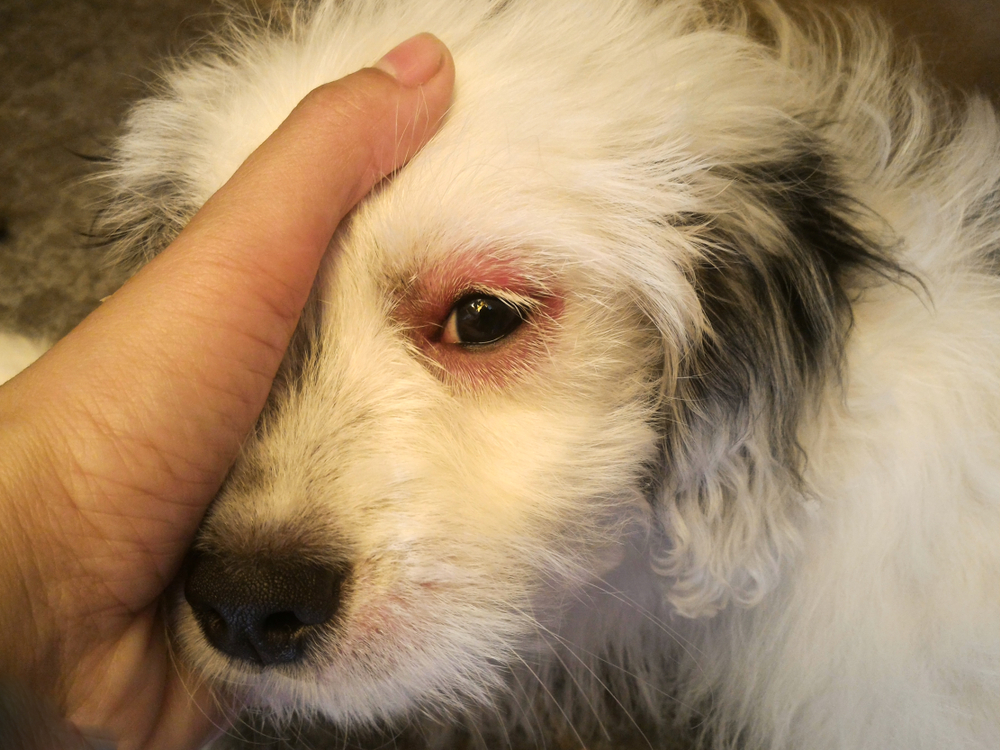
If your dog has itchy skin, it can be a sign of skin allergies. There are several culprits for skin allergies in dogs, including their food or environment. Your dog could be allergic to certain ingredients in their food which can lead to changes to their skin. They may be itchy and have inflamed patches along with recurrent ear infections.
Furthermore, environmental allergens like mold and pollen could be triggering your dog’s skin allergies. You may notice significant changes to their skin along their paws, faces, and bellies. Those areas of their body might be inflamed, itchy, and flaky.
You might start noticing that their skin smells bad, specifically in the areas where they itch the most. This is because their excessive itching can damage their skin, potentially leading to infections.
2. Poor Nutrition
If your dog is fed an unbalanced diet with poor nutritional value, their skin may reflect this. Nutritional deficiencies can have a major effect on a dog’s skin and coat. Dogs need protein, fatty acids, and several vitamins and minerals to maintain healthy skin and coat.
If their diet is not giving them the nutrients they need, you may notice changes to their skin like depigmentation, dryness, or crustiness. They might also be more susceptible to certain skin infections which could cause their skin to smell.
3. Parasites
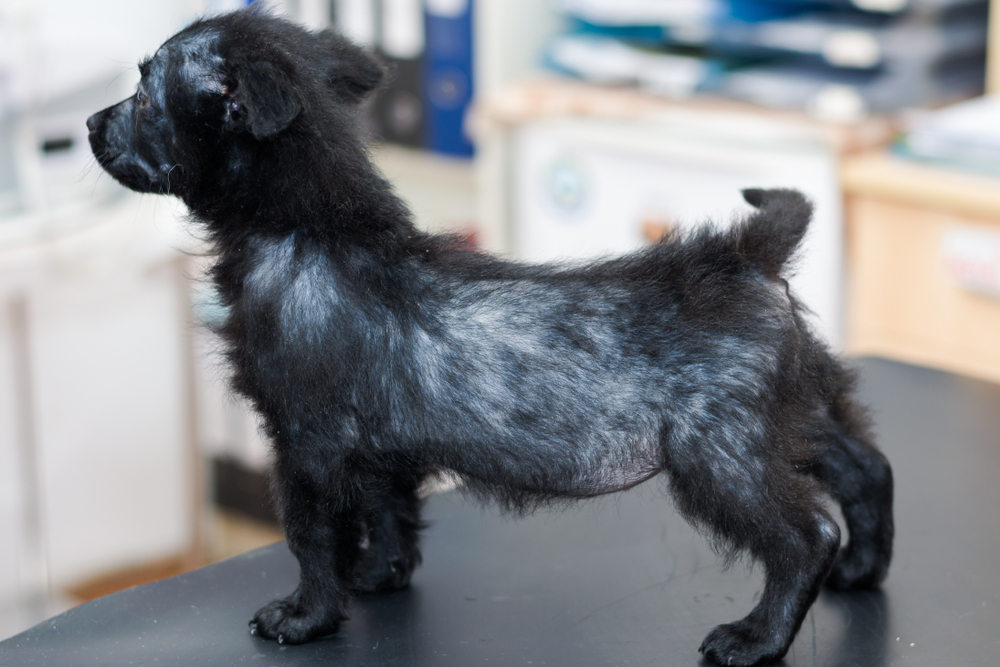
Parasites such as fleas and mites can cause dogs to scratch excessively, amongst other signs. Their intense scratching could lead to wounds where bacteria and yeast can grow and cause a bad smell.
Dogs can be allergic to flea bites when their immune system reacts to the flea’s saliva, making the bites incredibly itchy. Some dogs are particularly sensitive to flea bites and can experience intense itchiness even if there are only one or two bites.
Mange is a skin condition caused by parasitic mites that can cause dogs to scratch excessively. There are two types of mange, namely demodectic and sarcoptic mange. Both types can cause dogs to experience severe itchiness that can lead to fungal or bacterial infections. Skin inflammation, hair loss, and crustiness are other signs a dog could have mange.
4. Yeast infections (Malassezia dermatitis)
Malassezia dermatitis is a yeast or fungus that can make dogs feel itchy and uncomfortable. Yeast is a normal skin inhabitant but can reproduce unchecked with certain immune conditions, medications, or more commonly in certain breeds. The infection can either be localized or generalized with itchy, scaly, and inflamed skin. They also typically have a smell similar to sour milk. If left untreated, the infected skin could become thickened and darkened.
You can usually tell if a dog has yeast dermatitis by the smell alone, but a veterinarian will need to take a skin scraping to definitively diagnose.
5. Bacterial infections (Staphylococcus spp.)
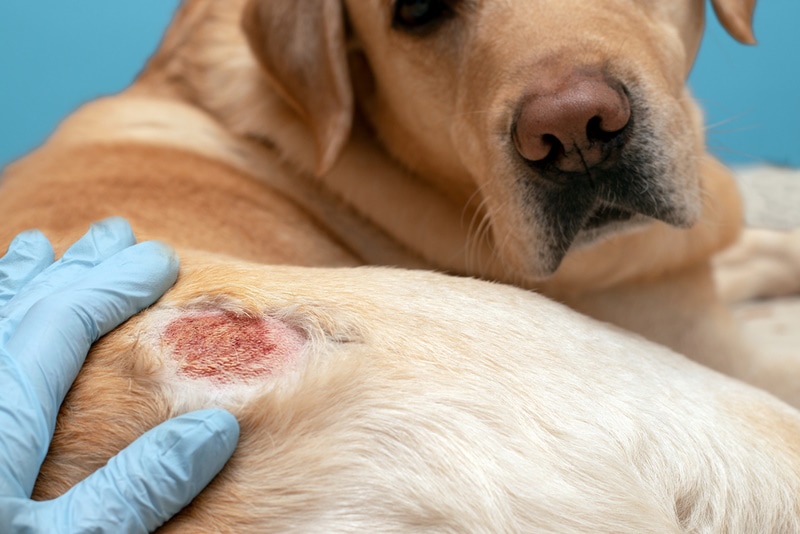
Staphylococcus (staph) infections are common causes of secondary skin infections in dogs. Similar to yeast, small amounts of Staphylococcus are normally found in dogs. However, when a dog’s skin barrier or immune system weakens, the bacteria can overgrow and cause an infection. A dog’s skin barrier can weaken from inflammation, swelling, or wounds created when they scratch or gnaw at their itchy skin.
Most signs of staph infections are superficial and cause rashes, itchiness, redness, and crusty, moist skin. More severe staph infections can cause additional issues such as fevers or lethargy. Staph infections can give dogs a noticeable sweet or fruity smell that can be overpowering.
6. Canine Seborrhoea
Canine seborrhoea or seborrheic dermatitis is a skin disease caused by abnormal sebum secretion. The result is scaly, itchy, flaky skin, especially in the skin folds. They may also smell due to a build-up of oils on their skin or from a secondary infection. It has several causes, which can be genetics or related to allergies, hormone imbalances, infections, and dietary issues.

What Can You Do?
If you are dealing with a smelly and itchy dog, it is best to book an appointment with a veterinarian to have them checked out. It’s not normal for dogs to itch excessively and develop an unpleasant odor, so medical attention is usually necessary.
A veterinarian will help find the underlying cause for your dog’s itchy, smelly skin and then discuss a suitable treatment. A nice-smelling shampoo or more frequent bathing is usually not going to fix the underlying issue. You need to address the reason for your dog’s skin problems if you want to help alleviate their itchiness and bad smell.
Possible treatments include antibiotics, topical ointments, and environmental and dietary changes. Some dogs may need multiple treatments to help manage their signs and to treat different conditions. For example, dogs with canine seborrhoea may need to be treated for an underlying hormonal balance, too.
A vet will be able to advise you on the best course of action to ensure the well-being of your pet.
If you need to speak with a vet but can't get to one, head over to PangoVet. It's our online service where you can talk to a vet online and get the advice you need for your dog — all at an affordable price!
Final Thoughts
Although a dog’s skin is not odorless, it shouldn’t smell noticeably bad. They also shouldn’t scratch excessively. This is an indication that something is not right, and you should have them checked out by a veterinarian. Dogs could have itchy and smelly skin for several reasons, and a veterinarian can help determine why your dog is experiencing skin issues and what treatments would work for them.
Featured Image Credit: UfaBizPhoto, Shutterstock
































2 Responses
My puppy is a pitbull breed about 16 weeks old. His skin has a red rash that seems to become worse w itching and biting and has a noticeable odor
Hi Kimberly, I'm sorry to hear about your puppy. It’s very common for skin issues to start as something mild and gradually worsen if they go untreated. The initial itching (which could be due to one of the causes described in the article) makes your pup scratch and bite himself, further irritating the skin, causing injuries and leading to secondary infections, which in turn worsen the itching. This creates an itch-scratch cycle that should be interrupted as soon as possible.
We recommend contacting your veterinarian promptly to break this cycle, identify the root cause, and implement an effective treatment to help your puppy feel better as soon as possible and prevent further complications.
Additionally, we have an online vet service, PangoVet where you can book an appointment to speak to one of our experienced vets, who can guide you on the best plan of action for your pup. You can book a time that is convenient for you at this link here https://pangovet.com/schedule-appointment/. Hope this helps!