Get

In Your Inbox

Dogster is reader-supported. When you buy via links on our site, we may earn an affiliate commission at no cost to you. Learn more.

Why Do Dogs Lick Themselves? Vet-Verified Reasons & When Its a Concern

Share

brown dog licking its paw

Dogs lick themselves; it’s just a fact of life. But why do they lick themselves so much? After all, it’s a bit of a gross habit! There are actually a few normal reasons dogs lick themselves, which we’ll look at below.

Perhaps a better question, though, is whether you should ever be concerned about your dog licking themselves. If you’re trying to determine whether your pup is engaging in normal licking behavior or licking that may indicate a problem, you’re in the right place. Here’s a look at what’s normal when it comes to dogs licking themselves and when you should pay closer attention to it.

Dogster divider_v3_NEW_MAY_24_

The 5 Normal Reasons Dogs Lick Themselves

If you see your pup only licking themselves occasionally, it’s likely for one of these reasons.

1. Grooming

Our canine companions may not groom themselves as often as felines, but they do groom, and it’s a common reason for licking. If you see your dog resting on their dog bed and licking at an area for a minute or two, this is probably what they’re doing. This licking enables them to clean debris and dirt from the top layer of their coat, which leaves them feeling fresher.

A dog may also groom themselves after they go to the bathroom, as occasionally, they get a bit of urine or discharge on their fur when they do so. When that happens, they’ll get to work licking themselves to clean the area. However, if you see your pup constantly licking their genital area, there could be something going on, which you’ll want to have checked out.
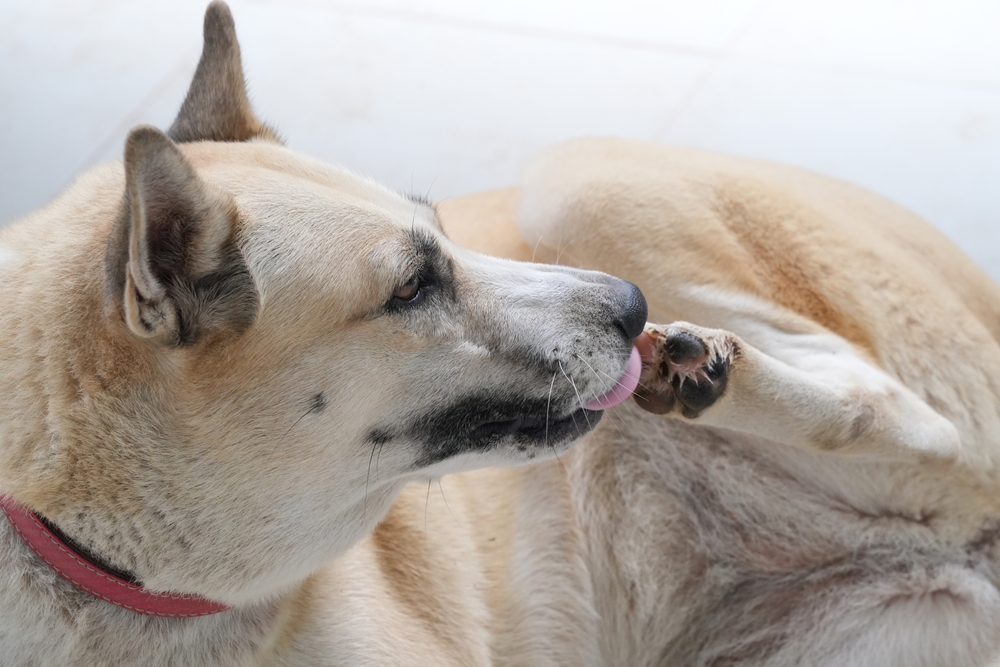
dog licking its paw
Image Credit: KPhrom, Shutterstock

2. Itchiness

Have you seen your pet licking and chewing at one spot? Then they might be itchy. This could be due to something as simple as a bug bite, but it could also be due to a skin issue or something more serious. While canines will usually scratch at itchy areas of the body, they may also turn to their tongue to try to relieve the itchy feeling.

If your dog seems to be experiencing a lot of itchiness, you might want to talk to your vet. Your dog could have a skin allergy or fleas. In either case, medication should help clear the issue up.

If you need to speak with a vet but can't get to one, head over to PangoVet. It's our online service where you can talk to a vet online and get the advice you need for your dog — all at an affordable price!

PangoVet_Mention-in-Content Savings V1


3. Boredom

Is your pet left on their own for long periods? Do they sometimes receive less exercise and playtime than they should? Then, your pet might be bored, and if they’re bored, they may turn to licking themselves as a way to alleviate said boredom. If you see your pup licking themselves a bit more than usual and can’t find a cause, consider whether they’re getting enough attention, exercise, and playtime each day. If not, try to increase the amount of physical and mental stimulation they receive to see if it helps.
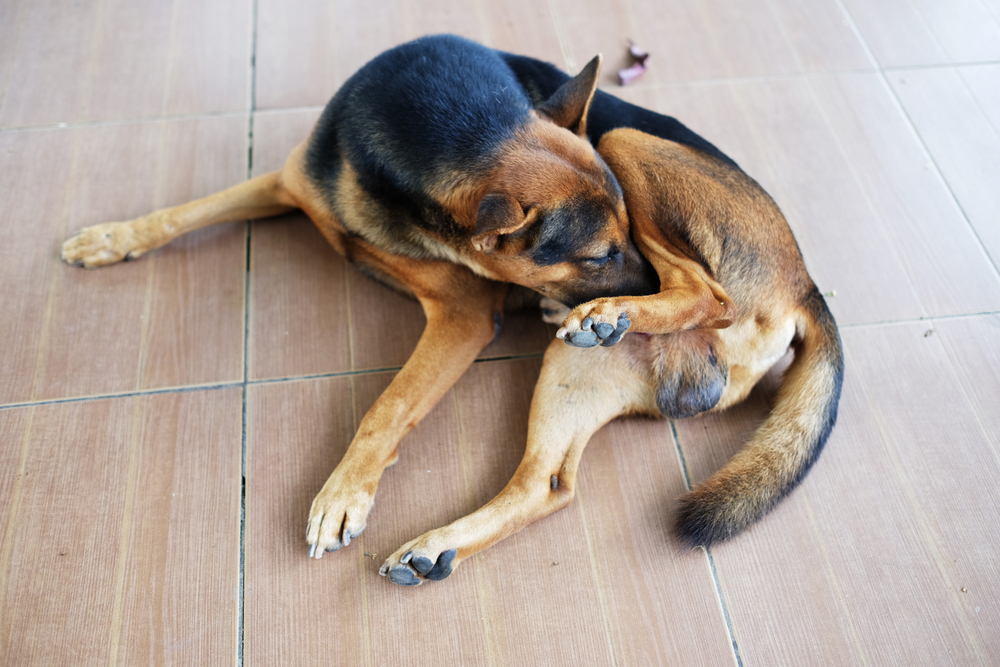
Dog licking itself
Image Credit: unjiko, Shutterstock

4. Pain

A canine might also lick if they’re in pain, especially if a particular area has a scratch or wound. Like licking to soothe an itch, a dog will lick to soothe pain. However, if the area they’re licking has an open wound, then all that licking could be turning the wound into the perfect breeding ground for bacteria to produce and cause an infection.

If you see a dog licking one spot over and over again, and this behavior continues for a while, it could be due to pain. Whether you can see a scratch or wound, talk to your vet because your dog will likely need medical intervention to remedy the issue.


5. Anxiety

Finally, another reason a dog licks themselves is due to anxiety. If a pup feels anxious or stressed, they could attempt to self-soothe via licking as the repetitive motion can be calming. A dog who is anxious may resort to excessive licking, so if you see this occurring and believe your animal is stressed, speak with your vet about ways to help alleviate their anxiety.


chihuahua dog licking its paw
Image Credit: Izemphoto, Shutterstock

Dogster divider_v1_NEW_MAY_24_

When Licking Is a Concern

As long as a dog is only licking now and then and exhibiting no clear signs of distress, there likely isn’t cause for concern. You probably noticed that we mentioned excessive licking earlier; excessive licking is when things go a little too far beyond the occasional session and is when you should take action to do something about it.

What is considered excessive licking when it comes to canines? Excessive licking is a near-constant licking that causes a pup to experience negative side effects. These effects could include skin irritation, bald patches where the fur has come off, or discoloration of the skin or coat. A dog engaged in excessive licking might also exhibit signs of discomfort while they’re doing the licking, such as whimpering or other distressed vocalizations.

If you see any of the following, the licking is likely excessive:
  • Matted fur close to the skin
  • Hair loss
  • Red irritated skin
  • Often stopping other activities to lick
  • Frequently wakes from sleep to lick

If you see any of the above, consult your vet. Your pet may be dealing with an illness, infection, parasites, pain, allergies, or behavioral issues. Your vet can help you determine a cause and find a solution.
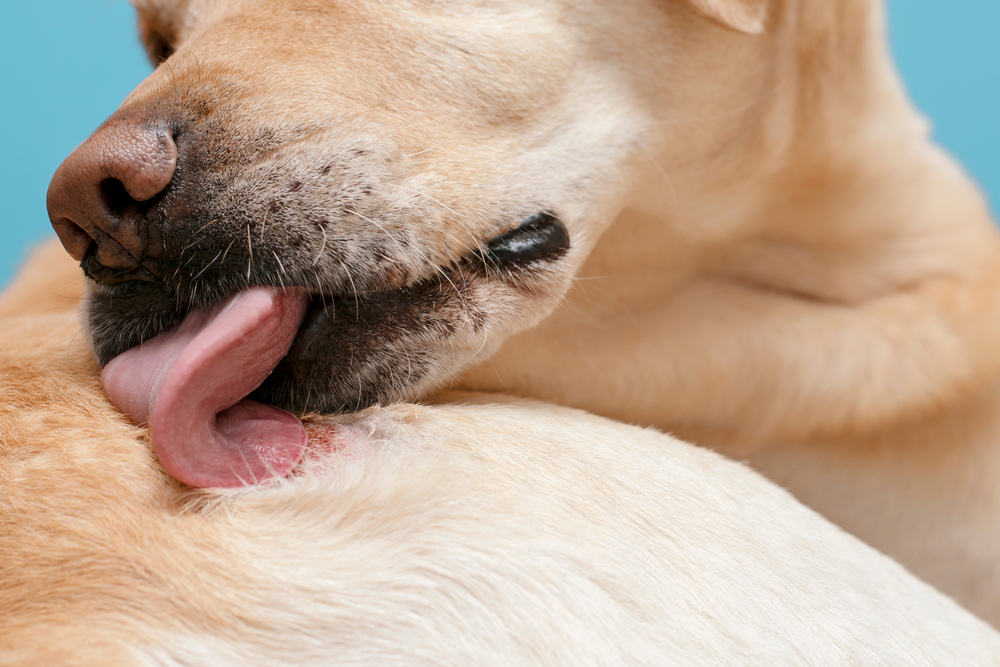
close up of a dog licking itself
Image Credit: fetrinka, Shutterstock

Dogster divider_v3_NEW_MAY_24_

Conclusion

Most of the time, dogs licking themselves shouldn’t be a cause for concern, as dogs lick themselves for various reasons, including grooming and or a slight itch. However, if you notice your pup is excessively licking or showing signs of pain, anxiety, or distress, you should pay closer attention. These are indications that something is wrong with your pet, whether it’s a physical or behavioral ailment. Your vet can help determine why your dog is engaging in excessive licking, which will help you figure out how the issue should be remedied.


Featured Image Credit: MDV Edwards, Shutterstock

Want content like this delivered to you?

Sign Up For Our Newsletter

News, insights, expert advice, and everything dog

* By submitting, you agree to our Terms & Conditions and Privacy & Cookies Policy.


How useful was this post?

Click on a star to rate (you can leave written feedback after clicking submit)

Help us improve Dogster for pet parents!

Your feedback really matters.

What did you like about this post? Also how can we improve it?

Join the conversation

Leave a Reply

You’re very welcome to leave a comment or question. Please know that all comments must meet our community guidelines, and your email address will NOT be published. Let’s have a positive and constructive conversation.


Talk With A Vet Online

Peace of mind,
anywhere, anytime

Affordable vet advice

Dogster’s Weekly Photo Contest Winners: The Cutest Puppy (April 2, 2026)

Every week our team gets the privilege of sorting through our readers photos to choose what dogs will win this weeks contest! See...

The Hidden Risk in Tall Grass That Most Dog Owners Ignore

Finding a tick on your dog can look like a lot of things, depending on when you catch it. Some are engorged and...

Ask Dr. Paola- Help! My Dog Keeps Barking at the TV! (March 30, 2026)

Welcome to our “Ask Dr. Paola” series, where every Monday we bring expert advice straight from Dr. Paola Cuevas (MVZ) to help our...

Dogster’s Weekly Photo Contest Winners: I’m a Messy Eater (March 26, 2026)

Every week our team gets the privilege of sorting through our readers photos to choose what dogs will win this weeks contest! See...

More related

How Long Will It Take to Neuter a Dog? Vet-Approved Facts & FAQ

Neutering your dog is an important step in preventing unwanted litters, reproductive issues, and behavioral problems. It’s a safe, quick, and effective surgery,...

Glaucoma in Dogs: Vet-Reviewed Signs, Treatment, & Care Tips

Glaucoma is a serious eye disease affecting both animals and humans. It can be extremely painful, and even if it’s correctly treated, it...

How to Feed a Puppy: 10 Vet-Approved Tips

Puppyhood is an important time in a dog’s life that’s marked by significant growth and development. Puppies have many needs and require a...

Are Dobermans Good With Kids? Pros & Cons

Parents and caregivers should always err on the side of caution when children and pets interact, for both parties’ safety. Certain breeds do...

Keep reading

Can Dogs Eat Ants? Vet-Verified Facts & FAQ

As curious animals, dogs are bound to eat ants at some point in their life. Those little insects that you need to protect your sugary foods from can be found everywhere. Your dog is likely going to eat ants from...

Can Dogs Eat_Ants

Can Dogs Eat Bell Peppers? Vet-Verified Nutrition Facts & FAQ

If you have a dog, you know they love meat, which isn’t surprising since they were once predators that hunted other animals to survive. What is surprising is how many other foods the average dog loves, from bananas and cheese...

Can Dogs Eat Bell Peppers

Can Dogs Eat Nutritional Yeast? Vet-Verified Nutrition Facts & Info

Nutritional yeast is all the rage among health-conscious eaters looking for delicious and nutritious ways to zest up their meals. With its generous mix of protein and essential nutrients, you’re right to wonder if you can offer this vegan-friendly ingredient...

Can-Dogs-Eat-Nutritional-Yeast

Are Bully Sticks Safe for Puppies? Vet-Reviewed Nutrition & Safety Facts

We all love to give our pets treats, and there are plenty of options out there. Some will be better than others, so we must be vigilant about watching ingredients and other factors to make sure the treats are healthy...

Dogster_Are Bully Sticks Safe for Dogs

Can Dogs Eat Cranberries? Vet-Reviewed Nutritional Guide

Cranberries are sweet yet slightly bitter-tasting fruits used in a range of dishes. They mostly consist of water, but they are naturally rich in antioxidants and several vitamins and minerals too. We often enjoy cranberries for breakfast, dessert, or as...

Can Dogs Eat Cranberries

11 Best Dog Foods for Basset Hounds in 2026 – Reviews & Top Picks

What’s not to love about those droopy eyes and long, floppy ears? Basset Hounds have a way of digging themselves into your heart, and even though they can weigh up to 65 pounds, they make excellent cuddle buddies. Basset Hounds...

Male Basset Hound

7 Best Dog Foods for Ear Infections in 2026 – Reviews & Top Picks

Did you know that food allergies may cause itchy ears? Dogs who develop chronic ear infections may be experiencing an allergic reaction to an ingredient in their food, such as chicken, beef, or grains. Certain breeds, such as Cocker Spaniels,...

dog eating in a food bowl

What Is Salmon Meal in Dog Food? Vet-Approved Facts & FAQ

Salmon meal is a rich, protein-heavy ingredient. Typically, it is created by drying salmon to remove most of its moisture content. This leaves a dried meal that is usually broken down into a powder. Since dry dog foods have little...

smoked salmon outdoors

Love Dogs? So Do We! Join the Dogster Community

Stay informed with expert pet care insights delivered straight to your inbox! Discover professional guidance on animal behavior, feeding tips, trusted product picks, and much more.


Sign up for the Dogster Email Newsletter