

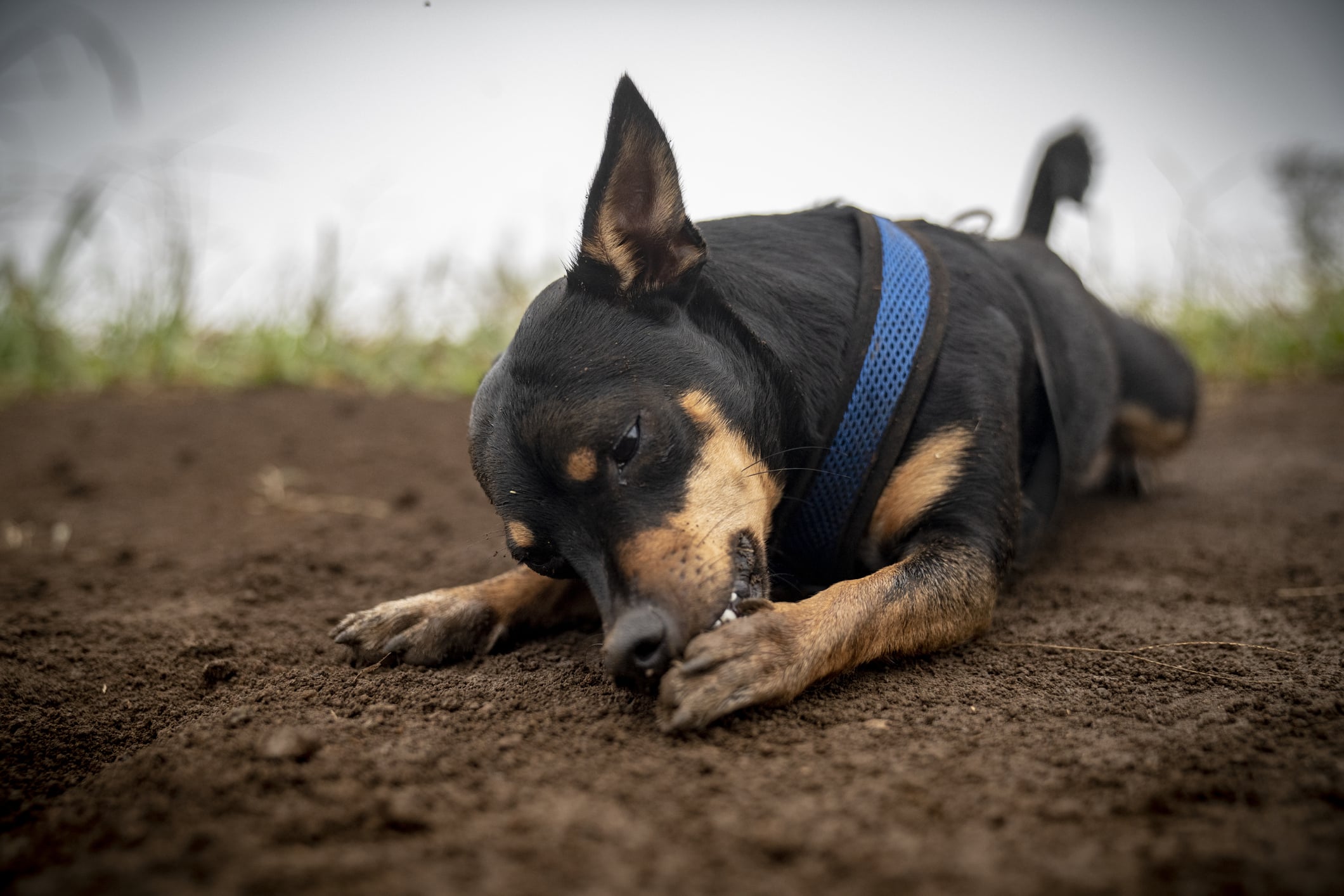
It’s usually not a big deal if your dog licks their paws occasionally. It could be a sudden itch that needs scratching or a part of normal self-grooming. However, constant attention to their feet may indicate an underlying condition. Some causes are apparent once you examine your pet’s paws, while other reasons are more obscure but vexing, nevertheless.
Our guide covers some of the most common explanations for this behavior, alongside recommendations about what you should do. If your pup is in obvious discomfort or distress, take your pet to the vet as soon as possible.

The 9 Reasons the Dogs May Chew Their Paws & Remedies
1. Sore or Irritation
Canine feet share many of the same vulnerabilities as ours do. A stubbed toe can send you howling in pain. Likewise, a sore or wound on a paw pad can be quite painful, especially if it becomes infected. Dogs try to manage minor irritations by licking the affected area. Unfortunately, it sometimes makes matters worse.
Remedy: You can use a medicated wipe formulated for pets or saline to clean a wound to help prevent an infection. Avoid letting your dog lick the area and rest them while it heals. Signs of a wound or sore becoming infected include redness, swelling, heat, and discharge. If your pup won’t let you touch the affected paw, make an appointment with a vet.

2. Pododermatitis
Pododermatitis is a general term for inflammation of the skin of a paw. It’s the animal’s body’s first response to healing and includes the signs we listed previously. The itching is likely triggering your dog’s excessive chewing and licking. After all, these are the only ways they can relieve that itch. Signs can vary from redness of the skin to hair loss, swellings, ulcers and crusting. There are a multitude of causes of pododermatitis including bacterial or fungal infections, allergies, parasites and autoimmune conditions.
Remedy: This situation warrants an exam because of the many possible causes. A vet will likely begin with a medical history, including any observations you may have made between potential triggers and this reaction. Diagnosis may also include bloodwork, samples and cultures. Treatment depends on what is causing the inflammation.
3. Allergies
Canine atopic dermatitis (CAD) and food allergy warrant special mention as paw chewing is a common sign of these conditions. CAD is an allergy to environmental allergens such as house dust mites and pollen. Food allergies are not as common as you might think, but reactions to chicken, beef, and dairy, most frequently cause the issue. For dogs suffering from skin allergies, the paws are usually only one of the areas affected. The underside of the body, armpits, around the back end and the ears are also often affected by inflammation and itchiness. Dogs with a food allergy may also suffer from gastrointestinal signs such as diarrhea.
Remedy: Unfortunately, a definitive test doesn’t exist for allergies. Instead, a vet will consider your dog’s medical history and will check for, and rule out, other skin conditions that may present with similar signs like parasites and infections. They may recommend an elimination diet if they are suspicious of a food allergy. This process may take a while, but once you figure it out, your dog won’t be uncomfortable anymore.
If you need to speak with a vet but can't get to one, head over to PangoVet. It's our online service where you can talk to a vet online and get the advice you need for your pet — all at an affordable price!

4. Infections
Bacterial and fungal infections can also be a reason for dogs to chew their paws. Bacterial infection of the feet can be mild, and on the surface, or deeper, leading to painful swellings and ‘cysts’ between the toes. It is often secondary to an underlying condition like allergic skin disease. Excess weight and poor conformation, when haired skin comes in contact with the ground when weight bearing, can also lead to bacterial infection as hair follicles become traumatized and infected. The yeast Malassezia also commonly affects the skin of the paws.
Remedy: Mild infections can usually be treated with topical medicated washes or wipes, deeper bacterial infections may need oral antibiotics. The underlying reason for the infection will need to be addressed.
5. Something Between Their Paw Pads
Small stones or sticks can easily get wedged between your dog’s paw pads, causing irritation and, thus, licking. Grass awns and thorns can work their way under the skin causing swellings and discomfort. Your pup might be able to free something on their own, or they’ll need your or a vet’s help. If you notice your dog limping or favoring one leg, that’s an excellent place to start looking.
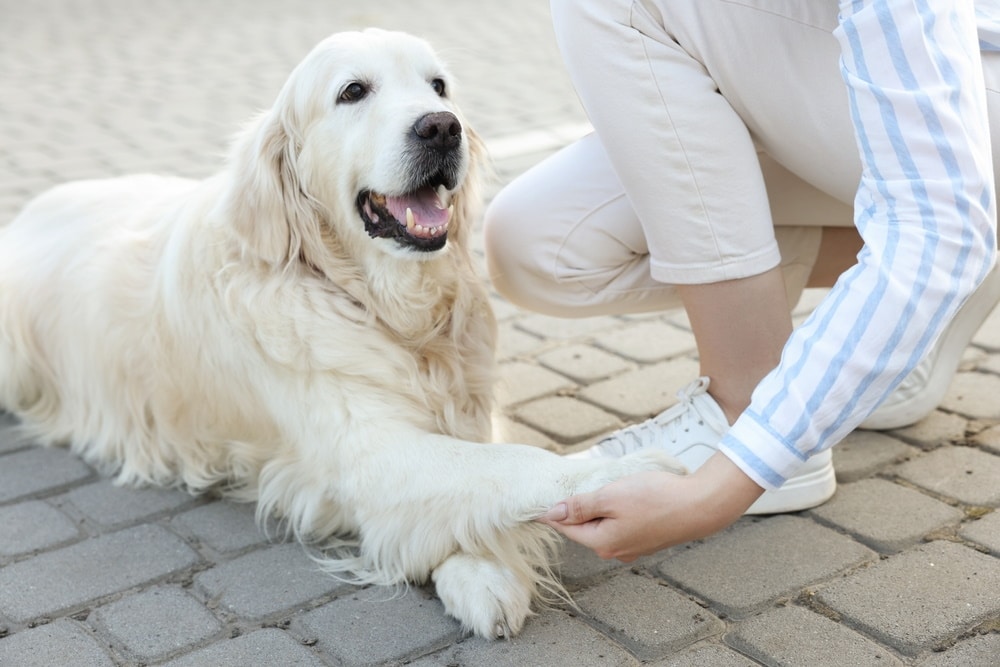
Remedy: Here is a good time to put your pet’s training to work. Tell your dog to sit and stay while you examine their paw. You can also examine it while your pooch lies on their side. You may find that a treat is an excellent distraction while you look for the source of the problem. You may be able to pinpoint and dislodge the offending material easily, if not a visit to the vet will be required.
6. Toenail Injury
Within the toenails of your dog is a bundle of nerves and blood vessels called the quick. Damaging a nail and exposing it is a painful—and messy—injury. This is an open wound, so it requires fast action. It’s likely a two-person job if you have a large dog. You’ll need a muzzle, towel, and styptic pencil, or you can use baking powder in a pinch.
Remedy: You may need to muzzle your dog, this injury hurts, prompting even some of the sweetest dogs to bite. Your task is to control the bleeding with the styptic pencil or baking powder. If bleeding continues, the nail has not come off cleanly, or your dog continues to chew or lick at the paw, get them to the vet as soon as possible.
7. Frostbite
Some dogs don’t know when to come back inside when playing in the yard. That can leave some pets at risk for frostbite on a frigid winter’s day. Early signs of frostbite include pain or tenderness when touched, swelling of the area, pale blue or grey skin, cold skin, blisters, stiffness, or areas of blackened skin. The condition can worsen quickly if you don’t take immediate action.
Remedy: The first thing you should do is get your dog inside from the cold. Don’t try to warm up the affected paw with direct heat. Instead, keep your pet comfortable and get them to the vet. The treatment depends on the extent of the injury. A vet may prescribe antibiotics or pain meds to speed healing and relieve your pet’s discomfort.
8. Ice or Snow Melt Products
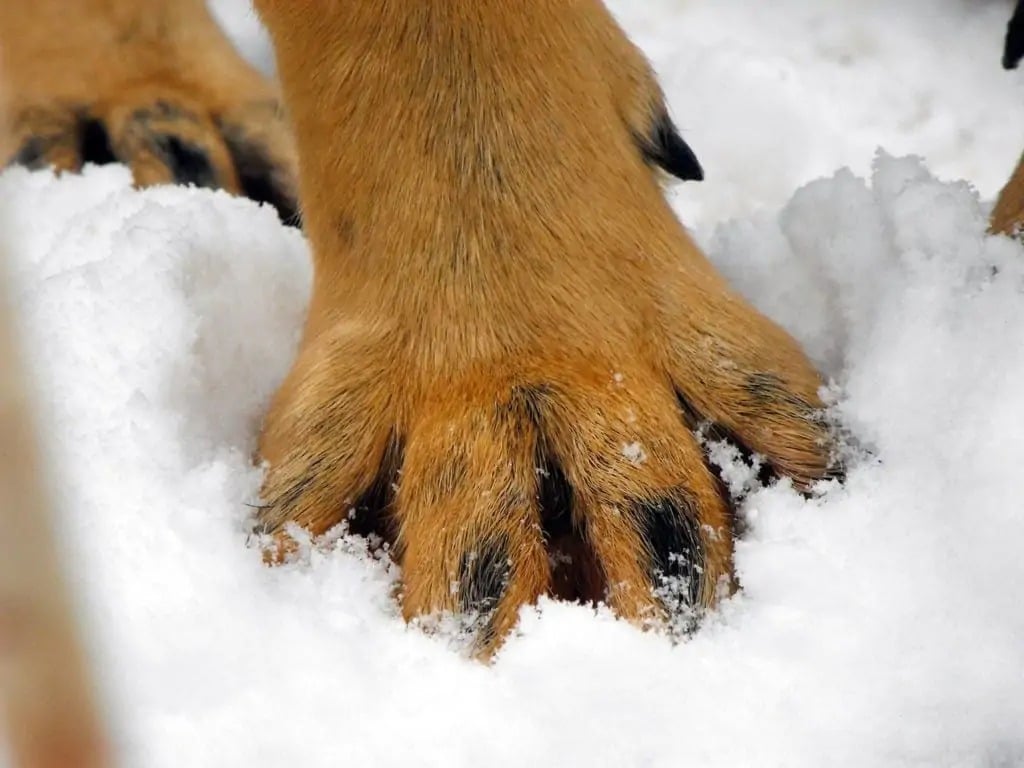
Products formulated to melt ice and snow can irritate your dog’s paws. The crystal shards could cut into their sensitive pads, not to mention the pain of putting salt on an open wound. You should treat these irritations like any other minor sore. We also suggest cleaning your pup’s paws after they come in from the outdoors. Other products such as cleaning products can also cause contact dermatitis to the paws and irritation.
Remedy: The best cure is prevention. You’ll find pet-safe products you can use around your home, yard and walkways. If you’re walking your dog in the neighborhood, you might consider getting your pooch some booties to protect their feet. Another option is to put paw wax on your pup before going outdoors since it’ll create a protective layer between their pads and the salt.
9. Boredom or Separation Anxiety
Boredom or separation anxiety might not be on your radar, but canines are social animals that bond with their owners, and some breeds are naturally more sensitive than others. Separation anxiety develops when a pet displays unwanted behavior when left alone.
It can include other telltale signs, such as howling, inappropriate elimination, and self-destructive behavior, like chewing their paws. Dogs get used to a set schedule. Dogs aren’t keen on changes to the routine, so instead, they redirect their anxiety or depression in harmful ways.
Remedy: A vet will likely begin with a medical history and a workup to rule out medical causes. Sometimes, a lack of mental stimulation or enrichment can trigger these behaviors. You have several treatment options. A vet may refer you to an animal behaviorist for a customized approach.


Conclusion
Dogs chew their paws for reasons that range from benign to serious. Sometimes, the answer is obvious, making relief quick and easy. However, some causes are more elusive, requiring a vet’s assistance to identify and treat them correctly. We recommend checking your pup’s paws daily, even if there isn’t an issue. It’s best to catch a potential problem early when possible.
See also:
- Do Dogs Have Toe Beans? Vet-Verified Paw Anatomy Explained
- Why Does My Dog Bite His Nails? 7 Reasons & Ideas to Redirect It (Vet Answer)
Featured Image Credit: Cavan Images, Getty Images
 The 9 Reasons the Dogs May Chew Their Paws & Remedies

























2 Responses
Wanted more detailed information on how to treat this myself.
Hello Mary,
thank you for your comment. As you may have read, there are several reasons why dogs may chew their paws. Some causes are not too serious and can be handled at home, unfortunately, most of them require veterinary attention.
If you would be experiencing any issue with your dog and would like to receive a veterinarian's input without visiting a clinic, you can book a video call appointment with one of our veterinarians from www.PangoVet.com. They will evaluate your dog's condition and let you know what you can do for your dog at home.